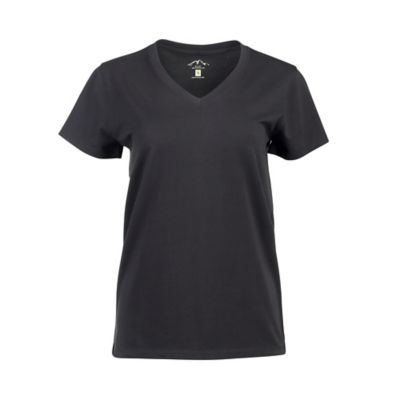
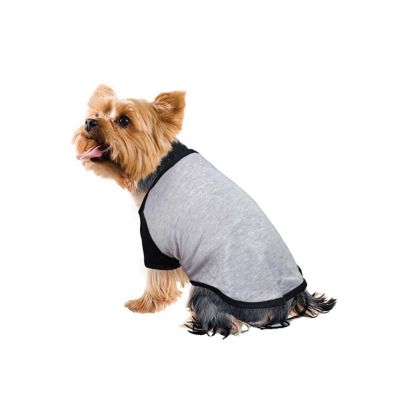
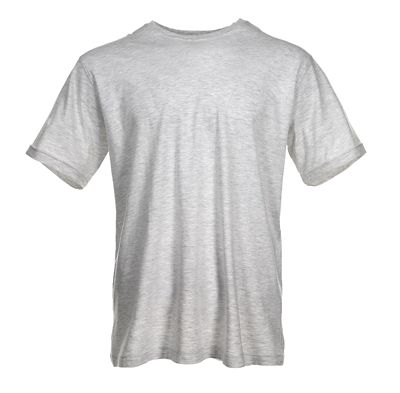
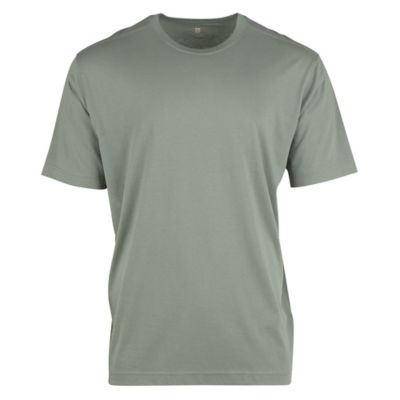
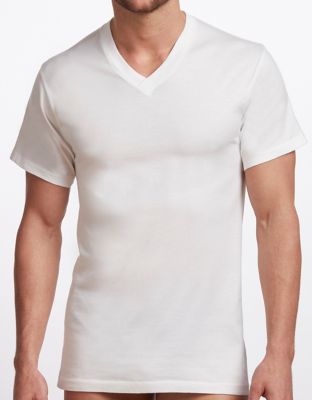
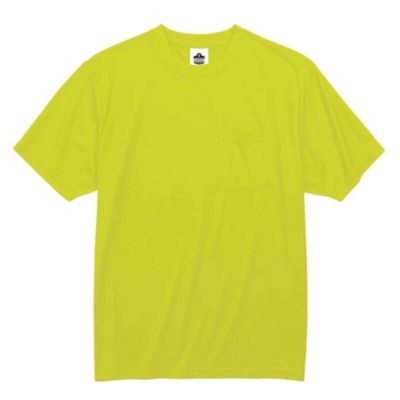
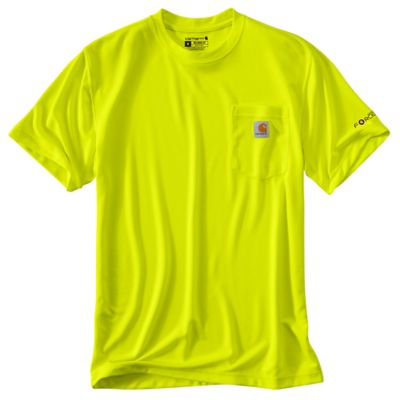
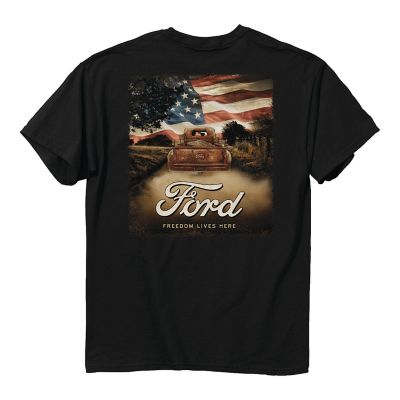
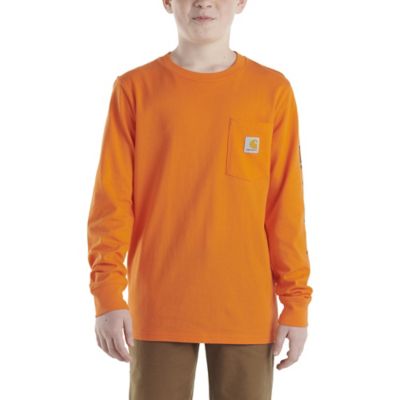
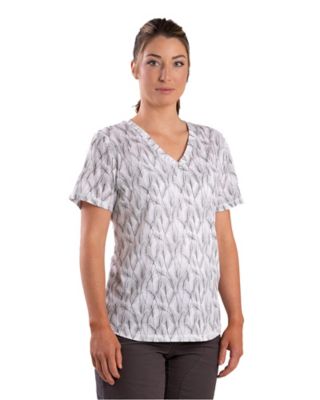
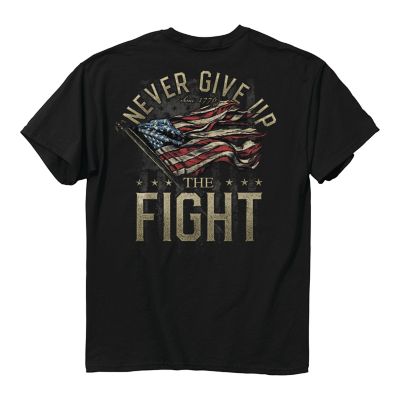
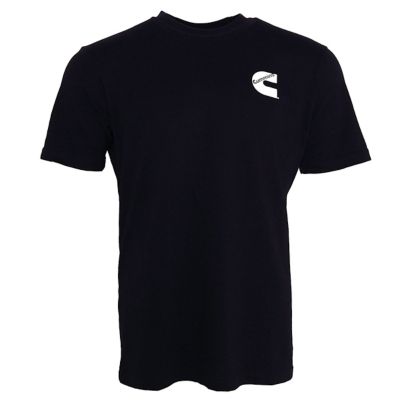
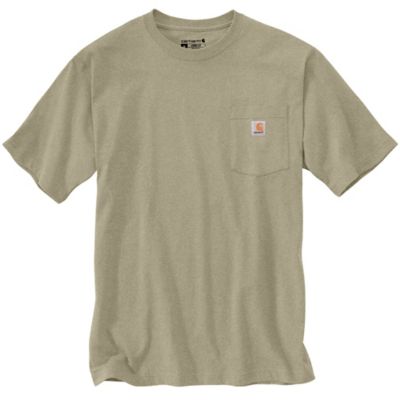
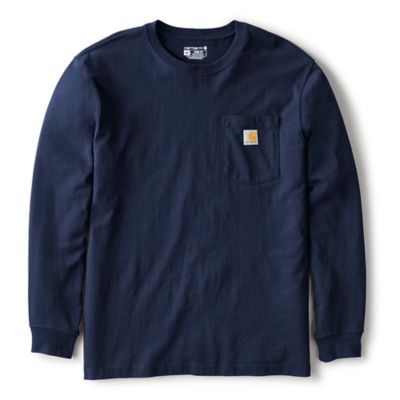
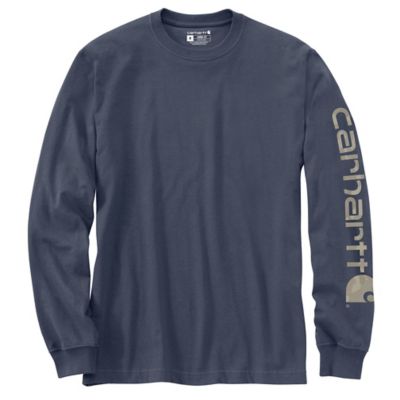
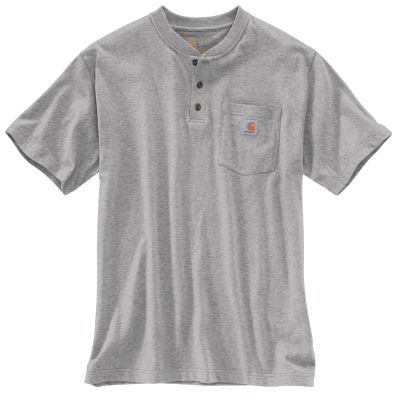
Blank t-shirts are plain, unprinted tees that can stand on their own, sit under a work shirt, or serve as the starting point for a printed design. Their appeal is straightforward: a comfortable shirt without a graphic to work around, ready to pair with jeans, work pants, or shorts. For feeding animals, running errands, or spending an afternoon in the shop, the right fabric makes a difference in how a tee feels through a full day. Cotton jersey is a familiar choice for its softness, breathability, and ability to absorb moisture. Ring-spun cotton generally has a smoother feel than cotton made with a more basic spinning process, while combed cotton has shorter fibers removed before spinning for a smoother yarn. Cotton-polyester blends bring together cotton’s familiar feel and polyester’s tendency to hold its shape and dry faster than cotton alone. Some blends also contain rayon, which can give the fabric a softer drape. Fiber content matters more than the color name, since two shirts in similar shades can have different blends and feel noticeably different against the skin. Fabric weight is another useful comparison. Lightweight jersey tends to drape closer to the body and tuck easily beneath another layer; heavier jersey often feels more substantial and may provide more coverage. Neither weight is automatically better for every job. A tee worn beneath a button-front shirt has a different role from one worn alone while loading feed or cleaning out a tack room. Light-colored fabric may also show an undershirt or printed design through the surface, particularly when the knit is thin. For everyday rotation, blank tees offer a simple foundation that does not compete with patterned shirts, bold belt buckles, or a favorite cap. Solid colors can keep an outfit low-key, while a brighter shade can make a plain tee feel a little more lively without adding lettering or artwork. That flexibility makes the category useful well beyond any single activity or style.
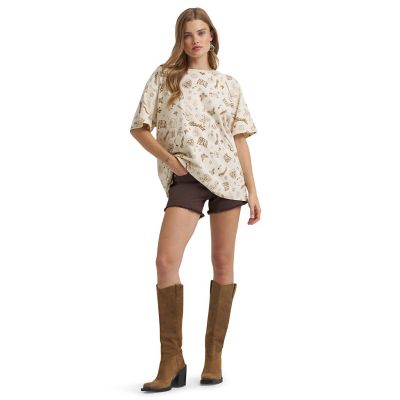
Fit is about more than the letter on the neck label. Chest width, shoulder placement, sleeve shape, and body length all affect whether a blank t-shirt feels easy to move in or constantly needs adjusting. A classic cut usually leaves more room through the torso, while a fitted cut follows the body more closely. Relaxed and oversized shapes offer extra space, though their shoulder seams and proportions can differ from simply buying a larger size. Reaching for a gate latch, lifting a sack, or bending to fill a feed pan quickly reveals whether a shirt has enough length and room where it counts. A hem that stays tucked may suit someone wearing work pants, while a shorter, untucked shape may feel better for casual wear. Comparing a size chart with the measurements of a well-fitting shirt gives a better starting point than relying on size alone, especially when switching between cuts. A look through
Women's T-Shirts can help narrow the search for different silhouettes and proportions. Necklines deserve a little attention, too. A crew neck sits close to the base of the neck, while a V-neck leaves a more open neckline beneath an overshirt. Ribbed neckbands, reinforced shoulder seams, and neatly finished hems are construction details worth checking when a tee will see frequent wear and washing. Side seams can influence how the body hangs, while tubular construction has no side seams at all. Neither construction replaces the need for a comfortable fit. Tagless necklines or removable labels may appeal to people bothered by a label rubbing against the skin. For someone choosing blank tees as a gift, knowing the recipient’s usual fit, preferred sleeve length, and favorite colors matters more than guessing at a trend. A plain shirt can be a welcome everyday gift for someone who likes practical clothing, especially when its shape matches the tees already getting the most wear in their closet.
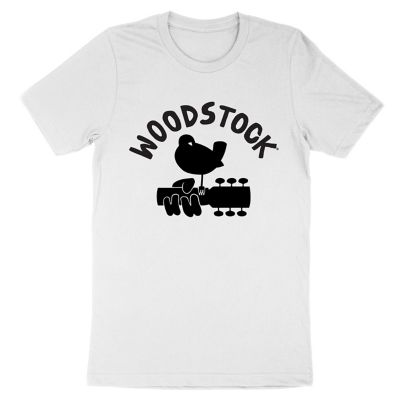
Blank t-shirts also give printed artwork, team names, and family reunion designs a clear place to stand out. The best fabric for that purpose depends on the printing process, not just how soft the shirt feels in hand. A smooth cotton surface is often a good match for direct-to-garment printing, while screen printing can work across several fabric types when the ink and application suit the material. Polyester-rich fabrics need extra consideration because dye migration and application heat can affect the finished design. Heat-transfer graphics likewise need a shirt that can tolerate the required pressing conditions. For tie-dye projects, fiber-reactive dyes generally work best with plant-based fibers such as cotton; a cotton-polyester blend may produce a lighter result because the polyester portion does not take that dye the same way. A small test before completing shirts for a whole group can reveal changes in color, fit, or print appearance. Even without artwork, care habits influence how long a plain tee keeps its shape and comfortable feel. The care label is the starting point, since washing and drying needs vary by fiber blend and finish. Washing with similar colors helps limit unwanted color transfer, and turning a printed shirt inside out can reduce rubbing against the design. Excessive dryer heat may contribute to shrinkage or affect certain prints, so the labeled drying directions matter. Preshrunk cotton can still shrink further; the term does not promise that measurements will never change. Prompt attention to stains also helps, particularly after a day around dust, feed, or greasy equipment. Treatments should suit both the fabric and any artwork rather than relying on the strongest cleaner in the laundry room. Between fabric, construction, fit, and care, there is plenty that separates one plain tee from another. The right match is the one that feels comfortable through familiar chores, layers without bunching, and earns its place in the regular laundry pile.