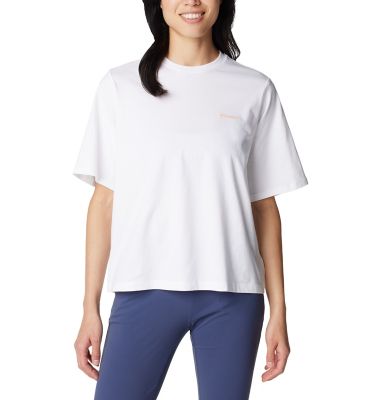
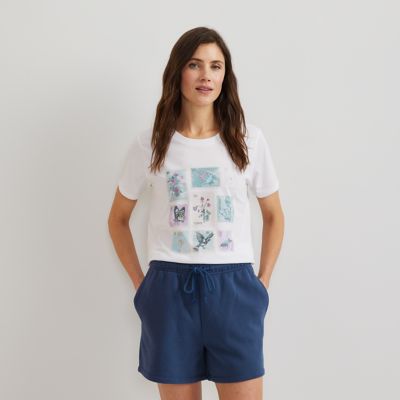
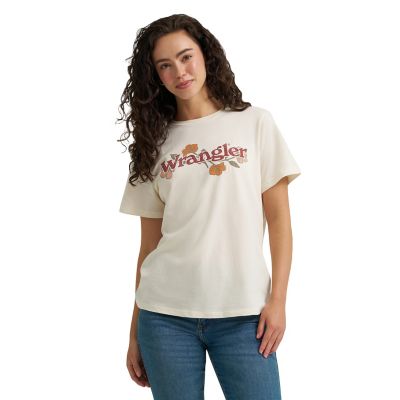
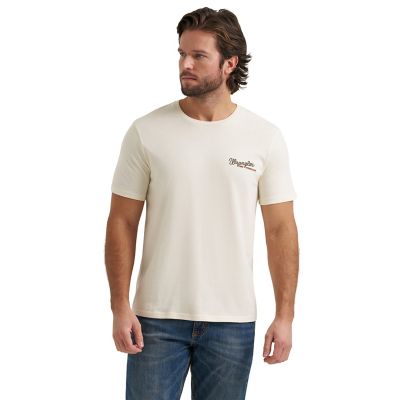
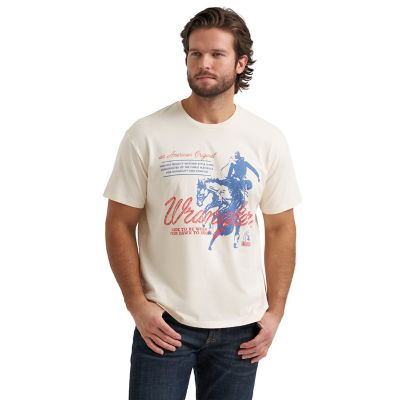
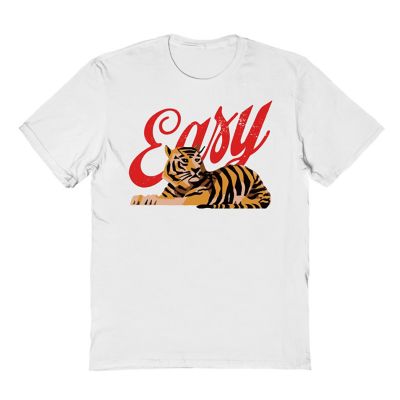
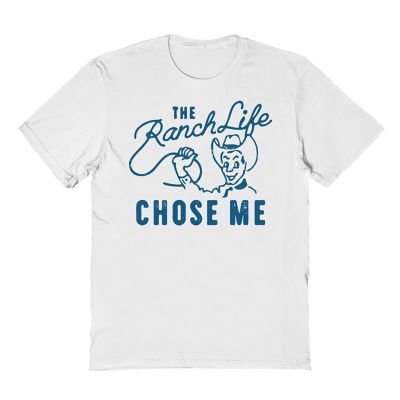
White graphic tees bring a clean backdrop and a little personality to everyday dressing, pairing the familiar feel of a T-shirt with artwork, lettering, or a bold printed design. Against white fabric, dark outlines look crisp, bright colors stand out, and softer shades take on a more understated look. A small chest graphic keeps things simple, while a large front print or back design makes the artwork a bigger part of the outfit. Farm-inspired imagery, outdoor themes, western influences, and lighthearted sayings can connect a shirt to the things someone enjoys without making the whole outfit feel dressed up. The fabric matters just as much as the picture. Cotton knits are a common choice for their soft feel and breathability, while cotton and polyester blends can combine softness with shape retention and easier everyday care. The exact balance depends on the fiber percentages and knit construction, so two white shirts with similar graphics may feel quite different in the hand. A lighter knit tends to drape closer to the body, while a heavier knit can have more structure and coverage. White fabric can also show layers underneath, making opacity worth considering for anyone who prefers to wear a tee on its own. A smooth knit gives fine lines and small lettering a clear backdrop; a fabric with visible texture adds another element to the overall look. Printed areas can feel different, too. Some designs sit lightly on the surface, while others have a more noticeable ink layer across the chest. That difference can matter to someone who likes a soft, flexible shirt with very little texture against the body. Taken together, fabric weight, print placement, and the size of the artwork help determine whether a white graphic T-shirt feels quiet and easygoing or becomes the main focus of an outfit. Even the amount of white space around a design changes its character, giving a small illustration room to breathe or making oversized lettering feel more prominent.
Fit gives white graphic tees much of their everyday versatility. A standard fit generally follows the body without hugging it, leaving room for walking the property, riding along on errands, or settling in at a backyard cookout. A fitted cut sits closer through the shoulders and torso, while a relaxed or boxier shape gives more space through the body. Those descriptions are helpful starting points, but garment measurements tell more than the size letter alone. Shoulder width, chest room, sleeve opening, and overall length all affect how a shirt feels once it is on. Someone who regularly reaches overhead may appreciate a hem that stays below the waistband, while someone who likes a neat tuck may prefer less extra fabric through the middle. A dropped shoulder changes where the sleeve begins, and a wider sleeve opening creates a different silhouette from a closer-fitting short sleeve. Crew necks offer a familiar round opening that works well on its own or beneath an open button-front shirt. Shoppers drawn to that neckline can also explore
women's white crew neck T-shirts for another look at this everyday shape. With graphic styles, the position of the print deserves attention alongside the cut: a design centered on the chest can sit differently on a longer torso, and a large graphic may fold into a tuck. Jeans and work pants give a white tee an easy, down-to-earth pairing, while a denim skirt or simple pair of trousers changes the feel without much fuss. An open overshirt can frame a front graphic, though a back print naturally gets more attention when the tee is worn by itself. For a shirt that moves between feeding small animals, heading to town, and spending time with friends, comfortable seams and an unrestricted reach count for more than a fit label. Everyday tees belong in casual settings; tasks that call for protective clothing still need gear suited to the job.
Keeping white graphic tees looking their best means caring for both the light fabric and the printed surface. The care label is the starting point, since fiber blends and printing methods do not all respond the same way to washing, stain treatments, or drying. Turning a printed shirt inside out before laundering can help limit rubbing against the artwork, and washing with similar colors helps reduce the chance of dye transfer onto the white background. Dirt along a hem, a splash of coffee, or a mark around the collar may need attention before the wash, but any treatment should suit the fabric and stay clear of the graphic unless the label allows it. Chlorine bleach is not a safe default for every white shirt, especially when colored ink is part of the design. Drying instructions matter as well: excessive dryer heat can affect fit or printed artwork, while the recommended setting helps preserve the shirt’s intended feel. Strong stitching, an even neckline, and fabric that recovers after stretching are useful construction details for repeated wear. A rib-knit collar should lie comfortably rather than pull at the neck, and shoulder seams should feel smooth beneath an overshirt or bag strap. These small details become noticeable when a favorite tee makes frequent trips through the laundry. White graphic T-shirts can also make thoughtful birthday or thank-you gifts when the artwork suits the person receiving them. An animal lover, a truck enthusiast, or someone happiest around horses may enjoy a design that reflects a familiar interest. A favorite shirt’s measurements can be a better gift-sizing reference than guessing from appearance, especially across men’s, women’s, and unisex cuts. For someone who prefers a low-key wardrobe, smaller artwork and a familiar fit may feel right; someone who enjoys bold lettering may welcome a larger design. The strongest match brings together a graphic they enjoy, a fabric they like wearing, and a shape that fits naturally into their regular routine.