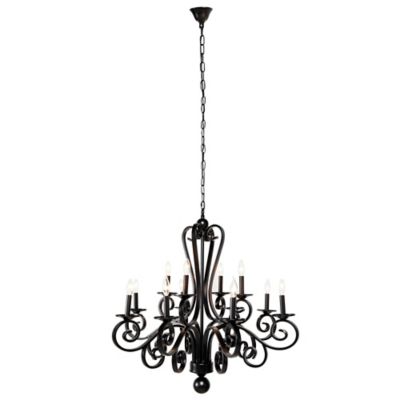
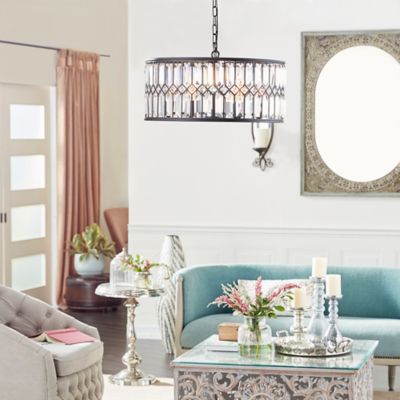
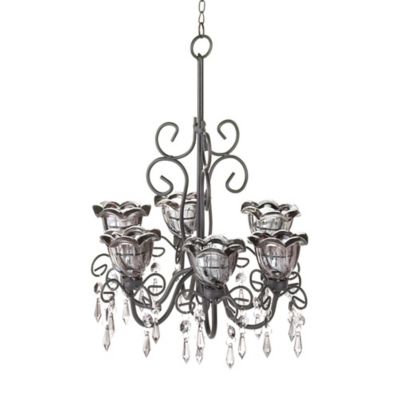
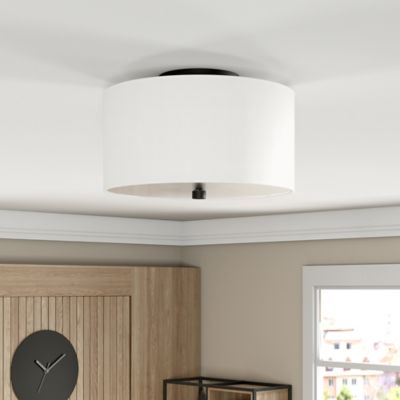
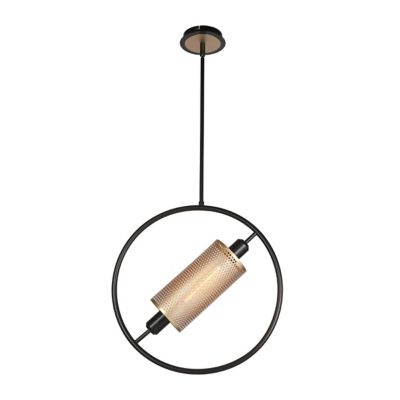
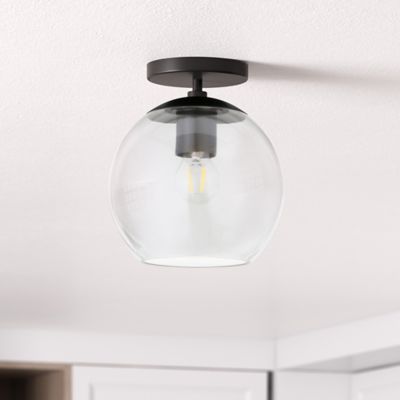
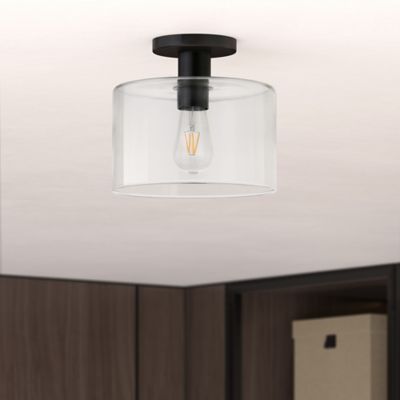
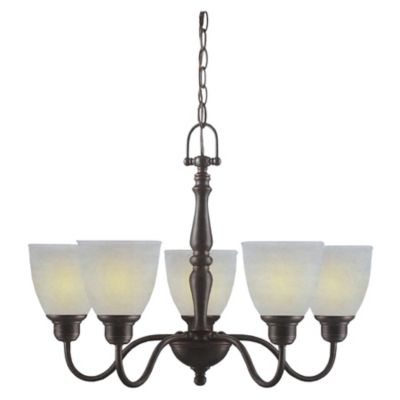
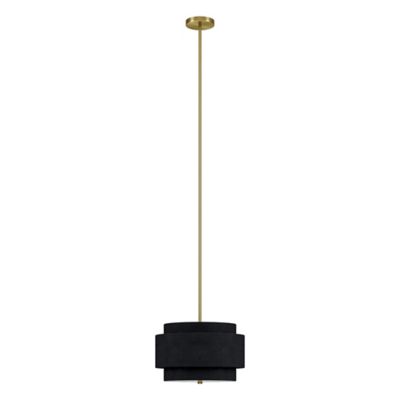
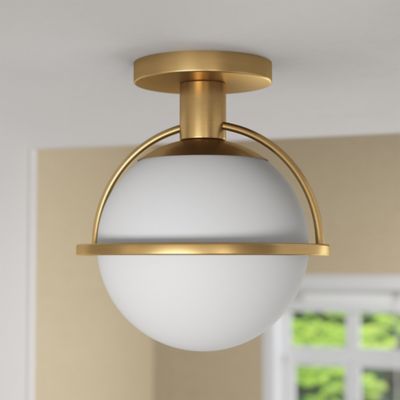
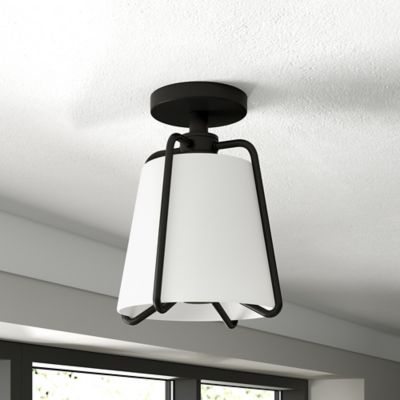
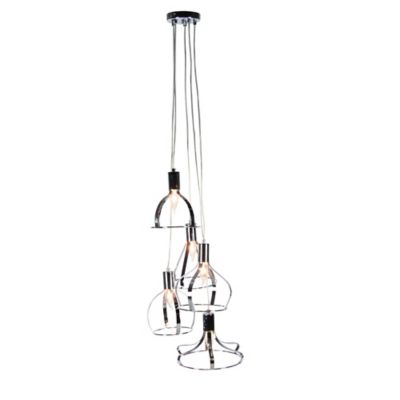
Black chandelier light fixtures bring bold contrast, overhead light, and a clear focal point to dining rooms, entryways, and living spaces. Their dark finish stands out against pale walls, painted ceilings, and natural wood without needing bright colors or elaborate trim. Unlike a single pendant, a chandelier typically spreads several light sources across arms, branches, or a wider frame, giving it a stronger presence over a table or beneath a tall ceiling. That makes scale and shape just as important as the finish. A broad, open frame can feel right at home over a long farmhouse table, while a round chandelier helps tie together a square dining nook or an entry with doors opening in several directions. Candle-style arms bring a traditional touch to rooms with plank flooring, exposed beams, or a stone fireplace. Straight lines and simple geometric frames lean more modern, especially alongside clean cabinetry and dark door hardware. Glass shades can soften the appearance of visible bulbs, while open designs leave the shape of each bulb in plain view. Clear glass keeps the light source noticeable; frosted or opal glass helps soften its brightness. Matte black tends to look understated, while satin or glossier finishes catch more of the surrounding light. The finish does not need to match every hinge and drawer pull in the house, either. Black works comfortably beside warm wood, brushed metal, and aged-looking brass when those materials repeat elsewhere in the room. In an open kitchen and dining area, related fixtures can give each space its own purpose without making the ceiling feel crowded.
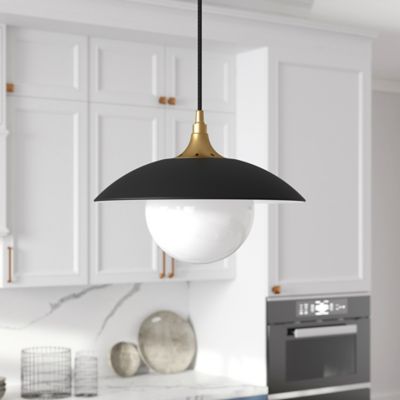
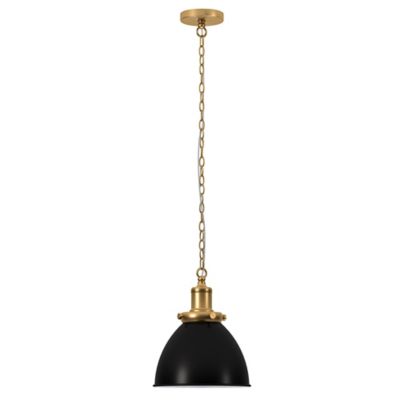
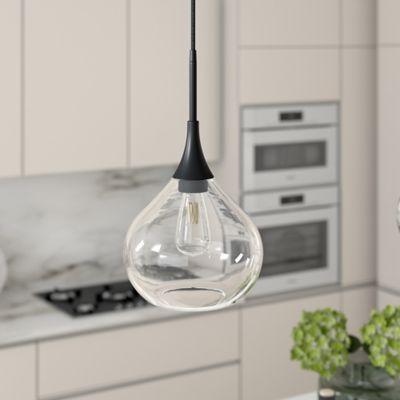
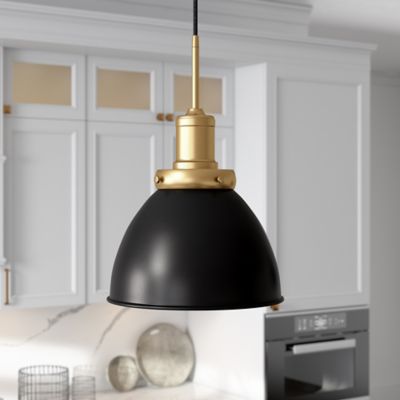
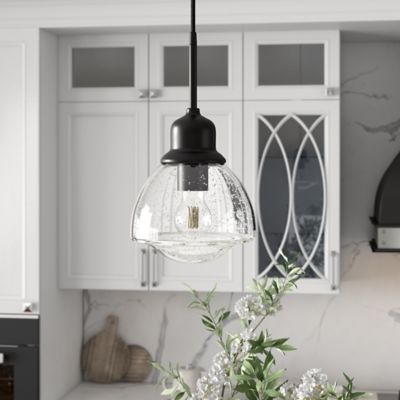
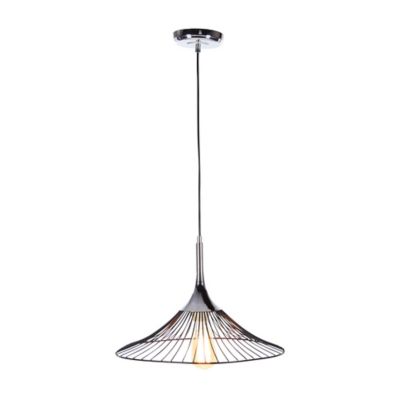
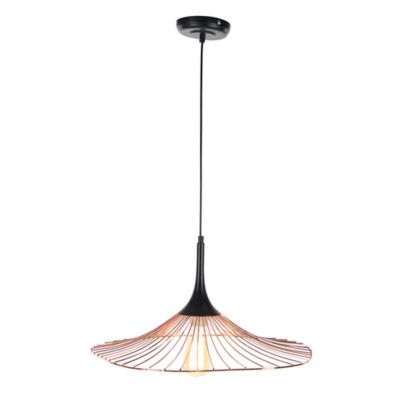
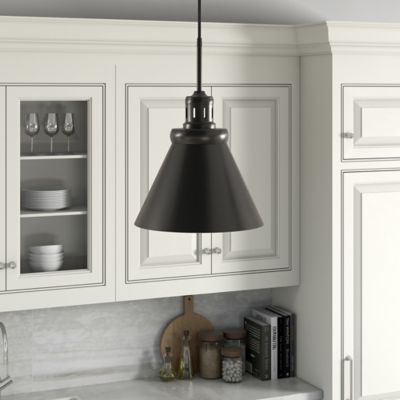
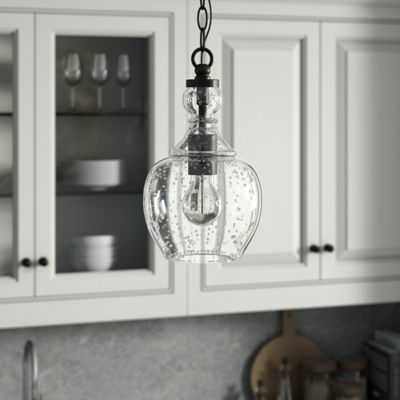
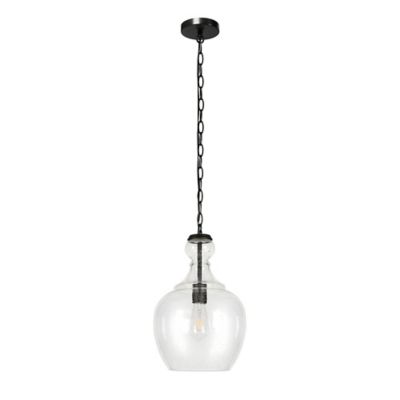
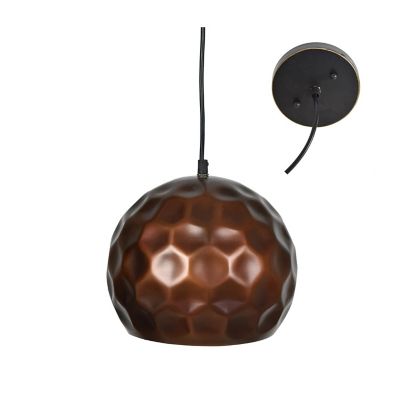
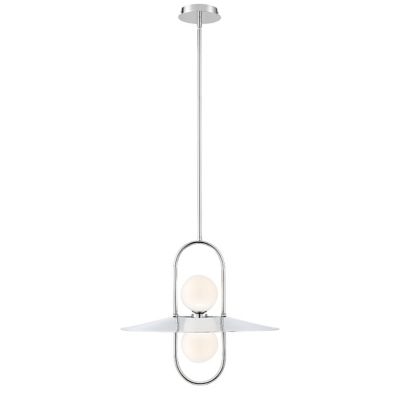
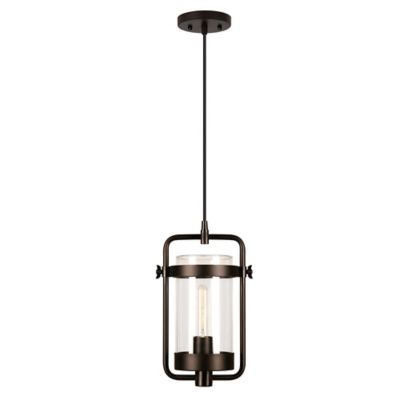
Industrial Black Pendant Lights can carry that dark metal look over a counter or sink while a chandelier anchors the nearby gathering space. The result can feel pulled together without every light having the same shape.
A chandelier needs enough room to make a statement without getting in the way of supper, conversation, or the walk from the front door to the kitchen. Above a dining table, a fixture roughly one-half to two-thirds the table’s width is a common starting point, with the table’s shape, nearby furniture, and room proportions helping determine the final fit. A long rectangular table often pairs well with an elongated frame that distributes light along its length. A round fixture can suit a round table, keeping the arrangement centered from every seat. With an 8-foot ceiling, the bottom of a dining chandelier often hangs about 30 to 36 inches above the tabletop, though the fixture’s design and the sightlines across the table may call for adjustments. Higher ceilings may allow more space above the table, but the light should still feel connected to the seating area below. In entryways and other walking paths, headroom takes priority, along with clearance for swinging doors and any applicable local requirements. Hanging length deserves a close look before installation: a chain, rod, or cable may offer adjustment, but its range and suitability for a sloped ceiling depend on the fixture. Light output matters just as much as measurements. Several exposed bulbs can feel bright at eye level, especially against a dark frame, so bulb brightness and shade design deserve attention together. Warm white light around 2700 to 3000 kelvins generally gives dining rooms and gathering spaces a comfortable feel. Lumens describe brightness, while the fixture’s wattage limit sets a boundary that bulbs must stay within. Compatible dimmable bulbs and a matching dimmer give the room more flexibility, from a well-lit table for paperwork to a softer setting for dinner. A chandelier can provide the room’s central light, but lamps, sconces, or task lighting may still be helpful at a reading chair, kitchen counter, or sideboard.
Materials, mounting, and upkeep all play a part in how a black chandelier fits everyday life. A black finish alone does not tell the whole story: steel, iron, and aluminum frames can differ considerably in weight, and glass shades or wood accents add their own handling and care needs. Powder-coated and painted surfaces also have different care requirements, so the finish instructions matter more than the color. Smooth arms and open frames generally have fewer places for dust to settle than closely spaced details, though exposed bulbs and clear glass make fingerprints easier to notice. For a busy household, that difference can matter when the fixture hangs over the table where meals, homework, and card games happen. Occasional dusting with a soft cloth helps keep dark surfaces looking even, and glass should be cleaned only by the method the manufacturer recommends. Power should be off and bulbs cool before cleaning; spraying cleaner directly onto sockets, wiring, or the frame can cause damage. Abrasive pads and harsh chemicals can scratch or dull a black finish. Installation deserves the same attention as appearance. The electrical box, mounting hardware, and ceiling support need to be rated for the fixture’s weight, and a qualified electrician can check the wiring, grounding, and mounting arrangement. A tall entry may look striking with a larger chandelier, but access for bulb changes and cleaning should be considered before it goes up. Location ratings matter, too. A fixture intended for a dry indoor room should not be assumed suitable for a covered porch or another area exposed to moisture. Shade attachment, bulb base, maximum bulb size, and replacement access are small details that affect day-to-day ownership. When the proportions, light output, and practical details line up, a black chandelier can feel just as fitting in a modest ranch dining room as it does beneath a high, beam-lined ceiling, bringing the gathering space into focus without overpowering it.