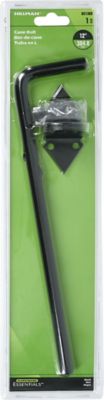
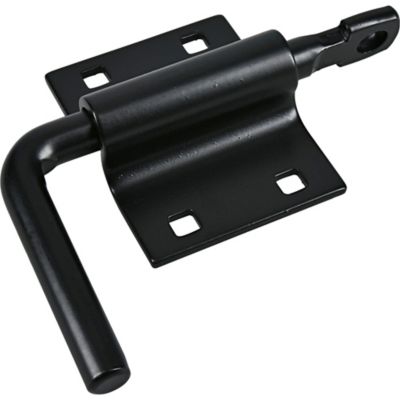
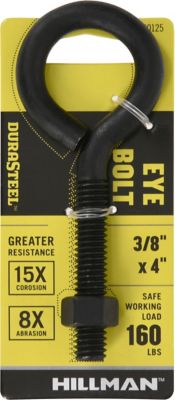
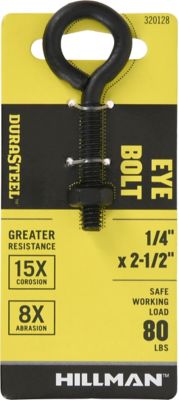
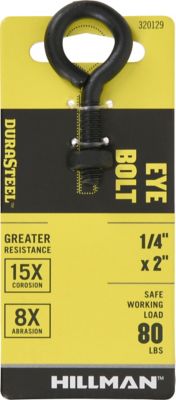
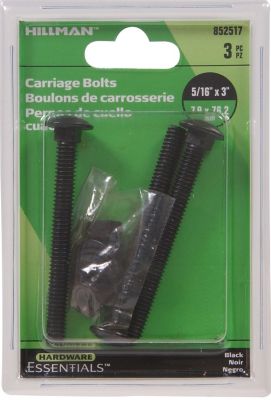
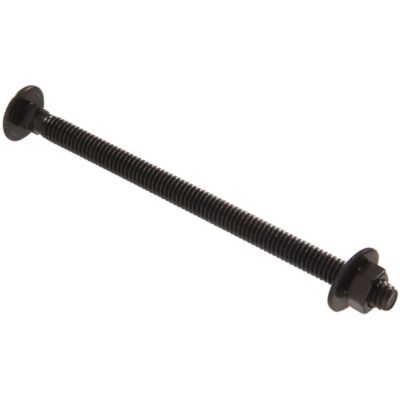
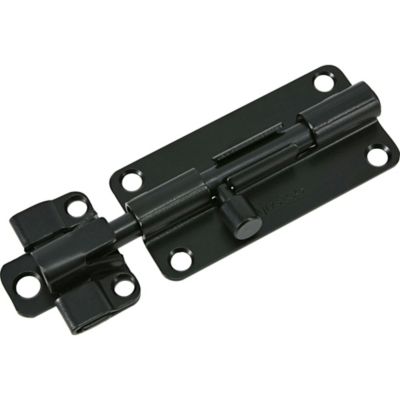
Black bolts are threaded hardware fasteners with a dark surface finish, commonly found in equipment repairs, machinery assemblies, shop projects, and applications where visible hardware should blend into darker surfaces. The black color may come from black oxide, phosphate treatment, or an applied coating, and each finish has its own purpose and care requirements. Color alone does not identify the metal, strength grade, or level of corrosion protection. A black bolt might be made from carbon steel, alloy steel, or stainless steel with a dark finish, so the material and specifications matter just as much as appearance. Carbon steel suits many general fastening jobs, while certain heat-treated alloy steels provide the strength required for more demanding connections. Stainless steel offers corrosion resistance through the metal itself, although its strength and compatibility still depend on the particular alloy and fastener specification. Around a farm or workshop, black bolts can make sense for machinery panels, equipment brackets, shop fixtures, and other assemblies that call for the appropriate dark-finished hardware. A dark bolt head can blend into a painted frame or keep a visible connection from standing out against black metal. That makes the finish useful for both working equipment and projects where the final appearance matters. Still, a matching color is only one part of the decision. A bolt securing a light cover and a bolt carrying force through a machinery bracket may look much alike while serving very different jobs. Farmers, mechanics, fabricators, and folks keeping a home workshop running all benefit from looking beyond the finish to the details that determine whether a fastener belongs in the connection. The best match brings together the specified material, dimensions, strength, and surface treatment, with a head style that suits the space and the tools needed to reach it.
Fit starts with diameter, length, and thread specification, not simply whether a bolt will pass through a hole. Inch and metric fasteners have separate sizing systems, and threads that look close can still be incompatible. Thread pitch describes the spacing between threads, while diameter establishes the size of the threaded body. Coarse and fine threads each have applications, but neither should be substituted for the other in an existing threaded hole or matching nut. For equipment repairs, the original fastener specifications are the starting point; a similar-looking bolt is not necessarily a suitable replacement. Length also deserves a close look. A bolt needs enough thread engagement for the design without bottoming out in a blind hole or leaving excess length where it can interfere with moving parts. Washers, brackets, spacers, and the thickness of the joined materials all affect that fit. Depending on the assembly, a partially threaded bolt may place a smooth shank through the joint, while a fully threaded design provides threads along more of its length. Those differences can matter when a connection carries shear forces or needs a particular grip length. Head shape matters, too. An exposed hex head provides access for a wrench or socket, while a recessed drive can suit tighter layouts when the specified design calls for it. Clearance around the head should leave room for both installation and later service. Strength markings and documented specifications help distinguish fasteners intended for different loads, but a dark finish is not evidence of any particular grade. Nuts, washers, and locking hardware need to suit the same assembly rather than merely match the color. Tightening requirements also depend on the fastener, joint design, coating, and lubrication condition. Extra force is not a substitute for the correct hardware, especially on steering, suspension, lifting, towing, or other safety-critical connections. In those applications, the equipment maker’s requirements take priority over appearance or convenience.
Surface protection is another important distinction among black bolts. Black oxide is a conversion finish that changes the steel’s surface and adds very little thickness. It offers limited corrosion protection on its own and commonly depends on an oil, wax, or other specified treatment to help protect the metal. That can make it a practical finish for suitable indoor machinery and maintained assemblies, but it should not be mistaken for a heavy protective coating. Applied black coatings may offer different resistance to moisture, chemicals, or abrasion, depending on their composition and the manufacturer’s specifications. Comparing black finishes with
Zinc Bolts involves more than choosing between dark and bright hardware. Zinc coatings can provide sacrificial corrosion protection to steel, while black oxide works differently. Some zinc-based finishes can also appear dark, so the finish description is more informative than color alone. Around wash areas, animal facilities, or equipment exposed to fertilizer residue, the surrounding conditions deserve attention because moisture and certain chemicals can be tough on metal connections. Contact between different metals can also affect corrosion behavior, making compatibility with the joined materials worth checking. Care generally centers on keeping fasteners clean, inspecting the finish, and following the equipment’s maintenance requirements. Dirt packed around a bolt head can hide corrosion or make tool engagement harder, while rounded drive surfaces can turn a straightforward repair into a long afternoon in the shop. A wiped-clean head and a properly fitting socket help preserve access for the next service job. Any protective oil or treatment needs to suit the assembly, since lubrication can change tightening requirements and may be inappropriate near certain components. Bolts with damaged threads, heavy corrosion, distortion, or other signs of deterioration deserve evaluation rather than another turn of the wrench. Keeping spare fasteners separated by diameter, pitch, length, and grade makes future repairs less of a guessing game. With the specifications matched to the job, black bolts bring a subdued finish to connections that still need to hold, fit, and remain serviceable.