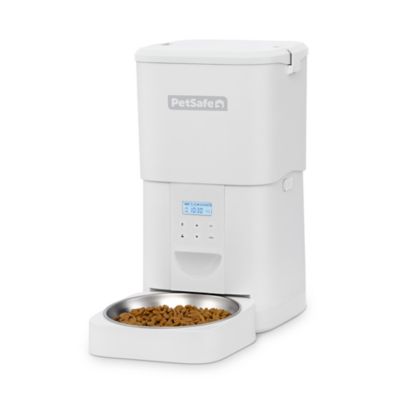
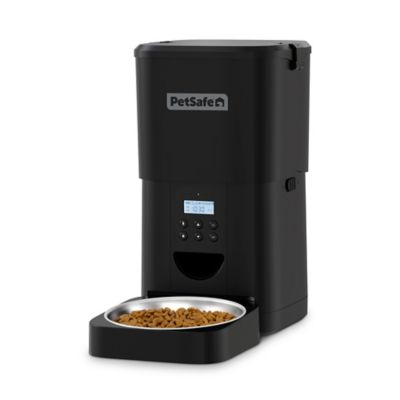
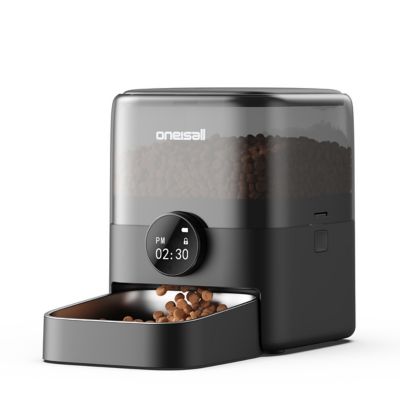
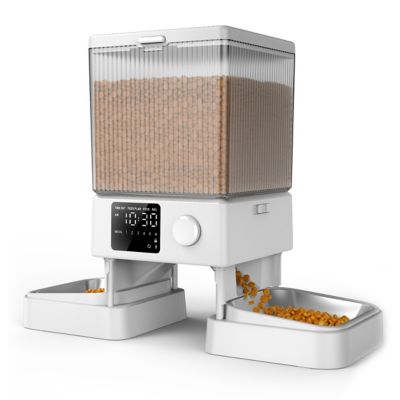
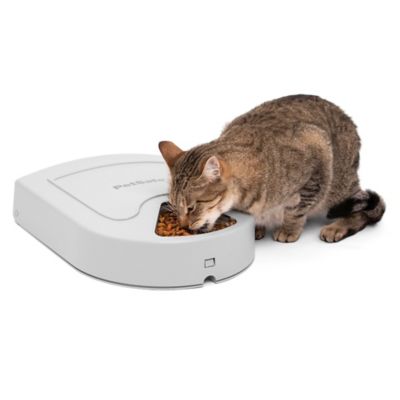
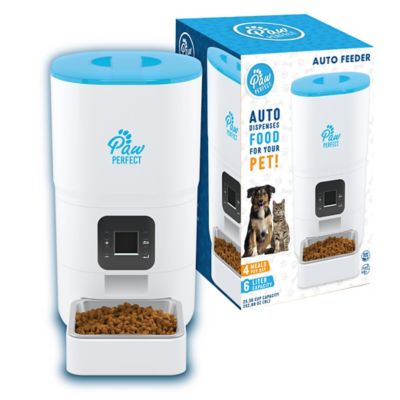
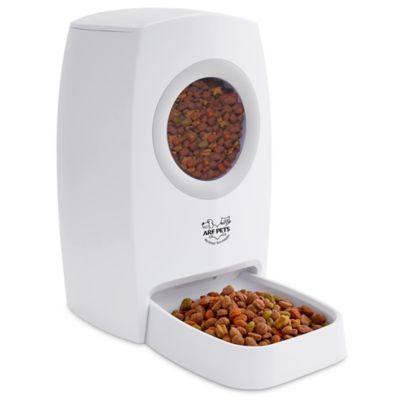
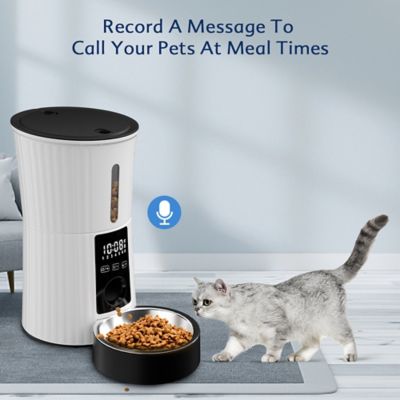
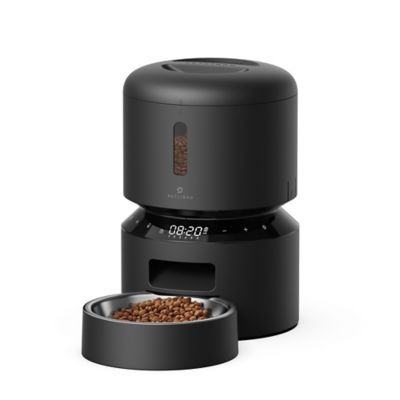
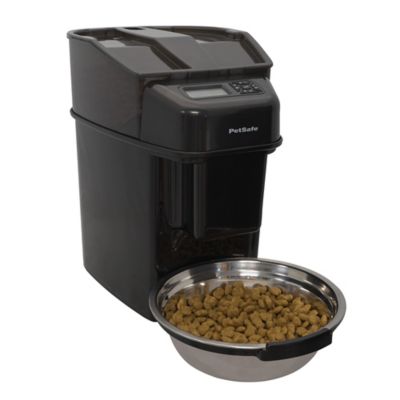
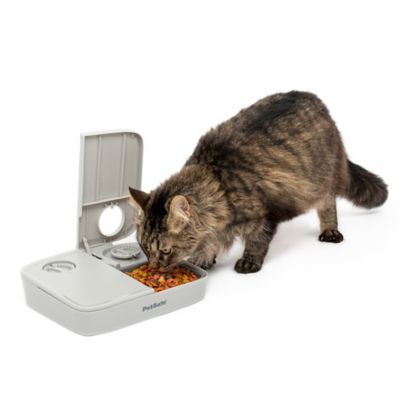
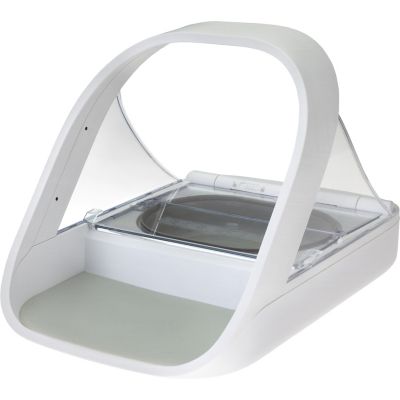
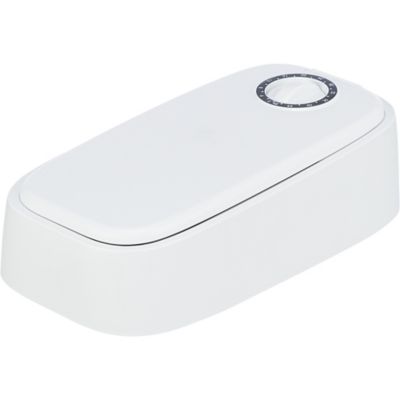
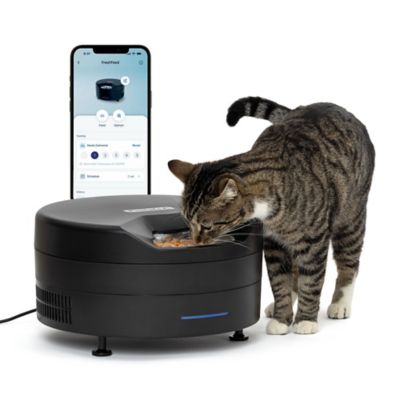
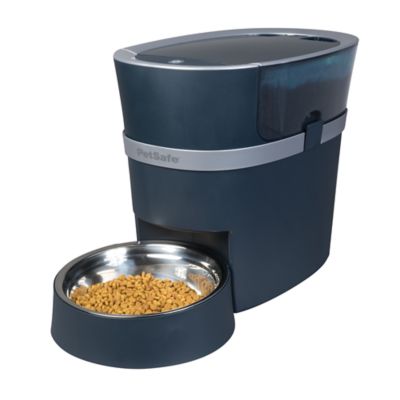
Automatic cat feeders without Wi-Fi deliver food without connecting to a home network or smartphone app. Depending on the design, they run on an onboard digital timer, a mechanical timer or gravity. That makes them a practical fit for households that want feeding controls right on the unit, whether the cat’s bowl sits in a farmhouse kitchen, a quiet hallway or a corner near the feed room. Digital timed feeders dispense measured servings according to a schedule entered with buttons and a display. Compartment feeders hold separate meals beneath a lid or rotating cover, opening access at the selected time. Some have a mechanical dial, while others have electronic controls. Gravity feeders work differently: food drops from a reservoir as the bowl empties, keeping kibble within reach rather than serving meals at scheduled times. That distinction matters for a cat that nibbles throughout the day versus one that would polish off every bite before the morning chores are finished. A timed dispenser can support a measured feeding routine, while a gravity feeder is meant for free-choice feeding when that approach suits the cat’s needs. Neither style needs a router, an account or a phone nearby to perform its basic feeding function. However, no Wi-Fi does not necessarily mean no electricity. Electronic feeders may require an outlet, batteries or a combination of both, while gravity designs need no power. Across these styles, the main differences are how food reaches the bowl, how much control there is over each serving and how often the container needs attention. Hopper capacity describes storage space, not the amount a cat should eat, and a larger reservoir does not make a feeder suitable for leaving a pet unattended for longer stretches. For folks balancing work, errands and animal chores, the appeal is straightforward: a feeding station that helps keep the cat’s meal routine steady without adding another connected device to the household.
Food compatibility, serving size and the shape of the feeding area all affect how well an automatic feeder fits daily life. Most hopper-style timed dispensers are intended for dry kibble, with limits on the size and shape of pieces that can pass through the mechanism. Large, irregular or especially oily pieces may not move through every dispenser the same way. A listed portion setting also does not always equal a familiar scoop measurement; the amount delivered can vary with kibble size and density. Comparing a dispensed serving with a kitchen scale helps connect the feeder’s settings to the cat’s daily food allowance, especially when a veterinarian has recommended a particular intake. Compartment-style feeders may accommodate dry or wet food when the manufacturer allows it, but enclosed trays and cooling packs do not remove the need to follow food-storage directions and safe serving times. Bowl materials deserve a close look, too. Stainless steel feeding bowls offer a smooth surface that is easy to wash, while food-contact plastic reservoirs keep the overall unit lighter and can make the food level easier to see when the walls are clear. Removable bowls, accessible chutes and containers with fewer hard-to-reach corners make regular cleanup less of a chore. Dishwasher care applies only to parts identified as dishwasher safe; the motor housing, controls and battery compartment need care according to the manufacturer’s directions. Scratched plastic, cracked lids and damaged seals call for attention because they can interfere with cleaning or operation. Fit goes beyond the feeder’s footprint. A broad, shallow bowl can give a cat room to eat without crowding its face, and a steady base helps keep an eager paw from shifting the whole station across the floor. There should also be enough room to lift the lid, refill the hopper and remove the bowl without wrestling the feeder out from under a shelf. A dry indoor spot away from splashing water and heavy foot traffic gives the feeding station a sensible place in the home.
Everyday convenience comes down to controls that are easy to read, parts that are easy to reach and a feeding pattern that suits the cat. An onboard display can make meal times and settings visible at a glance, while a button lock or secured lid, when included, helps limit accidental changes and food raids. Cats that investigate everything with their paws may need a feeder with a firmly fastened hopper and a stable shape rather than an exposed tray they can nudge open. In homes with more than one cat, a shared dispenser does not guarantee that each animal gets its intended serving. Separate feeding locations or supervised meals may still be necessary when one cat eats quickly, guards the bowl or follows a different diet. Timed dispensing can help spread a daily allowance into smaller meals, but the schedule should still match each animal’s feeding plan. Power arrangements matter just as much as meal settings. Battery backup can help maintain operation during an interruption if the feeder supports it, though the functions that remain active vary by design. Accessible battery compartments, clear power indicators and a cord that can be routed away from chewing make routine checks easier. A feeder with local controls generally will not send a phone alert when food runs low or a serving fails to drop, so checking the reservoir, bowl and dispensing path remains part of daily pet care. Households that want remote scheduling or connected notifications can also consider
App-Controlled Pet Feeders, with those features depending on the model and its connection requirements. For an app-free setup, the strength is a simple, hands-on routine: fill the container, confirm the settings and keep the feeding area clean. Automatic feeding supports that routine; it does not replace fresh water, litter care, daily attention or an in-person caregiver when the household is away. The right match keeps meals manageable while leaving the cat’s care firmly in human hands.