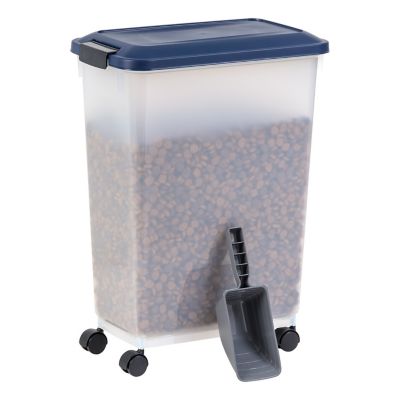
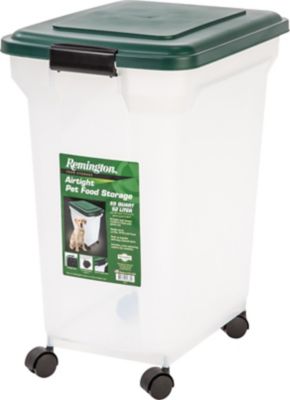
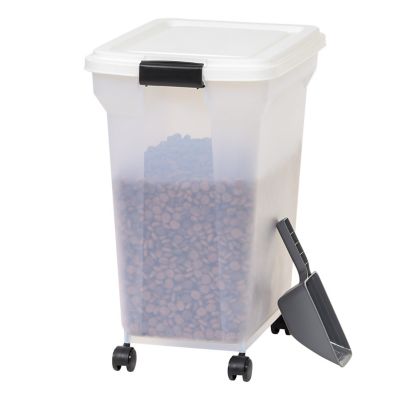
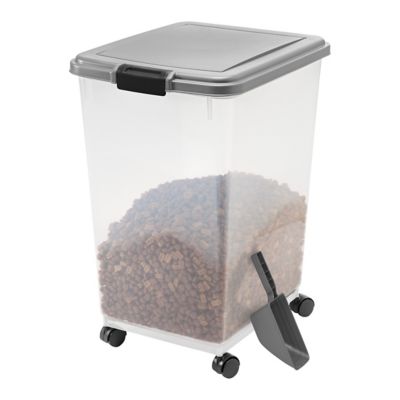
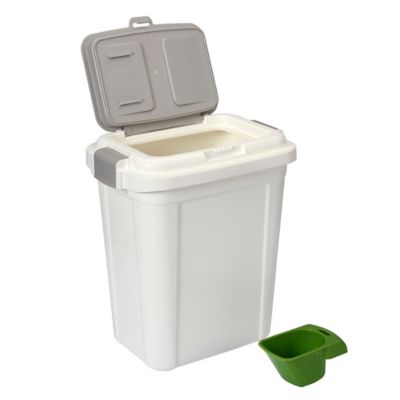
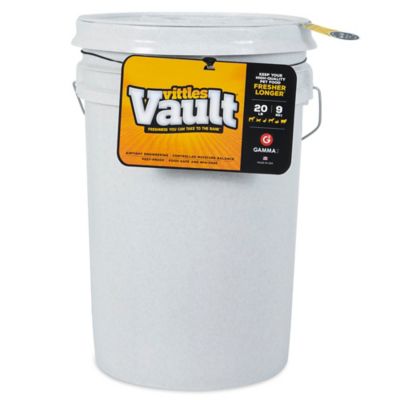
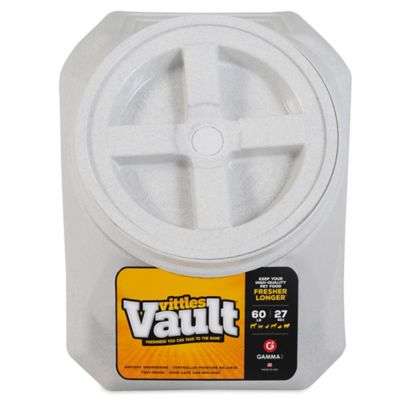
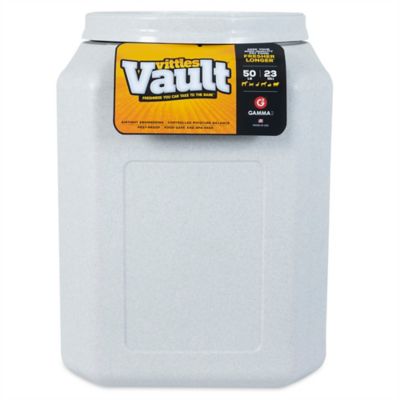
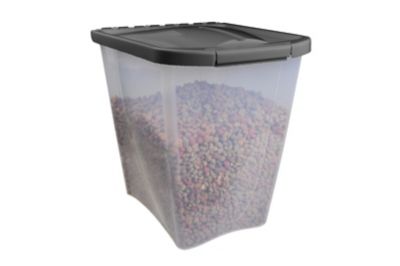
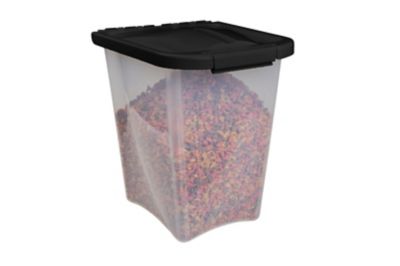
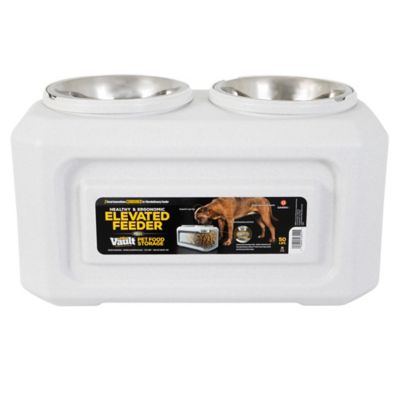
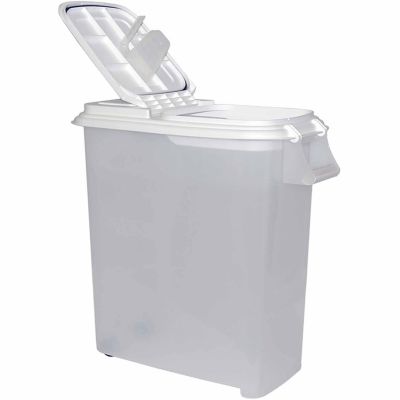
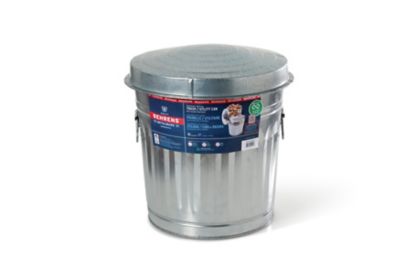
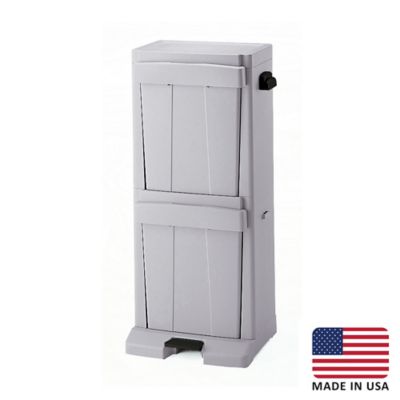
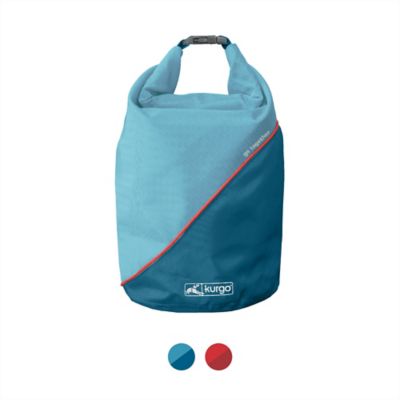
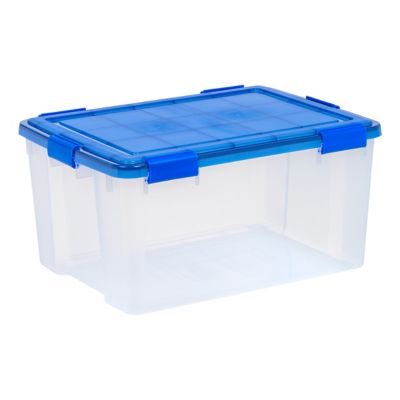
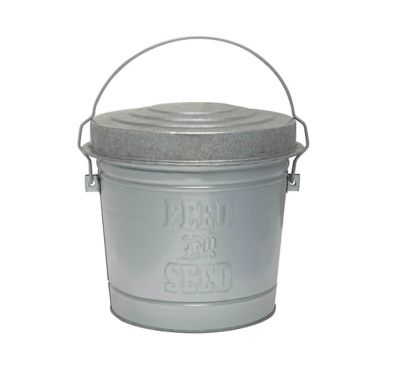
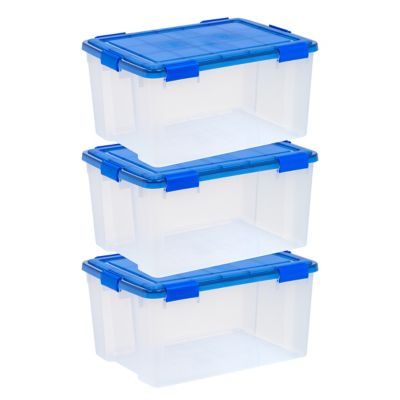
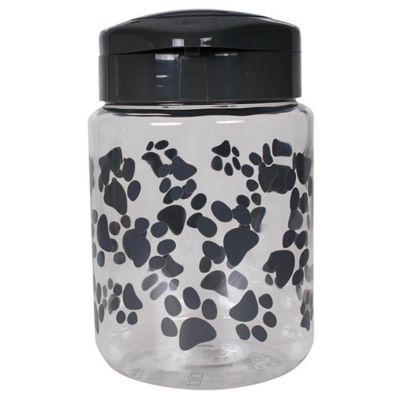
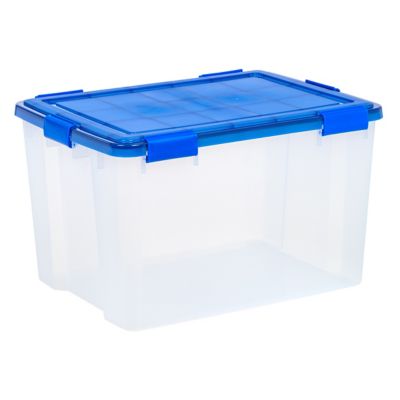
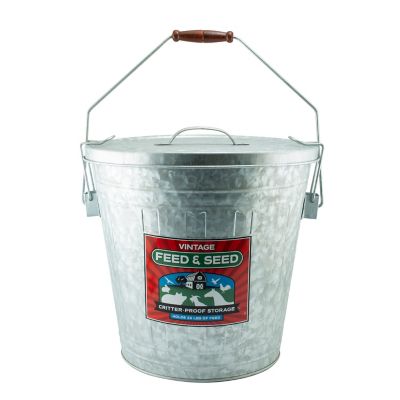
Airtight dog food storage bins hold dry kibble behind a sealed lid, helping limit exposure to air, moisture, and pests between meals. That makes them a practical addition to a pantry, utility room, or dedicated feeding area, especially when an open bag tends to slump over or scatter kibble across the floor. The seal is the key feature: a gasket, threaded closure, or latching lid needs to make even contact around the opening to help keep outside air from moving freely through the container. Airtight does not mean vacuum sealed, and a storage bin cannot make dog food stay fresh indefinitely or restore food that has already spoiled. It does, however, provide another layer of protection around the food’s original packaging and keep everyday feeding supplies together. Food-grade plastic is a lighter option for moving between a storage shelf and the dog’s bowl, while stainless steel offers a smooth surface that can be straightforward to wipe clean. For any material, the surfaces touching the food should be intended for food storage. Sturdy walls, a well-supported base, and hinges that do not twist under normal handling all matter when a bin gets opened once or twice a day. A wide opening leaves room for a scoop without scraping knuckles against the rim, while a smaller access lid can be handy when the main lid stays in place. Smooth corners and accessible gasket channels also make a difference when cleaning time comes around. Clear walls or a viewing window can make the remaining food easier to see, though an opaque container helps shield the contents from light. Neither takes the place of proper storage or attention to the food’s best-by date. A snug lid can discourage insects and curious noses, but airtight construction alone does not make a bin rodent-proof or able to withstand a determined dog. Keeping the container in a secure indoor spot remains part of protecting the food.
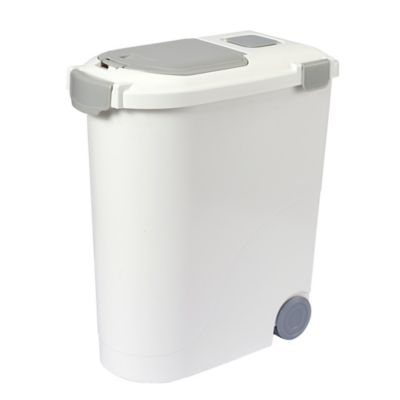
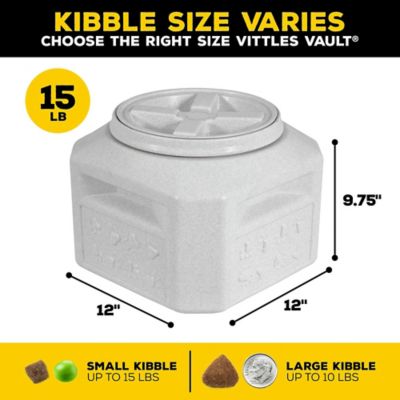
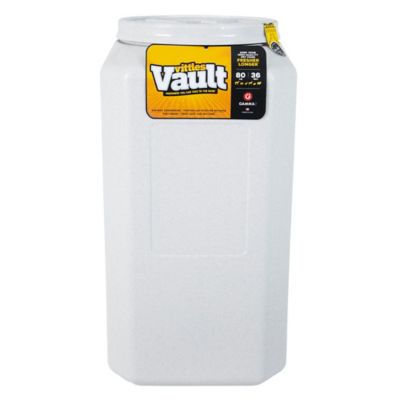
The right fit depends on both the food bag and the place where the bin will sit. Capacity listed in pounds is a general reference rather than an exact promise, because small, tightly packed kibble and larger pieces take up different amounts of space. A container that holds loose food may not comfortably hold the same amount inside its original bag, particularly when the top needs room to fold closed. Interior dimensions, the width of the opening, and clearance beneath the lid are useful details for households that keep the bag intact. Keeping dry dog food in its original bag inside an airtight bin retains packaging designed to protect the food and keeps feeding directions, lot numbers, and the best-by date close at hand. Those details are especially helpful if there is a recall or a question about a particular bag. The bag should fit without blocking the gasket or preventing the lid from closing fully. Outside dimensions matter just as much: a tall container may tuck beside a cabinet but need more overhead room than expected when its lid swings open. A low, wide bin may fit beneath a shelf yet take up more floor space along a narrow walkway. Wheeled bases can ease the trip from a storage nook to the feeding station, while secure handles help with smaller containers that move more often. A full bin can be heavy, so lifting points and the intended carrying weight deserve attention. For homes with several dogs, separate containers can help keep puppy food, adult food, and veterinary diets from getting mixed together. Clear identification on the outside makes feeding time simpler when more than one person handles the chores. A compact bin may suit a small dog that works slowly through a bag, while a larger household may need room for a bigger bag without sacrificing access to the scoop.
Everyday care helps an airtight dog food bin keep doing its job. Crumbs trapped along the rim can interrupt the seal, and food oils left on interior surfaces can turn rancid and affect the next bag. An empty container offers a chance to check the lid, wipe away residue, and look for cracks, loose hinges, or a gasket that no longer sits properly. Washing and drying should follow the container maker’s directions; warm, soapy water is suitable for many washable bins, but dishwasher compatibility varies. Complete drying matters before the food bag goes back inside, since trapped moisture works against the point of sealed storage. Pouring fresh kibble on top of older food makes it harder to track how long the bottom layer has been there and leaves residue in place. Finishing one bag before opening the next keeps the feeding routine simpler. If food goes directly into the container, holding onto the empty package preserves the lot information and feeding directions. A clean, dry scoop helps with portioning, and its handle should stay easy to reach rather than disappearing beneath the kibble. A storage scoop is not always a measured feeding cup, so portion sizes still need to match the food label and any guidance from the dog’s veterinarian. Separate
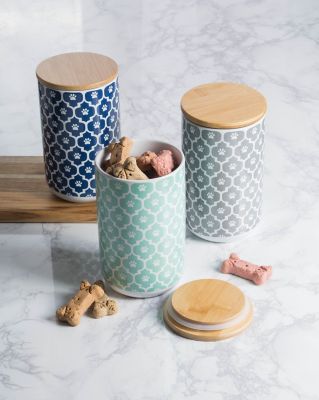
airtight containers for dog treats can keep biscuits and training rewards organized without mixing them into the daily food supply. A dry indoor location away from cleaning products, pesticides, and direct sunlight gives both food and treats a sensible home. For the person feeding a farm dog before morning chores, a family sharing bowl duty, or someone settling in with a first puppy, the best-fitting storage setup is one that closes properly and stays easy to clean. A bin with enough room for the bag, a manageable lid, and a clear place in the feeding area can make that everyday routine a little less messy.