Accessories for kayaking cover the practical details that make a boat easier to carry, organize, paddle, and enjoy, from safety equipment and dry storage to seating support and fishing attachments. The right setup depends on the kayak’s design and the kind of outing ahead. A short paddle around a farm pond calls for a different arrangement than a full day exploring a lake shoreline or fishing a broad, slow-moving river. Sit-inside kayaks have cockpit openings and enclosed storage spaces to account for, while sit-on-top models often have open deck space, drainage holes, and mounting points. Matching accessories to those features helps keep equipment secure without crowding the paddler. Safety starts with a properly fitted, U.S. Coast Guard–approved life jacket suited to the activity and wearer. Paddling styles generally allow room around the shoulders for a full stroke, and adjustable straps help keep the jacket from riding up. Children need sizing based on the manufacturer’s weight range and fit instructions rather than room to grow. Signaling equipment, communication protection, and lighting also deserve space in the setup, with requirements varying by waterway and operating conditions. Bright colors can help a kayak stand out, but they do not replace required navigation lights. For sit-inside boats, bilge pumps and sponges address different amounts of water: a pump removes pooled water, while a sponge picks up what remains along the bottom. Properly fitted flotation bags occupy open hull space and can help limit how much water a flooded kayak holds, though they do not replace a life jacket or rescue skills. Deck storage should leave essential equipment within reach without blocking an exit from the cockpit. Waterproof storage for a phone can help protect communication equipment, but protection depends on the closure, condition, and stated water-resistance rating. For more on equipment that supports a prepared outing, explore
Kayak Safety Gear.
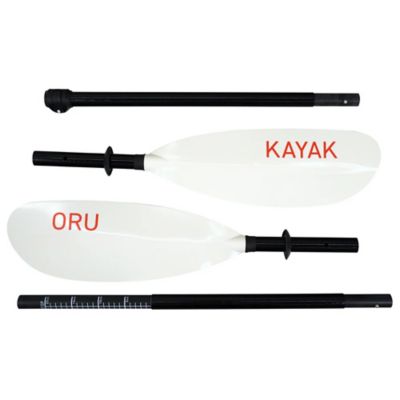
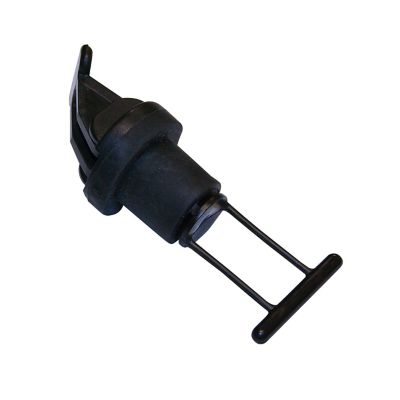
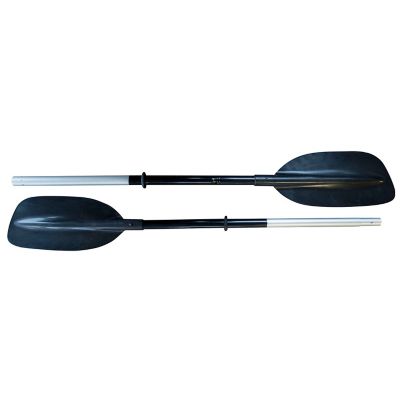
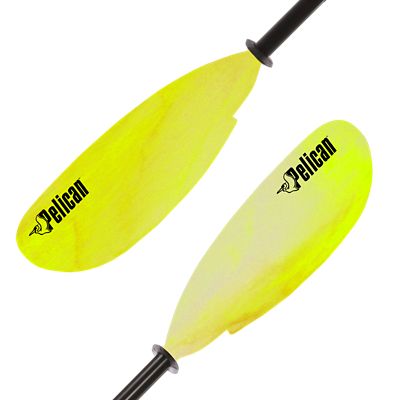
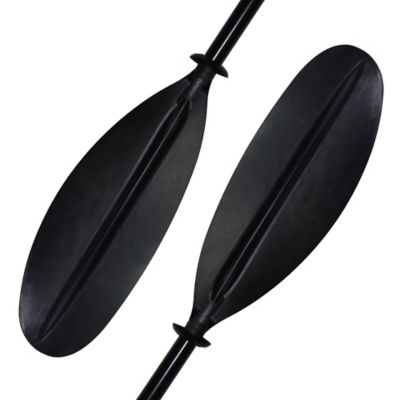
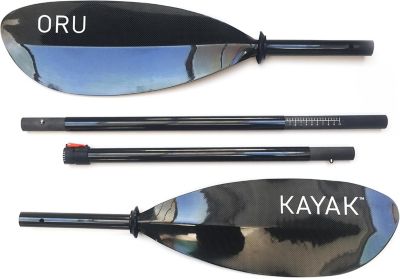
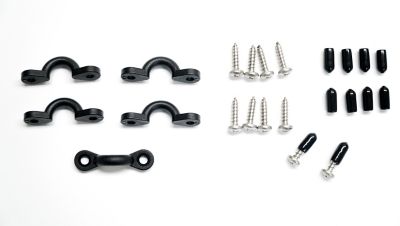
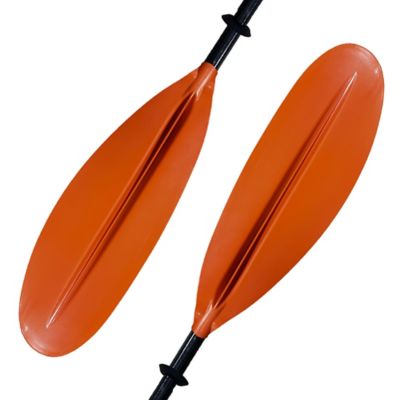
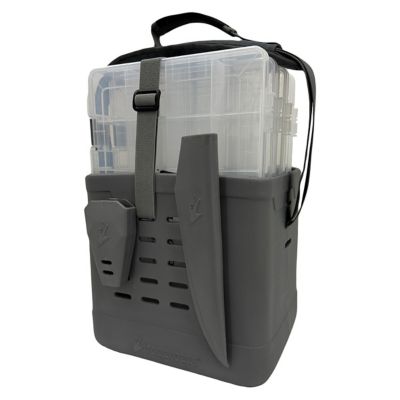
Comfort and organization matter once the shoreline starts slipping behind the boat. Kayak seating accessories vary in thickness, support, attachment style, and how much water the material absorbs. Closed-cell foam offers cushioning without soaking up water readily, while supportive seat backs can help maintain a comfortable paddling position when they match the boat’s seating system. A cushion that sits too high can change balance or interfere with the fit of a sit-inside cockpit, so dimensions matter as much as softness. Foot support also plays a part in comfort and boat control, especially on longer outings where a steady seated position helps each paddle stroke feel more natural. Paddle selection depends on the paddler’s height, kayak width, and stroke style; shaft weight and grip shape can affect how the paddle feels over several hours. Attachment accessories need the same attention to fit. Paddle clips offer a resting place during a pause, while any tether introduces an entanglement concern that deserves particular care around moving water. Dry bags, deck bags, and storage containers help separate food, spare clothing, and small essentials. Coated nylon and polyester are common in flexible storage, with seams and closures playing a big role in keeping water out. Water-resistant fabric alone does not make a bag suitable for submersion. Several smaller bags can make equipment easier to sort and distribute than one oversized bundle, especially when weight stays low and balanced. A securely attached bag is less likely to slide out of reach when the boat tilts. Fishing accessories add another layer of organization, with rod supports and tackle storage keeping equipment from collecting around the paddler’s feet. Mounting compatibility matters here: track systems, clamps, and fixed attachment points are not interchangeable. Anchoring equipment also requires care because a tethered kayak can become unstable in moving water. A clear deck, secure attachments, and room to paddle and exit remain more important than filling every mounting point.
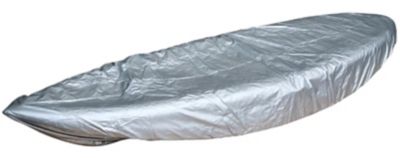
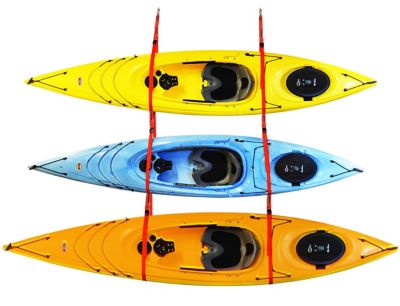
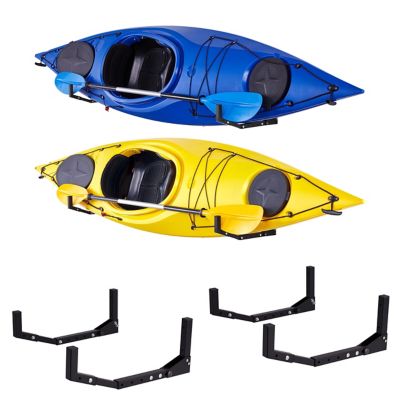
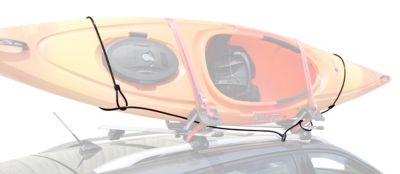
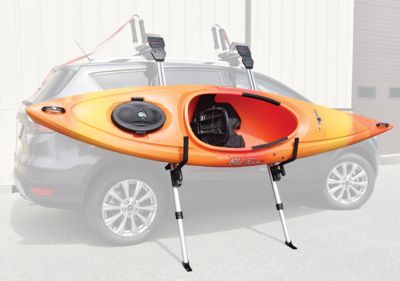
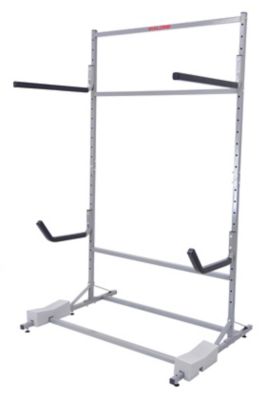
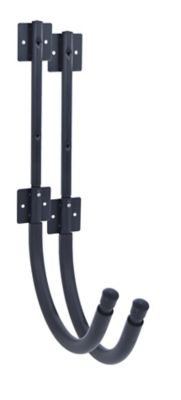
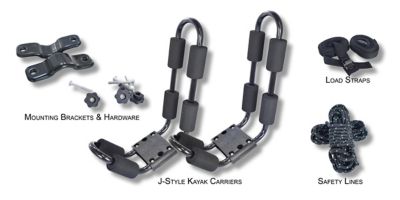
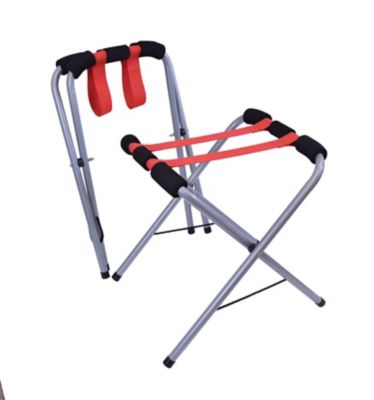
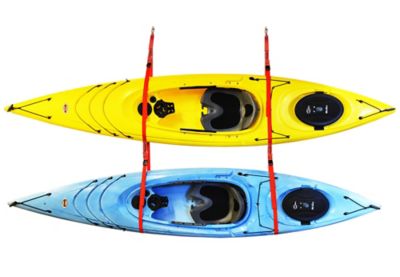
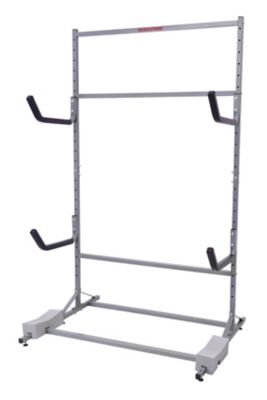
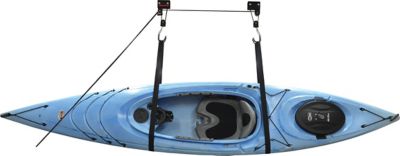
Getting a kayak from the truck to the water can take nearly as much thought as arranging the cockpit, particularly where the launch sits down a gravel path or beyond a grassy bank. Kayak transport accessories help manage that distance, but fit and load ratings need to match the hull and everything riding inside it. Cart frames should support the boat at suitable contact points, with padding that limits rubbing and straps that keep the hull from shifting. Wider wheels generally travel over soft ground more easily than narrow wheels, while wheel material and tread affect performance on pavement, gravel, and uneven paths. Carts that fit through drainage holes require approval for that kayak’s design, since an unsuitable fit can put stress on the hull. Vehicle transport brings its own considerations, including rack compatibility, support spacing, and the vehicle and rack manufacturers’ load limits. Properly tensioned straps secure the boat without crushing it, and bow and stern lines may be part of the recommended arrangement. Storage accessories serve a similar purpose back at the house, shed, or barn: supporting the hull where the kayak manufacturer recommends helps prevent distortion over time. Protective covers need a good fit and secure fastening, with ventilation and drainage considered so moisture does not stay trapped against the boat. Materials throughout the setup benefit from straightforward care. Fresh-water rinsing helps remove salt, sand, and grit from buckles, wheels, clips, and moving parts. Mild soap, thorough drying, and storage away from prolonged ultraviolet exposure can help fabrics, foam, and attachment points hold up longer. Corrosion-resistant hardware is useful around water, though it still needs inspection and cleaning. Frayed webbing, cracked buckles, loose fasteners, and damaged closures are signs that equipment needs attention before another outing. For a paddler receiving a gift, knowing the kayak model, available mounting space, and preferred activity makes a practical difference. Someone who fishes backwater coves may value organization most, while a recreational paddler may appreciate easier carrying or a better-fitting seat. Accessories earn their place when they solve a real problem without adding unnecessary clutter.