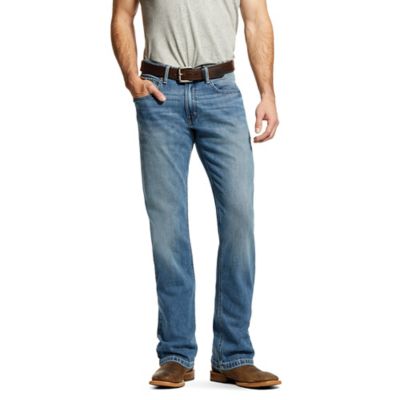
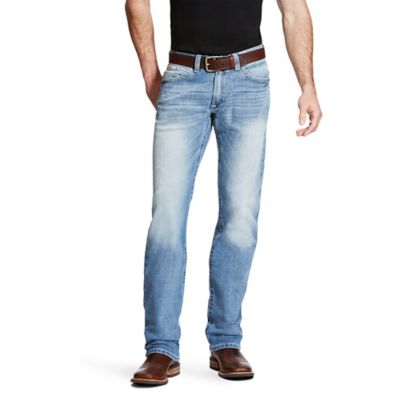
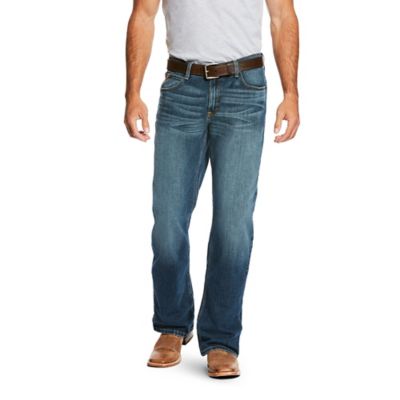
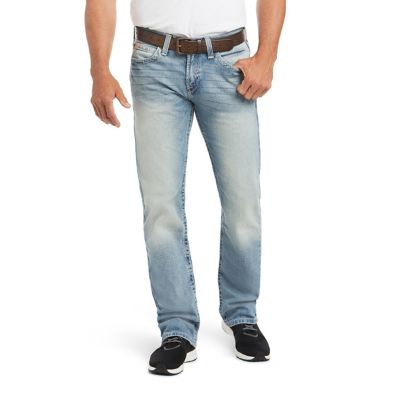
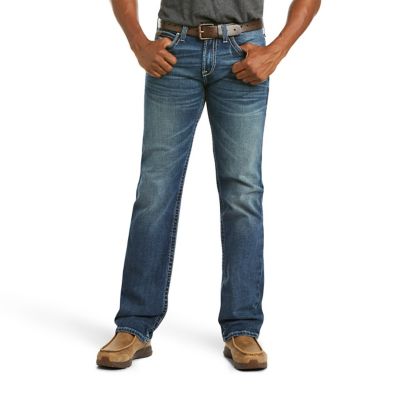
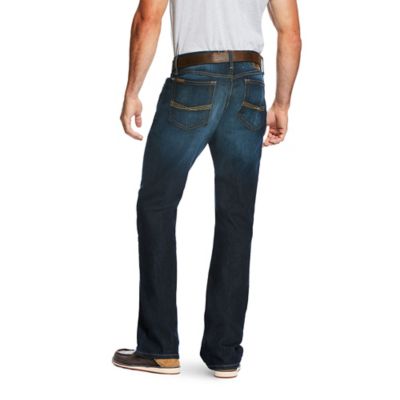
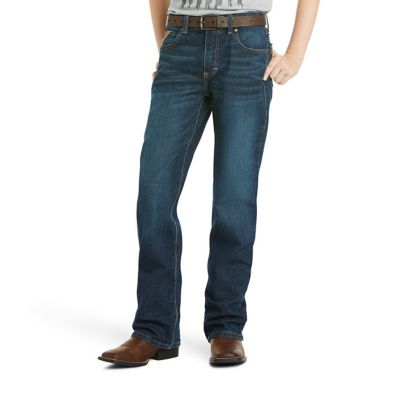
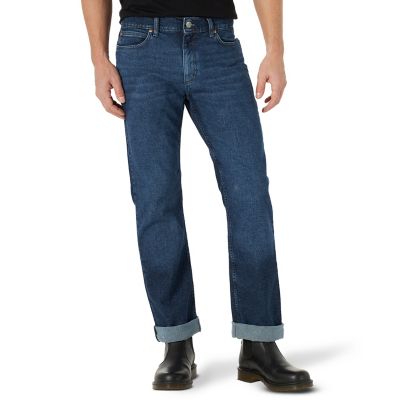
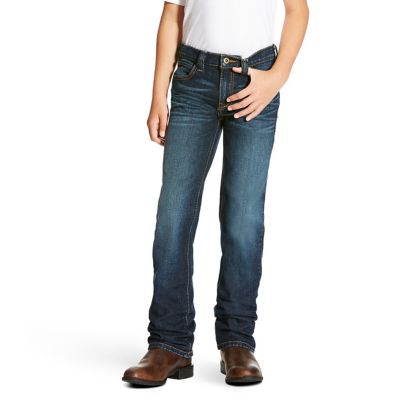
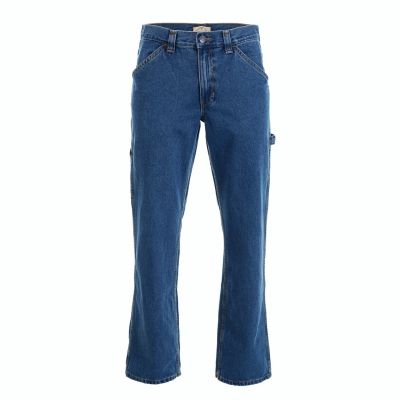
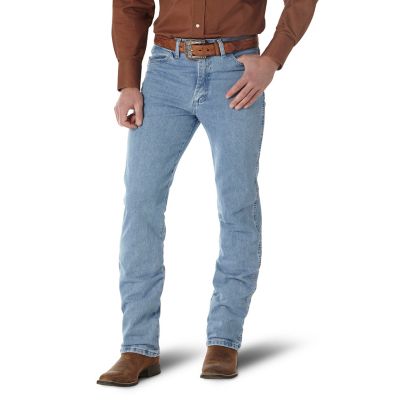
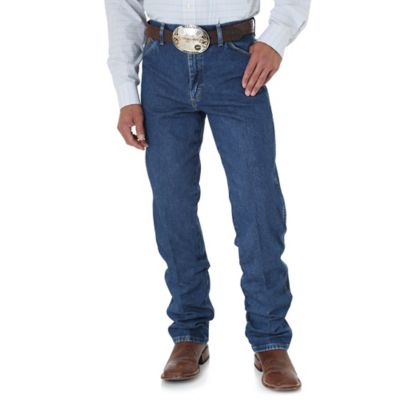
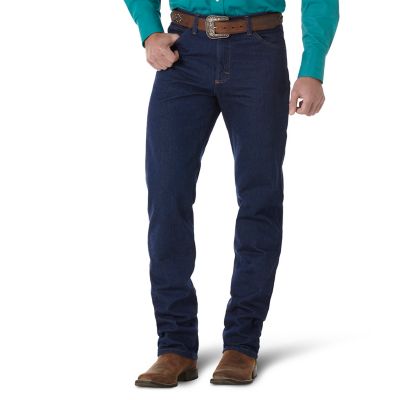
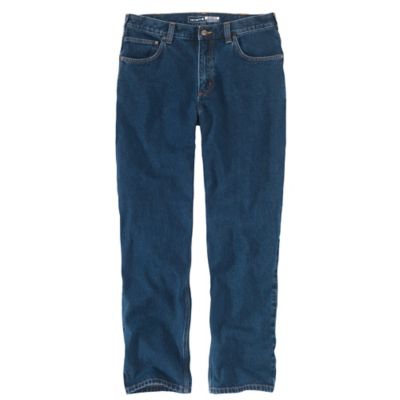
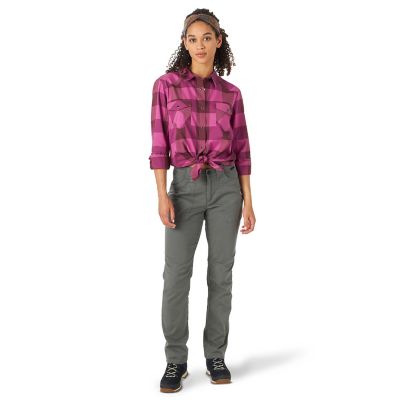
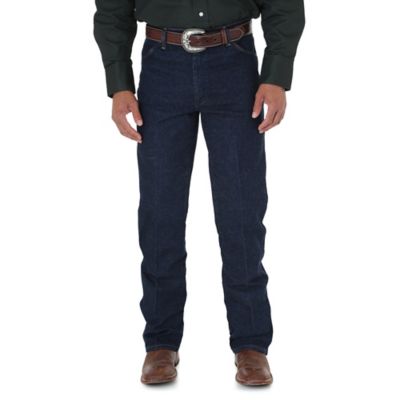
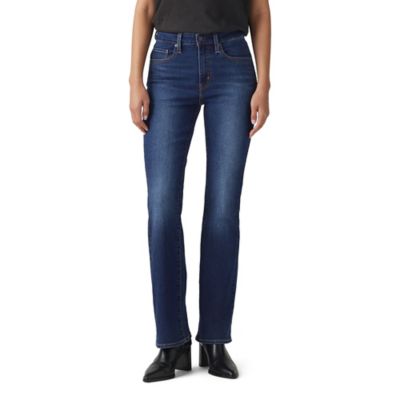
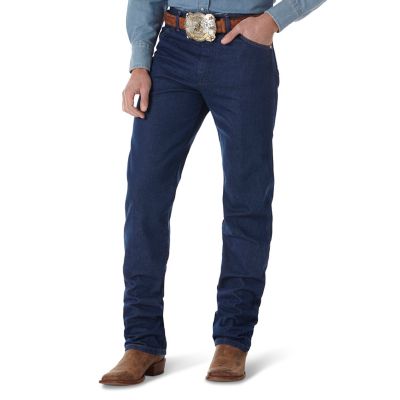
Jeans made with 99% cotton and 1% spandex combine the familiar texture and structure of cotton denim with a small amount of stretch for everyday movement. Spandex, also called elastane, gives the fabric a little flex while the high cotton content keeps the feel closer to traditional denim than to highly stretchy pants. That balance suits folks who like jeans with some body but appreciate a little give when bending to latch a gate, stepping into a pickup, or settling into a chair after chores. The percentage describes the fiber blend, not the thickness, softness, or amount of stretch you can expect from every pair. Yarn, weave, fabric weight, and finishing also affect how jeans feel and move. A lighter denim may feel easier to bend in from the start, while a heavier fabric can have a firmer hand and a more substantial feel. Cotton denim often softens with wear, and the fabric may relax around the waist, seat, and knees between washes. The spandex contributes stretch and recovery, but 1% spandex does not mean every pair will stretch the same amount or return to shape in exactly the same way. For shoppers comparing 99% cotton, 1% spandex jeans, the blend is a useful starting point rather than the whole story. Construction matters, too: even stitching, well-secured pockets, and reinforcement at stress points help jeans stand up to repeated pulling and movement. Pocket edges, inner thighs, knees, and hems tend to show friction first, especially when the same pair handles long days of walking, kneeling, or getting in and out of equipment. A little stretch can make those movements more comfortable, but it does not make denim tear-proof or turn everyday jeans into protective work clothing. These are cotton-rich jeans with a touch of flexibility, suited to everyday wear, casual outfits, and chores where denim is appropriate.
Fit makes as much difference as fabric content, particularly in jeans with only a small percentage of spandex. The waistband should sit comfortably without digging in when seated, and the seat and thighs need enough room for a full stride or a squat. A pair that feels tight across the hips is unlikely to become the right fit simply because the label lists stretch. Straight-leg cuts offer a familiar line from knee to hem, relaxed fits leave more room through the seat and thigh, and slim fits sit closer to the body without necessarily fitting the same way across different cuts. Bootcut legs give footwear more room at the opening, while tapered legs narrow toward the ankle. The best match depends on both your build and what you wear on your feet. Work boots, riding boots, and everyday shoes can each change where a hem lands, so inseam length deserves a close look. Extra fabric dragging under a heel wears down quickly and can get in the way; a hem that clears the ground helps keep the edge from fraying. Rise is another useful detail. A higher rise may provide more coverage when bending, while a mid-rise can feel familiar for daily wear. Belt loops, a button closure, and pocket placement affect comfort in practical ways, especially if you carry keys or spend time seated. A phone in a back pocket can press against the seat, and shallow front pockets may be less convenient when climbing steps or crouching. Jeans in this blend can fit into a day that runs from feeding animals to a trip into town, with a T-shirt, flannel shirt, or button-down depending on the occasion. For a broader look at cotton-rich bottoms with a little stretch, explore
Womens Cotton Spandex Pants. Whether the preference is a close fit or extra room, measurements and the shape of the cut tell more than a size number alone. Checking waist, hip, and inseam measurements against the sizing information helps narrow the choice.
Care plays a big part in how 99% cotton, 1% spandex jeans hold their color, shape, and feel over time. The care label comes first because dyes, finishes, and construction can call for different treatment even when the fiber percentages match. When the label permits, washing inside out in cold water with similar colors helps limit surface abrasion and color transfer. Dark denim can release dye, particularly in early washes, so keeping it separate from light clothing helps prevent unwanted staining. Empty pockets and fasten the closure before washing to keep small objects from rattling around and reduce snagging. Mud from the barn lot and grease from a project need different attention: loose, dry dirt can often be brushed away first, while an oily spot may need a fabric-safe stain treatment before the wash. Follow the treatment directions and check the spot before drying, since dryer heat can make some stains harder to remove. High heat can also contribute to cotton shrinkage and damage stretch fibers over time. Air drying or a lower dryer setting, when allowed by the care label, is a gentler approach than trying to force a loose pair smaller with a hot cycle. Washing when the jeans need it, rather than automatically after every short wear, can help reduce fading and unnecessary fabric friction. Small snags and thinning spots are worth addressing early, before a worn pocket corner or split seam becomes a bigger repair. For someone who spends plenty of time in jeans, this cotton-rich blend can also make a practical gift, provided the fit details are known. A familiar waist size, preferred rise, usual inseam, and favored leg opening are more helpful than guessing from appearance. Someone who wears boots all day may want a different hem opening than someone who mostly wears sneakers. Those everyday preferences help turn a basic fiber blend into a pair of jeans that feels at home in the recipient’s routine, from a morning feed run to supper with friends.