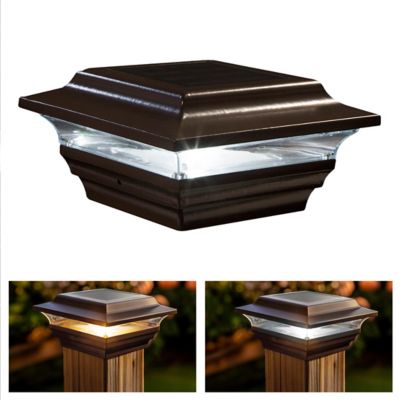
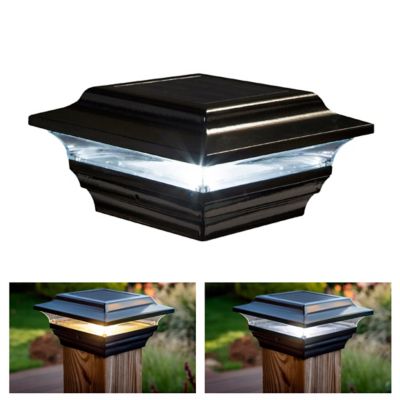
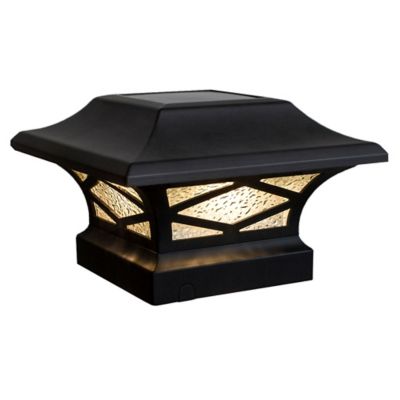
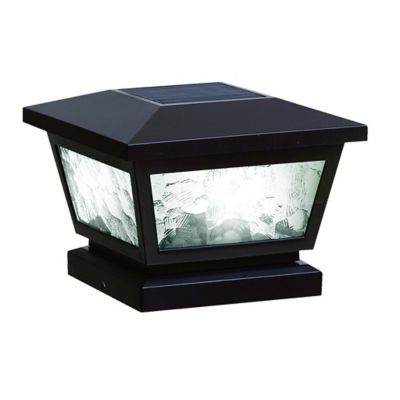
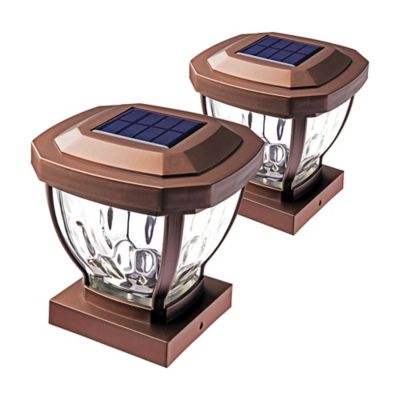
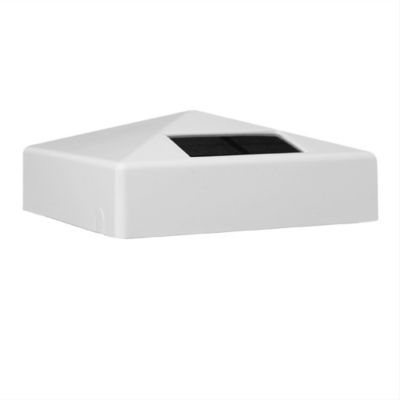
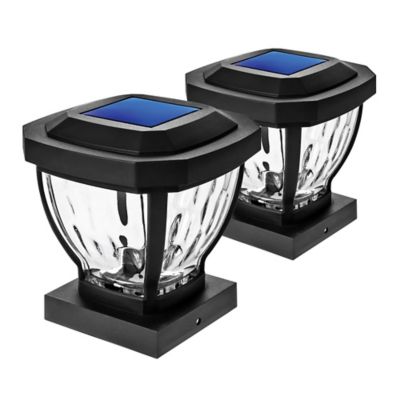
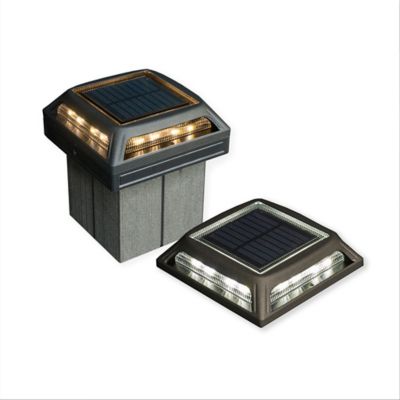
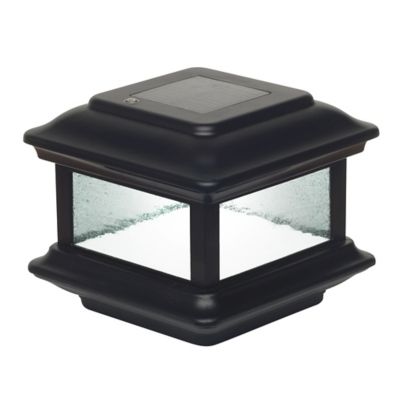
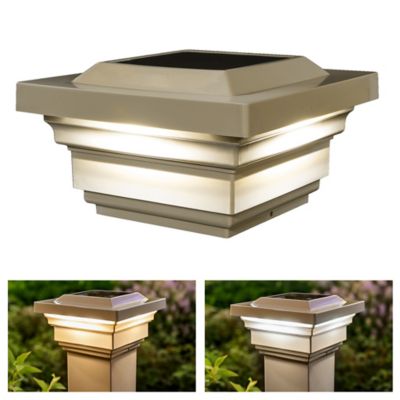
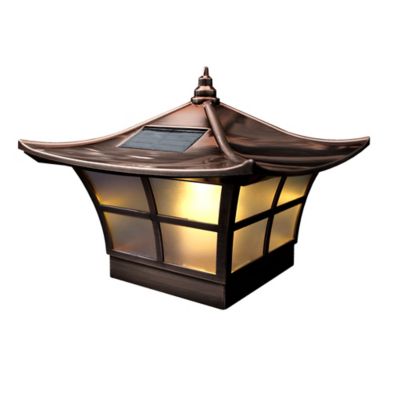
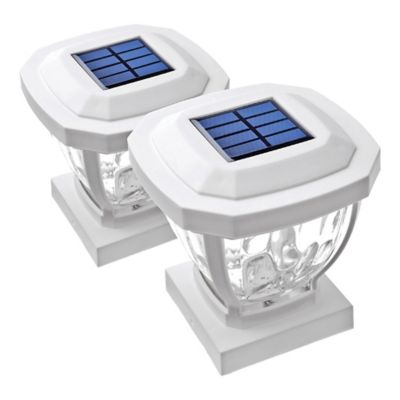
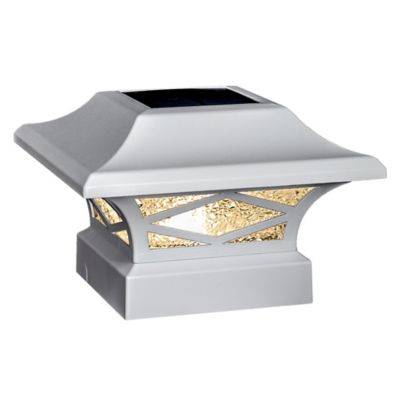
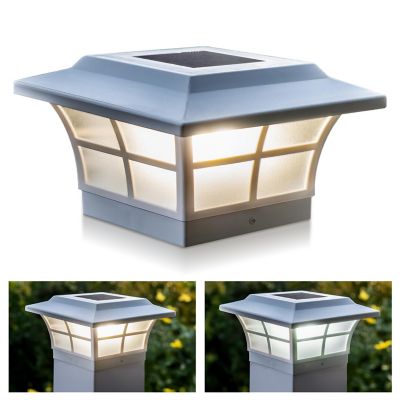
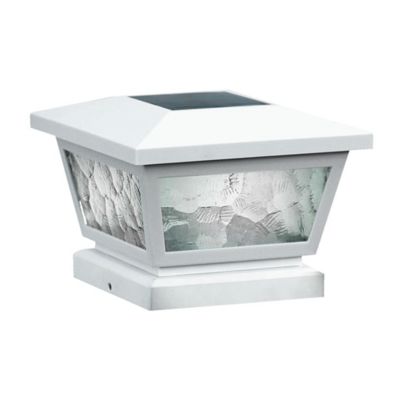
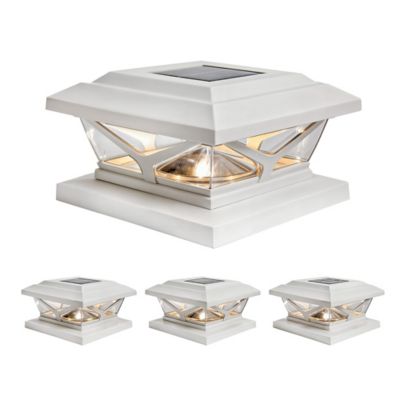
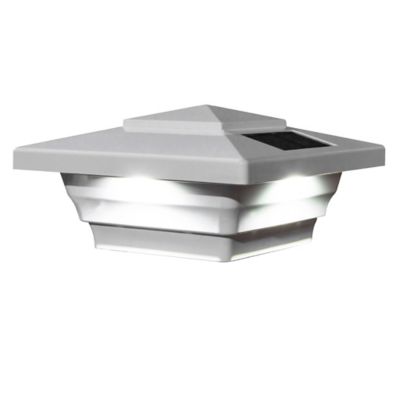
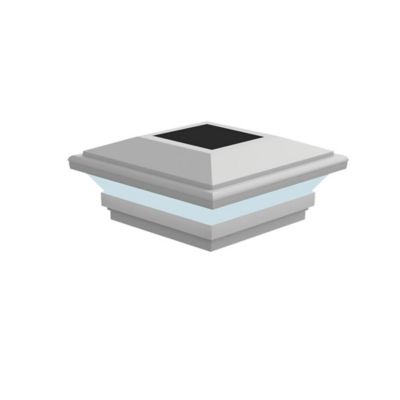
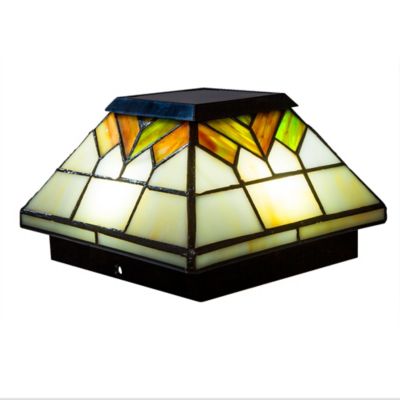
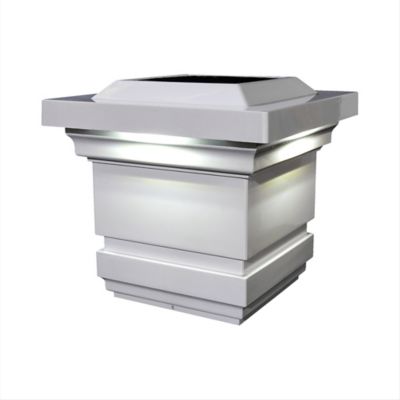
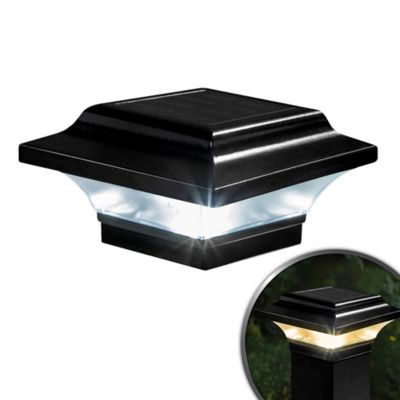
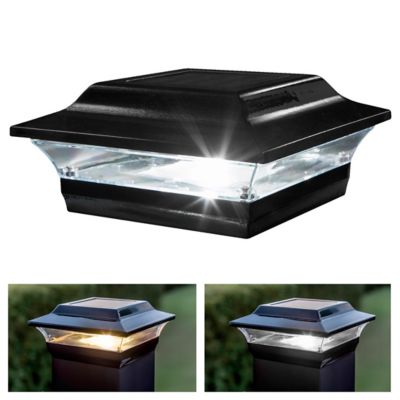
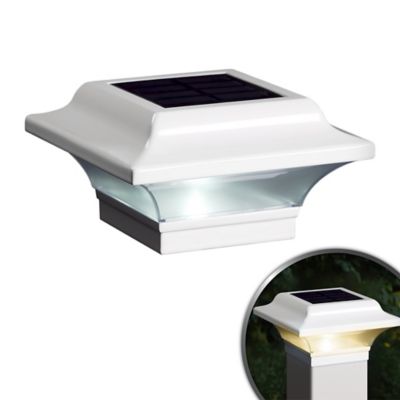
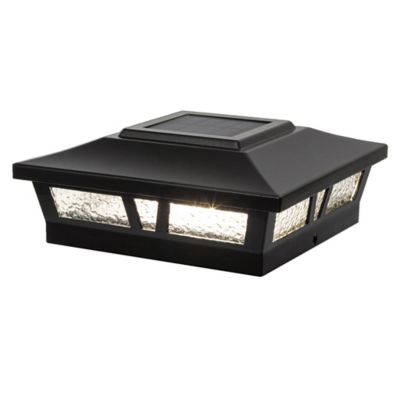
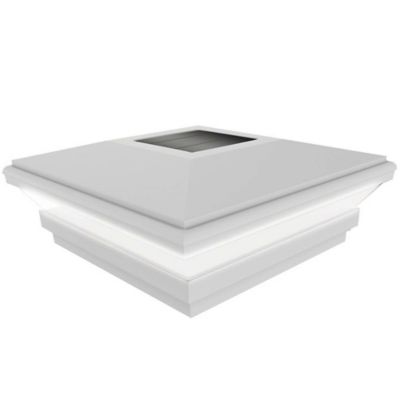
4x4 solar post cap lights bring a little light to the places where folks gather, come and go, or finish up the day’s chores. Set on top of deck rails, fence posts or gate posts, they mark the edges of an outdoor space without the need to run electrical wiring from the house. A solar panel collects energy from sunlight, a rechargeable battery stores it, and LEDs provide light after dark. Many designs have a sensor that switches the light on at dusk, though controls and operating modes vary. These caps are generally meant for accent lighting rather than lighting an entire yard, driveway or work area. Along a porch railing, a row of small lights can outline the space around a couple of chairs. At a garden entrance, a pair can help make the gate easier to spot. Their usefulness depends on both placement and light output: a cap tucked beneath a deep roof overhang may look right but receive too little direct sunlight for steady evening performance. Battery capacity, panel size, charging conditions and the selected light setting all affect how long a cap stays illuminated, so dusk-to-dawn operation should not be assumed for every design or location. Light color makes a difference, too. Warm white tends to give wood rails and porch seating a softer appearance, while cool white creates a crisper look around a fence line or entry. Some designs offer selectable colors or brightness settings, letting the same cap suit different preferences. The lens and LED placement determine where that light goes. Side-facing panels can create a glow around the post, while downward-facing light can highlight the post itself and nearby railing. Lumens describe light output, but the shape of the beam matters just as much when comparing how caps will look from the porch, the yard or an approaching path. For steps, uneven ground or working areas, post cap lighting is best considered a supplement to lighting designed for those tasks.
Fit is one of the most important considerations with 4x4 solar post cap lights because the name does not always describe the exact opening underneath the cap. A nominal 4x4 wood post commonly measures about 3.5 inches by 3.5 inches, while a true 4-inch-square post needs a different fit. Vinyl posts, composite sleeves and wrapped wood posts can have outside dimensions that differ from the lumber inside them. The measurement that matters is the finished outside width and depth at the top, where the cap will sit. A cap intended for bare lumber may not fit over a sleeve, and an opening intended for a larger post can leave gaps or allow movement on a smaller one. Adapter bases can accommodate certain dimensions, but compatibility depends on the cap’s stated measurements and the included mounting parts. Post shape matters as well: square caps need a suitable square mounting surface, and a sloped, rounded or uneven post top may require attention before installation. On an existing fence, remnants of an old cap, raised fasteners or trim around the post can interfere with how the new base seats. Mounting methods vary, with screws through the side or base common on many designs. The right fasteners and attachment points help hold the cap in place without forcing the housing or splitting the edge of a wood post. Clearance around rail connections is worth checking, especially when the cap has a broad skirt or mounting flange. A small cap can look lost on a wide sleeve, while a larger housing may crowd a narrow railing, even when the base fits. Matching the cap’s proportions, finish and light color across neighboring posts helps keep the layout looking settled rather than pieced together. When a property has several post sizes, the broader category of
Outdoor Solar Post Cap Lights offers context for coordinating lighting across a deck, fence and gate without treating every post as the same size.
Materials and construction influence how solar post caps look, how they hold up outdoors and what care they need over time. Aluminum and other metal housings can offer a substantial feel, with painted or coated finishes that complement rail hardware and fencing. Molded plastic housings, including some made from ABS, are lighter and can blend neatly with vinyl or composite posts. Neither material alone tells the whole story. Secure lens panels, well-fitted seams, protected battery compartments and a finish suited to exterior exposure all contribute to service life. An outdoor exposure rating is worth checking, particularly for caps near sprinklers or places where splashes are common; suitability for outdoor placement does not mean a light can be submerged. A cap that covers the post top can help limit direct moisture contact with exposed wood, but it does not replace proper treatment and upkeep of the post itself. Routine care is usually straightforward. Dust, pollen and bird droppings on the solar panel can reduce the sunlight reaching it, so a clear panel surface supports charging. A soft cloth and cleaning methods suited to the housing help avoid scratched panels or damaged finishes. Loose mounting screws, cracked lenses and blocked drainage openings deserve attention because they can affect both the fit and the light’s operation. Rechargeable batteries also have a service life, and designs with accessible, replaceable batteries may be easier to maintain. Replacement batteries need to match the specified type and rating; ordinary disposable batteries are not a substitute for the rechargeable battery required by the light. These considerations matter whether the caps are going on a farmhouse porch, a backyard deck or the fence around a garden. They can also make a thoughtful gift for someone fixing up an outdoor seating area, provided the post measurements and charging location are known beforehand. The best match brings together a snug fit, suitable light direction and manageable care, adding a welcoming glow to the property without asking a small solar cap to do the work of a full lighting system.