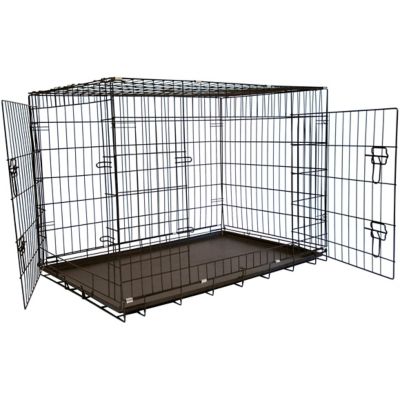
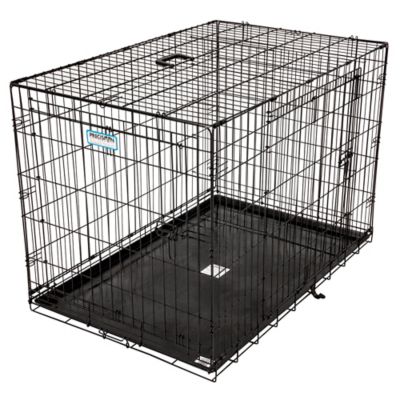
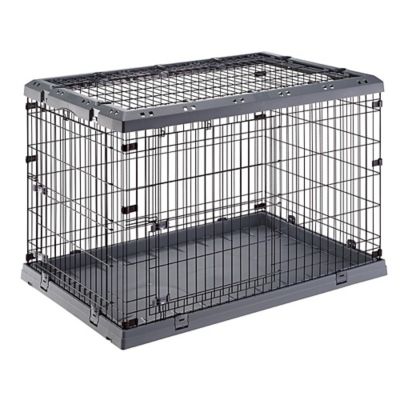
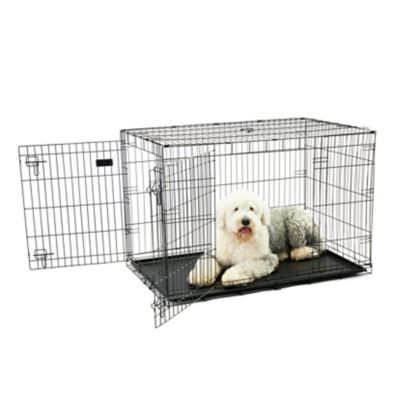
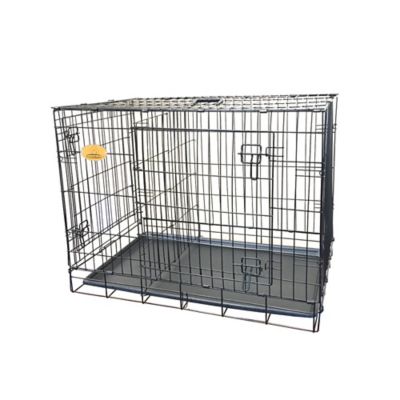
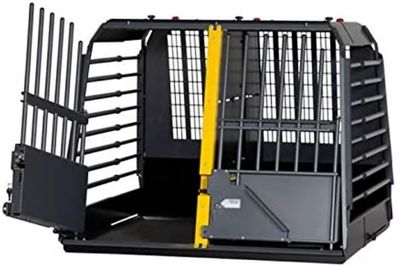
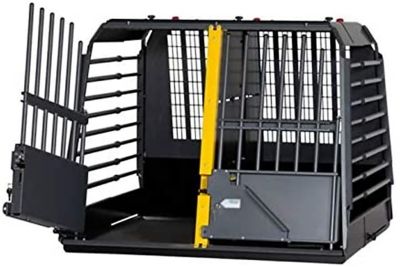
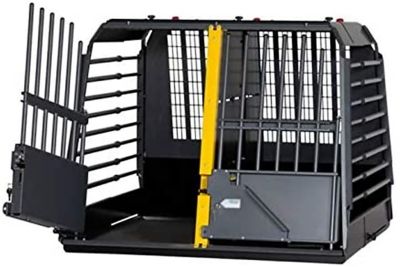
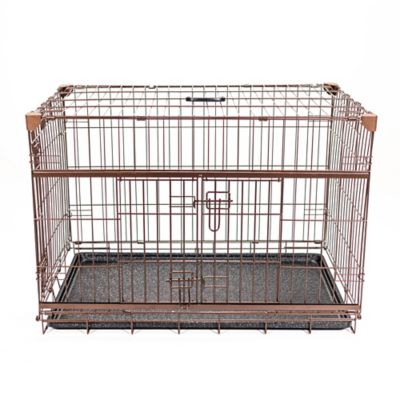
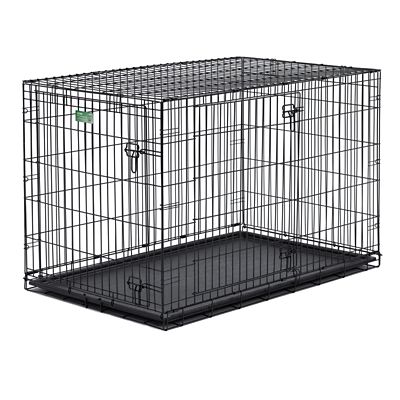
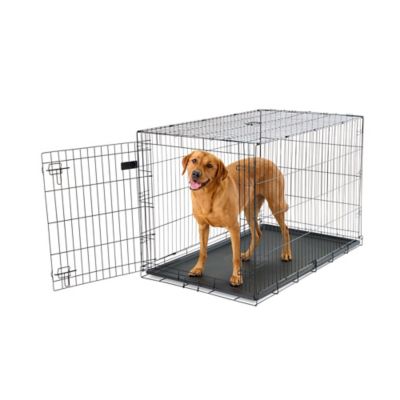
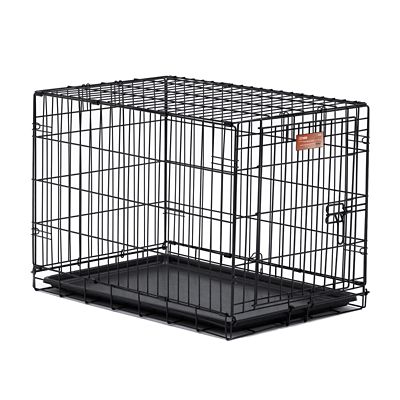
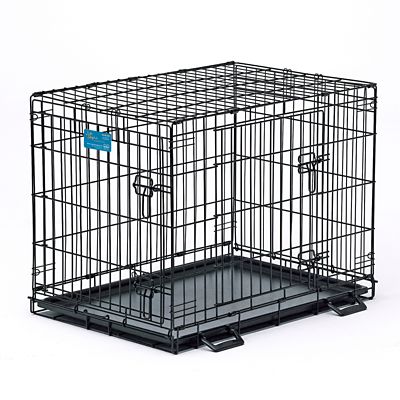
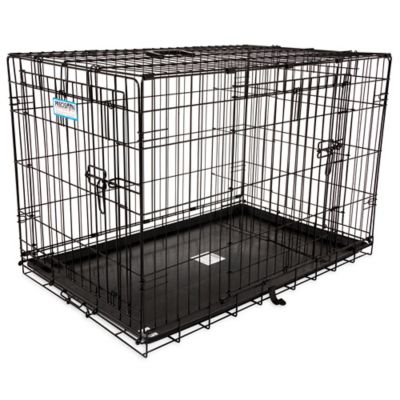
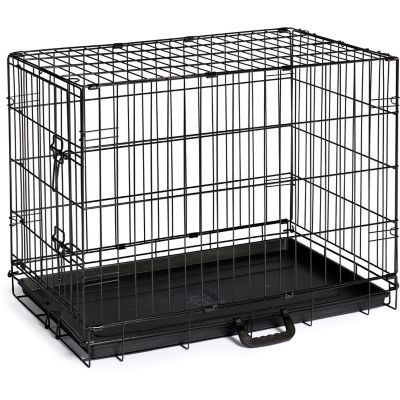
A 42-inch dog crate with a divider offers a resting space that can adjust as a puppy grows into an adult dog. Many wire crates in this size category measure about 42 inches long, 27 to 28 inches wide and 30 to 31 inches high overall, though dimensions vary by design. This size often suits medium-to-large dogs, including some Labrador Retrievers, Golden Retrievers and Boxers, but breed names alone do not settle the fit. Some designs have weight recommendations reaching 70 to 100 pounds; a dog’s height, length and build matter more than the number on the scale. A proper fit leaves enough room for the dog to stand naturally without crouching, turn around easily and lie comfortably on their side. Overall measurements can differ from usable interior space, and the doorway needs to accommodate the dog comfortably, too. For a growing puppy, a removable divider creates a smaller section within that adult-sized footprint. That can support house-training by limiting the extra space a puppy might otherwise treat as a bathroom, while still leaving room to stand, turn and rest. The divider can move farther back as the puppy grows, then come out when the full enclosure fits. It does not replace regular potty breaks, supervision or a steady routine. A divider should attach securely at its intended connection points without leaving gaps where paws or a head could become trapped. Compatibility matters: a panel made for another crate may not match the wire spacing, height or attachment points, even when both crates have a 42-inch length. For households raising a large-breed puppy, that adjustable layout can make more sense than choosing a small enclosure that will soon feel cramped. The adult dog’s expected measurements remain the starting point, with the divider handling the smaller space needed along the way.
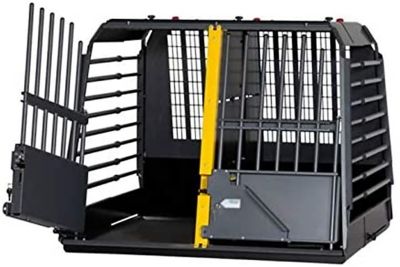
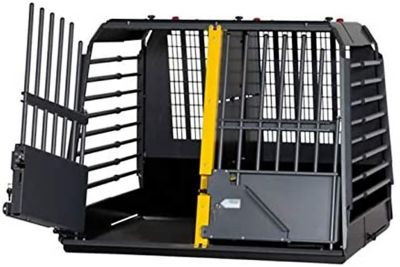
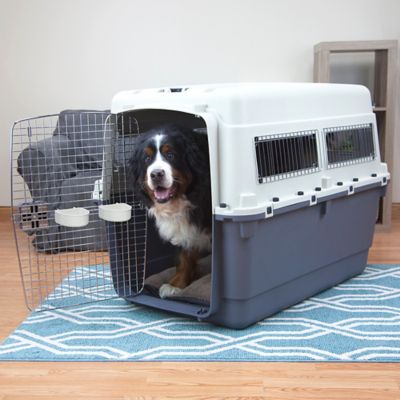
Construction and access features make a difference in everyday life, especially when a crate sits near the back door, beside a laundry area or along a busy hallway. Steel wire construction provides visibility and airflow, while a powder-coated or other protective finish helps shield the metal during ordinary indoor use. Smooth wire ends, sound welds and a frame that sits squarely deserve attention, along with the strength of the door and its latches. Bar spacing also matters for smaller puppies, whose paws and muzzles may fit into openings that would not trouble an adult dog. No wire enclosure is automatically escape-proof or suitable for a dog that bites bars or throws their body against the frame. Single-door layouts offer straightforward access, while double-door designs add a side opening that can make furniture placement less of a puzzle. A side door may keep the entrance clear of a cabinet, give a dog a more direct path inside or make reaching the floor tray easier. Both doors need room to swing open without blocking a walkway, and each latch should close fully. A removable floor tray adds everyday convenience, especially during puppy training or heavy shedding. Molded plastic and ABS trays commonly have raised edges that help contain small spills, loose hair and accidents, although spill protection depends on the tray’s condition and construction. The tray should sit securely beneath the dog’s resting area, and any retaining clip needs to stay engaged. Folding frames can simplify storage or carrying an empty crate between locations; carrying handles are for the enclosure, not for lifting a dog inside it. Fold-flat construction also does not mean a crate provides crash protection in a vehicle. For a crate that will move between the house and another location, folded dimensions, weight and setup requirements are worth considering alongside the assembled footprint.
A well-fitting crate works best as part of an ordinary household routine, with room nearby for a person to open the door, refill a water bowl and clean without shifting half the furniture. A level indoor surface helps keep the frame steady, and placement away from loose cords, curtain edges and objects within paw’s reach keeps the surrounding area simpler to manage. Many dogs settle more readily where they can see familiar activity without sitting directly in the busiest path through the house. Comfortable bedding can soften the resting surface, provided the dog does not chew or swallow it; thick cushions also take away some interior height. A washable crate mat that fits the puppy’s divided section avoids loose folds bunching against the panel. Collars, tags and harnesses can snag on crate components, so removing them before crating helps reduce that risk. For puppies, short, positive introductions with treats and supervised rest help build familiarity, while age-appropriate bathroom breaks remain essential. A crate is not a substitute for exercise, company or a safe plan for long absences, and persistent panic calls for help from a veterinarian or qualified trainer rather than simply a stronger latch. Routine care is straightforward: lift out bedding, remove hair and debris, wash the tray with a pet-safe cleaner according to its directions, and let everything dry before reassembly. Periodic checks around door hinges, divider hooks, tray edges and welded joints can catch bent metal, cracks or sharp spots before they cause trouble. Dogs that will remain smaller as adults may fit a
36 Inch Dog Crate better, while taller or longer dogs may need more room than a 42-inch enclosure provides. The useful combination is a frame sized for the adult dog, a divider that adjusts securely and practical access for the person handling daily cleanup. That gives puppies room to grow without overlooking the comfort and fit they need at every stage.