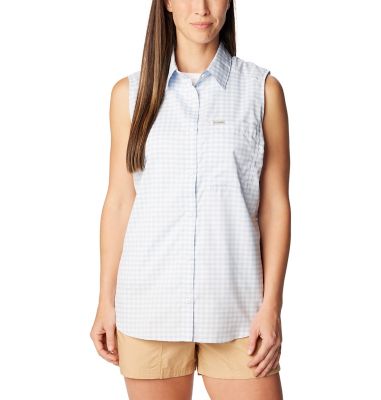
Women's Hiking Shirts For Hot Weather
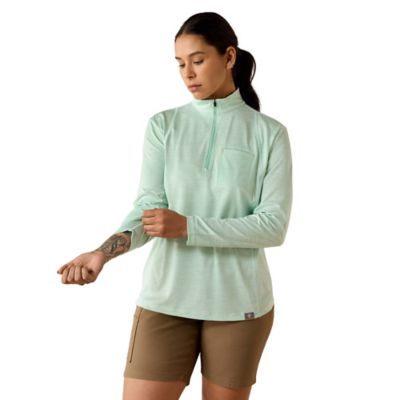
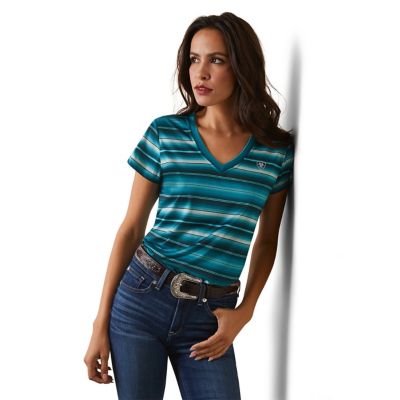
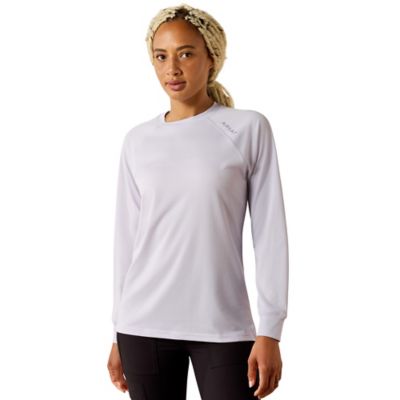
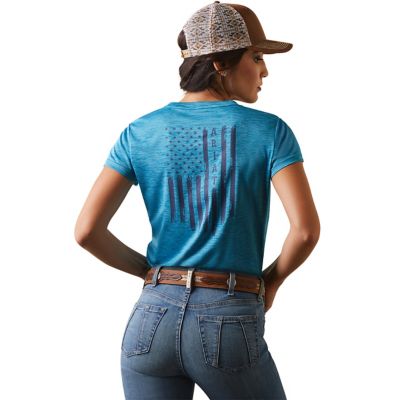
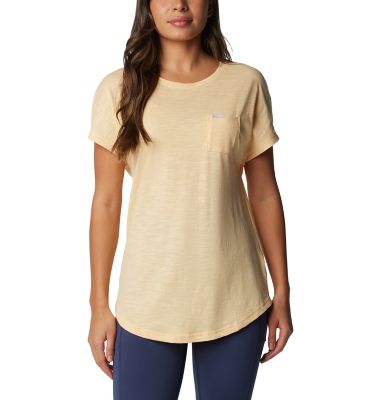
Women's Hiking Shirts for Hot Weather are made for those sunny days on the trail when staying cool and comfortable is a must. Whether you're trekking through fields, climbing hills, or just enjoying a walk in the woods, the right shirt makes all the difference. Explore a range of styles designed to keep you feeling fresh and ready for whatever the day brings, so you can focus on the adventure ahead.

$15
.00
Sale Was $29.99 Save $14.99 (50%)

$37
.49
Sale Was $49.99 Save $12.50 (25%)

$15
.00
Sale Was $29.99 Save $14.99 (50%)

$37
.50
Sale Was $50.00 Save $12.50 (25%)


$41
.24
Sale Was $54.99 Save $13.75 (25%)
$27
.50
Sale Was $54.99 Save $27.49 (50%)

$20
.99
Sale Was $29.99 Save $9.00 (30%)
$20
.99
Sale Was $29.99 Save $9.00 (30%)

$23
.09
Sale Was $32.99 Save $9.90 (30%)

$26
.59
Sale Was $34.99 Save $8.40 (24%)


$13
.99
Sale Was $19.99 Save $6.00 (30%)
$29
.99
Sale Was $39.99 Save $10.00 (25%)

$32
.50
Sale Was $64.99 Save $32.49 (50%)


$10
.00
Sale Was $20.00 Save $10.00 (50%)

$48
.75
Sale Was $65.00 Save $16.25 (25%)


$9
.09
Sale Was $12.99 Save $3.90 (30%)
$31
.49
Sale Was $34.99 Save $3.50 (10%)
$31
.49
Sale Was $34.99 Save $3.50 (10%)
Best Of FAQ
What features should I look for in women's hiking shirts for hot weather?
When choosing a women's hiking shirt for hot weather, look for lightweight, breathable fabrics such as polyester or nylon blends. Moisture-wicking properties help keep you dry, while UPF sun protection and ventilation features like mesh panels can enhance comfort during warm hikes.
Are long-sleeve hiking shirts suitable for hot weather?
Yes, long-sleeve hiking shirts made from lightweight, moisture-wicking materials can provide sun protection and help regulate body temperature. Many are designed with roll-up sleeves and vented backs to increase airflow and comfort in hot conditions.
How do moisture-wicking fabrics benefit hikers in hot weather?
Moisture-wicking fabrics draw sweat away from the skin and allow it to evaporate quickly, helping to keep you cool and dry. This reduces discomfort and helps prevent chafing during extended hikes in warm temperatures.
Why is UPF protection important in women's hiking shirts for hot weather?
UPF (Ultraviolet Protection Factor) protection helps block harmful UV rays from reaching your skin. Wearing a shirt with built-in UPF protection reduces the risk of sunburn and long-term skin damage when spending extended time outdoors.
Can women's hiking shirts be layered with other clothing in changing weather conditions?
Yes, many women's hiking shirts are designed as base layers that can be easily paired with lightweight jackets or vests. Their quick-drying and breathable properties make them versatile for layering as temperatures fluctuate throughout your hike.
Best Sellers

-
"The selection of Carhartt clothing is amazingly good, the best clothing to buy"
-
"Good for casual wear, fabric is great and the fit is comfortable"
-
"Great shirt would purchase again"
-
"The blue is so pretty in person, love how this fits and is light weight"
-
"review was collected as part of a promotion.] the order arrived promptly - the quality of the shirt is great"