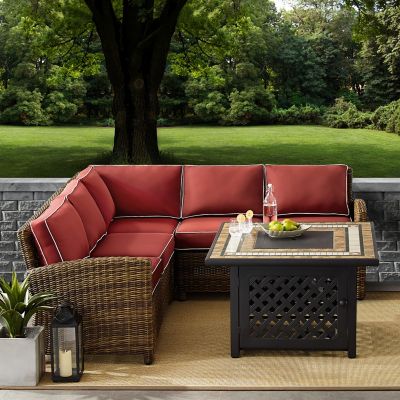
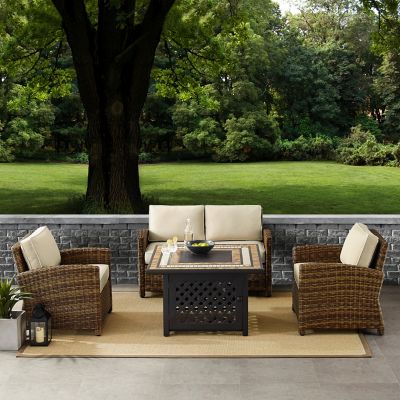
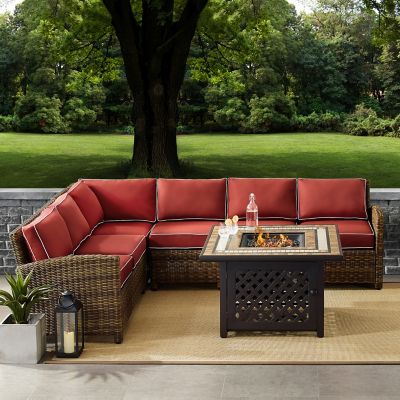
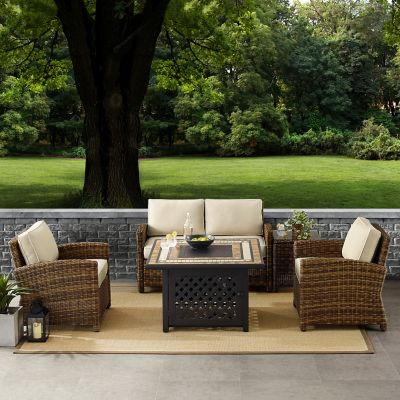
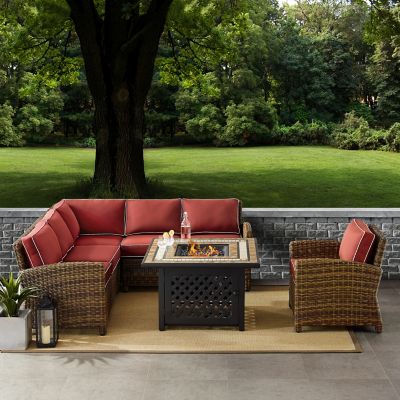
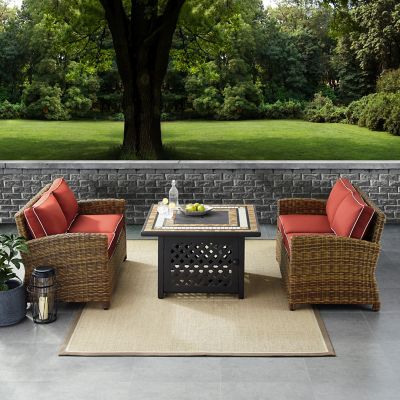
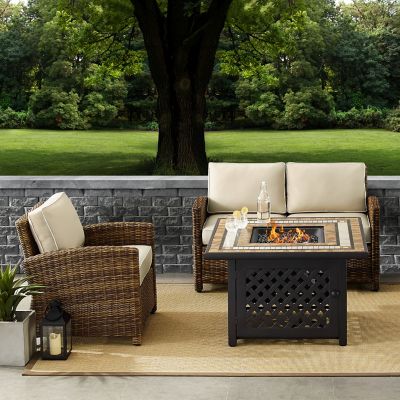
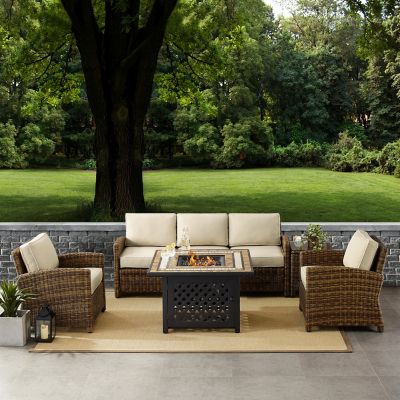
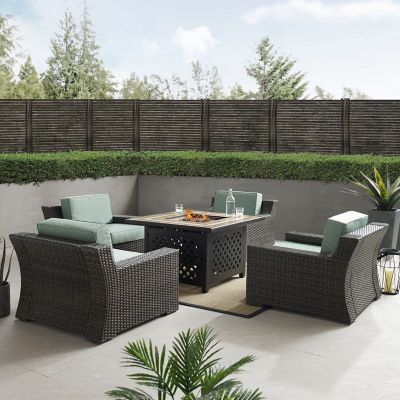
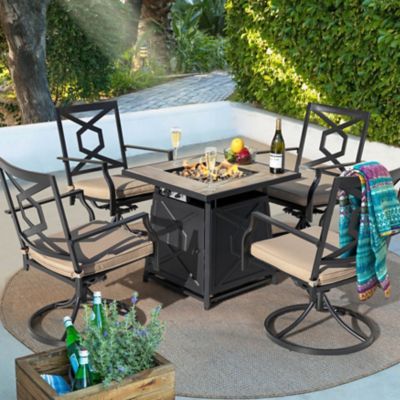
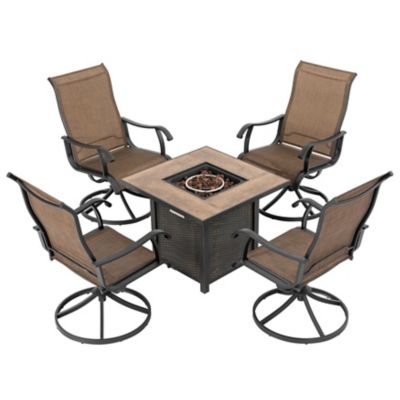
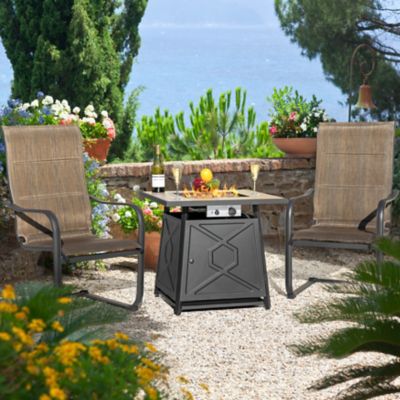
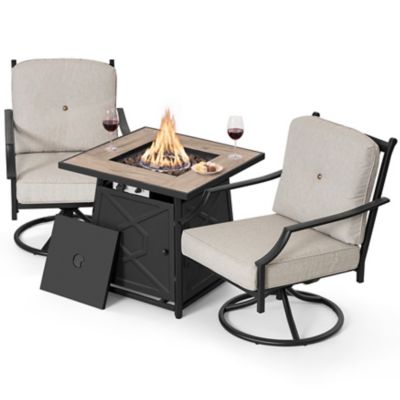
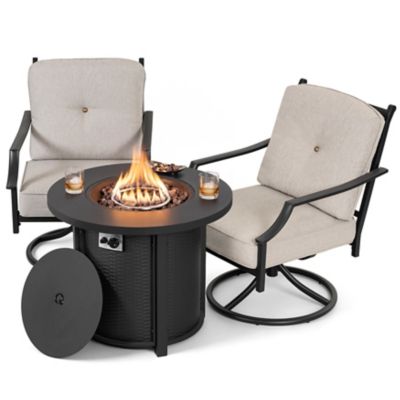
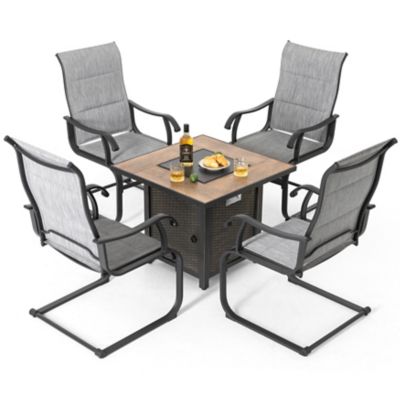
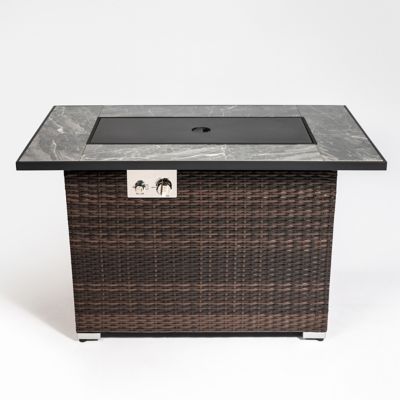
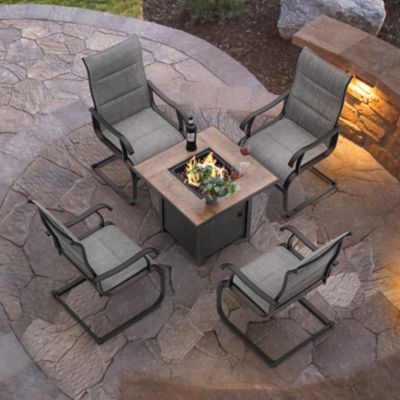
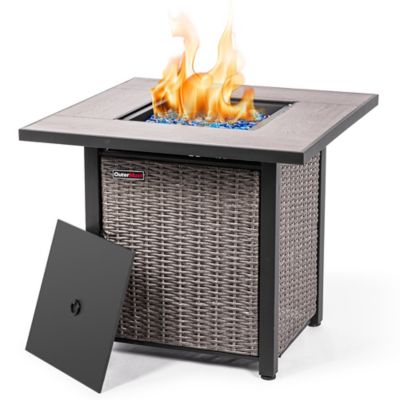
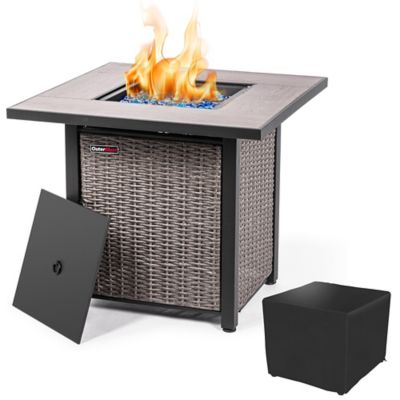
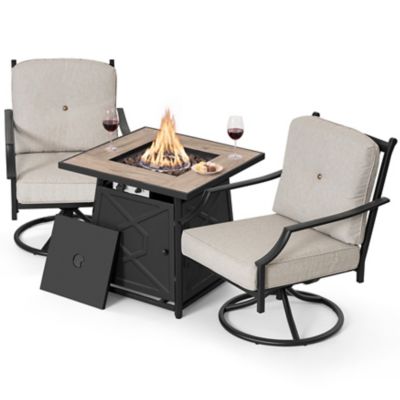
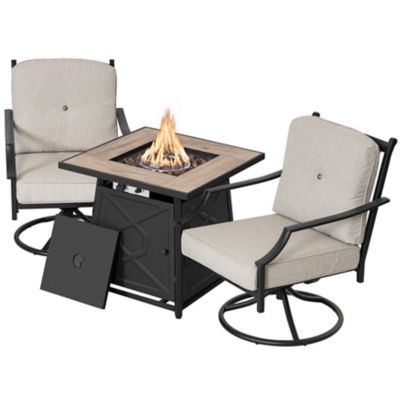
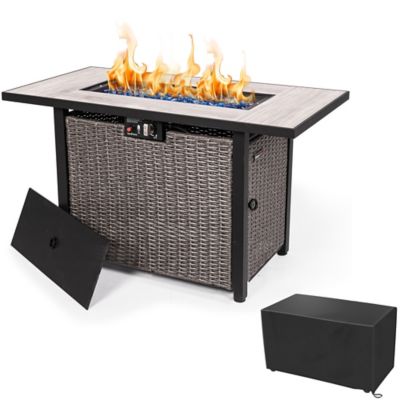
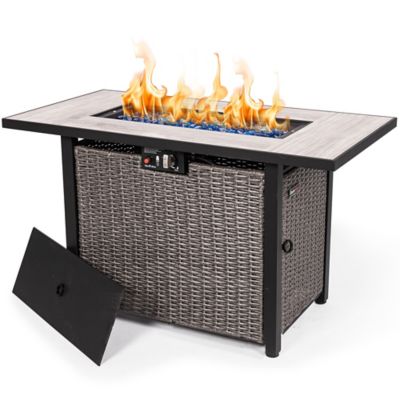
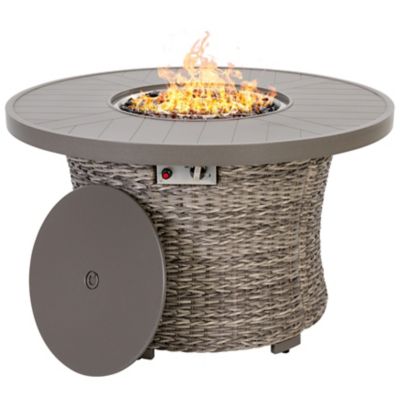
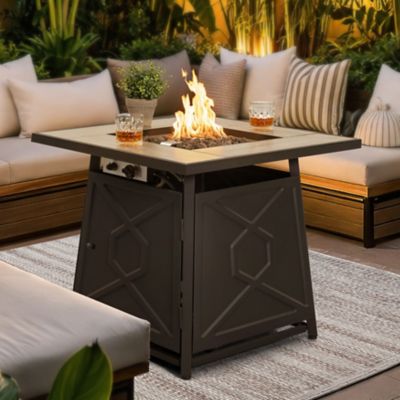
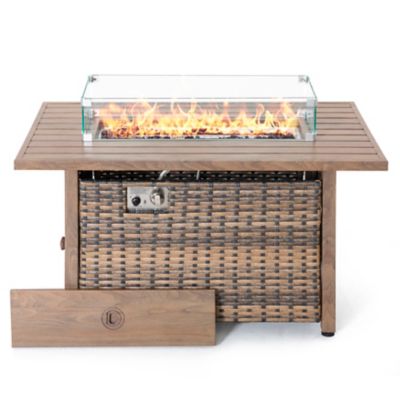
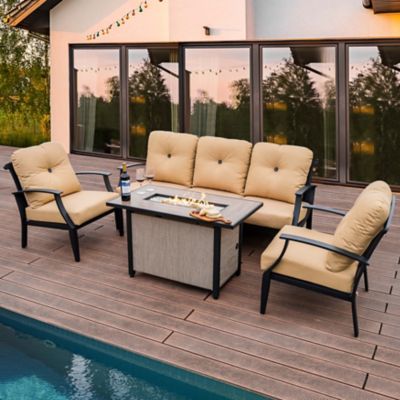
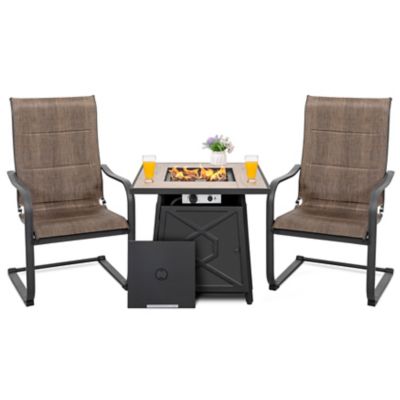
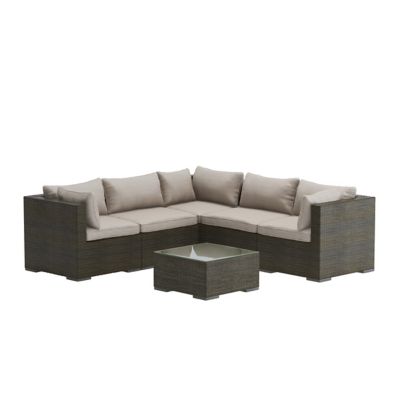
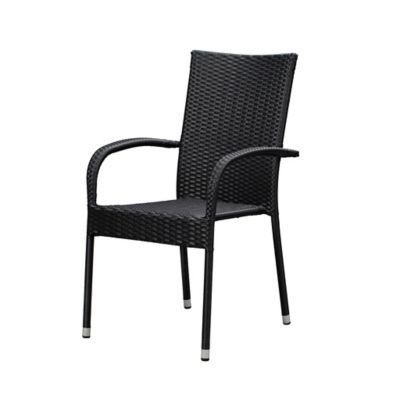
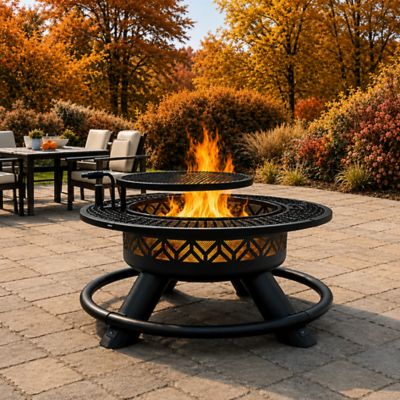
Wicker patio sets with fire pits bring woven outdoor seating and a central gathering spot together in one layout. A fire pit table gives family and friends a place to settle in after chores, linger over conversation after supper, or enjoy a quiet evening close to home. These sets can take several forms, from a pair of roomy chairs beside a compact fire table to a sofa-and-chair arrangement or a sectional wrapped around a larger centerpiece. The right fit depends on how people sit and move through the space, not just how many seats appear in the description. Individual chairs offer flexibility when guests pull up, while sectionals create a more connected seating area and can make good use of a patio corner. Seat depth, back height, arm width, and cushion firmness all affect comfort, especially for anyone who prefers sitting upright instead of sinking into a deep lounge seat. Wicker describes the woven construction rather than one particular material. For outdoor furniture, synthetic resin wicker is a common choice because it handles moisture and sun exposure better than natural plant fibers. Polyethylene wicker may be identified in material descriptions, though the frame beneath the weave matters just as much. Aluminum frames are generally lighter and resist rust, making furniture easier to reposition for cleaning or a different arrangement. Steel frames offer more weight, but scratches in a protective finish need attention to help limit corrosion. A close, even weave, supported seat base, and secure joints contribute to how the furniture holds up through everyday use. Cushion details deserve a look, too: thick padding does not always mean firm support, and a tall seat with a thick cushion can feel quite different from a low lounge chair. Overall dimensions, seat measurements, and the height of the fire table work together to determine whether a set feels comfortable for a quick coffee break or a long visit.
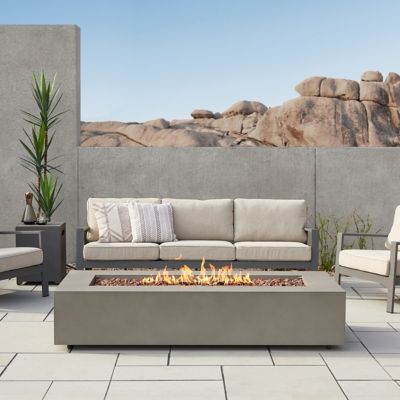
The fire pit is the working center of the arrangement, so fuel type, heat rating, and placement are part of the furniture decision. Many wicker patio sets with fire pits feature propane fire tables, while some fire tables are designed for a natural gas connection. Propane offers flexibility in placement within the appliance’s safety requirements, but the tank still needs an approved location, proper ventilation, and room for access. An enclosed tank compartment should be designed for that purpose, and a separate tank should never be tucked beneath a seat simply to hide it. Natural gas requires a suitable supply connection and professional installation; changing fuel types is appropriate only when the manufacturer permits it with the specified components. Some gas fire tables carry ratings in the 50,000- to 55,000-BTU-per-hour range. That rating describes fuel input, not a guaranteed heating distance, so it should not be treated as a promise that everyone around a large seating area will feel the same warmth. Burner shape, table dimensions, and seating distance also influence the experience. A rectangular fire table can suit a long sofa or sectional, while a square or round table can work well with chairs facing one another. Enough room between cushions and the fire table helps people stand, pass through, and reach their seats without crowding the flame, but required clearances always come from the appliance instructions. The complete footprint includes pulled-out chairs, walking paths, doors, steps, and access to fuel controls—not just the furniture dimensions. Fire tables belong outdoors on a stable surface approved by the manufacturer, with the required clearance from walls, overhead structures, wicker, cushions, and other combustible materials. A deck, covered patio, or space beneath a pergola is not automatically suitable. Fire glass, lava rock, wind guards, and burner covers also need to match the appliance specifications. A fitted tabletop insert may provide more surface space after the burner is off and fully cool, but an ordinary fire table is not a grill or cooking station.
Everyday care helps wicker seating and a fire pit table stay ready for company without turning patio upkeep into another big chore. Dust, pollen, and bits of leaves can settle between woven strands, so a soft brush or vacuum attachment is handy for routine cleanup. Mild soap, water, and a gentle rinse are often suitable for resin wicker when the furniture instructions allow them; harsh solvents and forceful pressure washing can harm finishes or loosen the weave. Cushions need their own care routine because a removable cover is not necessarily machine washable. Fabric labels spell out whether spot cleaning, hand washing, or another method is appropriate, and cushions should dry completely before storage or covering. Water-resistant fabric can shed a splash without being waterproof, and moisture trapped beneath a cover can still lead to mildew. Furniture covers fit best when they account for chair backs, table corners, and ventilation rather than simply draping across the whole arrangement. Fire pit burners, ignition components, and fuel connections need the inspection and cleaning outlined in the appliance manual, with the gas shut off and the unit completely cool before care begins. Keeping burner openings clear and checking for insect nests is especially important after a stretch without operation. For a coordinated look across separate gathering spots, browse
All Weather Wicker Patio Sets with attention to matching frame tones, cushion colors, and seat proportions. Earthy brown wicker can sit comfortably alongside wood fencing and stone paths, while gray or black woven frames pair easily with metal railings and simple concrete patios. Neutral cushions leave room for a favorite throw or patterned pillow, kept well away from the burner. Whether the setting is a small backyard retreat or a broad patio overlooking the pasture, a well-proportioned arrangement leaves room for boots, conversation, and an easy path back to the house. The most welcoming setup feels comfortable with two people and still makes sense when the family gathers.