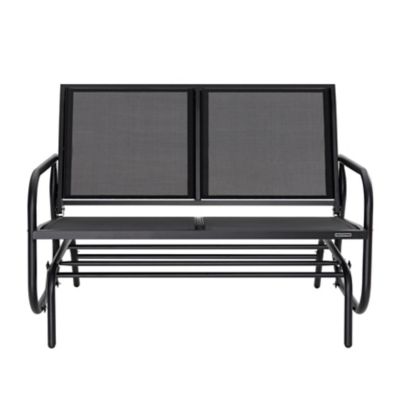
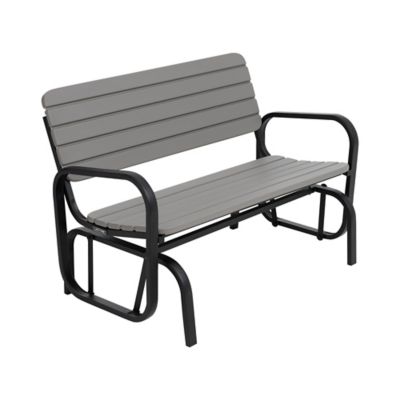
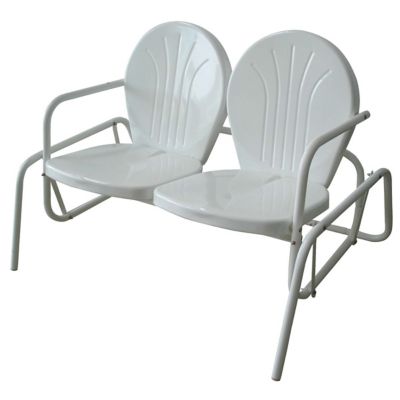
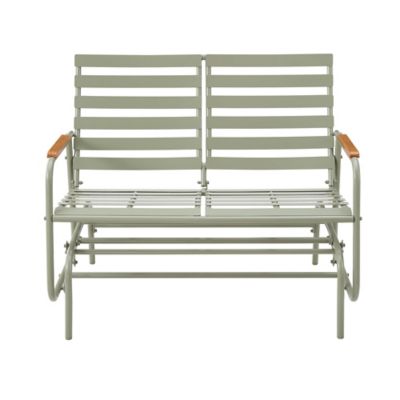
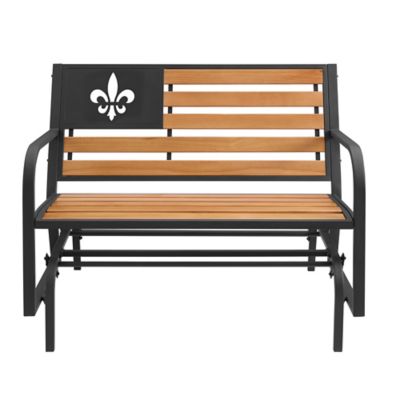
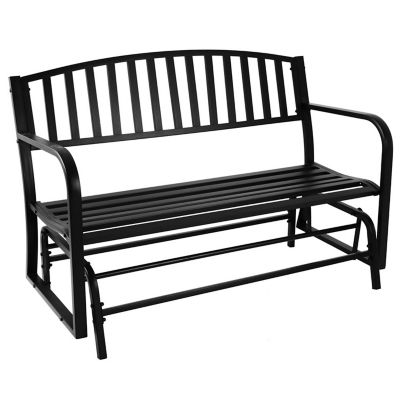
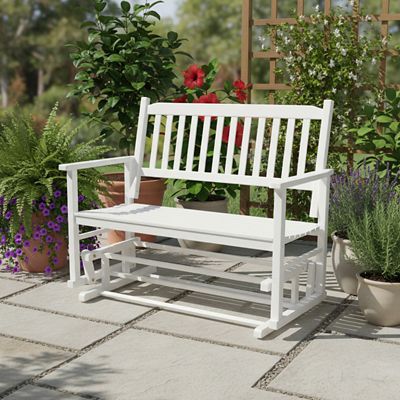
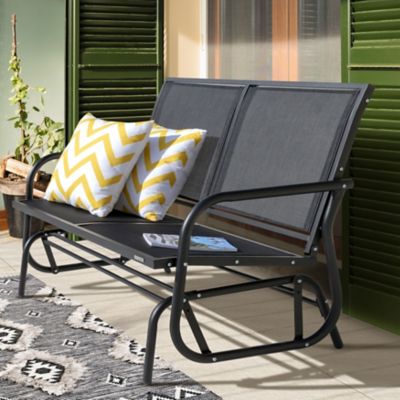
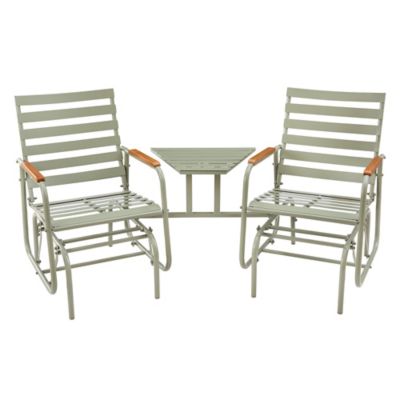
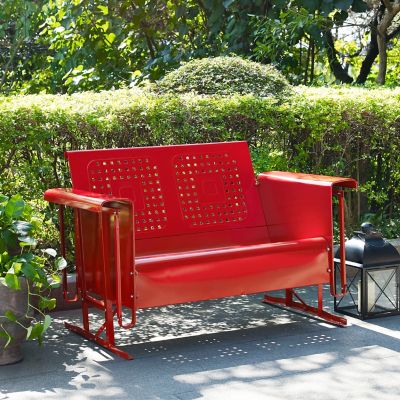
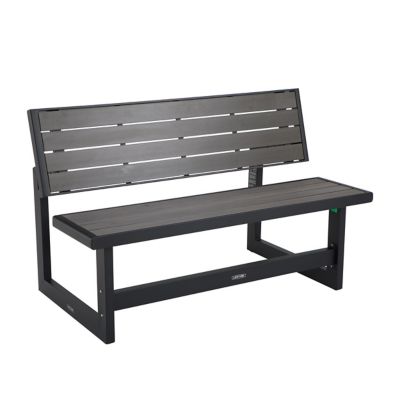
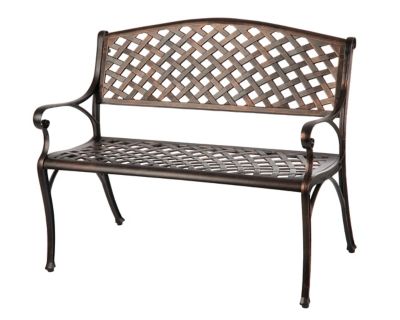
A two-person outdoor glider makes room for a little company without taking over the whole porch. With two seats sharing a frame, it offers a place to sit beside a spouse, catch up with a neighbor or let a grandchild settle in for a story. The gentle back-and-forth movement comes from a gliding mechanism beneath the seat, rather than suspension from an overhead beam. That gives this seating style a different footprint from a hanging porch swing, although the moving seat still needs clearance around it. A glider can anchor a small conversation spot near the front door, sit along the edge of a patio or face a favorite stretch of the yard. For households where the porch is part of everyday life, having a comfortable seat for two can turn a quick break into a longer visit. The right fit involves more than whether two people can squeeze onto the bench. Usable seat width, seat depth and back height all affect how comfortably two adults can settle in together. Armrests take up some space, and a center console, when present, changes how the seating area is divided. A deeper seat may suit someone who likes to lean back, while a shallower seat can make it easier to keep both feet planted. Seat height matters, too, especially for anyone who prefers less effort getting up after a spell of sitting. A contoured back, supportive armrests and a seat edge that does not press behind the knees can make a noticeable difference during a long conversation. Some two-person gliders have a shared bench seat, while others give each person a more defined sitting area. Neither arrangement fits every household; the better match depends on who will sit there and how they like to relax. Whether the plan is morning coffee or a quiet pause after chores, proportions and support matter just as much as the look of the frame.
Materials give two-person outdoor gliders much of their character, and they also shape the care involved. Steel frames can bring a substantial feel, with protective finishes that need attention if scratches expose the metal underneath. Aluminum generally weighs less than steel, which can help when rearranging a seating area, though total weight depends on the frame and construction. Wood brings visible grain and a familiar porch-furniture look, but its upkeep varies by species and finish. Some wood seating calls for periodic sealing or refinishing, while other surfaces have different care requirements. Plastic lumber offers another look and feel, often with cleaning needs that differ from natural wood. Woven resin seating commonly relies on a separate supporting frame, so both the weave and the structure beneath it deserve consideration. No single material removes the need for routine care. Dirt can collect around joints, crumbs can settle between slats and moving connections can need attention according to the manufacturer’s directions. A soft brush and an appropriate cleaning solution may be enough for ordinary messes, but harsh cleaners or abrasive tools can damage certain finishes. The gliding hardware deserves the same consideration as the seat surface. Secure fasteners, sound joints and a mechanism that moves without scraping or binding all contribute to a pleasant place to sit. Cushions add another layer of comfort, with thickness, fabric and fastening methods affecting how they fit and stay in place. Removable covers may simplify care when their instructions allow washing, while seat pads need dimensions that match the actual sitting area. Before adding cushions, it helps to account for how extra thickness changes seat height and back support. For another way to bring gentle motion to a porch or patio,
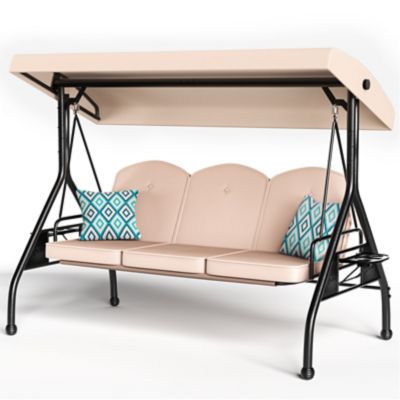
Weather Resistant Outdoor Swings offer a related seating option, with suspension and support requirements that differ from those of a freestanding glider.
Placement helps determine whether a two-person glider becomes the seat everyone heads for or an obstacle along the walkway. A firm, level surface supports the frame and allows the mechanism to work as intended. Uneven ground, loose pavers or a narrow landing can make an otherwise appealing spot a poor fit. The overall frame dimensions are only part of the space needed, since the seat travels forward and backward while gliding. Manufacturer-listed clearance helps keep that movement away from siding, porch rails and nearby furniture. There should also be enough room to walk past without stepping into the moving seat’s path. On a porch near a busy entrance, leaving the doorway and main walking route clear makes everyday traffic easier, especially when someone is carrying groceries or heading out with a feed bucket. A small table within comfortable reach can hold a drink or book, provided it stays outside the glider’s travel area. Weight capacity is another important detail: the stated limit applies to the seating arrangement as specified, rather than automatically applying to each person separately. Children need supervision around moving parts, and hands, feet, pet tails and loose clothing belong clear of pinch points. Assembly requirements also vary, with some frames needing more space, tools or a second set of hands to put together. Access matters before setup, too, particularly when a glider must pass through a gate or around a tight porch corner. As a housewarming or anniversary gift, a two-person outdoor glider can give a couple a shared place to unwind, but measuring the intended spot and knowing their seating preferences makes the choice more thoughtful. For everyday use, the strongest match is a glider that suits the space, supports its occupants and fits the amount of upkeep the household is ready to take on. Then the porch has a comfortable landing place for two, whether the conversation lasts five minutes or the better part of an afternoon.