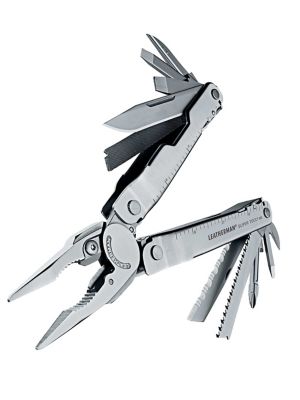
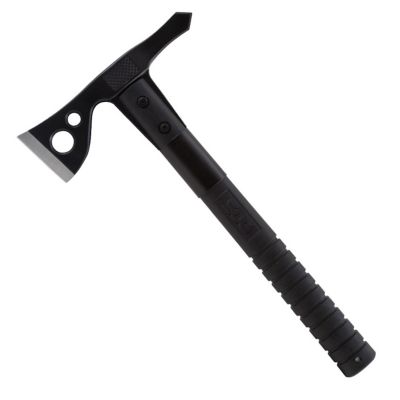
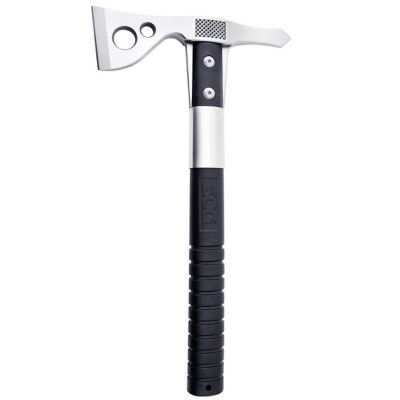
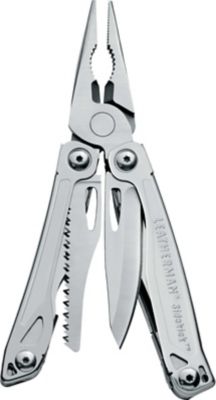
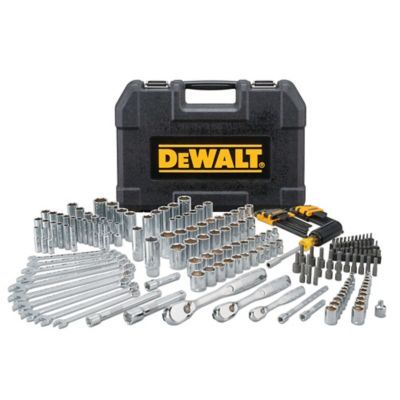
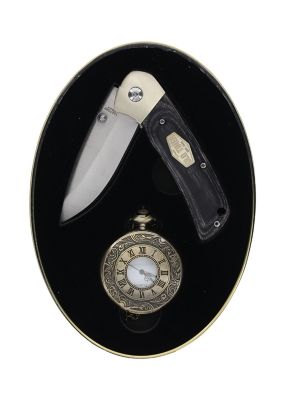
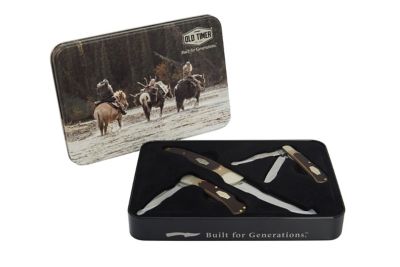
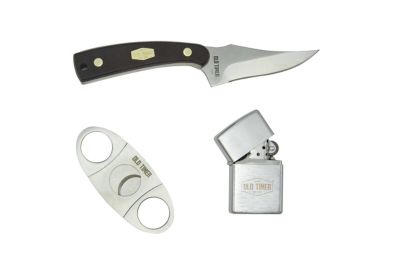
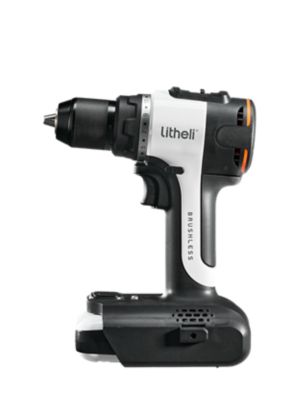
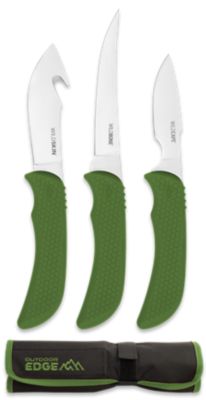
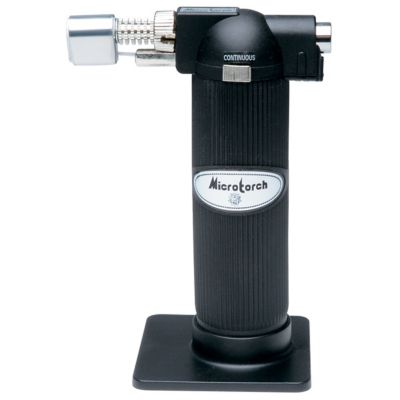
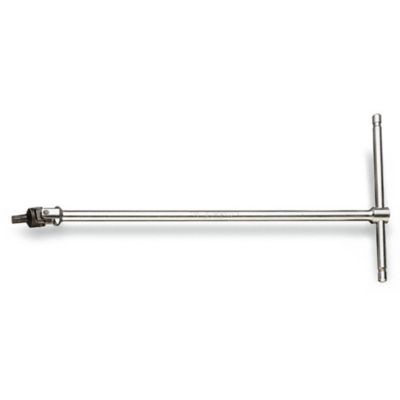
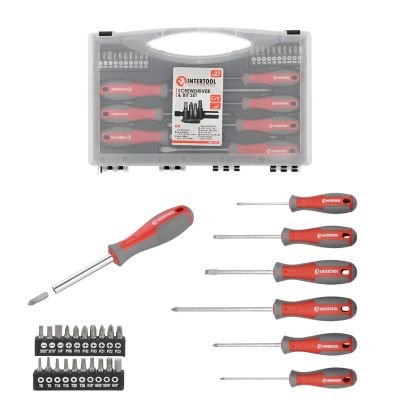
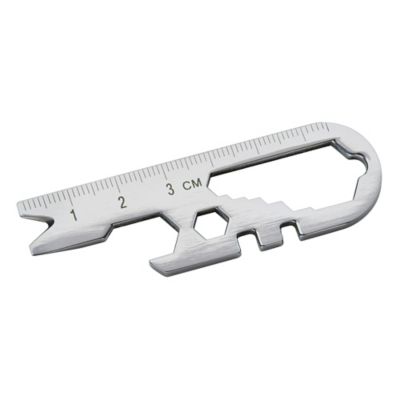
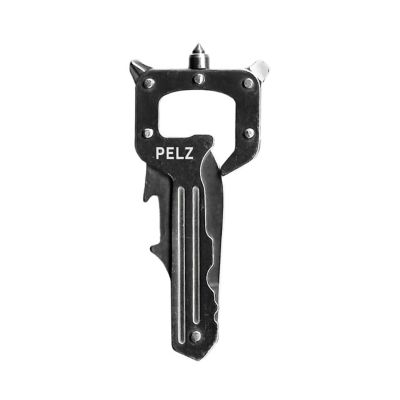
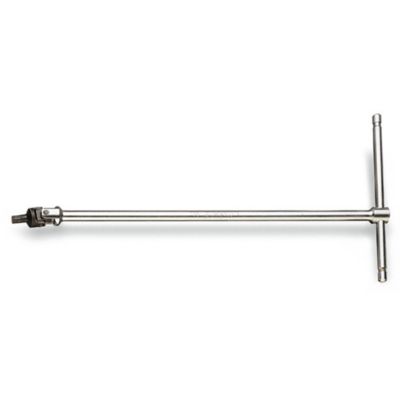
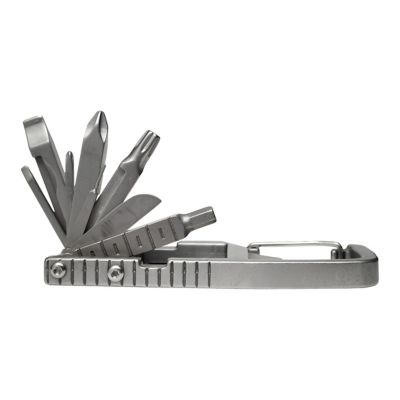
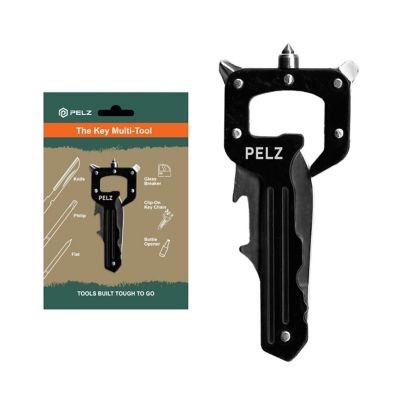
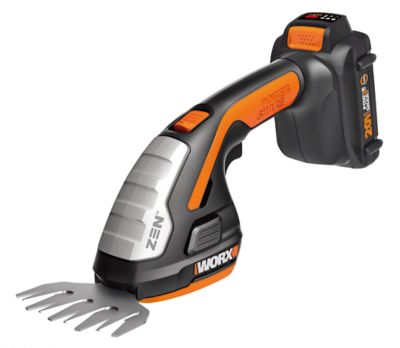
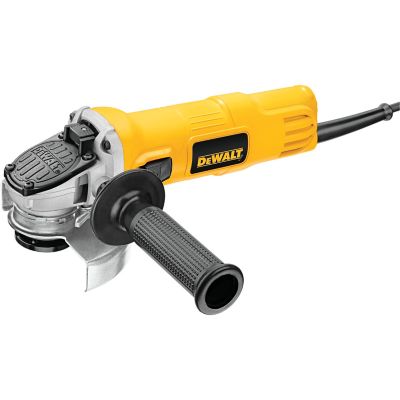
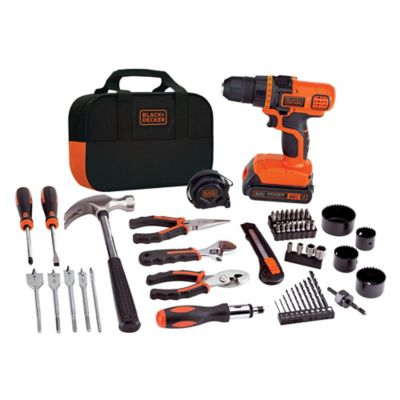
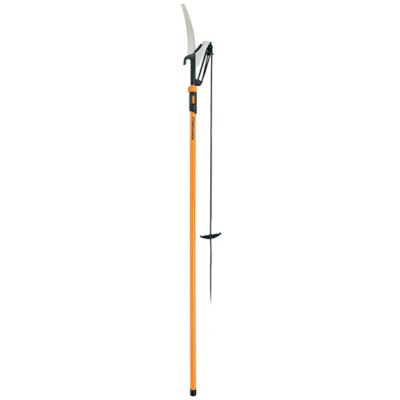
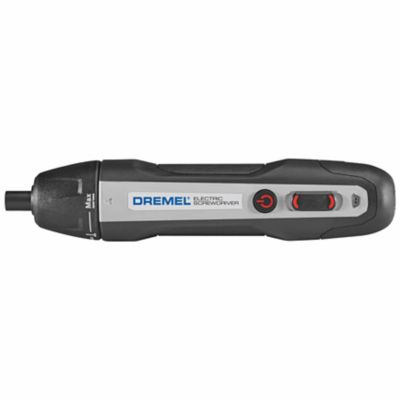
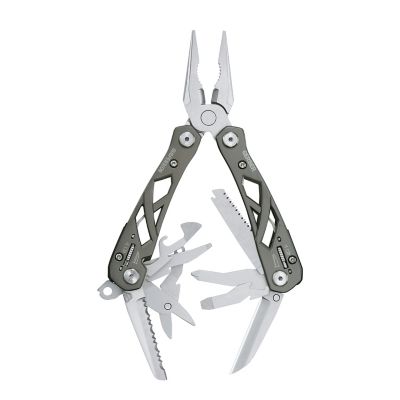
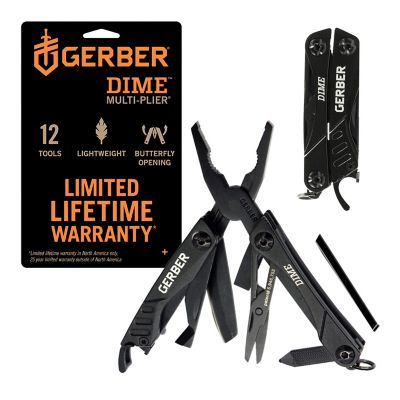
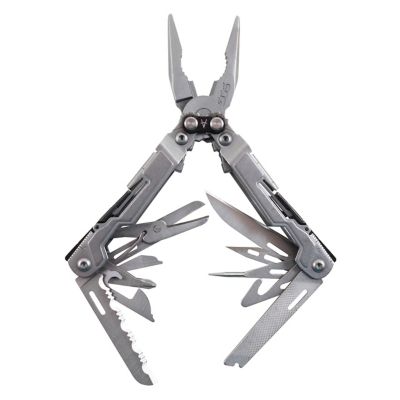
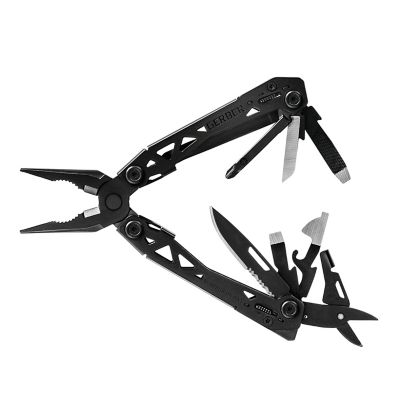
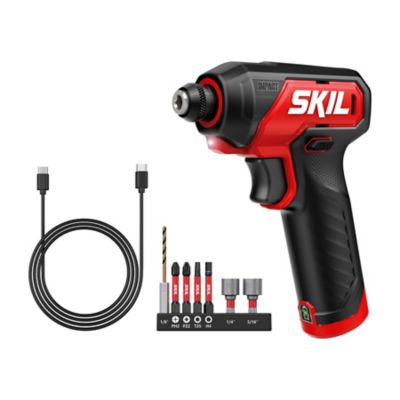
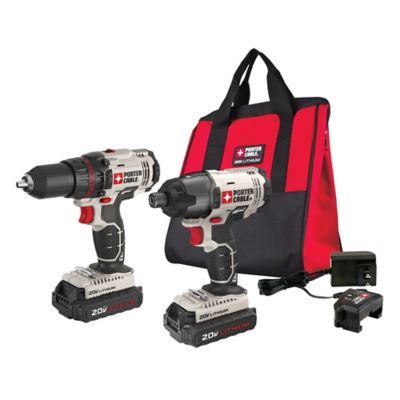
Tool gifts for men make the most sense when they match the work a fellow actually does, whether that means keeping farm equipment running, handling repairs around the house, or spending a few quiet hours at the workbench. Hand tools, power tools, measuring equipment, and tool storage all serve different purposes, so a useful gift starts with his usual projects and the equipment he already owns. For someone who handles mechanical repairs, tools that fit the SAE or metric fasteners on his equipment can earn a regular place in the shop. A man who builds shelves, repairs gates, or works with lumber may get more out of drilling, fastening, measuring, and layout equipment. Compact multipurpose tools suit small adjustments away from the workbench, while full-size tools offer the grip, reach, and leverage that bigger jobs call for. There is a real difference between tightening a loose cabinet pull and breaking loose a stubborn bolt on a mower; a gift should suit that difference rather than promise to handle everything. A well-matched addition to an existing setup can be more helpful than a large assortment that repeats what is already in the drawer. Sets make sense for someone starting a home workshop, especially when the pieces cover a useful range of sizes and have clearly marked storage spaces. For a more experienced tool owner, a missing size, better access in tight spaces, or a more comfortable grip can be the detail that matters. Cordless equipment also brings battery compatibility into the picture. Matching voltage alone does not establish compatibility, and batteries and chargers need to belong to a manufacturer-approved system. The weight of a battery matters, too, particularly when a tool spends much of its working time above shoulder height. These practical details help make tool gifts feel thoughtful without turning the gift into something that requires a whole new setup before the first job can begin.
Materials, construction, and fit help determine how a tool feels in the hand and how well it holds up through repeated work. Steel composition, heat treatment, joint construction, and protective finishes all play a part, although no single finish tells the whole story. Chrome finishes can make grime easier to wipe away, while some other coatings require a light protective treatment according to the manufacturer’s care directions. Cutting edges need a different balance of hardness and toughness than striking surfaces, which is one reason tools should match their intended tasks. Standard sockets are not substitutes for impact-rated sockets when working with an impact wrench. Likewise, a compact folding tool is handy for light work but does not replace a properly sized wrench when a fastener needs substantial force. Handle shape deserves attention alongside the working end. A grip that fits the hand without forcing an awkward wrist angle can make repeated fastening or gripping feel more manageable. Oversized handles are not automatically more comfortable, especially for someone with smaller hands, and heavily textured surfaces may feel different with gloves than they do barehanded. Balance matters with power tools, since a front-heavy setup can become tiring during a long stretch of work. Reach and clearance matter just as much in a crowded engine compartment or beneath a sink, where a tool has to fit the space before it can do its job. Measuring and layout tools bring another kind of usefulness: readable markings, sensible reference points, and steady locking mechanisms support consistent work from the first mark to the final fit. For anyone who takes pride in a square shelf or a gate that swings cleanly, those details have everyday value. Eye protection and other task-appropriate safety gear belong alongside the tools, with equipment selected for the hazards involved rather than treated as an afterthought.
Storage and care can turn a useful tool gift into something that stays useful for years. A carrying case or organizer works best when its compartments fit the tools it needs to hold, its latches close securely, and its loaded weight stays manageable. Someone moving between the house, barn, and truck may appreciate portable storage, while a fellow with a regular bench setup may prefer a clear arrangement that keeps frequently reached-for tools close at hand. Marked compartments also make it easier to notice a missing piece before leaving a job behind. Wall storage needs mounting hardware and a supporting surface suited to the loaded weight; an open patch of wall alone does not establish a safe mounting spot. Care requirements vary by material and tool type, but removing dirt, wiping away moisture, and following the maker’s lubrication directions help protect working surfaces and moving parts. Batteries need storage and charging practices that follow their instructions, and cutting tools need edge care suited to the blade rather than a one-size-fits-all treatment. Replaceable wear parts can matter over time, especially for equipment that sees steady work. These considerations fit gifts for a dad who keeps the place running, a husband setting up a shop, a brother working on equipment, or a friend tackling repairs in a first home. The strongest connection is to the recipient’s interests, not simply the size of the case or the number of pieces inside it. For someone whose projects reach beyond the shop and into the house,
Home Improvement Gifts For Men offers another place to explore gifts connected to those jobs. Whether the occasion is a birthday, retirement, or a thank-you for lending a hand, tools can carry a personal meaning when they reflect the work he enjoys. A gift that fits his hands, his workspace, and his regular tasks has a straightforward appeal: it belongs where the work gets done.