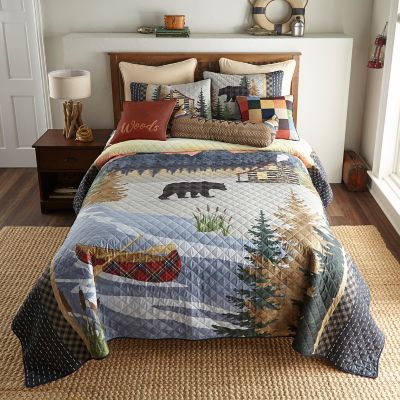
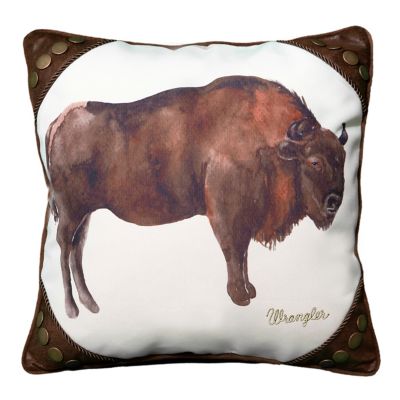
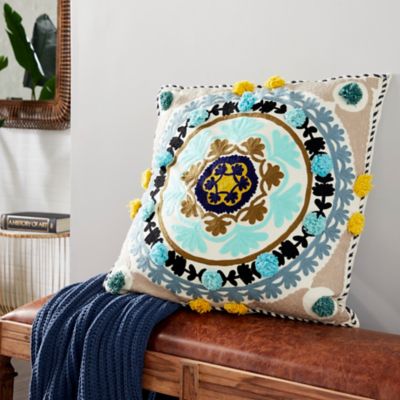
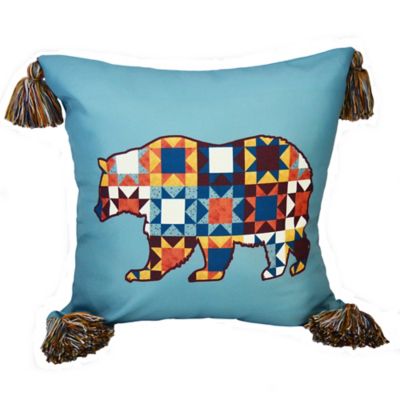
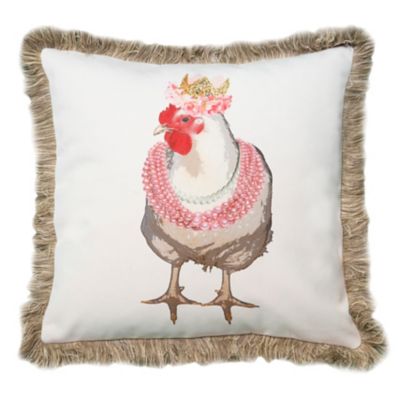
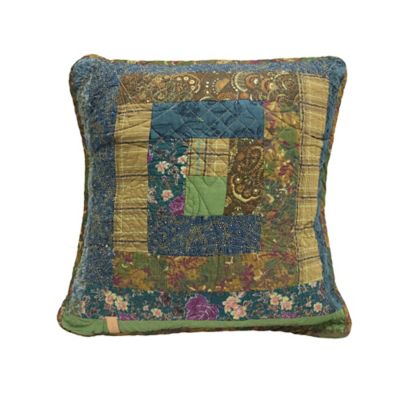
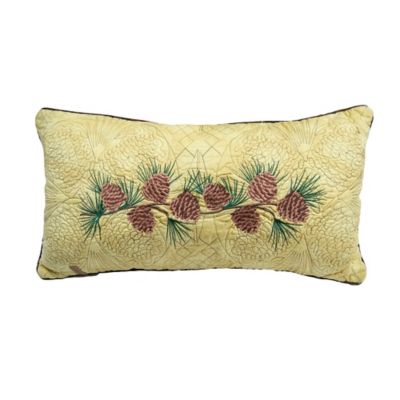
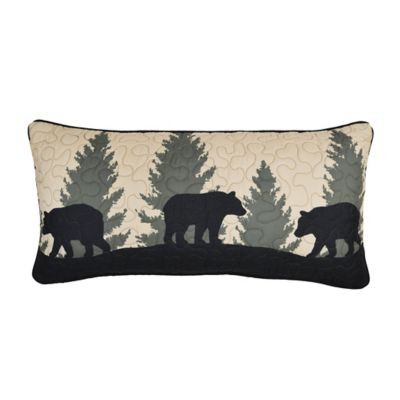
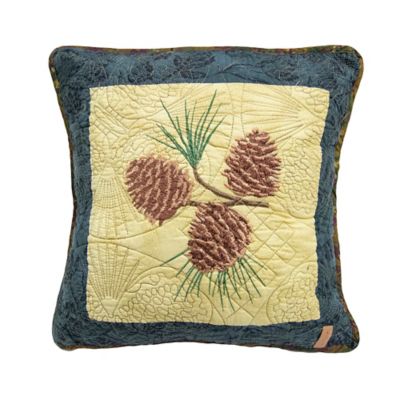
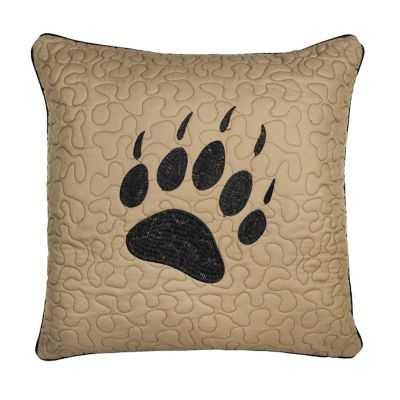
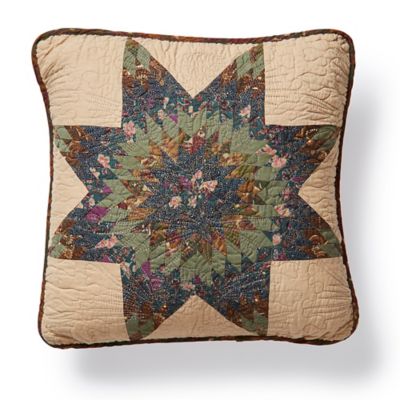
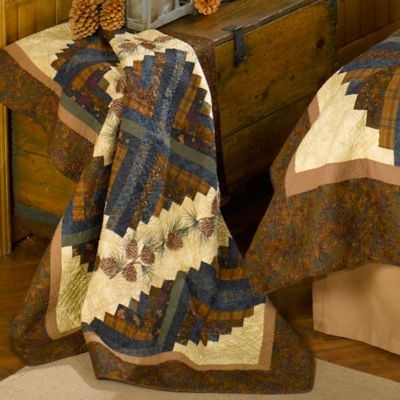
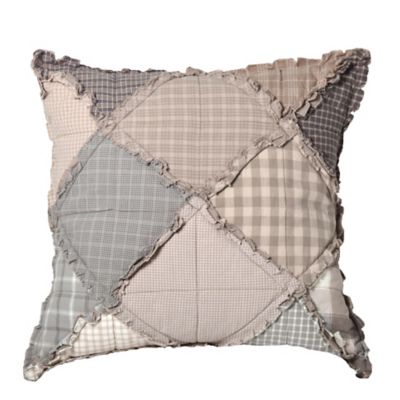
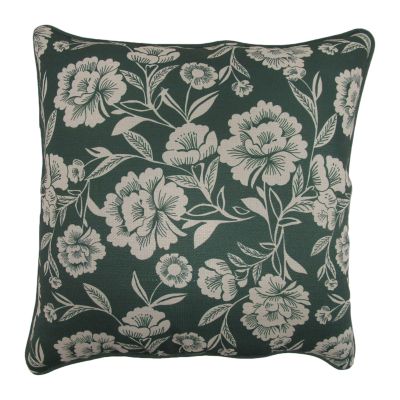
Throw pillows for the bed bring color, texture, and a finished look to the place where the day winds down. The right proportions depend on the width of the mattress, the height of the headboard, and how much space you want to leave for sleeping pillows. A twin bed can look pulled together with one square pillow and a small rectangular accent, while a queen or king has room for a wider arrangement without feeling crowded. Common square sizes range from 16 to 24 inches, with smaller pillows adding a finishing touch and larger ones giving the arrangement more height. Rectangular lumbar pillows provide a lower, longer shape that sits neatly in front of square pillows. Larger pillows toward the back and smaller shapes up front create depth, but a simple pair can look just as settled as a fuller arrangement. Matching pairs give a bed an orderly feel, while mixed sizes make the look more relaxed. Color makes a difference, too. A shade pulled from a quilt, rug, or curtain helps the room feel connected without making every fabric match. Cream, tan, soft gray, and earthy brown work easily with wood furniture and patterned bedding, while deeper colors can give a plain comforter a stronger focal point. Stripes, checks, florals, and woven patterns bring their own character, especially when one pattern leads and the others stay quieter. On a bed with a busy patchwork quilt, solid pillows let the stitching and fabric pieces remain in view. With simple bedding, a patterned pillow can do more of the visual work. A low headboard often looks better with shorter pillows that leave its shape visible; a tall headboard has room for larger squares. The aim is a bed that feels welcoming at the end of a long day, not a stack of pillows that takes over the mattress or needs a spare chair just to clear a place to sleep.
Fabric and fill shape how bed throw pillows look, feel, and stand up to everyday handling. Cotton covers offer a familiar, comfortable feel and work well with everything from crisp sheets to a well-loved quilt. Linen brings a more relaxed surface with visible texture, while velvet adds a soft sheen that changes with the direction of the pile. Woven fabrics, ribbed surfaces, embroidery, and tufting add interest even when the colors stay close together. Smooth covers tend to slide into a neat arrangement, while heavily textured faces give a plain bed more depth. For a bedroom that also serves as a spot to read, talk on the phone, or sit while pulling on boots, comfort matters as much as appearance. A firmly filled pillow can feel steadier behind the lower back during a short rest, while a softer fill settles more readily beneath an arm. Throw pillows are accents rather than replacements for sleeping pillows, so their shape and firmness serve a different purpose. Polyester fill generally gives a springy, full look; feather or down blends tend to compress more and may need regular fluffing. Anyone sensitive to feather fills may prefer a clearly labeled alternative. Pillow inserts and covers also need compatible measurements. An insert that is too small can leave loose corners, while one that is too large may strain the closure or make the pillow feel stiff. Some covers work with a slightly larger insert for a fuller shape, but the maker’s sizing directions matter more than a blanket rule. Well-finished seams, secure closures, and firmly attached trim are worth a close look on pillows that get moved every day. Beads, tassels, and long fringe add detail, though simpler edges may be a better fit where children or pets spend time. A concealed zipper allows the cover to come off without interrupting the pattern, while an envelope closure offers access without a zipper.
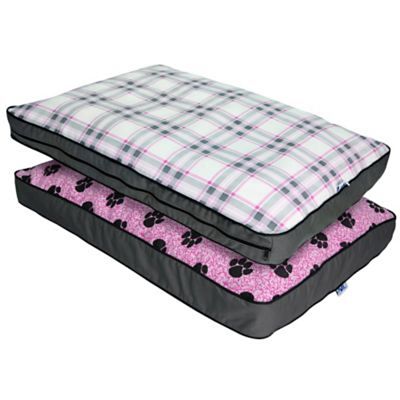
Everyday care deserves a place in the decision, particularly for beds shared with pets, guest rooms that see regular visits, or bedrooms where pillows end up on a bench each night. A removable cover can make routine cleaning easier, but removable does not automatically mean machine washable. The care label determines whether a cover needs spot cleaning, hand washing, machine washing, or professional attention, and the insert may have different requirements. Embroidery, textured yarns, and certain trims can call for gentler handling than a plain woven face. Prompt attention to spills helps keep a small mishap from spreading, and testing a cleaning method on an inconspicuous area helps protect the fabric’s appearance. Covers and inserts should be fully dry before they go back together. Regular fluffing and occasional rotation help distribute handling across the pillow rather than leaving the same edge compressed against the headboard. A bench, basket, or open shelf gives extra pillows a place to land at bedtime instead of the floor. For homes with a four-legged companion nearby, a separate resting spot such as a
Square Pillow Dog Bed can give the dog a place beside the bed while keeping the human bedding arrangement separate. Throw pillows also make a thoughtful housewarming or wedding gift when the recipient’s room colors and cleaning preferences are familiar. A washable cover in a straightforward pattern may suit a busy household, while a richly textured fabric can feel right in a quiet guest room. Covers with compatible inserts offer flexibility when bedding changes, and a restrained set is often easier to work into an established room than several competing patterns. Whether the bed belongs in a farmhouse bedroom, a small apartment, or a spare room down the hall, the most useful arrangement balances appearance with real routines: enough softness for a welcoming finish, enough open space to see the bedding, and no more pillows than the room can comfortably hold.