Thanksgiving Door Wreaths For Country Homes
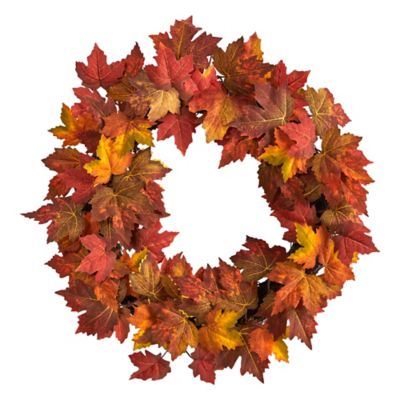
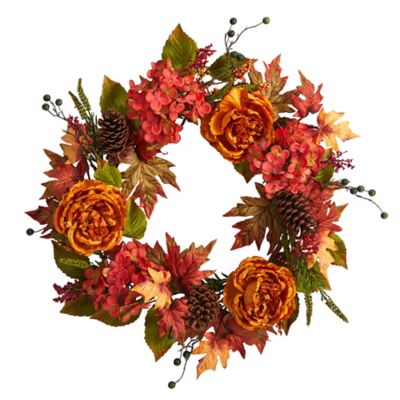
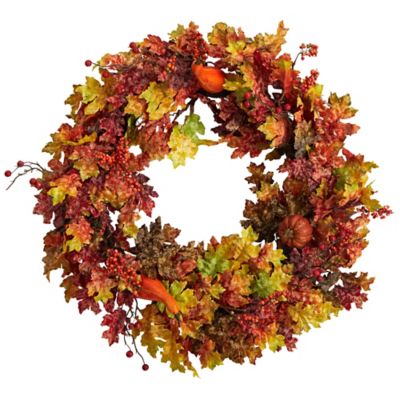
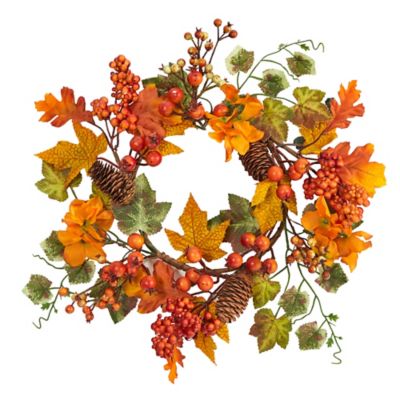
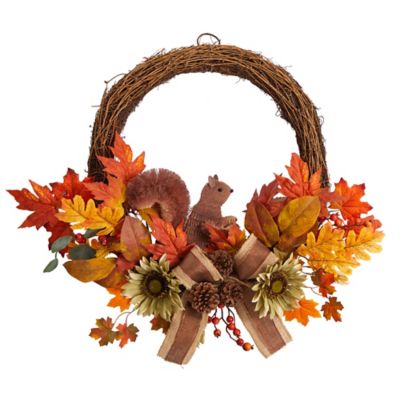
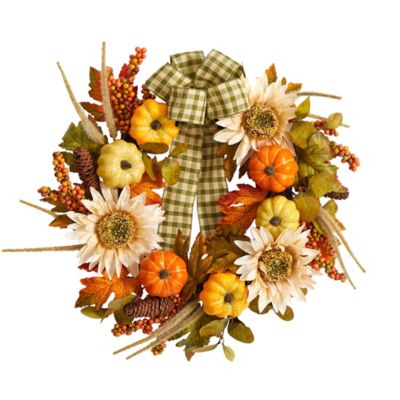
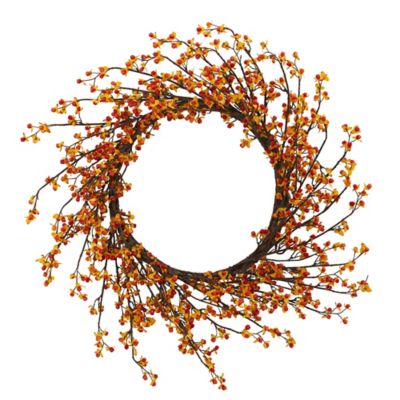
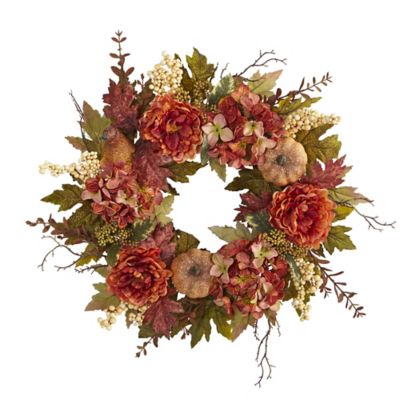
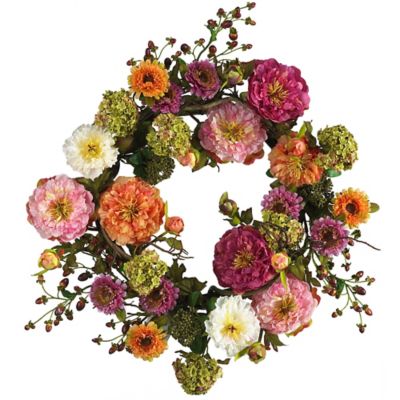
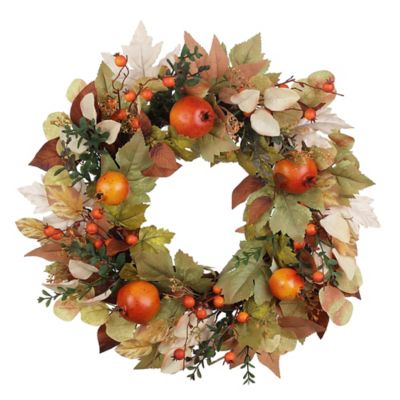
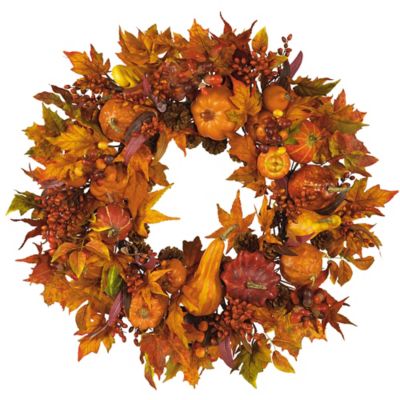
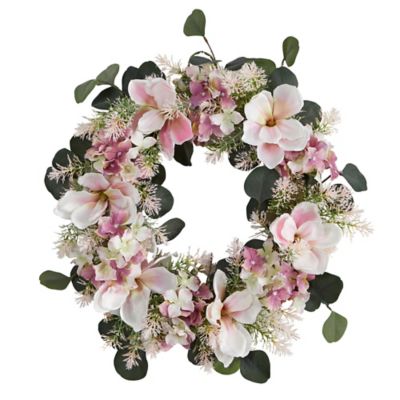
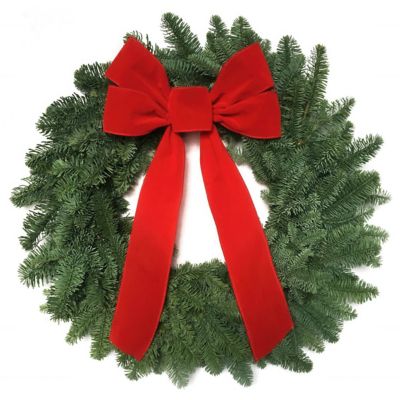
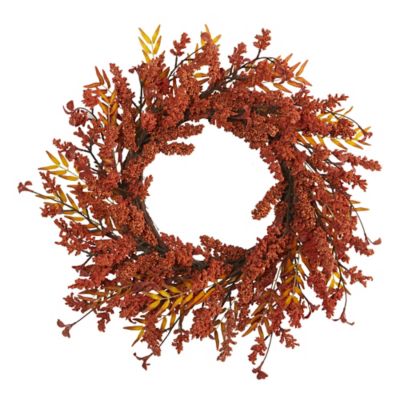
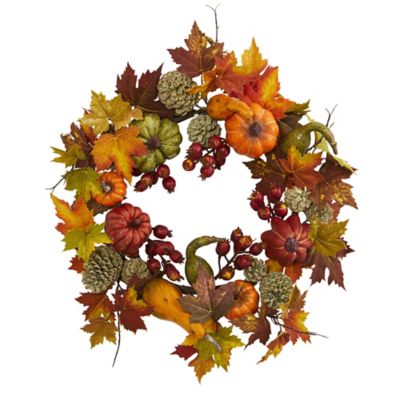
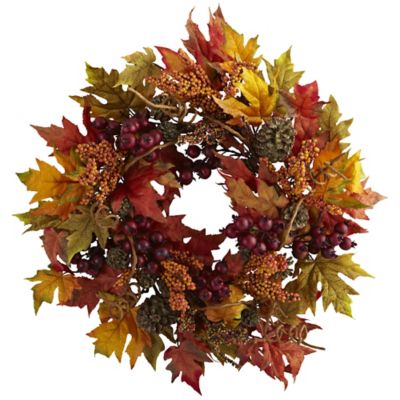
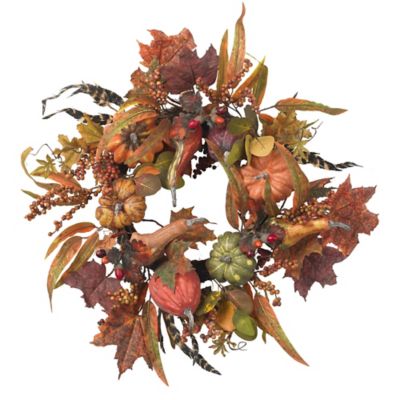
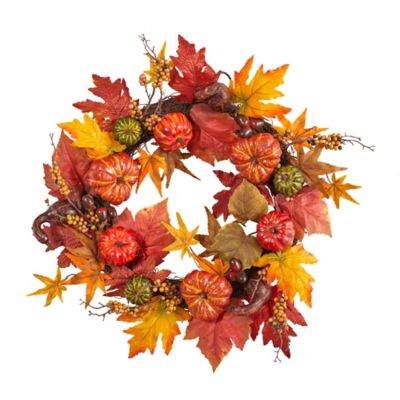
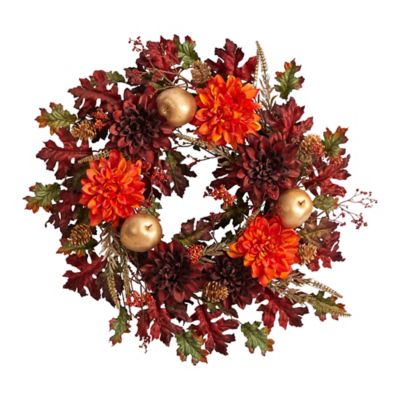
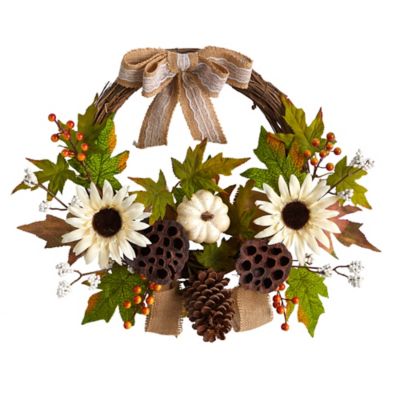
Thanksgiving Door Wreaths For Country Homes bring a warm, festive touch to your front porch, letting friends and family know they're in for a cozy holiday gathering. Whether you're sprucing up the farmhouse or adding a little seasonal cheer to your cabin, these wreaths capture the spirit of fall with rustic charm. Perfect for greeting guests or just enjoying the view from your own front steps, Thanksgiving Door Wreaths For Country Homes help set the scene for a memorable holiday season out in the country.
$29
.99
Sale Was $39.99 Save $10.00 (25%)
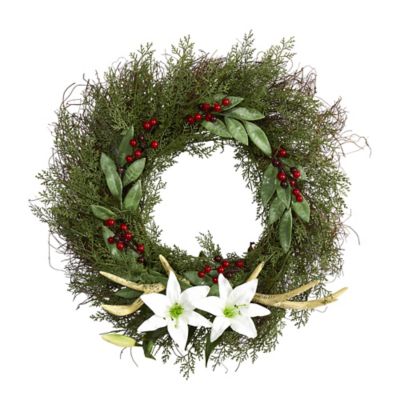
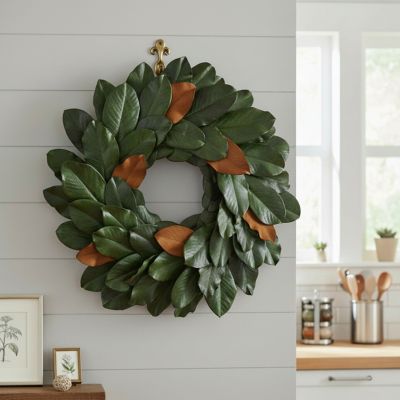
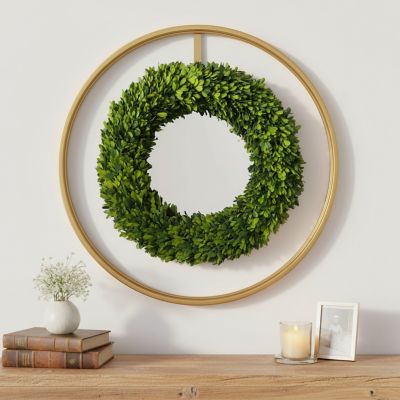
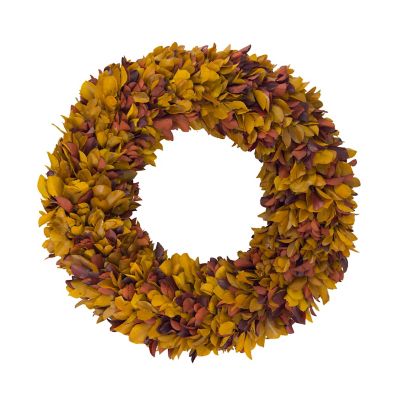
Best Of FAQ
What materials are commonly found in Thanksgiving door wreaths for country homes?
Thanksgiving door wreaths for country homes often feature natural materials such as dried corn husks, wheat, pinecones, burlap, faux berries, autumn leaves, and rustic ribbons to create a warm and inviting look.
How can I style a Thanksgiving wreath to match my country home aesthetic?
To complement a country home setting, choose wreaths with earthy tones and natural textures. Adding elements like plaid bows, miniature pumpkins, or wooden accents can enhance the rustic charm and blend seamlessly with farmhouse surroundings.
Are Thanksgiving door wreaths suitable for both indoor and outdoor display?
Many Thanksgiving door wreaths are designed for versatility and can be displayed on front doors, entryways, or even indoors above mantels. However, it's best to place them in covered areas if outdoors to protect from harsh weather.
How do I care for and store my Thanksgiving door wreath after the season?
To preserve your wreath, gently dust it off before storing. Place it in a sturdy box or wreath storage container in a cool, dry place to prevent damage or fading until next season.
What themes or colors are popular for Thanksgiving wreaths in country homes?
Popular themes include harvest motifs with pumpkins, gourds, and sunflowers. Traditional fall colors like orange, gold, brown, deep red, and muted greens are commonly featured to evoke a cozy autumn feel.
Best Sellers
-
"I love it. I have it hanging over the fireplace all year round"
-
"I love it. I have it hanging over the fireplace all year round"
-
"Was okay it was delivered until next day but was not happy wreath was not in best shape, pine needles"
-
"Great quality and festive"
-
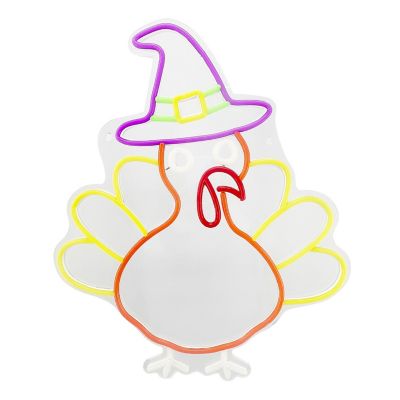
"This lighted turkey makes a great display in your windows, covered patio or on a wall to brighten your"