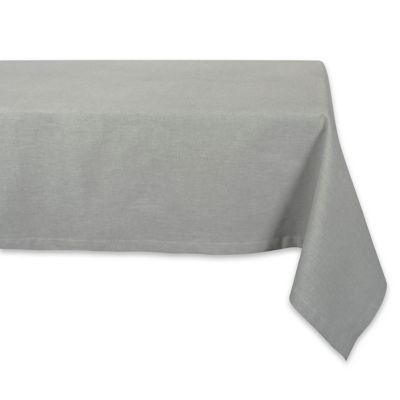
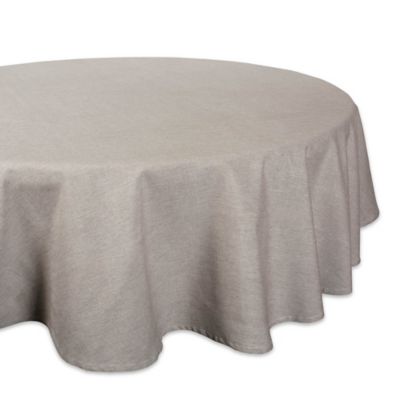
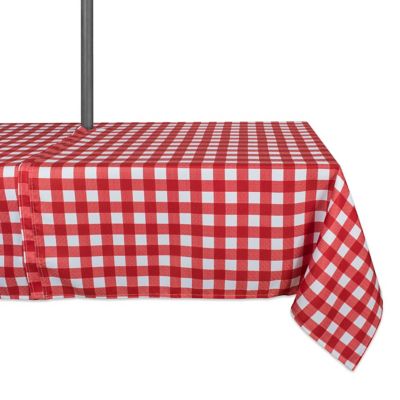
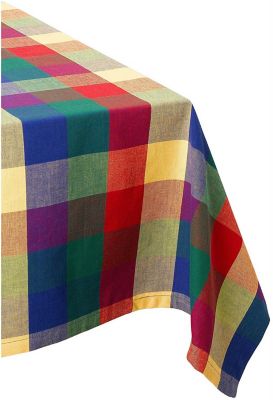
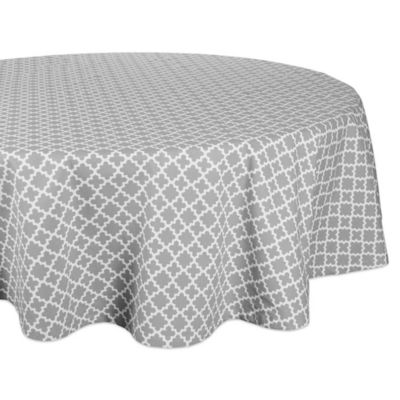
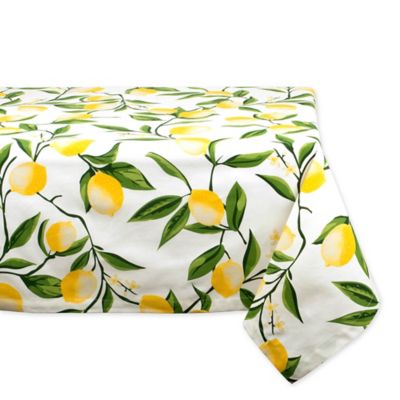
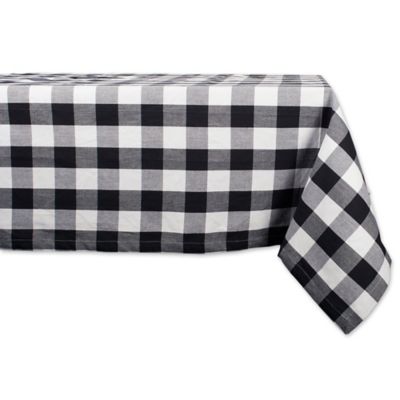
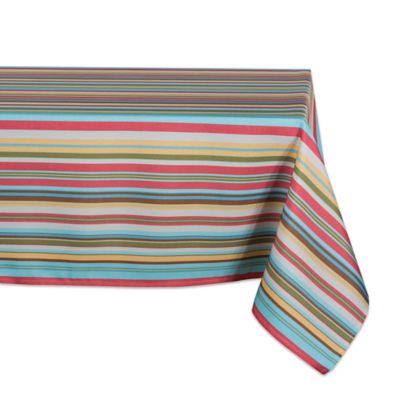
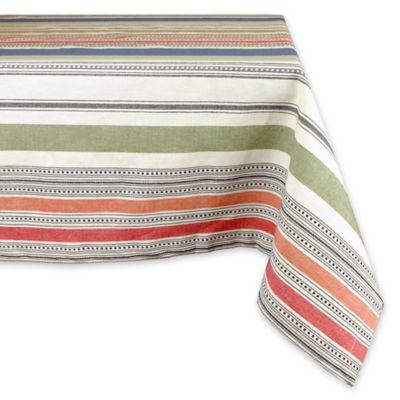
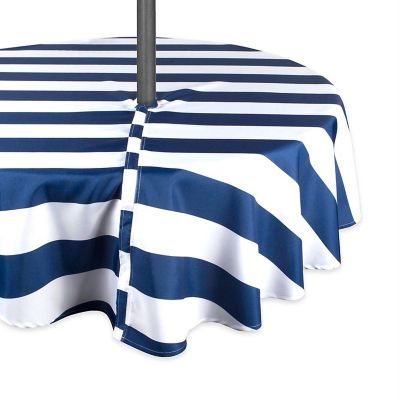
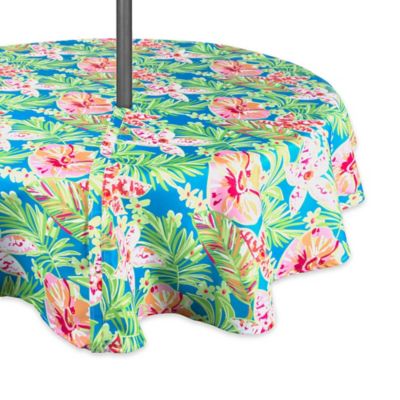
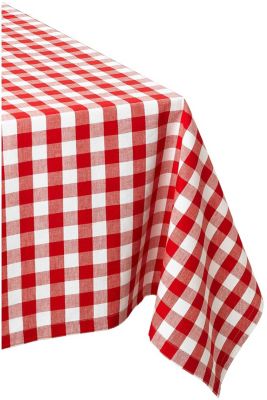
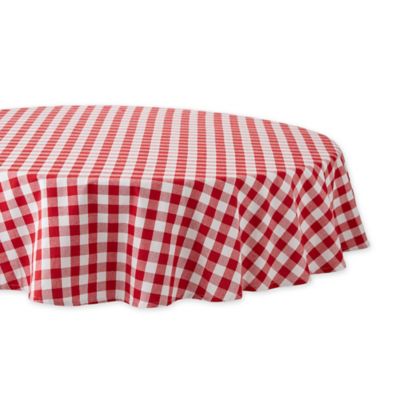
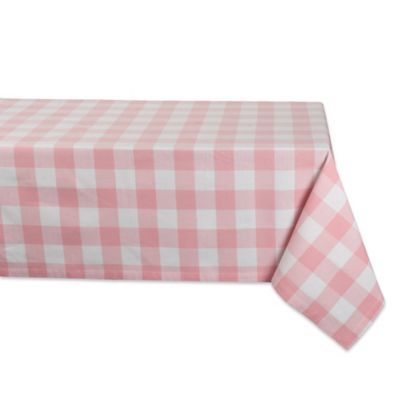
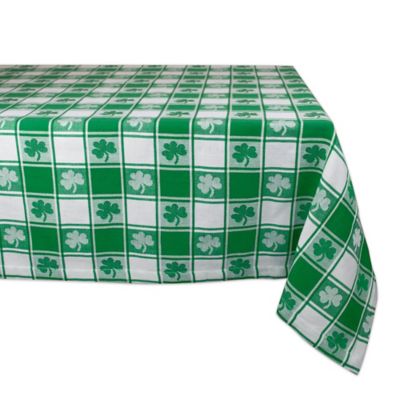
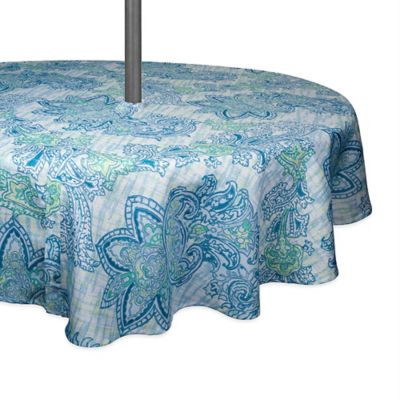
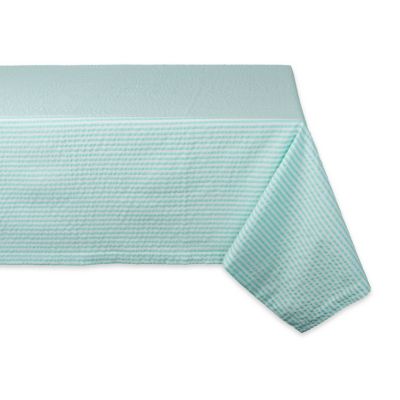
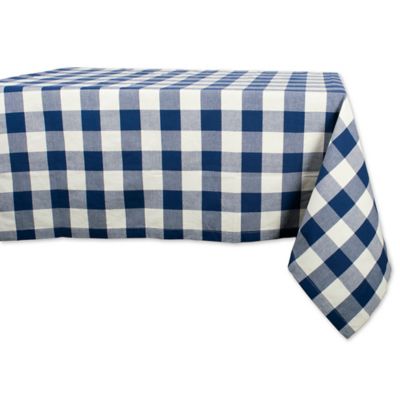
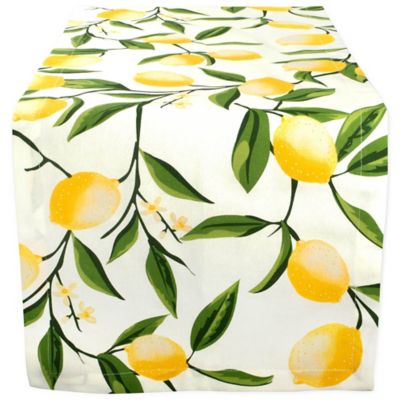
Tablecloths for spring bring soft color, fresh patterns, and a welcoming feel to kitchen tables, dining rooms, and porch gatherings. Florals, leafy prints, gingham checks, and butterfly or bee motifs all suit the season, while solid shades such as sage green, pale blue, butter yellow, and cream leave room for colorful plates and flowers. A small floral print can feel right at home on a breakfast table beside a sunny window; a larger pattern has more room to show across a long table set for Sunday dinner. For a farmhouse setting, simple checks or a cotton cloth with a subtle woven texture work well with everyday stoneware, wooden chairs, and a pitcher filled with cut stems. Spring table linens can also give a folding table a more finished look for a family meal, church luncheon, or backyard birthday celebration. The best match depends on more than the print: material, table shape, cloth size, and cleanup needs all affect how comfortably a tablecloth fits into daily life. Cotton offers a soft feel and a relaxed drape, polyester often makes laundry easier, and a wipe-clean surface can be practical where spills are part of the meal. Lighter backgrounds keep a setting airy, though gravy, berry juice, and muddy fingerprints may show more clearly against them. A busier pattern can make small marks less noticeable between washings without taking attention away from the food. Coordinating a patterned cloth with plain napkins helps keep the table from feeling crowded, especially when serving bowls and platters fill the center. A solid tablecloth also makes a useful foundation for patterned dishes that come out for family occasions. Spring colors do not have to mean an entirely pastel table, either. Soft green against dark wood, blue checks beside white plates, or a cream background with red and yellow flowers can bring in the season while still feeling comfortable in a hardworking country home.
Fabric and finish make a difference when a table serves several purposes throughout the day. A cotton spring tablecloth suits sit-down meals and casual gatherings, with a natural texture that pairs easily with woven placemats and cloth napkins. Cotton can absorb spills and may wrinkle or shrink, so the care label matters, particularly when the cloth starts out close to the minimum size needed. Linen has a textured surface and an easy drape, with creases that are part of its relaxed appearance; it may need ironing for a crisper setting. Cotton blends can balance a soft feel with easier upkeep, although washing and drying requirements vary with the fiber mix. Polyester generally resists wrinkles and holds its shape well, making it worth considering for a table that gets reset often or for linens stored between gatherings. Stain-resistant finishes may give a little more time to blot a spill, but they do not make every stain disappear or replace regular cleaning. Vinyl and other wipe-clean table coverings can simplify cleanup after pancake breakfasts, children's craft sessions, and meals on a covered porch. Some have a backing that cushions contact with the tabletop, though the backing and surface finish should be suitable for the furniture beneath them. Water-resistant and waterproof are different claims, and neither automatically means a cloth can stay outdoors through repeated rain and sun exposure. For outdoor meals, check the intended use and bring the covering inside afterward unless its care information says otherwise. Tablecloth clips can help keep edges from lifting in a breeze, provided they fit the table thickness and do not damage the cloth or finish. No ordinary tablecloth takes the place of a trivet beneath a hot casserole dish, and dampness should not sit trapped against a wood tabletop. Blot spills promptly, follow the stated washing temperature, and check whether bleach, machine drying, or ironing is permitted. Letting a cloth dry fully before folding helps prevent musty odors, while neat storage makes setting the next table less of a chore.
A well-fitting spring tablecloth gives everyone room to sit, slide in a chair, and reach for the biscuits without tugging at the edges. Start with the tabletop's shape and measurements rather than its seating capacity, since two tables that both seat six can have quite different dimensions. Rectangular cloths generally suit rectangular tables, square cloths suit square tables, and round cloths give a circular tabletop an even drop. Oval tables often work with oval coverings or rectangular cloths, though a rectangular shape leaves longer points at the corners. For everyday dining, an overhang of about 6 to 10 inches on each side is a common starting point; a longer drop can suit a more dressed-up meal if it stays clear of chair seats and guests' laps. Add twice the desired drop to both the length and width of a rectangular tabletop. For example, a 36-by-60-inch table with a 12-inch drop needs a 60-by-84-inch cloth. For a round table, add twice the drop to the diameter: a 42-inch tabletop with a 9-inch drop calls for a 60-inch round cloth. Measure with any extension leaves in place, and remember that rounded corners, thick table edges, and shrinkage can change the final hang. Shorter drops can be more manageable around young children and on busy serving tables where guests walk past with full plates. For Easter lunch or a spring family reunion, leave enough open surface for shared dishes rather than filling every spot with accents. A low jar of flowers keeps conversation easy across the table, and washable napkins help the setting handle a second helping. A tablecloth can also make a thoughtful housewarming or hostess gift when the recipient's table measurements and laundry preferences are known. For a celebration centered on Mom, a
Tablecloth For Mother's Day offers a related direction for a breakfast spread or family lunch. Whether the occasion calls for flowers and place settings or sandwiches passed around the kitchen table, a spring cloth should feel inviting and fit the way the household gathers.