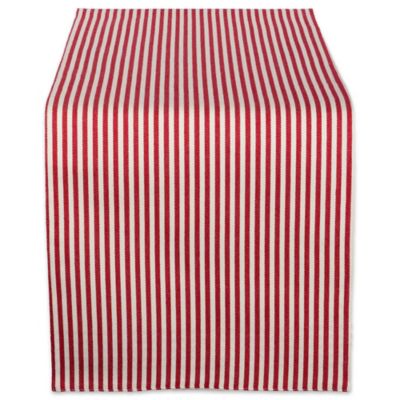
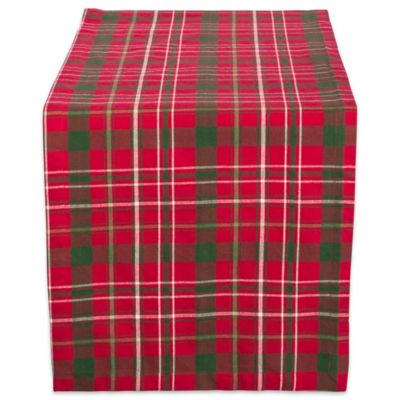
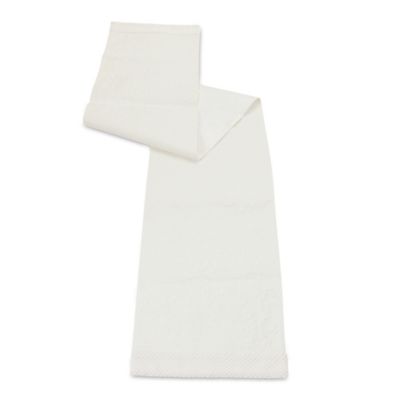
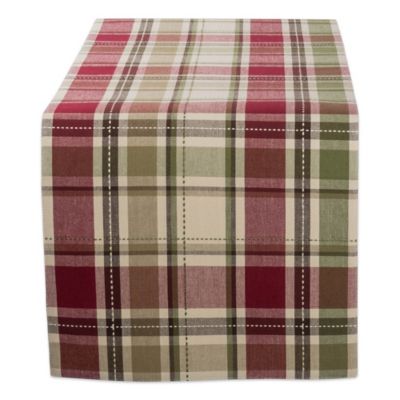
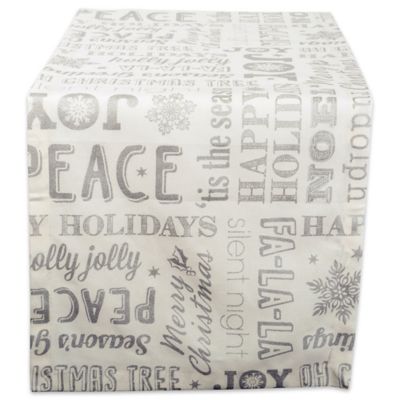
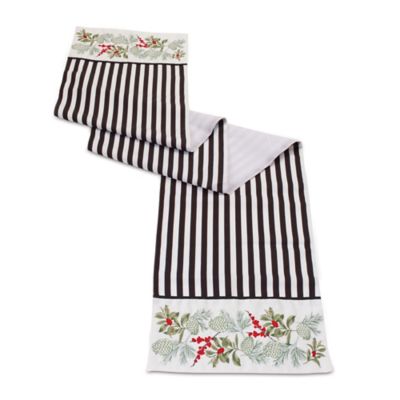
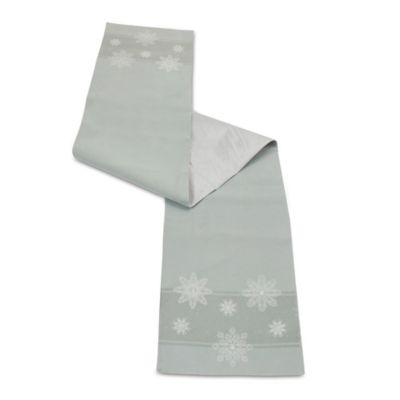
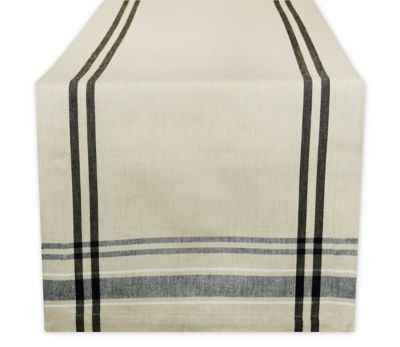
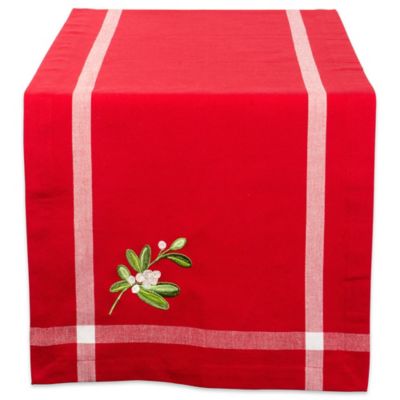
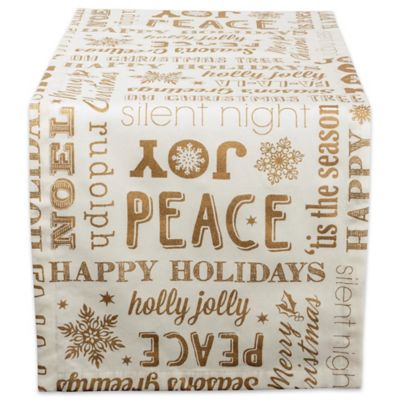
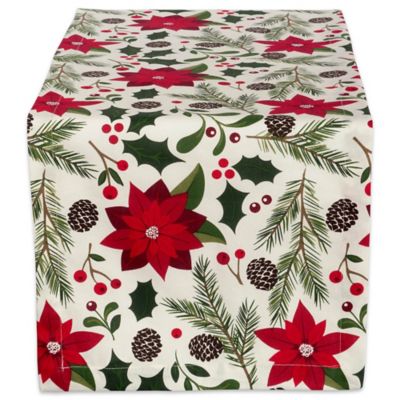
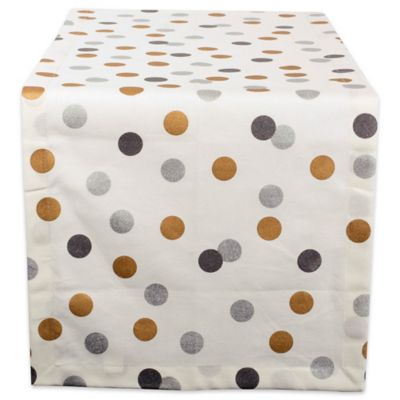
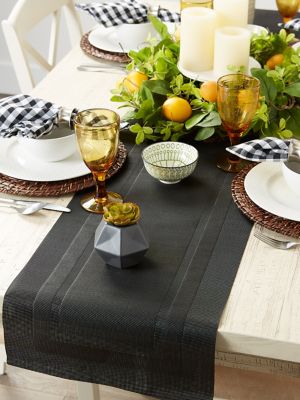
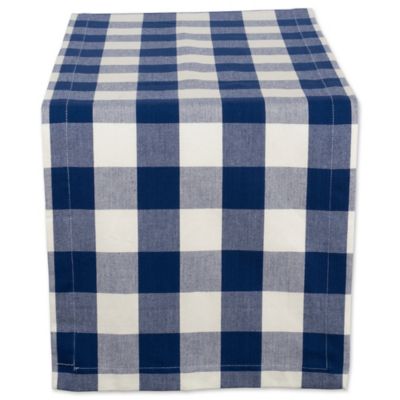
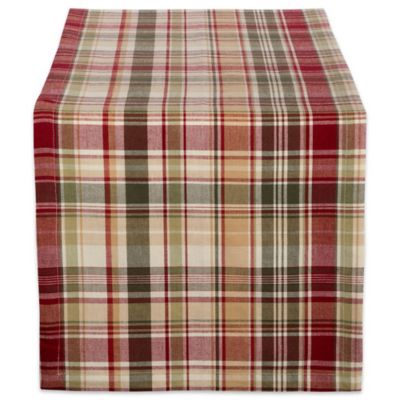
A table runner for Christmas dinners adds color, texture, and a festive focal point while leaving part of the tabletop showing. It can stretch beneath a line of serving dishes, frame a bowl of ornaments, or bring a little Christmas cheer to a plain kitchen table without covering the wood from edge to edge. Traditional red and green patterns suit gatherings with familiar dishes and family favorites, while ivory, natural linen tones, and deep evergreen shades give the setting a quieter feel. Plaid checks look right at home beside stoneware plates and a sturdy oak table. Christmas trees, holly, reindeer, and snowflakes bring more of the holiday into the pattern, while embroidery, woven stripes, and contrasting borders add interest without needing much else on the table. The relaxed character of
Farmhouse Table Runners fits naturally with Christmas settings built around simple linens, greenery, and dishes passed down through the family. Fabric makes a difference in how a runner looks and handles a meal. Cotton generally has a soft, familiar feel and works well for a casual dining space. Linen has a more textured surface and a relaxed drape, with creasing that becomes part of its appearance. Cotton-linen blends combine characteristics of both fibers, though the exact feel depends on the weave and blend. Polyester can offer a smooth finish and may resist wrinkling, depending on its construction. Burlap brings a coarse, rustic texture, but its open weave and rough surface make it better suited to a centerpiece area than a spot where crumbs and gravy are likely to collect. A woven runner with a flat surface generally leaves more room for steady placement of serving pieces than one with raised stitching or thick appliqués. For a busy family dinner, the right fabric is as much about how the table functions as how it looks.
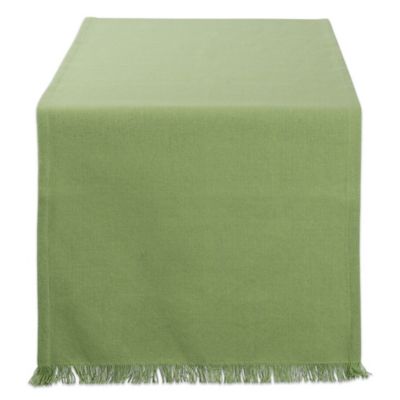
The fit of a Christmas table runner depends on the table’s shape, its finished length, and how much space the meal needs. A common choice is a runner about one-third the width of the table, leaving a visible border on each side for place settings. On many rectangular dining tables, a width around 14 to 18 inches creates a defined center strip without taking over the surface, but narrower tables may need less fabric between the plates. For an overhanging runner, a drop of about 6 to 12 inches at each end is a familiar proportion. A 60-inch-long table, for example, would take a runner roughly 72 to 84 inches long for that range of overhang. Those measurements should include any extension leaves that will stay in place for dinner. Fringe and tassels also affect the finished appearance, so the listed dimensions deserve a close look. A shorter runner that stays entirely on the tabletop can be a practical choice when children sit at the ends or when a bench makes hanging fabric easy to catch. Round and oval tables can carry a runner across the center, with the pattern drawing the eye toward a low arrangement rather than following every curve of the tabletop. The same Christmas linen can also work on a buffet, sideboard, or narrow console holding dessert plates and napkins, provided the width leaves everything sitting level. At a crowded dinner, a runner looks best when it leaves enough room to pass bowls, set down bread, and reach a glass without bumping the centerpiece. Low accents keep conversation easy across the table, and a little open space around serving dishes makes the whole setting feel more welcoming. A runner should help pull the meal together, not turn every reach for the potatoes into a balancing act. Flat borders and tidy corners are especially useful where plates, chair backs, and sleeves come close to the fabric.
Care requirements matter when cranberry sauce, candle wax, and a full house are part of the occasion. Machine-washable construction can simplify cleanup, but the care label should determine the wash temperature, drying method, and whether ironing is appropriate. Fiber content alone does not settle those questions: embroidery, metallic thread, fringe, backing, and attached accents may call for gentler treatment than the main fabric. Cotton and linen can shrink, particularly with heat, while some synthetic fabrics need low iron settings or no direct ironing at all. Prompt attention to spills helps limit staining; blotting rather than rubbing is generally kinder to the weave and keeps a small mark from spreading. Any stain treatment should follow the fabric’s care directions and be tested on an inconspicuous area first. A runner is not a substitute for a trivet, even when the fabric feels thick. Hot casserole dishes, roasting pans, and kettles need suitable heat protection underneath, and a runner alone should not be counted on to block moisture from reaching a wood finish. Open flames belong well away from fabric, fringe, and greenery; flameless candles can bring a soft glow without a flame near the centerpiece. For repeated Christmas gatherings, close-set weaving, secure hems, and firmly attached accents are worth considering, especially on a table that sees breakfast, baking projects, and dinner in the same day. A simpler pattern can carry from Christmas Eve supper to Christmas morning breakfast, while a more detailed runner may be reserved for the main gathering. It can also make a thoughtful gift for someone who enjoys hosting, particularly when the table size and preferred colors are already known. Neutral grounds, restrained checks, and easy-care fabrics leave plenty of room for the recipient’s own dishes and traditions. After the celebrations, a clean, fully dry runner stores best away from dampness and direct sunlight. Folding it loosely or rolling it around a suitable support can help limit deep creases, leaving it ready for another Christmas meal around the table.