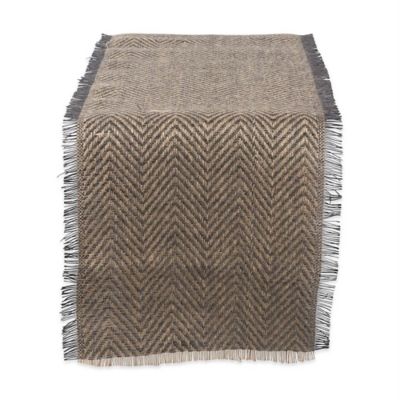
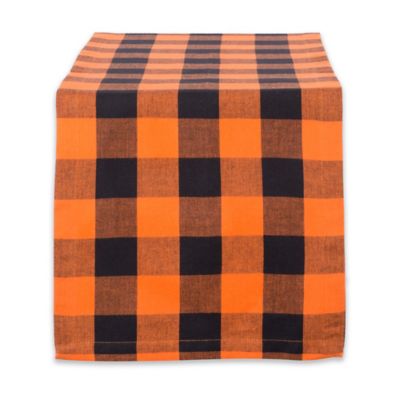
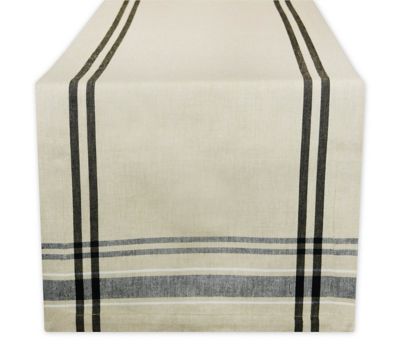
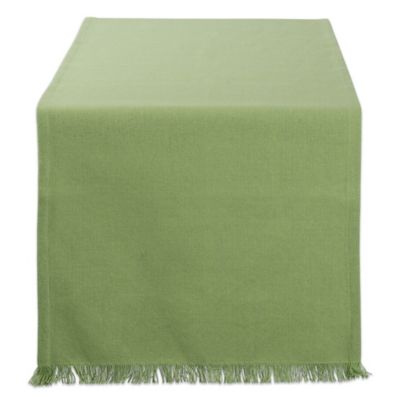
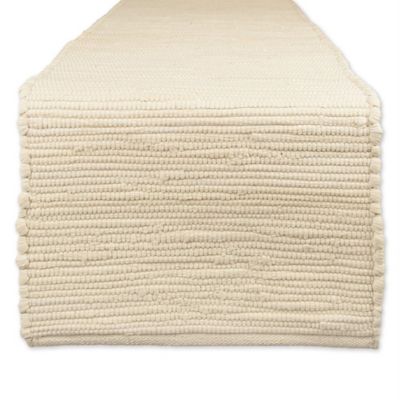
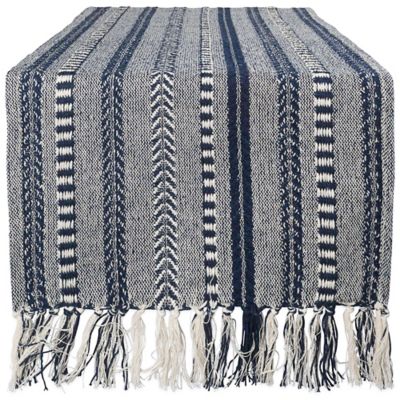
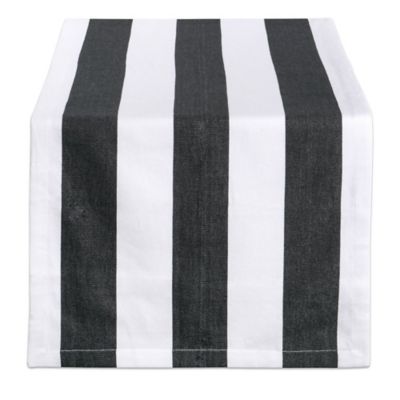
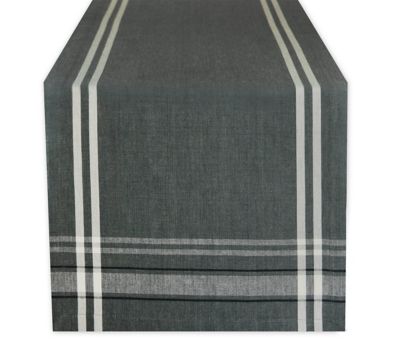
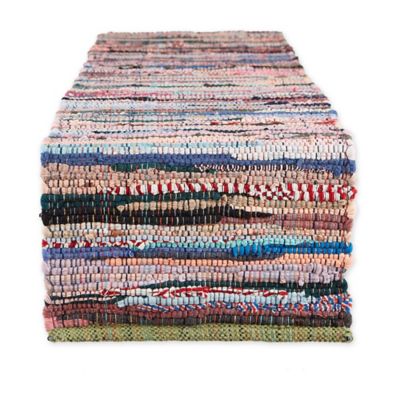
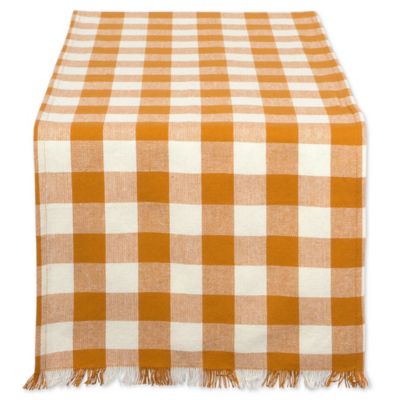
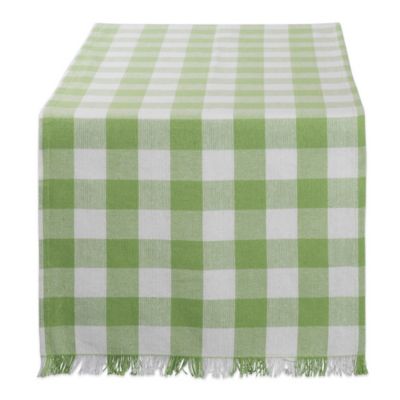
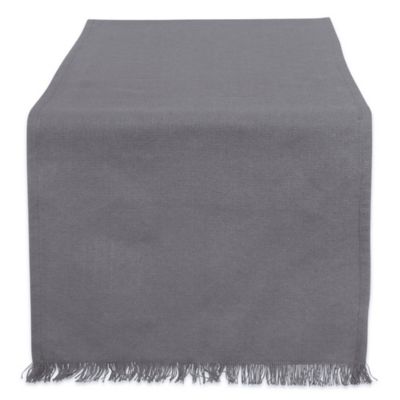
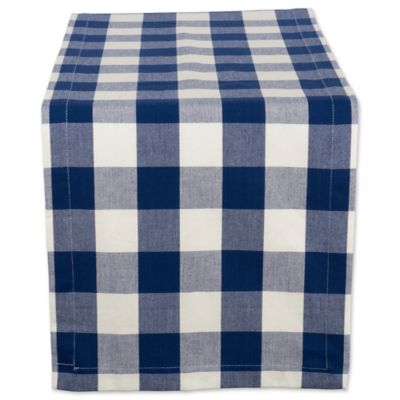
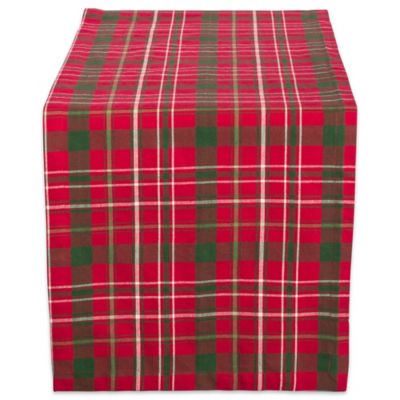
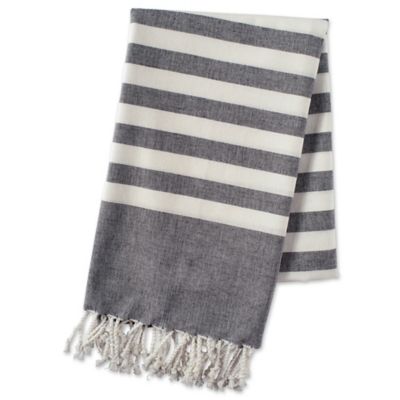
Farmhouse table runners are narrow lengths of fabric that bring a relaxed, country feel to a tabletop while leaving much of the wood, painted finish, or other surface in view. They give a kitchen table, dining table, or sideboard a finished look without the full coverage of a tablecloth. The style fits naturally alongside spindle-back chairs, stoneware dishes, woven baskets, and a pitcher of fresh-cut flowers, but it can feel just as at home with simple white plates and clean-lined furniture. Cotton, linen, burlap, and polyester blends each bring a different texture to the setting. Cotton often has a soft, easygoing feel that suits everyday meals, while linen brings a more textured weave and relaxed creasing. Burlap has a coarse, open weave that leans toward a barn-and-farmhouse look, though its texture may feel rough against bare arms and some fabrics can shed fibers. Polyester and linen-look fabrics offer another route to that country style, with wrinkle resistance and care needs that depend on the fabric blend and construction. For a soft fabric that works with everyday place settings,
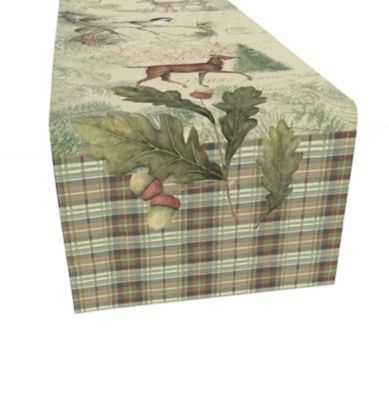
Cotton Table Runners are a natural fit. Cream, oatmeal, tan, gray, and muted green make an easy backdrop for dishes already in the cupboard. Checks, narrow stripes, and plaid bring more pattern to the table, while a solid-colored runner lets the weave and edging stand out. Fringe, tassels, stitched borders, and hemmed edges change the overall feel, from a casual breakfast spot to a table set for company. A smooth runner beneath a pottery bowl looks different from loosely woven fabric beneath a wooden tray, even when both share the same neutral shade. That mix of texture, color, and visible tabletop is what gives farmhouse runners their appeal: a little softness and character, with plenty of room for the table itself to remain part of the setting. The result can be tidy and understated or a bit more rustic, depending on the surrounding furnishings.
The best fit for a farmhouse table runner comes down to the table’s shape, its measurements, and how the household gathers around it. On a rectangular table, a runner often follows the center length, leaving space on either side for plates, glasses, and elbows. A width around one-third of the tabletop is a common starting point, though a narrower strip may suit a small breakfast table and a wider one may better balance a broad dining surface. For a runner that hangs over both ends, an overhang of about 6 to 12 inches per end is common; the total length would be the tabletop length plus twice the intended drop. Fringe and tassels can affect that measurement, so listed dimensions deserve a close look. A runner can also sit entirely on top of the table, framing a low bowl or centerpiece without fabric hanging near chairs. That shorter arrangement can make sense in a busy kitchen, especially where small children might tug on dangling ends. Round and square tables can carry a runner through the middle, with the exposed tabletop keeping the arrangement from feeling crowded. Extension leaves matter, too: a runner that fits a table for four may look quite different once the table stretches out for a family supper. Beyond dining spaces, the same fabric accent can soften a console, dress a buffet, or define a serving area on a sideboard. A flat weave provides a steadier base for trays and serving pieces than thick embroidery or raised stitching. At a working dinner table, keeping drinking glasses and plate edges off bulky seams helps everything sit level. Layering a runner over a plain tablecloth adds contrast, while laying it directly on wood shows off grain and worn-in character. Neither arrangement needs much else. A low centerpiece leaves room for conversation across the table, and a modest amount of fabric keeps the surface practical for passing biscuits, setting down a bread basket, or spreading out a board game after supper.
Everyday farmhouse table runners need to suit the rhythm of the household as much as the room. A breakfast table that sees spilled milk, toast crumbs, and homework calls for different fabric care than a sideboard that mainly holds a lamp and framed photographs. Machine-washable construction can make regular cleanup simpler, but the care label is the deciding factor; not every cotton, linen, or blended runner belongs in the same wash cycle. Some fabrics call for gentle washing, spot cleaning, or professional cleaning, particularly when fringe, embroidery, or attached trim is involved. Cotton and linen may shrink or wrinkle depending on their finish and how they are washed and dried. Heat settings matter, and smoothing the fabric or pressing it according to its label can help a runner lie flat again. Burlap and other loose weaves may catch on rough basket bottoms or develop pulled threads, while neatly finished hems and securely attached trim can help a runner hold up through repeated handling. For households that set the table daily, a flatter surface and simpler edging can mean fewer places for crumbs to collect. Fabric provides a light buffer between furniture and some serving pieces, but a table runner is not a substitute for a trivet, heat pad, or waterproof barrier. Hot cookware still needs proper protection underneath, and liquid can soak through ordinary woven fabric to the finish below. Blotting spills promptly and letting both the runner and tabletop dry before resetting the table helps keep moisture from lingering. When the runner is put away, clean, fully dry fabric stores better than fabric folded with food spots or damp patches. Farmhouse table runners also make thoughtful housewarming or wedding gifts for people who enjoy a welcoming kitchen or gathering friends around a meal. A restrained pattern, a color that works with their dishes, and a length that fits their table make the gift easier to bring into daily life. Whether the setting is a farmhouse dining room or a small kitchen with country touches, the right runner brings warmth to the table without getting in the way of the meal.