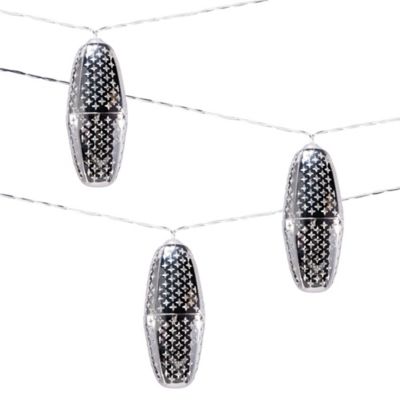
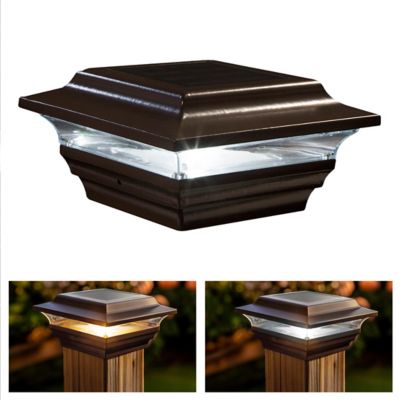
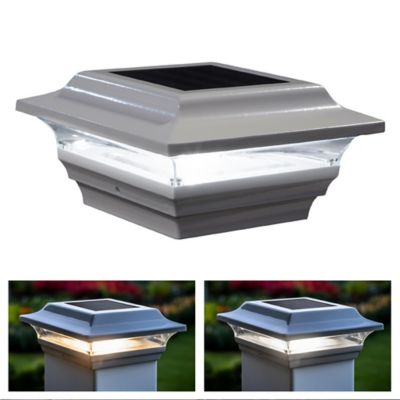
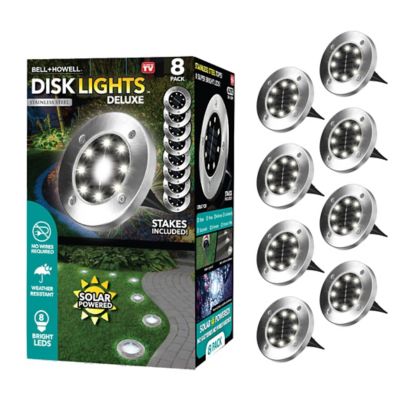
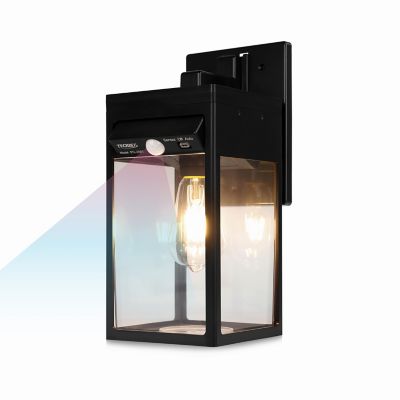
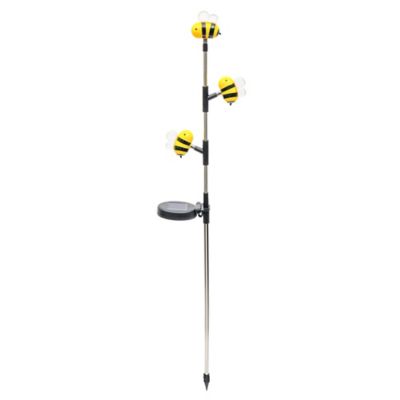
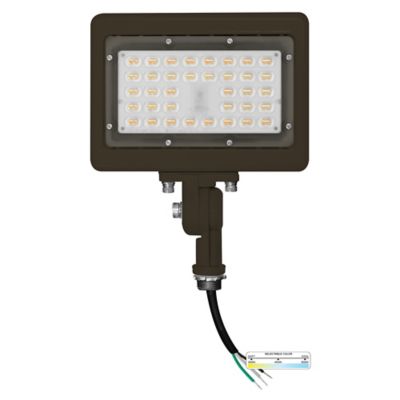
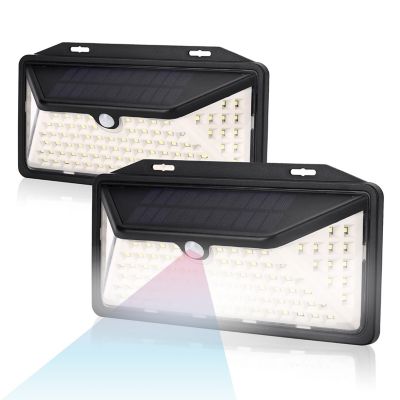
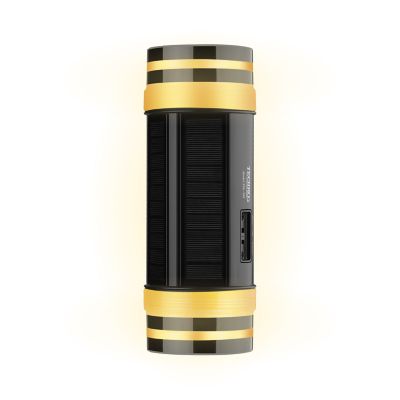
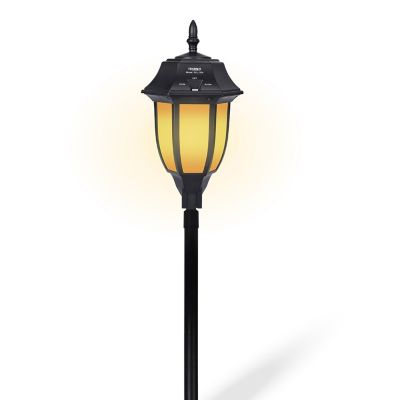
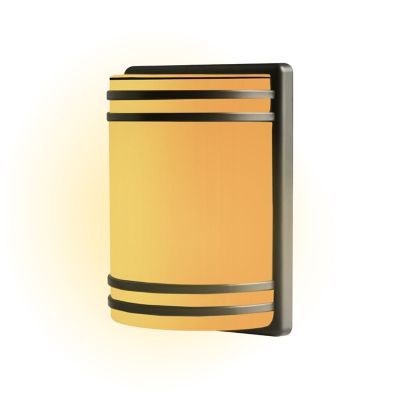
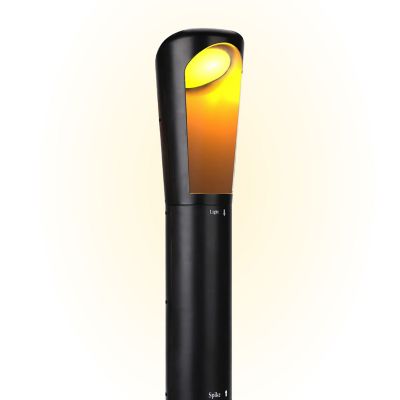
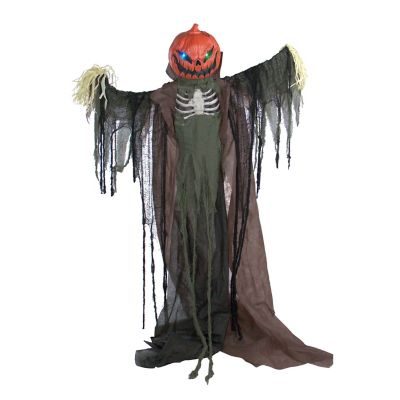
Summerween outdoor lights bring Halloween’s playful side to summer get-togethers, with glowing pumpkins, ghostly shapes and bold colors that feel right at home beside a porch swing or backyard picnic table. The fun is in the mix: a little spooky, a little silly and plenty of room for your own style. Orange light gives a front porch that familiar jack-o’-lantern glow, while purple and green add a haunted-house feel without needing a whole yard full of props. Soft white lighting can tie those colors together and keep a seating area comfortable for visiting after supper. Light strands work well along porch railings and covered gathering spaces, while ground-level lighting can bring attention to a walkway, garden border or small scene near the steps. The size of the space makes a difference, too. A broad farmhouse porch can carry a more spread-out arrangement, but a small stoop often looks better with one clear focal point rather than several competing patterns. Across a long driveway or open lawn, larger shapes and steady bands of color tend to read more clearly than tiny details. Close to the house, smaller accents reward a second look. A coordinated
Summerween Yard Display can connect the lighting around the porch with the scene out in the grass, giving the whole setup a pulled-together look. For family cookouts, a friendly glow around the gathering area keeps the mood lighthearted; for an evening costume party, deeper colors and a few shadowy corners bring more atmosphere. Households with young children may prefer cheerful faces and steady light over sudden flashes. Neighbors sharing a fence line may appreciate a setup that shines toward the celebration instead of through their windows. That balance—enough character to catch the eye without lighting up the whole property—is what makes an outdoor arrangement feel welcoming rather than overwhelming.
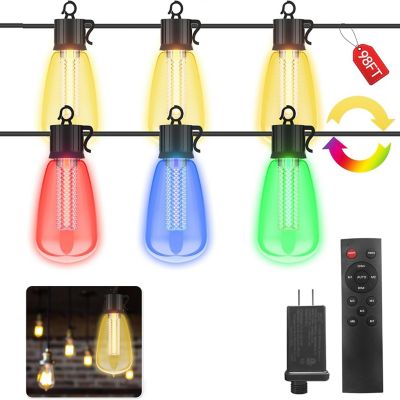
There’s more to a good fit than color and shape. Summerween lighting belongs outdoors only when its labeling allows for that setting, and a sheltered porch presents different conditions from an open fence or a spot beside the garden. Windblown rain can reach beneath a roof edge, so a covered location does not turn indoor-only lighting into an outdoor option. Water resistance also does not mean a fixture can sit in standing water. Housings, sockets, power supplies and connections all play a part in how a setup handles its surroundings. Molded plastic can keep hanging accents light, while metal frames can support larger shapes; either material still needs construction suited to its intended location. For metal parts, intact protective finishes help limit rust, and plastics intended for outdoor exposure are worth considering where direct sun is part of the setting. Glass elements can add sparkle, though their weight and placement deserve attention around busy steps, pets and children. Length matters just as much as material. The lighted section of a strand may be shorter than its total length, and the lead between the plug and first light affects where the visible pattern begins. On a wide porch, that difference can determine whether the glow reaches the far post without putting a connection in an awkward spot. Plug-in lighting suits areas with access to an appropriate outdoor electrical supply, while battery-powered lighting offers flexibility where cords would get in the way. Solar-powered options depend on sunlight reaching the panel, so a deeply shaded porch or a place beneath thick tree cover may not provide enough charging time. LED lighting generally draws less electricity than comparable incandescent lighting, but brightness, color and compatibility still vary. Timers and remote controls can make a spread-out setup easier to manage when those features are part of the design. For connected strands, the manufacturer’s limits—not the number of open sockets—determine how many can run together. Outdoor-rated cords, protected connections and GFCI-protected outlets are important parts of a plug-in arrangement, especially anywhere rain or damp ground may be a factor.
The best-looking summerween outdoor lights also leave room for everyday life around the place. A porch still needs space for carrying groceries, a gate needs to swing freely and the route from the driveway to the door needs to stay clear. Cords stretched across a walking path can become a trip hazard, while low loops along a fence may catch on yard equipment or invite a curious pet to chew. Purpose-made clips and supports suited to the surface help hold lighting without nails or staples piercing electrical cords. Hanging height matters around doorways and gathering spots, especially where someone might stand up from a chair or carry a serving tray. Around a fire pit or grill, separation from heat is part of sensible placement, even when the lights themselves produce little warmth. A steady glow near steps can help people see their way, but themed lighting should not replace lighting intended to illuminate stairs and entrances. Flashing effects and moving projections are better kept away from roads, neighboring windows and places where they could distract a driver. For folks who enjoy hosting, these details make it easier to keep a playful display alongside a working porch or busy backyard. Lighting can also make a thoughtful gift for someone who enjoys Halloween well beyond the holiday, particularly when the power source and scale suit that person’s home. After the gathering, care is mostly about keeping moisture, tangles and damaged parts from carrying over into the next setup. Power should be disconnected before cleaning or handling electrical connections, and cleaning methods should follow the manufacturer’s directions. Everything needs to dry fully before storage. Loosely gathered strands, protected lenses and a dry storage spot help keep components from getting crushed or knotted. A check for cracked housings, frayed wiring and loose connections before the next celebration helps keep the focus where it belongs: on a friendly porch, a few spooky grins and good company after dark.