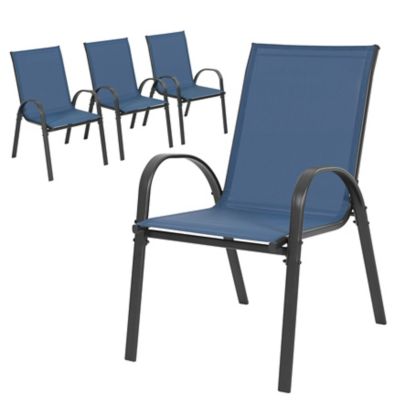
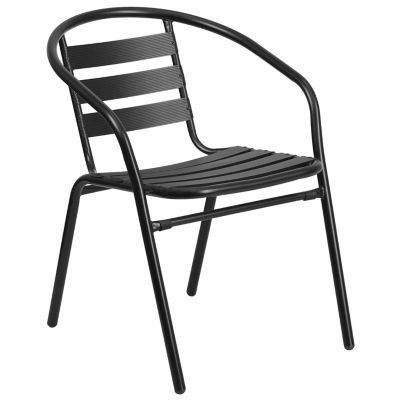
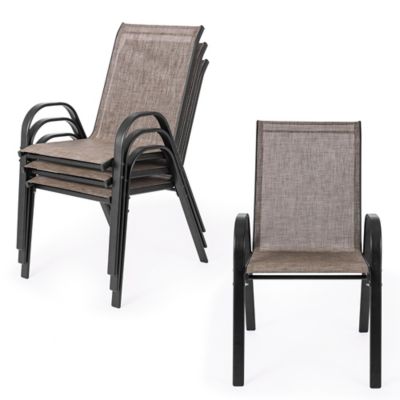
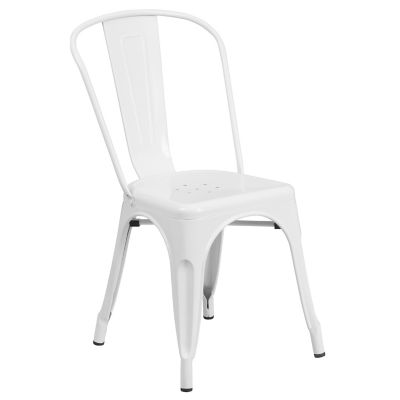
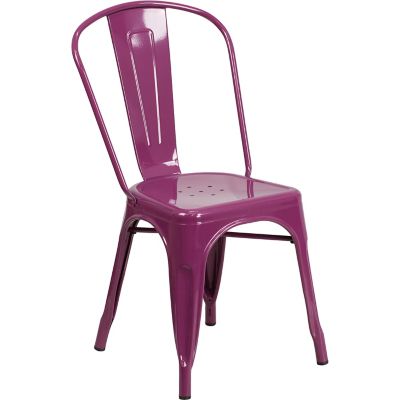
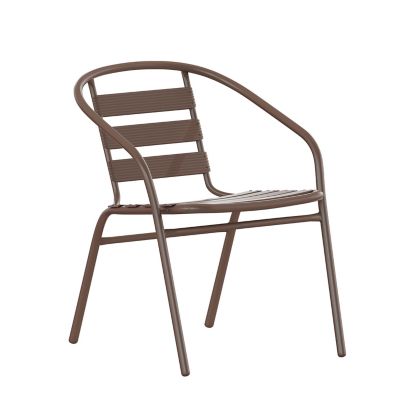
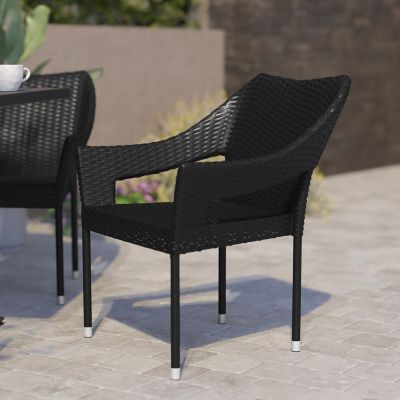
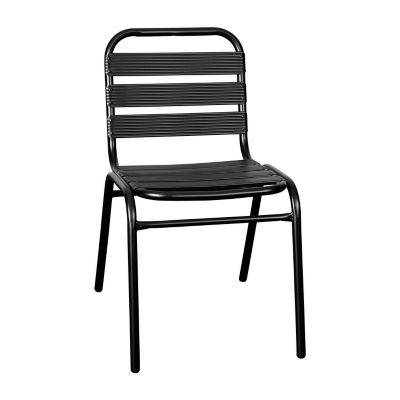
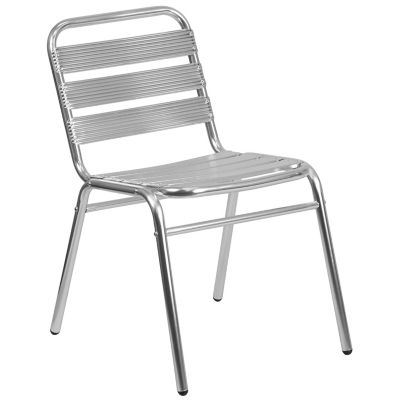
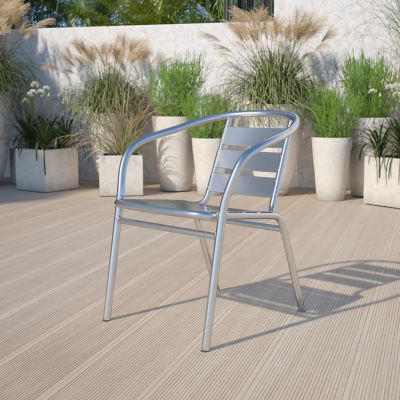
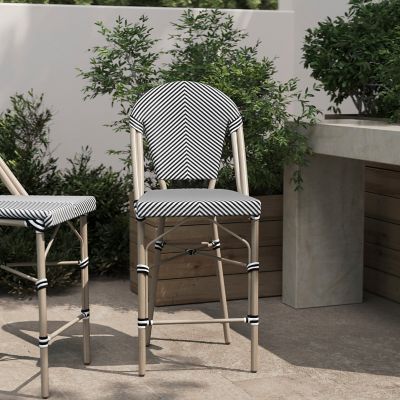
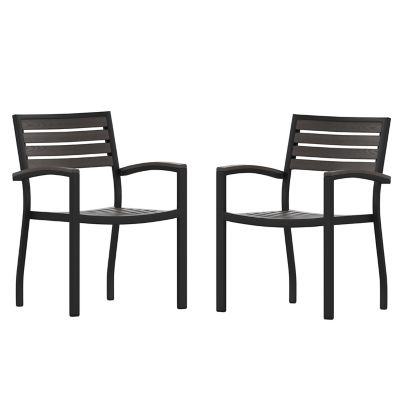
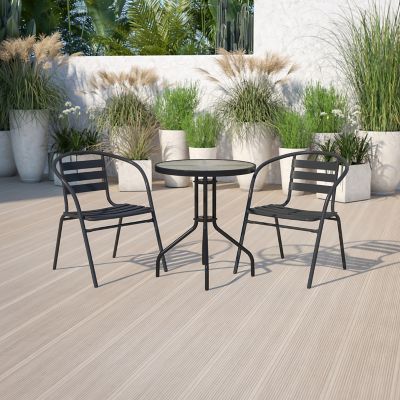
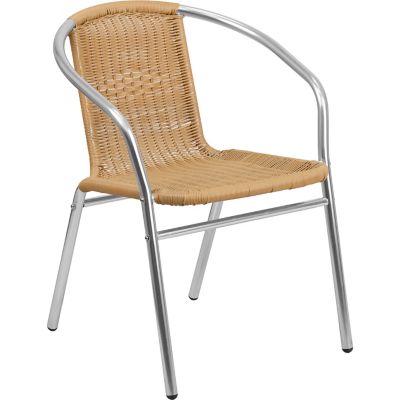
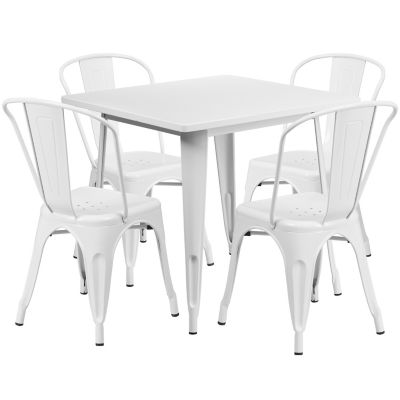
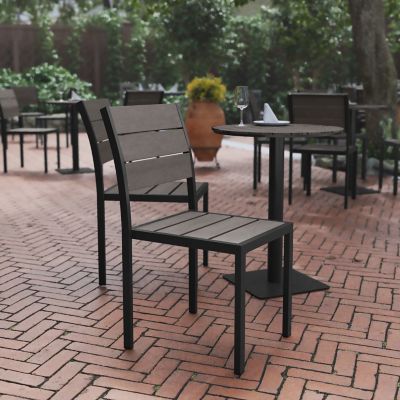
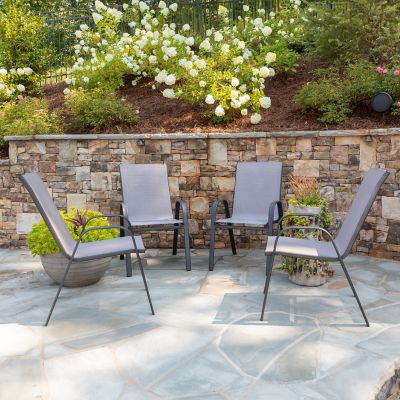
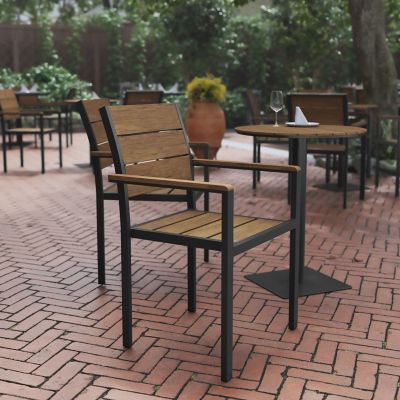
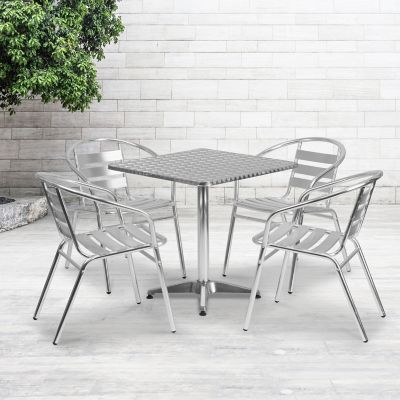
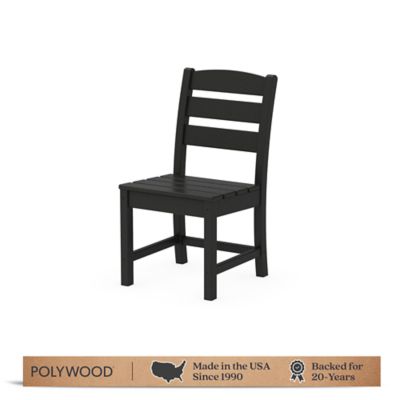
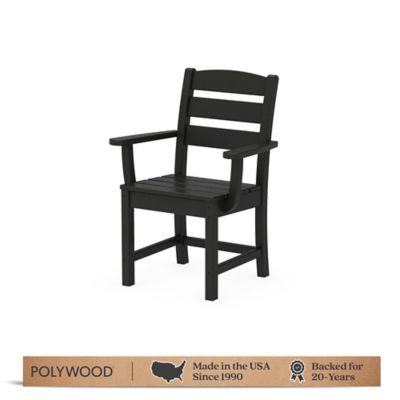
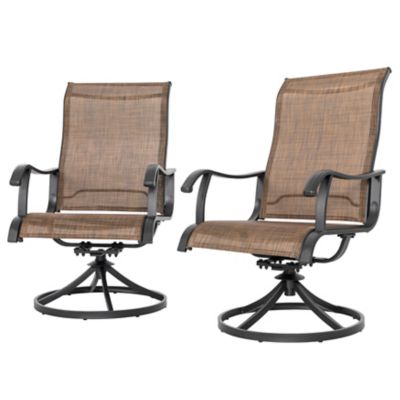
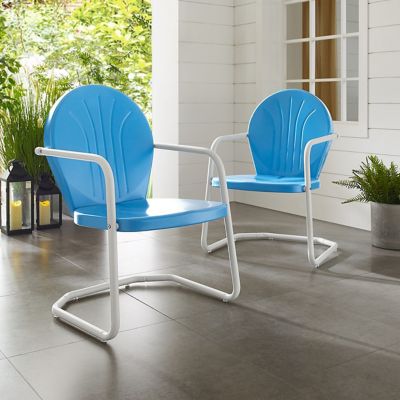
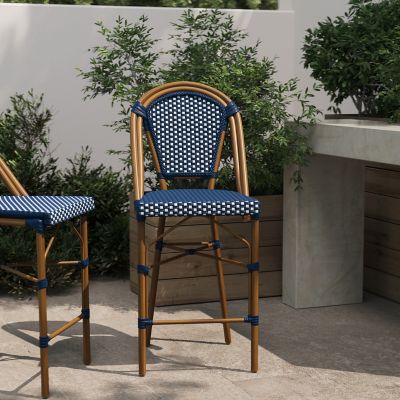
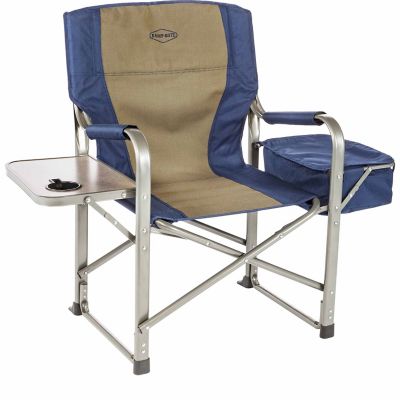
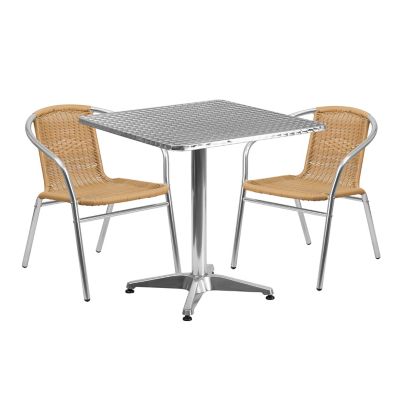
Stackable aluminum outdoor chairs bring lightweight seating, compact storage and straightforward upkeep to patios, decks and porches. They make sense for everyday meals outside, a place to sit after chores or extra seating when family comes over. Aluminum frames are generally easier to lift than comparable steel frames, although the finished chair’s weight depends on its construction, seat material and added features. Aluminum does not develop the reddish rust associated with iron and steel, but it can still corrode under certain conditions. Protective finishes help limit surface exposure and give the frame its color, while proper care helps preserve that finish. The stacking design is just as important as the metal: chairs that nest together take up less floor space than the same number standing separately. That can leave room on a back porch for a clear walkway or make it easier to tuck seating into a storage area between gatherings. Different seat and back materials give aluminum patio chairs different feels. Metal slats offer a firm sitting surface and an open appearance, while woven sling fabric provides some give without requiring a separate cushion. Some designs pair aluminum frames with wood-look accents or other materials, so the care needs may extend beyond the frame itself. A gently shaped back, a comfortable seat edge and well-placed armrests can matter more during a long supper than a chair’s appearance alone. For folks who spend time around a patio table, back support and room to move deserve a close look. For a small porch beside the kitchen door, a simpler chair with a smaller footprint may be a better fit. These chairs can also make a practical gift for someone setting up an outdoor dining area or hosting regular family get-togethers, provided the seat size, table fit and storage needs match the space.
Getting the fit right starts with the chair’s full dimensions, not just its seat width. Armrests can add several inches to the overall footprint, and a chair that looks compact on its own may crowd a table when several sit side by side. Check seat height against the table, leaving comfortable room for legs beneath the tabletop and any lower apron. If the chairs need to slide underneath, compare armrest height with the lowest part of the table rather than the top surface alone. A deep seat may suit someone who likes to settle in, while a shallower seat can make it easier for a shorter person to sit with feet resting on the ground. Back angle matters, too: a more upright chair generally fits dining better than a laid-back seat meant for lounging. Leave enough room behind each chair for someone to pull it out and get up without backing into a railing, planter or doorway. On a porch that also serves as the main path to the yard, keeping that route open is worth more than squeezing in another seat. Chair feet deserve attention wherever the seating will stand. Intact glides or foot caps can help reduce scuffs on deck boards, concrete or tile, but they do not make a chair steady on an uneven surface. Set seating on a firm, level spot and check the stated weight capacity before making a choice. Stackability also varies by design. Follow the manufacturer’s stacking limit rather than assuming a taller pile is better, and measure the height and footprint of the stack against the storage space. Cushions may need to come off first, and chairs with similar-looking frames are not necessarily designed to nest together. Stacking suits a set that stays near an outdoor table, while
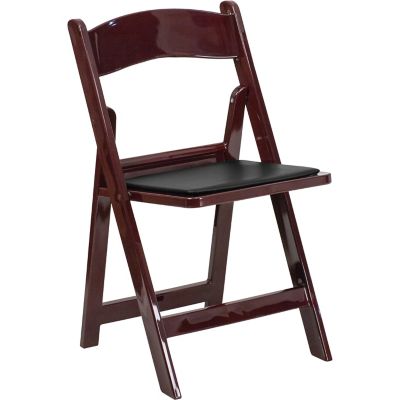
Outdoor Folding Aluminum Chairs are another option when seating needs to collapse flatter for transport or a narrow storage spot. Either way, consider how far the chairs will travel and who will handle them.
A little regular attention helps stackable aluminum outdoor chairs stay comfortable and ready for the next meal or gathering. For many frames, mild soap, water and a soft cloth are enough to remove ordinary dirt, but the manufacturer’s care directions should take priority for any finish or seat material. Rinse away soap residue and let the chairs dry before nesting them together, especially where moisture can collect between frames or beneath seat edges. Avoid abrasive pads, harsh cleaners and pressure washing unless the care instructions expressly allow them; these methods can damage coatings, fabric or fittings. Around a pool, promptly rinsing off splashes can help keep chemical residue from sitting on the frame. Salt residue also calls for attention because aluminum’s resistance to iron rust does not mean it is immune to corrosion. Sling seats need their own check for stretched fabric, loose attachments or worn edges. If a chair has cushions, look at the care label before washing a cover, since a removable cover is not automatically machine washable. Keep cushions dry before putting them away, and store them separately if they interfere with proper stacking. Give frame joints, fasteners and foot caps an occasional inspection, particularly when chairs move frequently between the porch and the patio. Tighten hardware only as directed, and take a chair out of service if the frame is bent, a joint is loose or the seat has damage that affects support. When moving a stack, lift only what can be handled safely; dragging chairs can wear the feet and scrape the finish. Stack on level ground with the frames seated in their intended contact points, and keep the pile out of walkways and away from doors. Protect exposed surfaces from rubbing against tools or other stored gear. With a sensible fit, manageable stack size and care suited to the materials, aluminum outdoor seating can make room for both everyday porch time and a full table of guests without taking over the space.