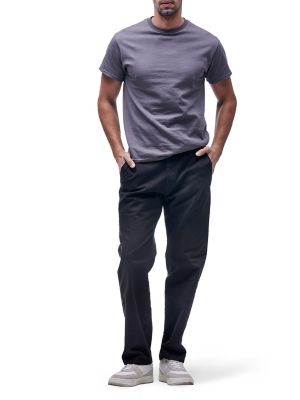
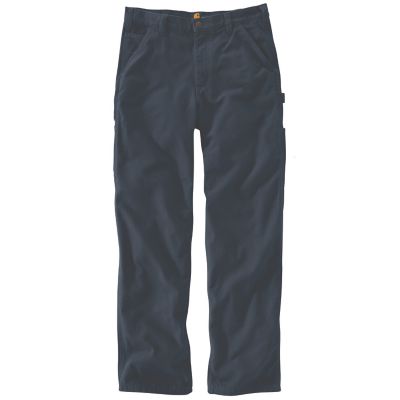
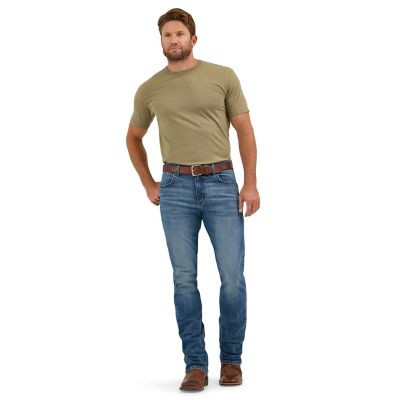
St. Patrick’s Day pants bring a little Irish-inspired cheer to an outfit, whether the plan calls for a hometown parade, a family supper, a community celebration, or a quiet evening on the couch. The category can include green trousers, shamrock-print leggings, relaxed joggers, pajama bottoms, and dressier pants with bold holiday patterns. Solid green styles keep the look simple, while scattered clovers, bright stripes, and allover prints make the pants the centerpiece of an outfit. Shades range from soft sage and deep forest green to brighter emerald tones, giving the holiday look plenty of room to feel laid-back or lively. Green clothing and shamrock motifs are familiar parts of St. Patrick’s Day celebrations in the United States, and pants offer an easy way to carry that tradition beyond a hat or shirt. A plain tee, a button-down, or a favorite sweatshirt can balance a busy pattern without much fuss. For folks heading from a family gathering to an evening get-together, straight-leg pants in a solid shade can feel festive without looking like a costume. Stretch leggings and joggers lean more casual, with room for walking a parade route, sitting on the bleachers, or helping set out food at the community hall. Pajama pants suit movie nights and holiday breakfasts at home, while tailored trousers work well for gatherings where a tucked-in shirt feels more fitting. Some holiday looks draw from golf clothing, including shorter knicker-style cuts that show more of the sock; those proportions create a different silhouette than full-length pants. The right direction depends less on how much green an outfit contains and more on what the day holds. A pair that feels comfortable through a long meal or an afternoon on foot is more likely to become part of the celebration year after year, and a quieter green style can fit into everyday outfits long after the shamrocks come down.
Fabric and construction make a real difference in how St. Patrick’s Day pants feel once the celebrating gets underway. Cotton-rich fabrics often have a soft, familiar feel, making them a natural match for relaxed bottoms and casual trousers. Cotton can wrinkle or shrink depending on the weave, finish, and care routine, so the fiber label and washing directions matter. Polyester blends may help a garment hold its shape and resist wrinkles, while a little elastane or spandex adds give through the seat and knees. That stretch can be welcome when stepping into a pickup, reaching across a long supper table, or keeping up with children along the parade route. Knit fabrics generally flex more freely than tightly woven cloth, though the fabric’s weight and fiber blend also affect movement. Lightweight material can feel less substantial and may show through under bright light, particularly in close-fitting leggings; fabric coverage matters as much as the print. A heavier weave can give trousers more structure, while a soft jersey knit creates an easier, draped shape. Fit starts with the waist and inseam, but the rise, thigh room, and leg opening also shape the feel of a pair. An elastic waist offers flexibility for lounging, and a drawstring can help adjust the fit without a belt. A button-and-zip closure gives a more traditional trouser appearance, with belt loops offering another way to settle the waistband comfortably. Stretch alone does not guarantee a good fit, especially if the waistband rolls, pockets pull open, or the fabric strains across the hips. Size charts and garment measurements provide a better starting point than assuming every cut fits the same. For children, comfortable waistbands and hems that stay clear of shoes make moving around easier. Adults may prefer a relaxed seat for sitting or a tapered leg that keeps the hem closer to the ankle. Footwear belongs in that fit picture, too: a hem that rests neatly over sneakers may bunch above boots, and an extra-long leg can drag under a heel. Roomy pockets are handy for small essentials, though deep pockets and secure closures serve a different purpose than shallow pockets meant mainly for appearance.
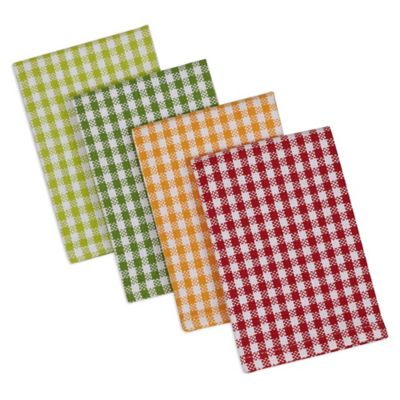
Care and intended use help separate a fun holiday purchase from pants that spend the whole gathering needing adjustment. Printed loungewear, athletic-inspired leggings, and tailored trousers do not necessarily share the same washing needs, even when they carry similar shamrock patterns. The sewn-in care label is the best reference for water temperature, drying, ironing, and whether professional cleaning is required. When the instructions allow it, turning printed pants inside out before washing can reduce rubbing against the outer design. Excessive dryer heat can affect stretch fibers, alter fit, or shorten the life of certain printed finishes, so a gentler setting or air drying may be appropriate. Strong seams, neatly finished edges, and secure waistband stitching matter for repeated wear, especially in pants that will see plenty of walking, bending, and sitting. Festive trousers are still celebration clothing rather than a substitute for protective workwear; loose legs and dangling drawstrings do not belong near moving equipment. For a day split between chores and a gathering, changing into holiday pants afterward keeps the outfit suited to the occasion. Gift giving is another natural fit for the theme, particularly for someone who enjoys family traditions, matching holiday outfits, or a cheerful pair of lounge pants. Familiar sizing, a preferred rise, and a comfortable waistband usually matter more to the recipient than the boldest print. Coordinating family looks can share a green color palette without requiring everyone to wear the same cut, leaving room for joggers on one person and straight-leg trousers on another. At a holiday breakfast or supper, that same color story can carry over to the table with
St. Patrick's Day Linens, connecting the gathering without making every detail match. Whether the preference is a small shamrock motif or a full leg of bright green, the most practical St. Patrick’s Day pants combine a festive look with fabric, fit, and care needs that suit the person wearing them.