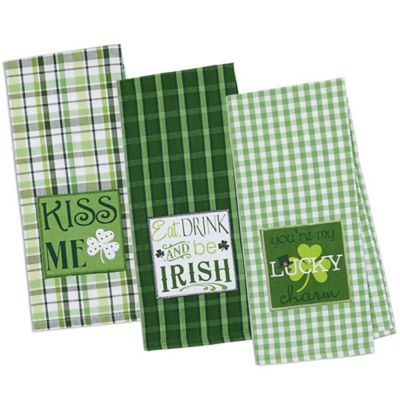
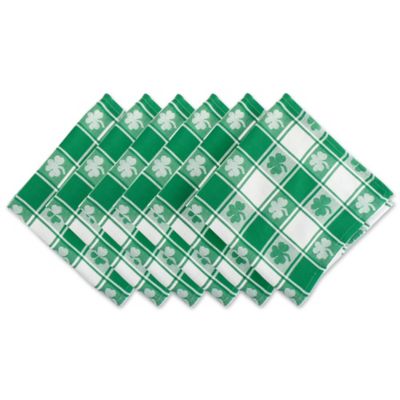
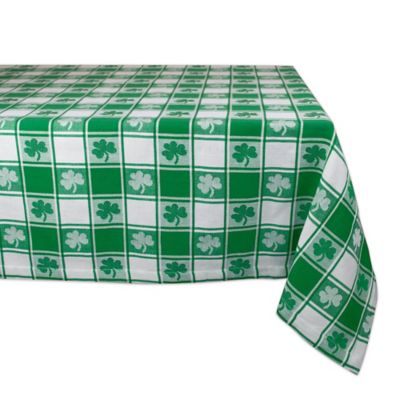
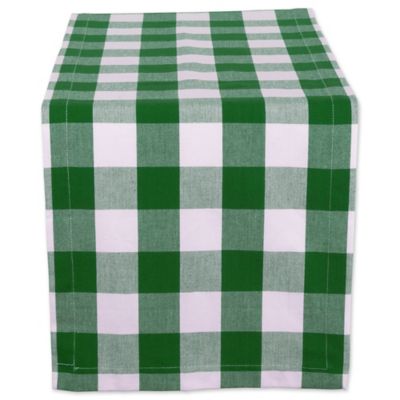
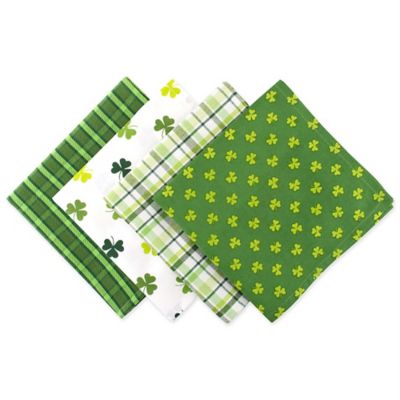
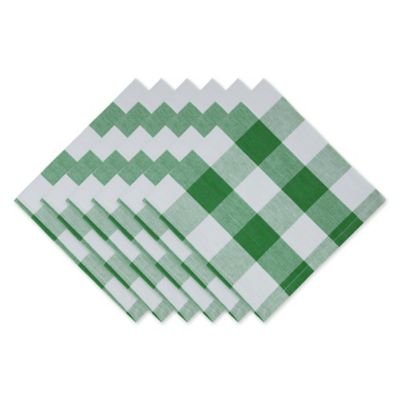
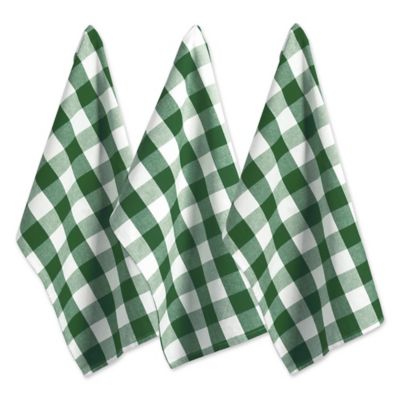
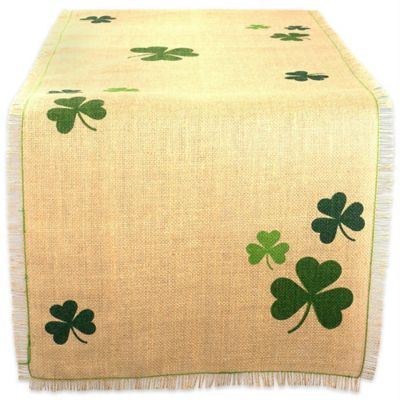
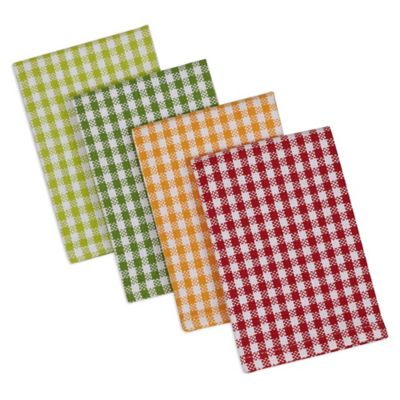
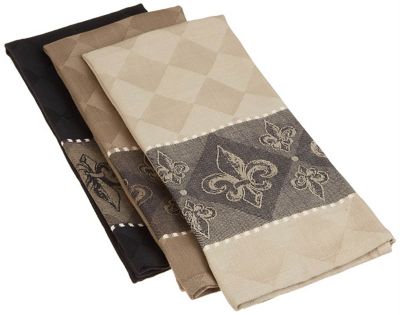
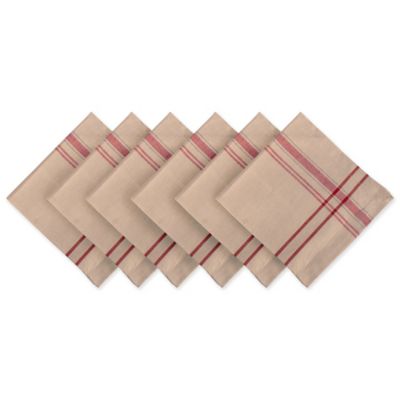
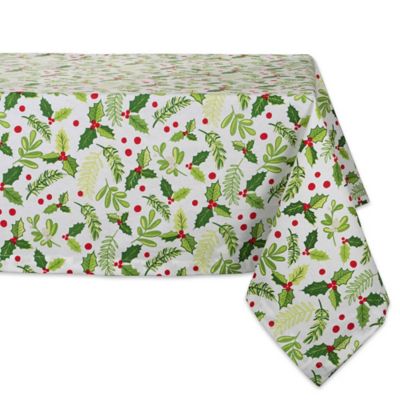
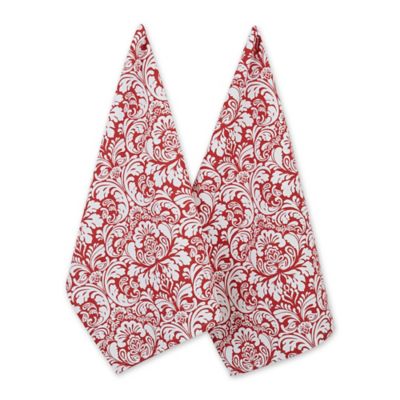
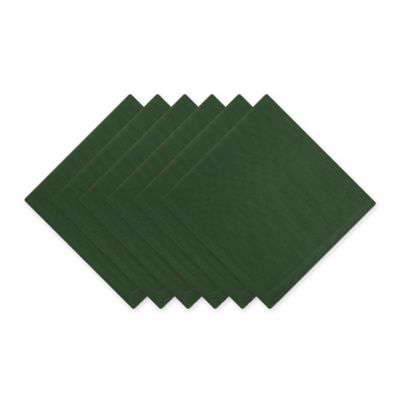
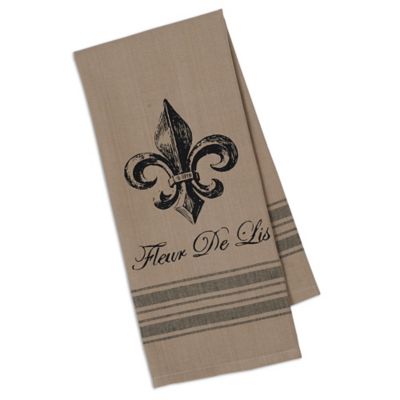
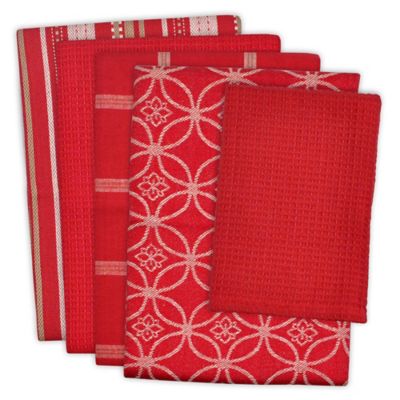
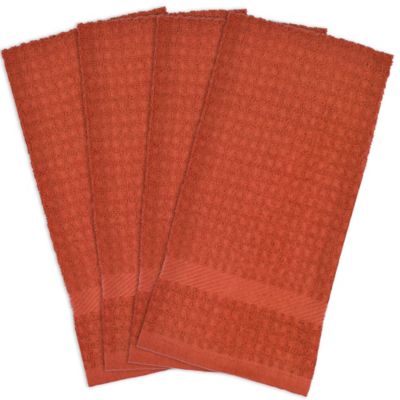
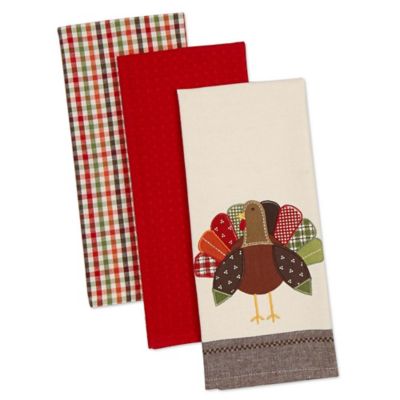
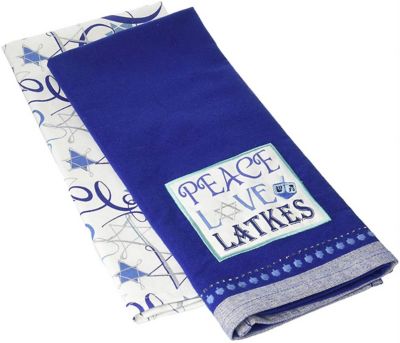
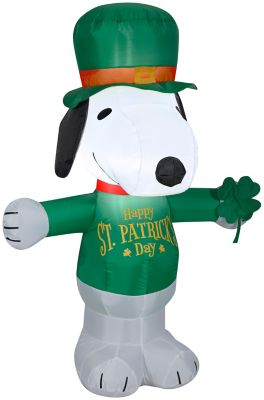
St. Patrick’s Day linens include tablecloths, table runners, cloth napkins, placemats, and kitchen towels with green shades, shamrock patterns, clovers, and Irish-inspired plaids. They bring a holiday touch to the places where folks gather, whether that means a farmhouse dining table, a breakfast nook, or a kitchen island set up for supper. A green-and-white checked cloth can give a table a cheerful foundation, while a shamrock runner adds a smaller splash of pattern without covering the wood beneath it. Solid green napkins work alongside patterned table coverings, and cream or white accents help keep a busy setting from feeling crowded. The look can be as simple as a few green touches around everyday dishes or as coordinated as matching colors across the whole table. Deep green shades pair easily with wood furniture and stoneware, while brighter greens stand out against white plates. Plaid brings a familiar country feel, and scattered clover prints make the occasion clear without needing much else on the table. These linens fit everything from a quiet family breakfast to a potluck with neighbors, a church supper, or a meal with friends after a St. Patrick’s Day parade. On a serving table, a cloth creates a consistent backdrop for platters, baskets, and covered dishes. At individual place settings, napkins and placemats bring the holiday theme closer without taking up serving space. Kitchen towels carry that same look over to the sink or oven handle, making them a practical choice for households that prefer a light touch rather than a fully dressed table. For a smaller gathering, a runner and cloth napkins can be plenty; for a larger meal, a tablecloth helps tie together an assortment of dishes and serving pieces. The right balance leaves room for the food, the elbow-to-elbow conversation, and the everyday character of the home.
Fabric, construction, and size all shape how St. Patrick’s Day table linens feel and function. The word “linens” describes the category, but the fabric itself may be cotton, linen fiber, polyester, or a blend, so the fiber label matters. Cotton generally offers a soft feel and good absorbency, making it well suited to napkins and kitchen towels. Linen fiber has a textured appearance and a relaxed drape, with natural creasing that suits a laid-back table. Polyester and blended fabrics may resist wrinkling and dry more quickly, though performance depends on the weave and finish. A tightly woven fabric can provide a smooth surface for place settings, while a more open weave shows more of the table underneath and may catch on rough edges. Finished hems, secure stitching, and firmly attached trim are worth a look when linens will see repeated washing or frequent family meals. For tablecloth fit, the tabletop’s length, width, or diameter is only part of the picture; the drop is the amount of fabric hanging beyond the edge. A modest drop often makes sense for casual dining, especially where children slide in and out of benches or chairs sit close together. A longer drop creates a more dressed-up appearance, but excess fabric can bunch in laps or get caught beneath seats. Round, square, rectangular, and oval tables each call for attention to shape as well as measurements. Extension leaves also change the size needed for a holiday meal. Runners can sit along the center of a table or stretch across it, with enough clear surface left for plates and glasses. On a buffet, a shorter runner can frame the serving area without hanging into a walkway. Napkins should fold comfortably beside the plate, and placemats need enough room that neighboring settings do not overlap. Those details make a festive table easier to settle into when every seat is filled.
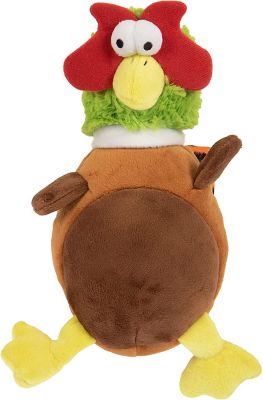
Care requirements matter just as much as appearance, especially when the menu includes buttery potatoes, gravy, or a hearty stew. Machine-washable St. Patrick’s Day linens can make cleanup simpler, but the care label should determine water temperature, drying method, and whether ironing is suitable. Green prints, embroidered shamrocks, metallic accents, and attached trims may have different washing needs, even when the main fabric looks similar. Colorfastness matters when dark green fabric shares a wash with pale napkins or towels. Following the label and washing deep colors separately when directed helps limit unwanted color transfer. Spills are easier to handle when blotted promptly rather than rubbed into the weave, and any stain treatment should suit both the fabric and its finish. High dryer heat can shrink some natural fibers or affect certain trims, while removing washable linens promptly can help reduce wrinkles. A smooth fold or a hanger keeps tablecloths and runners easier to bring back out for another celebration. Before storage, each piece should be fully dry, with food marks addressed so they do not linger unnoticed between holidays. For busy households, simple hems and fabrics with straightforward washing instructions often make more sense than details that need extra attention. Households that enjoy setting a more formal table may prefer the texture of linen fiber or the crisp feel of pressed cotton. Holiday kitchen towels and napkins can also make thoughtful host gifts, particularly when the recipient enjoys cooking, baking Irish soda bread, or welcoming a crowd around the table. A coordinated set can suit someone hosting a first St. Patrick’s Day supper, while a small accent fits a friend who already has favorite table linens. For homes where the family dog is part of the celebration,
St Patricks Day Dog Toys extend the holiday theme beyond the dining area. Whether the gathering calls for a full table setting or just a cheerful towel by the sink, linens with a comfortable feel, a sensible fit, and manageable care can earn a place in the celebration year after year.