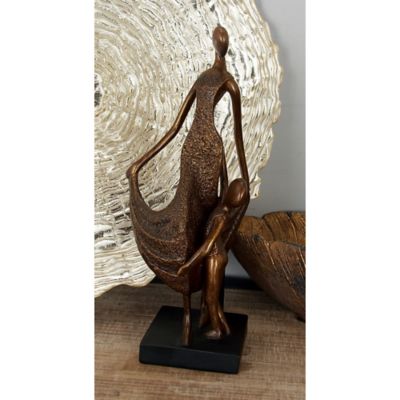
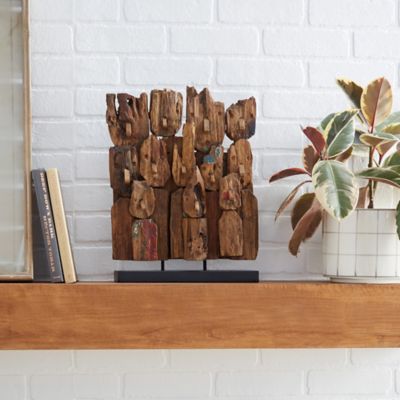
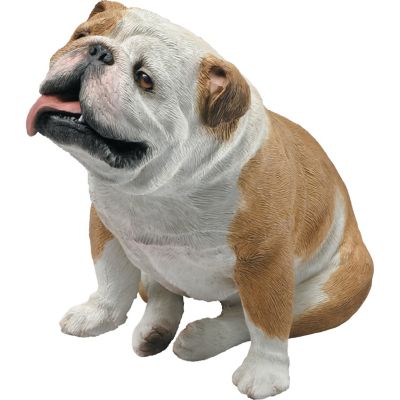
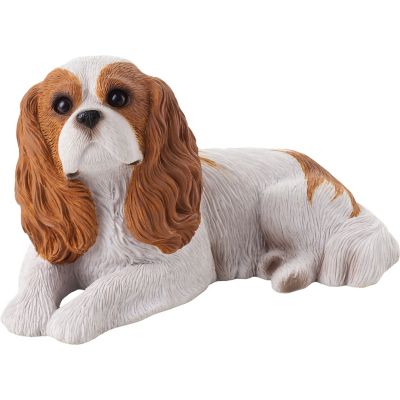
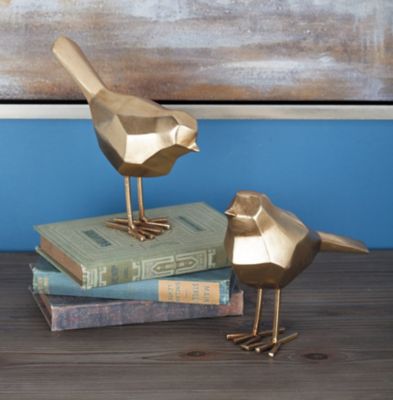
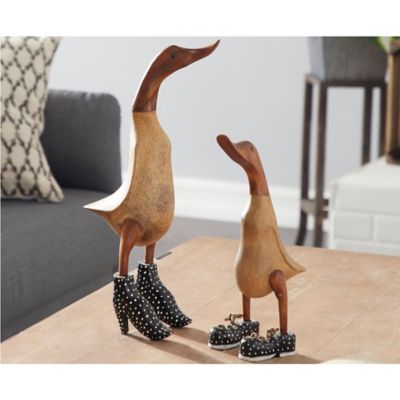
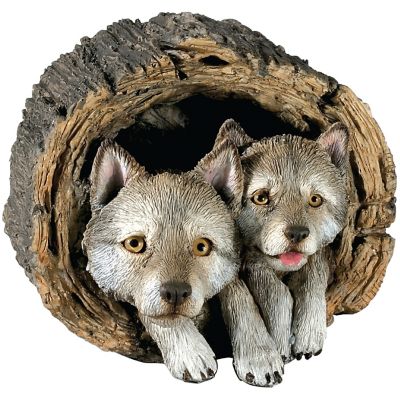
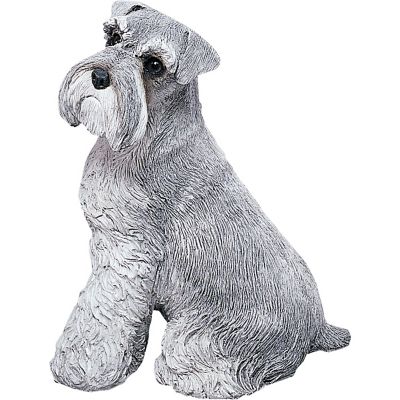
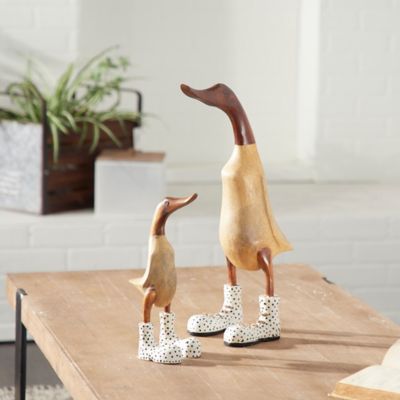
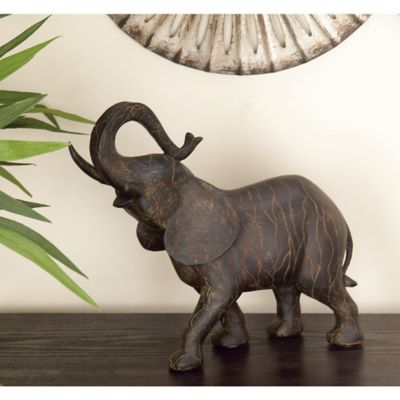
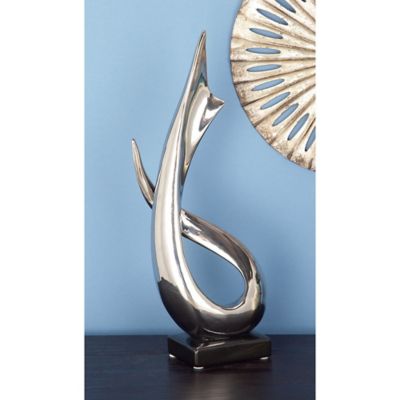
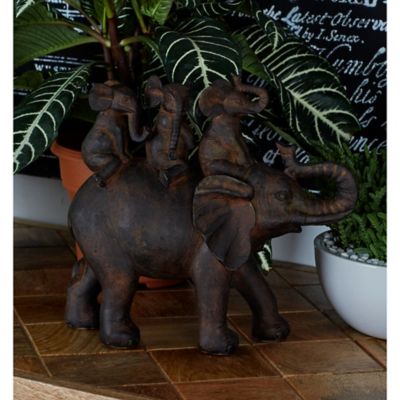
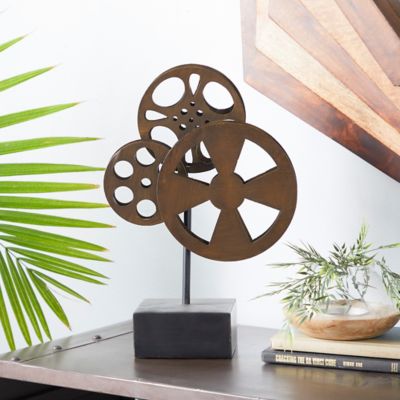
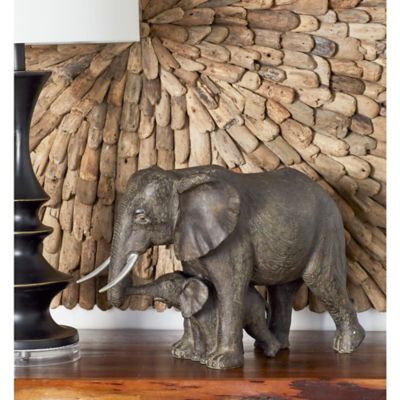
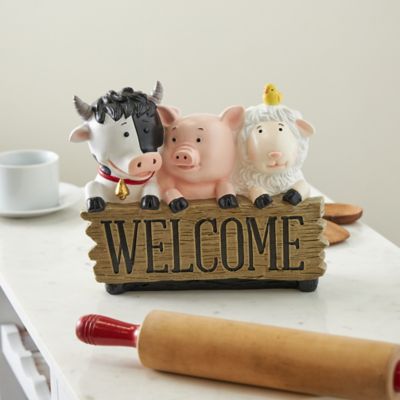
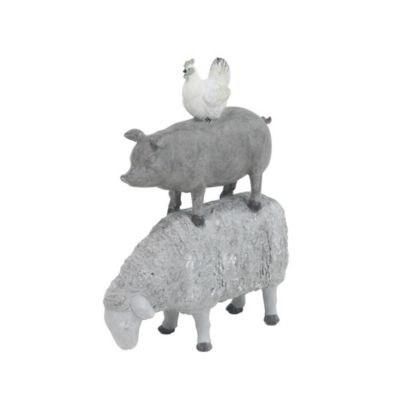
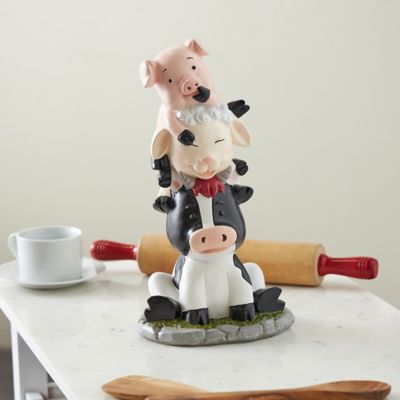
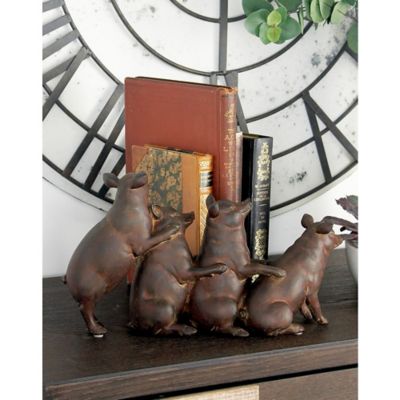
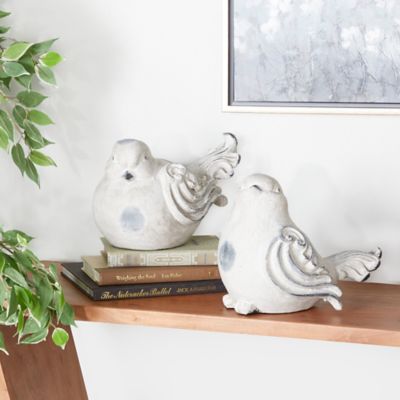
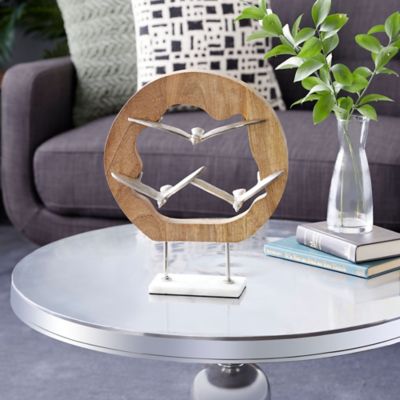
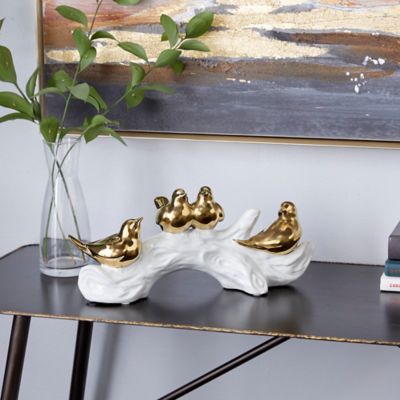
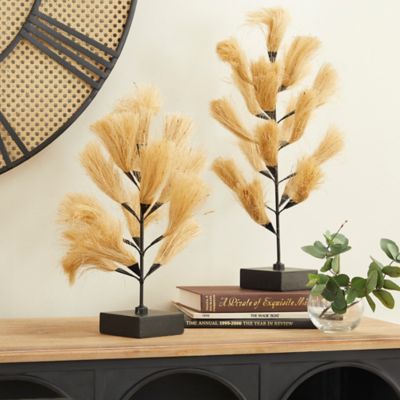
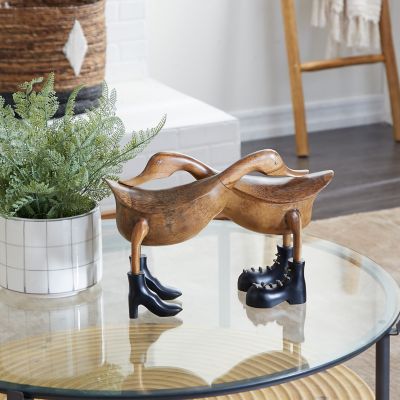
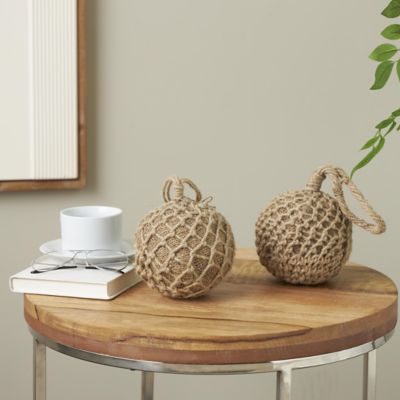
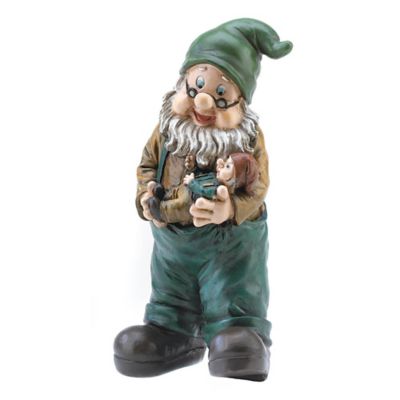
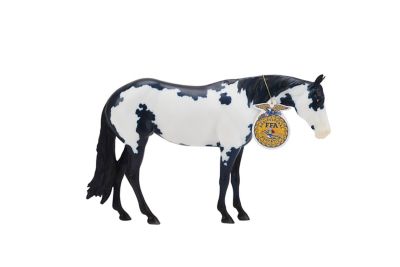
A sculpture makes a thoughtful Mother's Day gift when its subject reflects a bond, a favorite animal, or a part of life Mom holds close. Mother-and-child forms, family groupings, birds, flowers, and farm animal themes can all carry meaning without needing a long inscription. A gently curved figure may suggest comfort and closeness, while a more lifelike animal form can bring to mind years spent caring for horses or watching songbirds from the kitchen window. The point is a connection she can recognize, not a message she has to puzzle out. For a mom who keeps family pictures along the mantel, a small sculpture can sit comfortably among those memories. For someone who prefers open shelves and fewer belongings, a simple silhouette with a quiet finish may feel more at home than a highly detailed piece. Sculptural gifts also suit grandmothers, stepmothers, and other mother figures, though the subject should fit the relationship rather than assume every family looks the same. A shared interest can be just as meaningful as an image of motherhood. Country-inspired shapes, nature scenes, and animal subjects may appeal to someone whose happiest hours are spent around the barn, in the garden, or on the porch. More abstract forms leave room for a personal meaning, especially when the giver adds a short note about why the shape brought Mom to mind. Expressions and poses matter, too: an embrace, a restful stance, or two figures leaning toward one another can each set a different tone. Gentle, familiar imagery can settle easily into a room that already tells her story. Color, texture, and proportion help tie that story together, whether her home has painted wood furniture, stone surfaces, or shelves filled with books. A Mother's Day sculpture gift does not have to be large or elaborate to feel personal; it needs a subject and a place that make sense for the person receiving it.
Materials shape both the look of a sculpture and the care it needs over time. Resin can capture fine details in clothing, feathers, fur, and facial expressions, with finishes that may resemble carved wood, stone, or cast metal. Its weight and resistance to damage vary by construction, so the material name alone does not tell the whole story. Ceramic and porcelain offer smooth surfaces and crisp detail, but projecting features and narrow bases call for careful placement. Glazed surfaces may wipe clean easily, while unglazed areas can hold dust more readily. Metal sculpture can range from slender, open forms to substantial cast shapes; the finish helps determine whether fingerprints, moisture, or surface changes will be a concern. Wood brings visible grain and a natural warmth that works well alongside familiar farmhouse furnishings, although excess moisture and direct sunlight can affect its appearance. Stone can have a solid, grounded presence, but its weight deserves attention before it goes onto a floating shelf or a narrow mantel. Overall dimensions matter just as much as material. Height should leave breathing room beneath the shelf above, and the base needs enough depth to rest fully on its supporting surface. A broad footprint can help with stability, especially in a busy household with children or pets. Felt pads or another suitable barrier may help protect furniture, provided they do not make the sculpture wobble. Detailed work rewards a close look on a side table or bookcase, while a clear outline reads well from across a room. For a gift intended for a porch or garden, an explicit outdoor rating matters more than a rugged-looking finish. Painted surfaces, joints, adhesives, and hollow sections can affect outdoor suitability, even when the main material seems substantial. A piece meant for indoor display belongs indoors unless its care information says otherwise. Matching the material and size to Mom's everyday surroundings helps the gift feel like a welcome part of her home rather than something she has to find room for.
Care is usually simplest when the sculpture's finish and construction are understood from the start. A soft, dry cloth works for routine dusting on many smooth surfaces, while a soft brush can reach shallow creases without tugging at delicate details. Water, household sprays, abrasive pads, and polishing compounds should stay off the surface unless the maker's care directions allow them. A finish that looks like bronze may be painted resin rather than solid metal, and treating both the same way can damage the coating. Lifting a sculpture from its base, rather than by an arm, wing, flower stem, or other narrow feature, also helps prevent breakage. Thoughtful placement keeps these small tasks manageable: an accessible shelf makes dusting easier, and a spot away from a counter's edge reduces the chance of an accidental bump. For smaller spaces,
Figurines For Mother's Day offer another way to explore expressive forms and meaningful subjects suited to shelves, desks, and bedside tables. The difference between a figurine and a sculpture is not a strict measure of sentiment; a small figure can carry every bit as much feeling as a larger work. Gift presentation can keep that meaning front and center. A handwritten card might recall a shared chore, a family saying, or the animal that always brings a smile to Mom's face. Secure cushioning around fragile sections helps the gift arrive safely, and keeping any care information with it gives the recipient a useful starting point. A sculpture is especially fitting for someone who enjoys objects with a story and prefers a lasting keepsake to a gift that disappears after the celebration. Whether the feeling is gratitude, affection, or a quiet reminder of time together, the best fit comes from knowing what matters to her and choosing a form she will enjoy seeing every day.