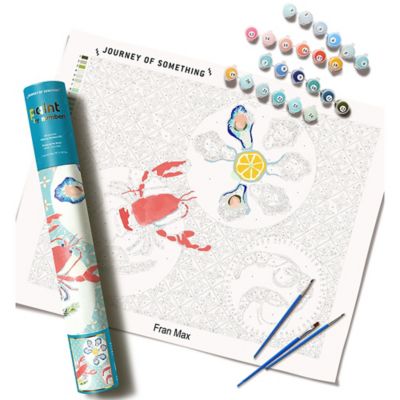
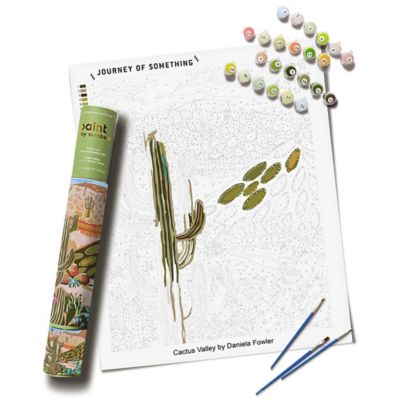
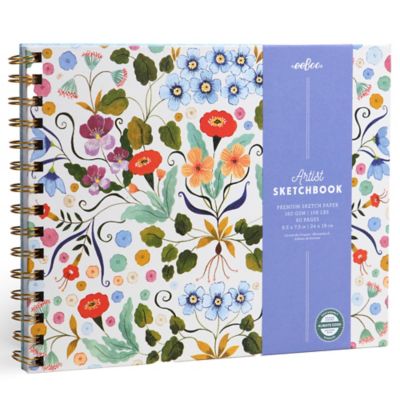
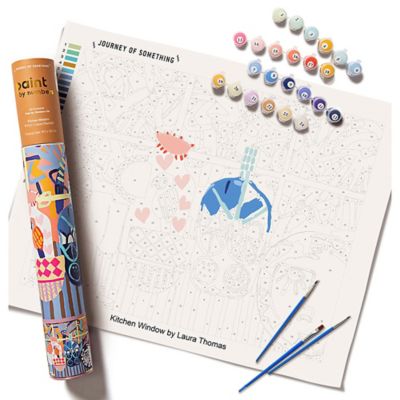
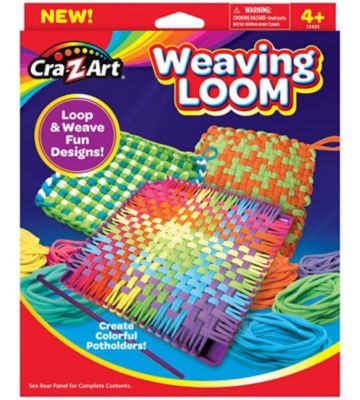
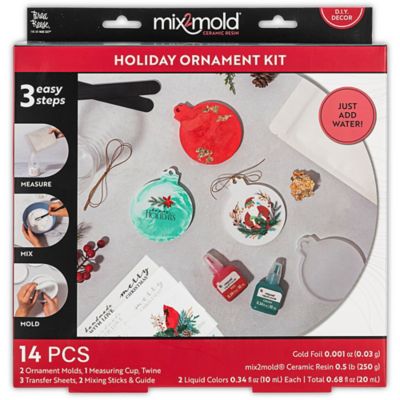
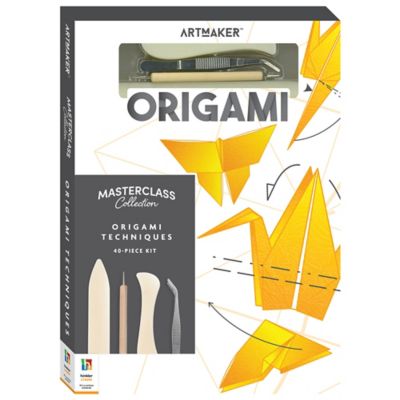
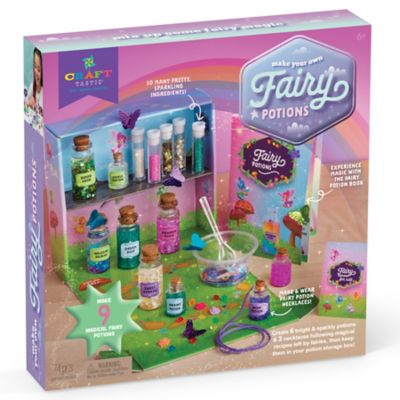
A craft gift for Mother’s Day can be something Mom makes, something made especially for her, or a creative project that brings the family around the same table. Craft supplies and giftable keepsakes suit mothers who enjoy working with their hands, saving family memories, or adding a personal touch to everyday surroundings. The strongest connection often comes from a familiar detail: the colors she wears, the flowers she grows, a favorite animal, or a photograph from a day everyone still talks about. Paper crafts, painted keepsakes, fabric projects, and clay work each offer a different way to carry those details into a gift. Smooth wood gives painted lettering a solid backdrop, heavier paper holds its shape better than thin sheets, and woven fabric adds texture that feels right at home beside family photographs or treasured mementos. Material choice affects both the making and the finished result. Unfinished surfaces may need preparation before painting, while textured materials can call for a different adhesive than smooth ones. Dimensions matter, too, especially when a project needs to hold a particular photo or sit on a narrow shelf. A small keepsake can fit beside Mom’s reading chair without crowding the table, while a larger piece needs enough room for its shape and details to show. For families making a gift together, a simple design leaves space for a child’s handprint, carefully written name, or short message. For a mother who would rather do the making herself, supplies that match her favorite craft can turn the gift into a welcome stretch of time at the kitchen table or in her sewing corner. Either way, a Mother’s Day craft gift feels personal when it reflects how she actually spends her days, whether that means tending flowers, stitching, keeping family stories, or making a home where everybody gathers. A handwritten note can explain the meaning behind a color or pattern, giving even a modest project a story she will remember.
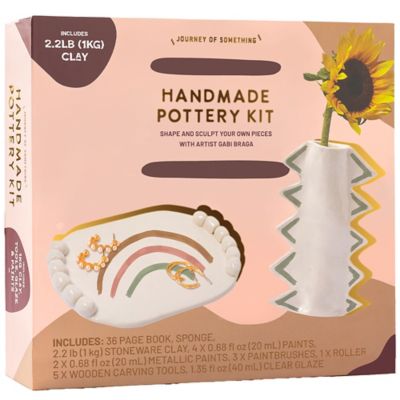
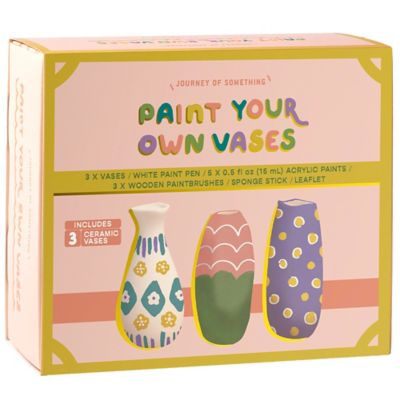
Craft materials make a thoughtful Mother’s Day gift when their skill level, handling, and intended use line up with the person receiving them. Someone just getting started may appreciate a project with clear directions, manageable steps, and materials meant to work together. An experienced crafter may get more enjoyment from supplies that suit techniques she already knows, with room to make her own choices about color, pattern, and finish. Project size is part of that fit. A compact activity can be finished in a quiet sitting and tucked away afterward, while detailed work may need a dedicated surface and several sessions. Packaging and listed contents help show whether a project stands on its own or calls for additional tools, adhesives, or finishing materials. Comfort counts as much as appearance, particularly for anyone who finds tiny pieces or tight grips tiring. Larger components, easy-to-hold handles, and clearly marked parts can make creative work more comfortable, though suitability depends on the individual. When children are helping make Mom’s gift, age recommendations and adult supervision matter more than an elaborate result. Small parts, sharp edges, hot surfaces, and strong adhesives need attention, and a child-friendly label does not mean every material suits every age. Paint and adhesive labels also help distinguish between materials intended for craft surfaces and those meant for skin contact or other purposes. A nontoxic label alone does not establish that a finished surface is suitable for food contact. These practical details leave more room to enjoy the project itself: a grandchild concentrating on a flower shape, siblings sharing colors, or an adult daughter setting aside time to make something with her mother. A shared project can carry just as much meaning as a wrapped keepsake, especially when it fits comfortably into the family’s routine. For moms who already have a favorite craft, compatible materials are often more useful than a project that requires learning an entirely different skill.
The finished gift’s everyday care deserves a little thought, particularly when it includes several materials. Paper, fabric, wood, clay, glass, and metal do not all respond the same way to cleaning or handling, and paint or adhesive can change what care is appropriate. A paper keepsake generally needs dry handling and protection from splashes, while a textile piece may require spot cleaning rather than a trip through the washing machine. Painted surfaces should follow the care directions for both the base material and the finish. Some finishes need a curing period beyond feeling dry to the touch, which matters when a gift will be handled, wrapped, or placed against another surface. If a project includes a container intended for plants, drainage and protection for the surface beneath it matter as much as the painted design. Hanging pieces need hardware suited to their weight and placement, while freestanding pieces benefit from a steady base that fits the shelf or tabletop. Those details help a meaningful gift remain part of daily life rather than something that has to stay packed away. Presentation can be simple: tidy wrapping, a note with the giver’s name, and any care information Mom will need later. A photograph or short explanation can also preserve the story behind a child’s work long after that child’s handwriting changes. For a gift centered more on a finished form than the making process, a
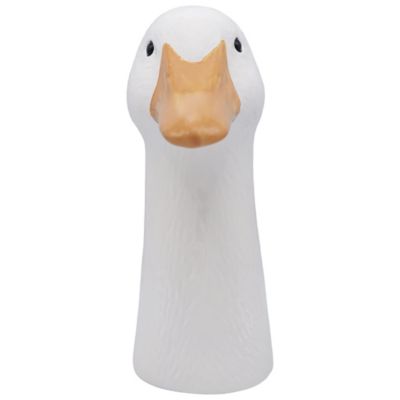
Sculpture Mother's Day Gift offers another way to express a shared interest or family connection. Scale, material, and the space where it will sit still matter, just as they do with a crafted keepsake. The lasting appeal of a Mother’s Day craft gift comes from that balance of personal meaning and everyday practicality: something that suits her home, feels connected to her life, and brings a familiar face or happy memory to mind whenever she sees it.