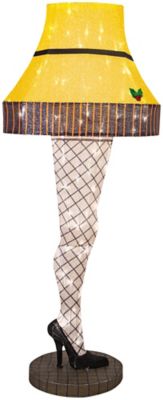
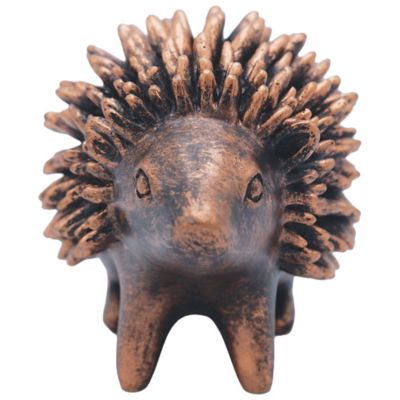
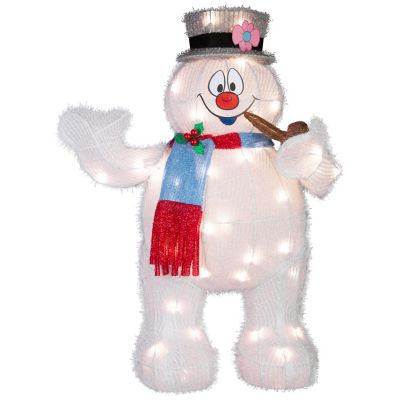
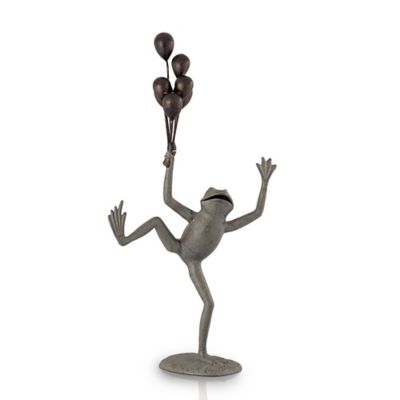
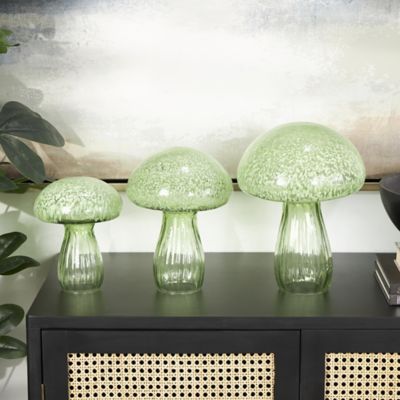
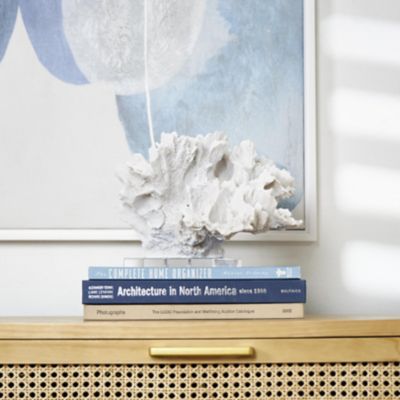
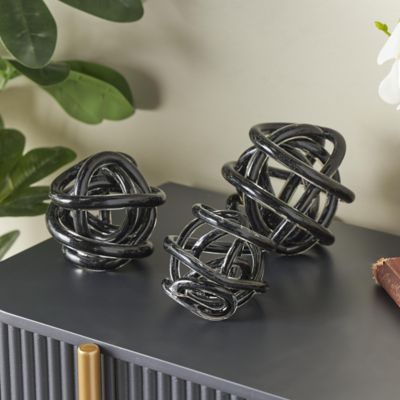
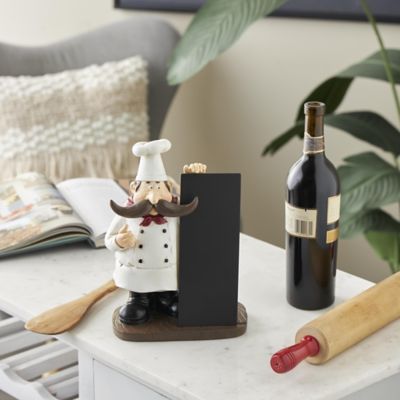
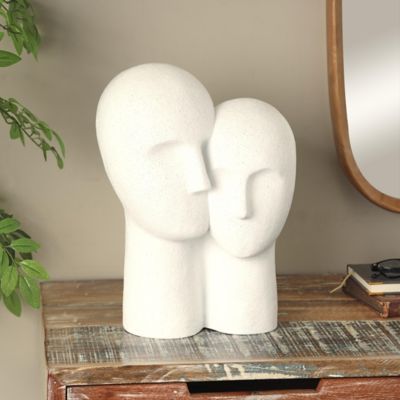
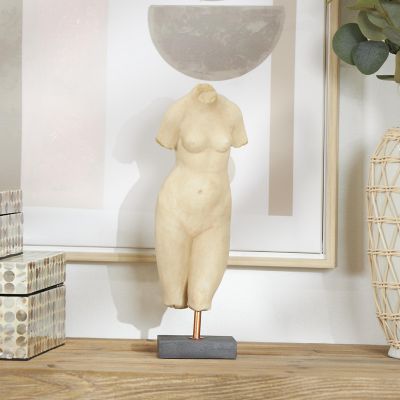
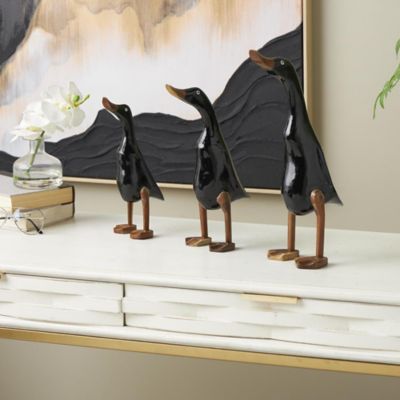
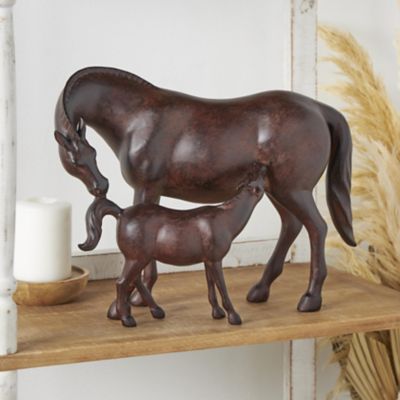
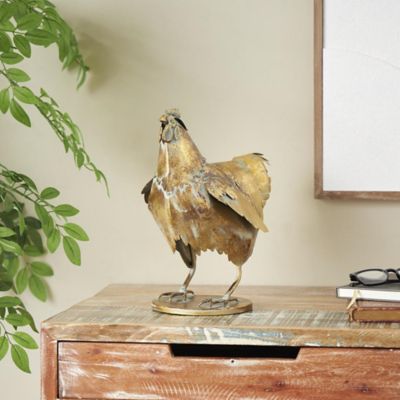
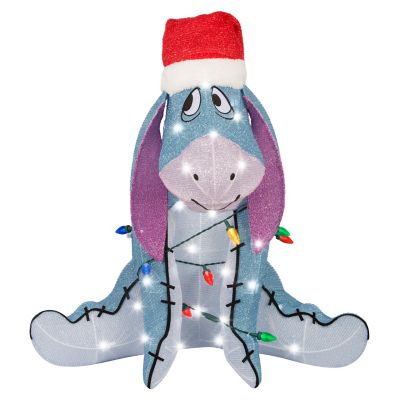
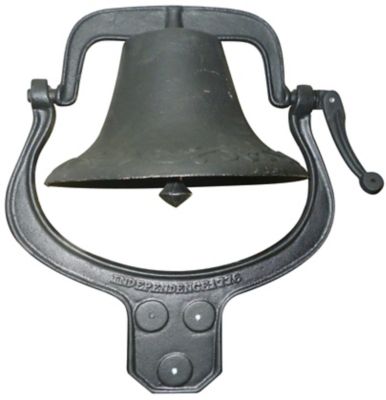
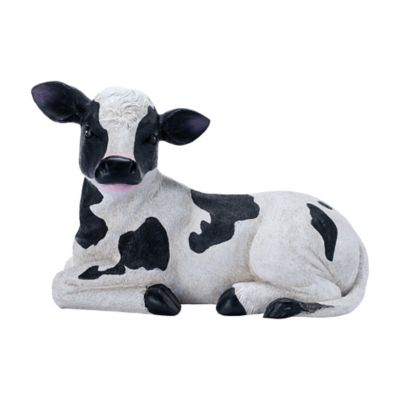
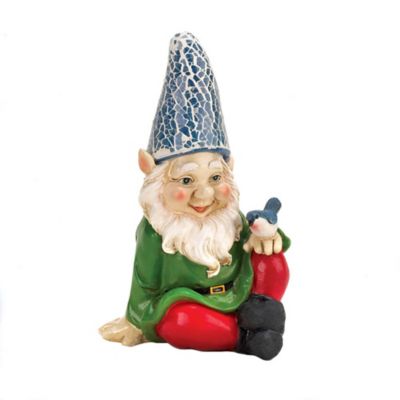
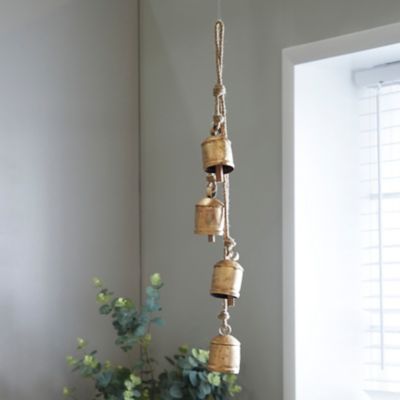
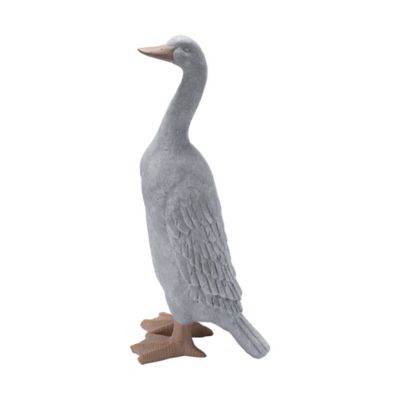
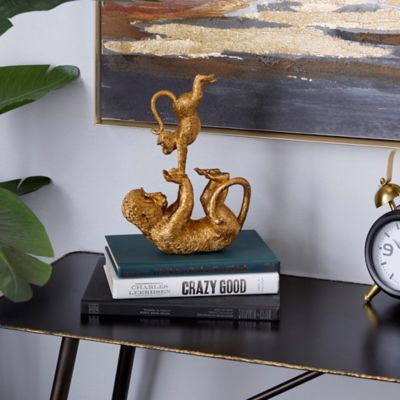
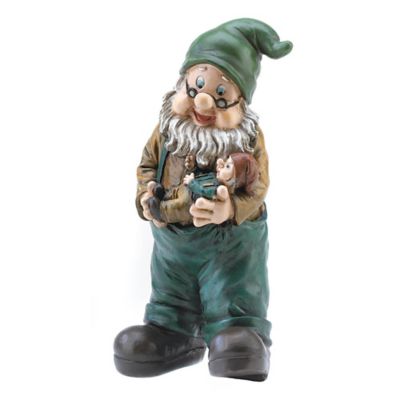
Sculptures make thoughtful holiday gifts because they give a home something personal without needing a whole room rearranged. A well-chosen piece can reflect a love of the outdoors, a connection to country life, or simply an eye for interesting shapes and textures. Holiday sculpture gifts range in feel from quiet and understated to playful and full of character, making them a good fit for family members, close friends, neighbors, and hosts who enjoy making their spaces feel welcoming. The best match usually starts with the person’s home rather than the holiday wrapping. Someone with open shelves, warm wood furniture, and earthy colors may appreciate a sculpture with a textured surface or a muted finish. A person who keeps their rooms simple may prefer clean lines and a shape that looks good from several angles. Think about the details you notice when you visit: the corner of the mantel they always leave open, the view from their favorite chair, or the entry table where everyone drops their keys. Those everyday habits tell you more about a fitting gift than a passing trend ever could. Size matters just as much as style. A smaller sculpture is often easier to place in an established home, while a larger piece needs enough open space to show its shape without crowding the room. For a host gift, something easy to carry, unwrap, and set out can be especially welcome when the house is full of company. For a close relative, a more substantial sculpture may suit a spot you already know well. Holiday-themed designs can become part of the family’s yearly traditions, while shapes with a broader connection to nature or country living can stay on display after the celebrations wind down. Either approach gives the recipient something to enjoy beyond the moment the paper comes off, with no need to guess clothing sizes or make room for another kitchen appliance.
When comparing sculptures for holiday giving, pay attention to material, dimensions, weight, finish, and the maker’s stated display location. These details affect both the look of the gift and how comfortably it fits into everyday life. Metal can bring crisp outlines, rich surface texture, or a substantial feel, though the weight varies with its construction. Ceramic and stoneware often have a grounded presence that pairs well with wood and other natural materials, but they need thoughtful placement where elbows, wagging tails, and busy little hands are less likely to knock them over. Resin can allow for intricate shaping without the weight of solid stone, although suitability for outdoor conditions depends on the particular product. Wood offers visible grain and warmth, with care requirements that depend on its finish and construction. No material name alone tells you whether a sculpture belongs outside. Check the product information for outdoor suitability and any limits involving moisture, sunlight, freezing temperatures, or sheltered placement. A covered porch still gets windblown rain, and a sunny window can expose a finish to strong light for hours each day. During the cooler months, pieces that hold water in small openings or recessed areas may need extra attention if temperatures drop below freezing. Follow the manufacturer’s care and storage directions rather than assuming a heavy piece can stay outdoors all season. For indoor placement, look closely at the base. A broad, level footprint helps a sculpture sit securely, while a rough underside may call for a suitable protective layer between the piece and a finished tabletop. Check the full measurements, including any parts that extend beyond the base, and compare the weight with the shelf or furniture’s stated capacity. Price is worth weighing alongside these practical details. A gift that suits the recipient’s space, tastes, and upkeep preferences is a better choice than something larger that leaves them wondering where to put it. Clear care information is worth keeping with the gift so they can enjoy it without having to track down instructions later.
Where a sculpture will live often determines whether it becomes a favorite part of the house or spends most of its time packed away. On a mantel, height and depth should leave breathing room around nearby objects and stay clear of heat sources according to the fireplace manufacturer’s guidance. On an entry table, a sculpture should leave enough space for the ordinary comings and goings of coats, mail, and grocery bags. A piece viewed from across a room benefits from a readable outline, while one placed beside a chair can reward a closer look with texture and smaller details. Lighting changes the effect, too. Soft light from the side brings out raised surfaces and casts gentle shadows; strong backlighting may emphasize the silhouette instead. There is something inviting about a sculptural shape catching the lamplight when the windows have gone dark and folks are settling in for the evening. Outdoors, placement deserves the same care. Choose a level spot that does not narrow a walkway, interfere with a door, or sit in the path of snow clearing and routine yard work. Consider visibility from inside the house as well as from the porch, since an outdoor sculpture can bring enjoyment even when the weather keeps everyone indoors. For a recipient who likes spending time outside,
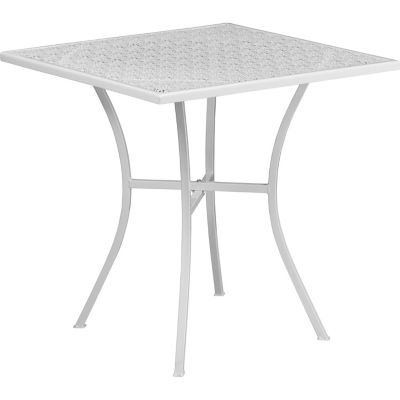
Outdoor Furniture For Holiday Gift offers another way to think about gifts for a welcoming porch or patio, alongside a sculpture suited to that setting. Presentation can stay simple: protect projecting details, cushion fragile surfaces, and include any assembly or care paperwork. If the gift is heavy, arranging help with carrying and placement is a kindness that matters more than fancy wrapping. For someone with limited storage, a sculpture that fits their home year-round may be easier to enjoy than a piece reserved for holiday display. For someone who treasures unpacking familiar seasonal pieces, a holiday design can become part of that happy routine. The right choice feels at home with the person receiving it, whether it greets company by the door or quietly fills a favorite corner.