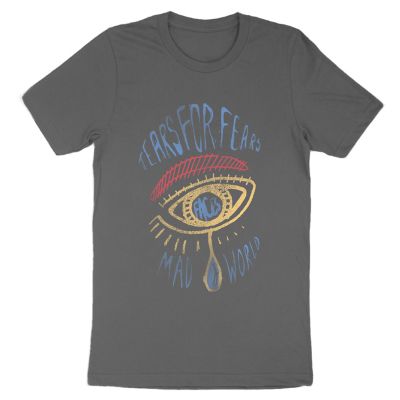
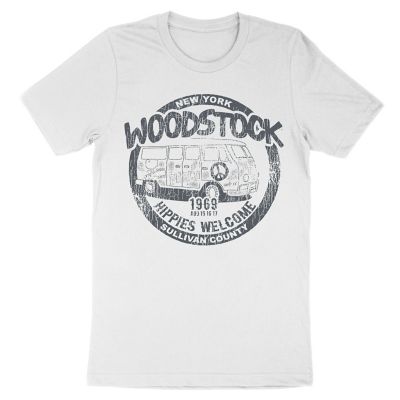
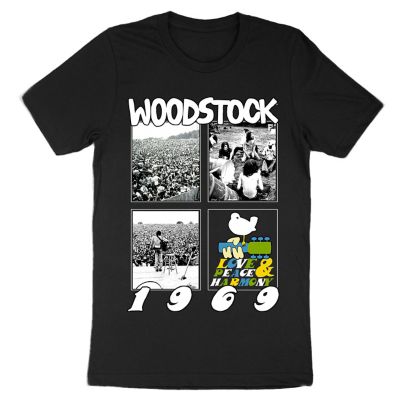
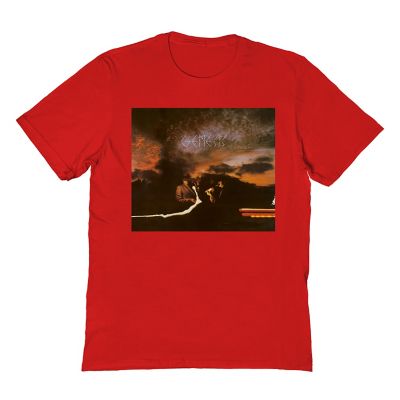
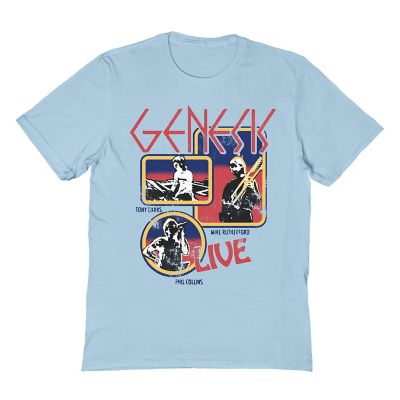
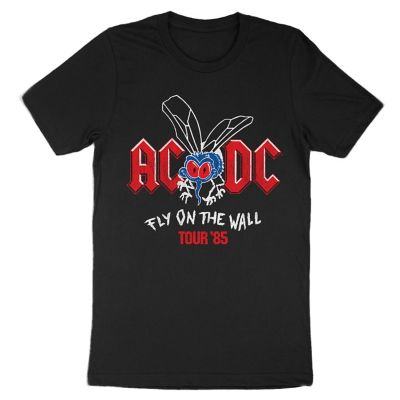
Rock band T-shirts are graphic tees featuring band names, logos, album artwork or concert-inspired designs, giving music fans an everyday way to wear a favorite sound. Some graphics put a bold band name front and center, while others build the look around illustrated artwork, lettering or a tour-style layout. A small chest print keeps things simple; a larger front or back graphic makes the music the main attraction. The appeal goes beyond a particular genre. A shirt might bring back a first concert, call to mind an album that stayed in the truck’s CD player for years or show support for a band discovered more recently. Classic rock, hard rock, punk and metal each have their own visual language, from straightforward lettering to detailed scenes and high-contrast artwork. Choosing between them comes down to the music and the look that feel right to the person wearing the shirt. For everyday outfits, a band tee fits easily alongside jeans, canvas pants, sneakers or boots. It can go from a trip into town to a backyard gathering without needing much fuss, and an open button-front shirt lets the graphic stay visible while adding another layer to the outfit. Print placement matters here: a centered design generally shows through an open shirt, while artwork spread across the shoulders or back needs more room to be seen. Shirt color also changes the effect. Dark fabric can give bright lettering a strong backdrop, while lighter fabric can bring out linework and smaller details. Official licensing information, when provided, identifies merchandise authorized by the band or its representatives; that is separate from the shirt’s fabric, fit and care needs. There is no need to dress like a performer or know every song to enjoy the style. A rock band T-shirt can be a conversation starter at a show, a nod to a longtime favorite or simply the shirt that feels right for a laid-back day.
Fabric and fit make a big difference in how often a rock band tee gets pulled from the drawer. Cotton is common because it feels soft against the skin and allows air to move through the knit. Cotton blends can have a different drape, and blends containing polyester may resist wrinkles and help the shirt retain its shape, depending on the fabric and construction. Fabric weight matters, too. A lighter knit tends to fall closer to the body and tuck easily into jeans, while a heavier knit can feel more substantial and give a large graphic a steadier surface. Neither choice is automatically better; the right one depends on whether the wearer prefers a light, easy feel or a shirt with more structure. Fit descriptions deserve a close look rather than a guess based only on the size letter. A fitted cut follows the torso more closely, a regular cut leaves a little breathing room, and a relaxed cut provides more space through the chest and waist. Actual measurements are especially helpful because sizing can vary between styles. Comparing the chest width and body length with a favorite shirt laid flat gives a clearer picture than relying on a familiar size alone. Shoulder seams, sleeve length and hem length all affect comfort when reaching for a shelf, sitting through a concert or spending a few hours on the road. Someone who likes a tucked-in tee may want enough length to keep the hem in place, while someone wearing it untucked may prefer a hem that sits around the hips. A neck opening that lies flat and seams with even stitching can help the shirt keep a tidy shape through regular wear. Stretch should be considered separately from looseness: a roomy cotton tee and a closer-fitting stretch blend can feel quite different. Product descriptions and size charts can help sort out those differences before choosing a fit, especially when the shirt is a gift.
Keeping the artwork looking good starts with the care label, since the fabric and printing method determine how a band T-shirt should be cleaned. When the label allows it, turning the shirt inside out before washing can reduce rubbing against the printed surface. Washing with similar colors helps protect the background color, and avoiding an overloaded washer gives garments room to rinse. A mild detergent and the recommended water temperature are sensible choices; bleach or harsh stain treatments can affect both the fabric and the graphic unless the label specifically permits them. For a small spill, gentle treatment is usually a better first step than hard scrubbing across the artwork. Drying deserves the same attention. Follow the stated directions, and remember that excessive dryer heat can contribute to shrinkage or put stress on some prints. If ironing is permitted, keep the iron off the graphic and follow any instructions about ironing from the reverse side. Folding the shirt neatly after it dries helps keep it ready for the next outing without stretching the neckline on a hanger. These details matter most for a tee that gets worn often, whether that means weekend errands, time with friends or standing near the stage at a favorite venue. Rock band T-shirts also make thoughtful gifts when the choice starts with the recipient’s listening habits rather than the giver’s taste. Knowing the band they play on long drives, the album they talk about or the concert they remember gives the graphic a personal connection. Checking their preferred fit and usual shirt color helps make that connection practical, too. A birthday, graduation or concert outing can be a fitting occasion for a music-themed shirt. For a gathering built around spooky artwork instead,
Halloween T-Shirts bring a different theme to the same easygoing outfit. Whatever the occasion, the best match is a shirt whose artwork feels meaningful, whose cut feels comfortable and whose care routine fits everyday life.