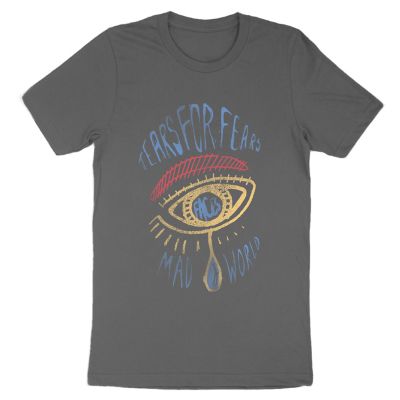
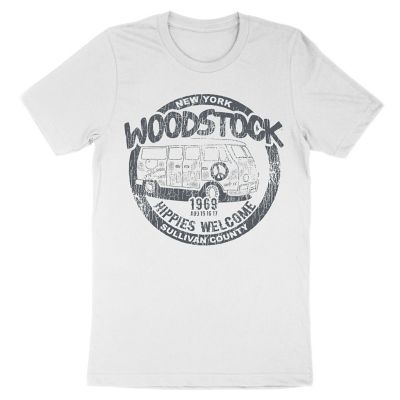
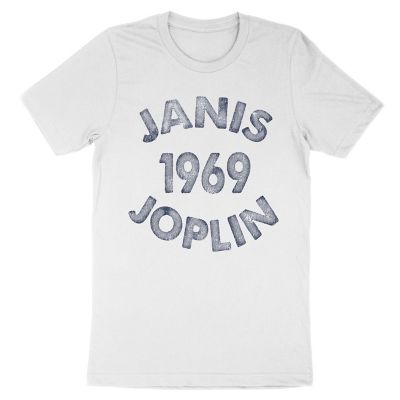
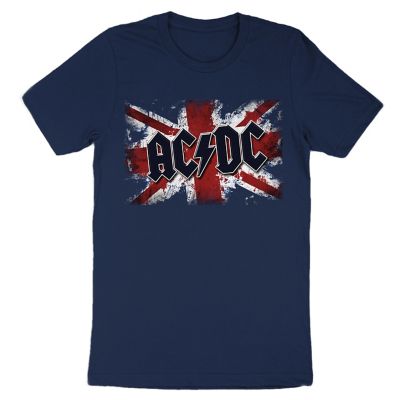
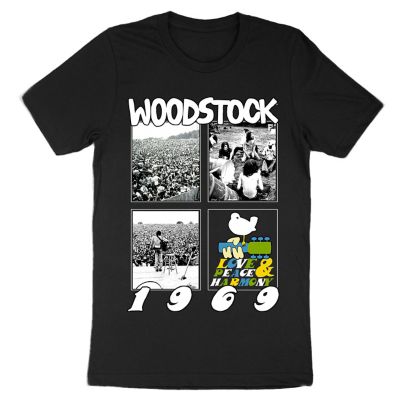
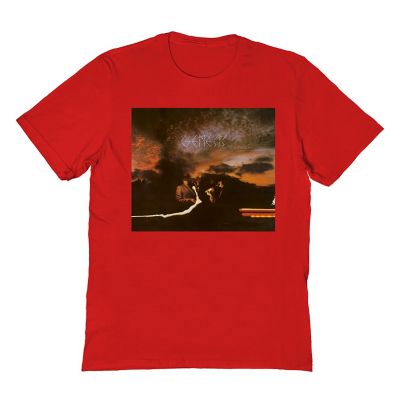
Classic rock shirts are casual tops featuring band names, album artwork, concert imagery, and other graphics connected to guitar-driven rock music and its history. They let fans carry a little of their favorite sound into everyday life, whether that means bluesy riffs, big arena anthems, or the songs that have played on the truck radio for years. The appeal starts with the music, but the artwork has a personality all its own. Bold lettering, illustrated album covers, winged emblems, and tour-style layouts can make a simple T-shirt the centerpiece of an outfit. Some designs put a large graphic across the chest, while others pair a smaller front print with artwork on the back. A dark background can give bright lettering a strong outline; a lighter background can make fine illustration details easier to see. Softly faded printing creates a more broken-in appearance, while crisp graphics keep the artwork looking sharp and bold. Those differences matter when a shirt is meant to go with a favorite pair of jeans rather than feel like a costume. Classic rock T-shirts fit naturally into everyday plans, from a trip to the feed store to an evening shooting pool or catching a local band. They also give longtime listeners and newer fans a common starting point: a familiar logo can bring up stories about a first concert, a stack of records, or a song that always gets turned up. For collectors and devoted fans, the connection between the graphic and the music may matter as much as the fit. Official licensing, when stated in the product description or on the label, indicates that the design has authorization from the rights holder. Tour dates printed on a graphic may be part of the artwork rather than a statement about when the shirt itself was made. That distinction helps keep the focus on what the shirt represents and how it suits the person wearing it.
Fabric and fit make the difference between a rock graphic shirt that looks good on a hanger and one that earns a regular place in the laundry basket. Cotton is a familiar choice for its breathable feel and softness against the skin. A cotton-and-polyester blend can offer a different balance of softness, shape retention, and drying time, depending on the fabric’s construction and care requirements. Fabric weight matters, too: a lighter knit usually feels less substantial, while a heavier knit can have a firmer drape. Neither tells the whole story on its own. The feel of the fabric, the way the seams lie, and the stretch at the collar all contribute to everyday comfort. A well-sewn shoulder seam and a neckline that rests flat are practical details worth noticing in a shirt that will get plenty of wear. Fit descriptions can help narrow the field, but measurements tell a clearer story than a size letter alone. Comparing chest width and body length with a favorite T-shirt gives a useful reference, especially when moving between relaxed, fitted, and unisex cuts. A relaxed shape leaves more room through the torso, while a closer cut follows the body more closely. Shoulder placement affects how the sleeves hang, and shirt length determines whether the hem stays put when reaching overhead or sitting down. Anyone who likes a tucked-in tee may prefer extra length; someone wearing it loose may want a hem that falls neatly around the hips. For layering beneath an open work shirt or casual jacket, a smoother fit through the shoulders helps keep the fabric from bunching. Worn on its own with jeans and boots, a roomier cut offers an easygoing look without much fuss. The best fit leaves enough room to move comfortably without pulling the graphic out of shape. These are everyday casual shirts, so fabric strength and a sturdy feel should not be mistaken for the protection provided by purpose-built workwear.
Good care helps classic rock shirts keep their shape and gives the artwork a better chance of staying clear through repeated wear. The garment’s care label should lead the way, since fabric blends and printing methods do not all respond alike. Turning a graphic tee inside out before washing can reduce rubbing against the printed surface. Washing with similar colors helps limit unwanted color transfer, and avoiding an overcrowded washer gives garments more room to move. High heat can contribute to shrinkage or put stress on certain prints, so the recommended wash and drying settings matter. When the label permits it, a gentle wash and lower-heat drying routine can be a sensible approach. An iron should not go directly over a graphic unless the care directions specifically allow it. Folding shirts with the print lying smooth also helps keep a stack manageable in a dresser drawer, especially for someone who rotates through several music tees. Beyond everyday wear, a classic rock shirt can make a thoughtful birthday gift, graduation gift, or simple thank-you for a music fan. The strongest match comes from knowing what the recipient actually listens to, along with whether they prefer large artwork, small logos, darker colors, or a quieter look. A familiar band reference can mean more than the loudest design in the room. Size and fit deserve the same attention as the graphic, particularly for someone who likes a loose tee or has a favorite shirt length. For listeners whose playlists move between guitar solos and country choruses,
Country Concert Shirts offer another way to bring musical taste into everyday clothing. There is no need to build an entire outfit around a music tee: straight-leg jeans, broken-in boots, and an open button-front shirt keep things straightforward. Whether it heads to a show or stays in the regular weekend rotation, a well-chosen rock shirt brings familiar music into a comfortable, personal part of getting dressed.