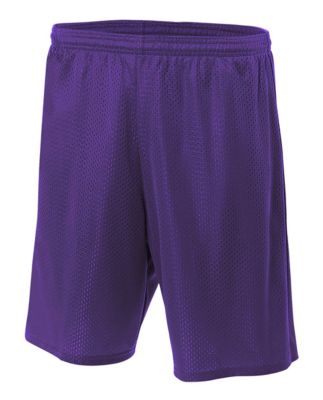
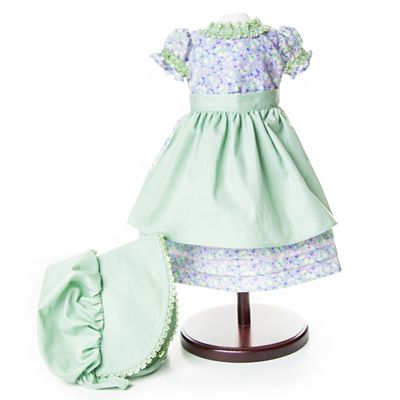
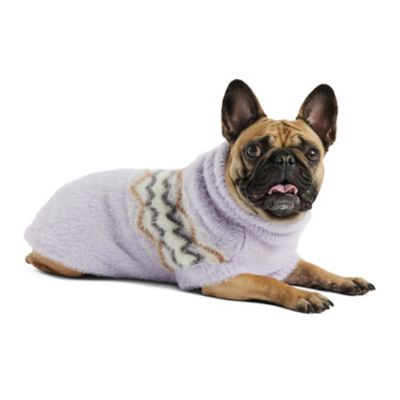
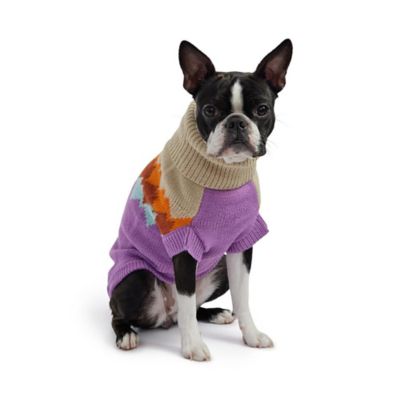
Purple clothes come in shades from soft lilac and lavender to bright royal purple, muted plum and deep eggplant. Lilac and lavender bring a lighter touch to everyday clothes, royal purple stands out against a simple outfit, and deep plum can work much like a dark neutral. The undertone makes a difference, too. Some purples lean blue, like violet, while others have a red or berry cast that brings out the color in brown leather. Faded denim and lavender make an easy pairing for a trip to town, while charcoal lets a clear royal purple hold its own without much else going on. For a family supper or a night at the county fair, plum sits comfortably alongside dark denim, cream and brown. If there’s already a fair bit of color in the outfit, a heathered purple can be an easy fit. The mix of lighter and darker threads breaks up the color, while a solid shade gives a cleaner contrast. Texture changes the look as well: A brushed surface can soften a bold purple, and smooth fabric tends to show the color more evenly. It’s worth looking at two purples side by side before pairing them. A dusty lilac next to an inky plum gives enough contrast to make both shades stand out, while two close shades with different undertones may look like they were meant to match but don’t quite. The same shade can also look different by a window than it does under indoor lighting. For a Western outfit,
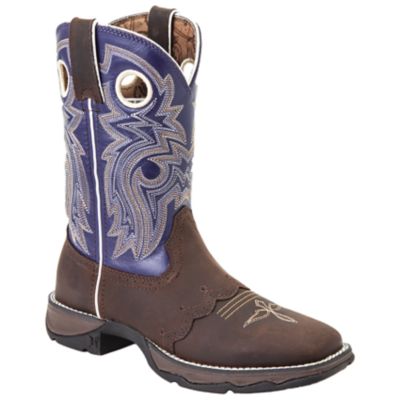
Purple Western Boots For Women offer another way to carry the color through the look. The shades don’t have to match exactly; a hint of purple in a pattern can be enough to tie the outfit together.
Fabric and fit matter as much as shade when the clothes have to go from the feed room to the grocery aisle. Cotton jersey usually feels soft and easy to move in, while a closely woven cotton or cotton blend tends to have more body and hold its shape better. Polyester blends often dry faster than all-cotton fabrics, which can be handy for activewear or clothes that get washed often. A little elastane can help fabric give at the knees and elbows, though stretch won’t make up for a cut that pulls across the shoulders or bunches at the waist. A fit that feels fine standing in front of a mirror can tell a different story when it’s time to step into a pickup, bend to fill a feed pan or reach across a workbench. Try those kinds of movements when checking the fit, especially if the clothes will be worn over another layer. Pay attention to where seams sit and whether cuffs and hems stay put as you move. For clothes that spend a lot of time around tools, gates or equipment, a closer fit without loose ends helps keep fabric out of the way. If the plan calls for plenty of time in the saddle or behind the wheel, check that the waistband sits comfortably when seated and that the fabric doesn’t pull across the thighs. Neat stitching and well-finished seams are worth a look on clothing that will see regular wear, particularly at spots that take a lot of strain. Fabric weight alone doesn’t tell the whole story. A tightly knit fabric that springs back after a gentle stretch may keep its shape better than a heavier knit that stays stretched out. For days that call for more sitting than lifting, a softer fabric with an easy drape may be the better fit.
A little attention on laundry day can help purple clothes keep their color and shape. Start with the care label, since two fabrics that look alike may call for different treatment. Deep or saturated purple can transfer dye in the wash, especially on the first few trips through, so sort it with similar colors rather than tossing it in with pale fabrics. Turning clothes inside out before washing can cut down on rubbing against other fabrics, which is especially helpful for dark colors that show surface wear. If the label calls for a gentle wash or says to lay the garment flat to dry, follow that advice even if the rest of the load can go straight into the dryer. A knit that gets heavy when wet may stretch if it hangs by the shoulders. After a day of chores, check the cuffs and hems for marks before drying. Treat spots as the care label allows, and test any stain remover on a hidden seam first. Scrubbing hard at a spot on plum fabric can leave a lighter patch that’s more noticeable than the mark was. How often the clothes need washing is also worth thinking about when choosing them for somebody else. For a birthday gift, a familiar fit in a favorite shade makes more sense than guessing at both the color and the cut. A kid who goes straight from school to feeding the animals may get more wear out of a purple that pairs easily with everyday denim and a fabric that can go in with the regular wash. Someone who likes a bold splash of color may reach for royal purple, while a person whose closet is mostly gray, brown and blue might wear a muted plum more often. The best clue is what already gets pulled out of the drawer on a busy morning: the fit that feels right, the fabric that’s easy to live with and a shade that goes with clothes already in the rotation.