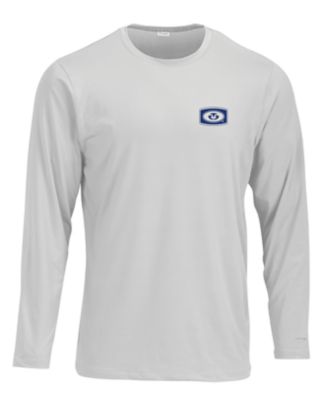
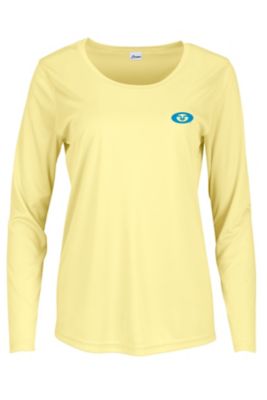
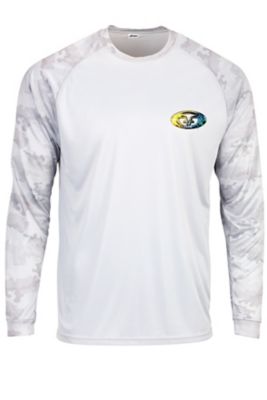
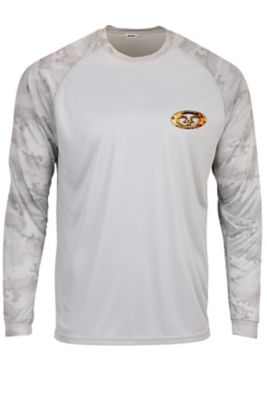
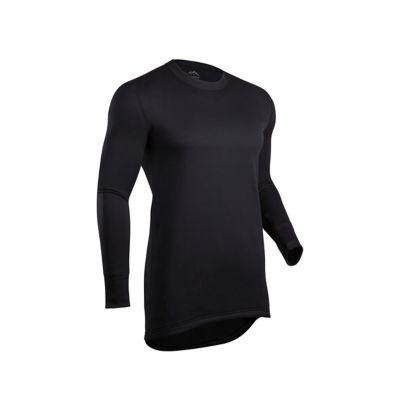
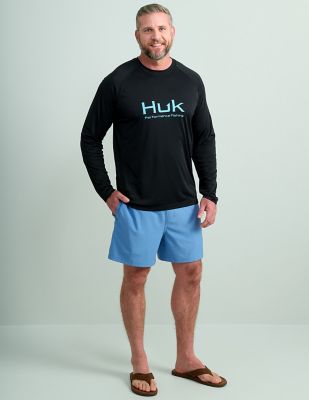
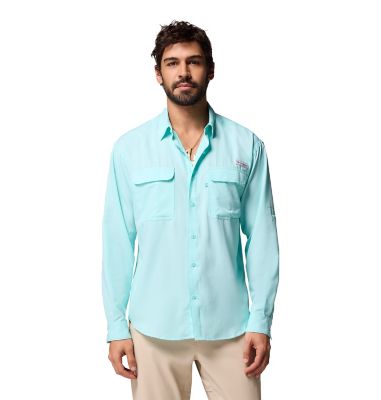
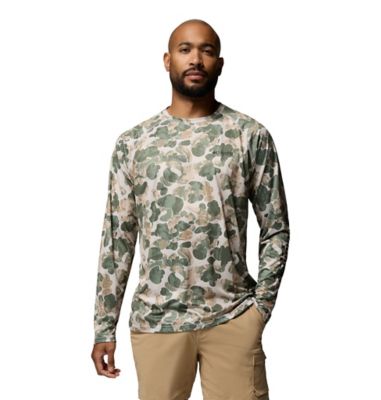
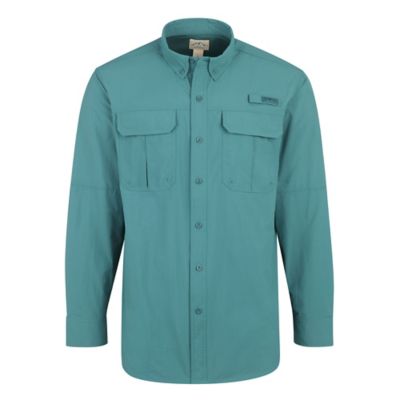
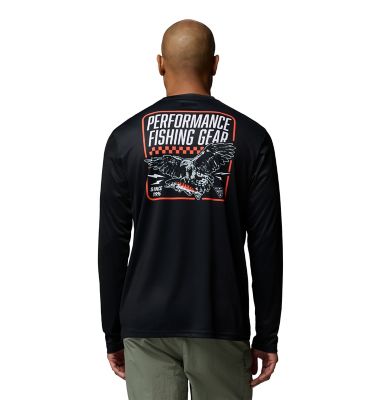
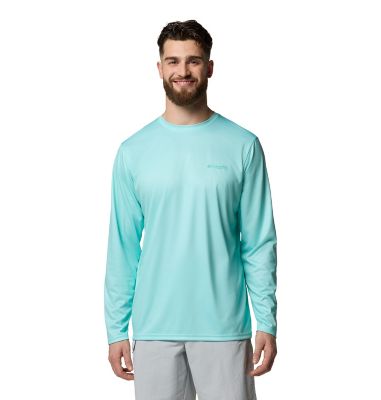
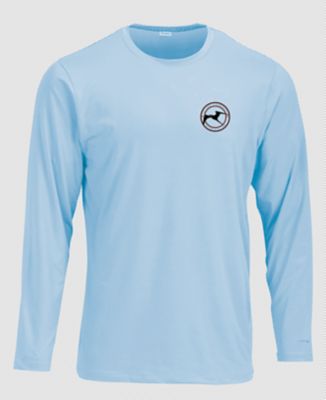
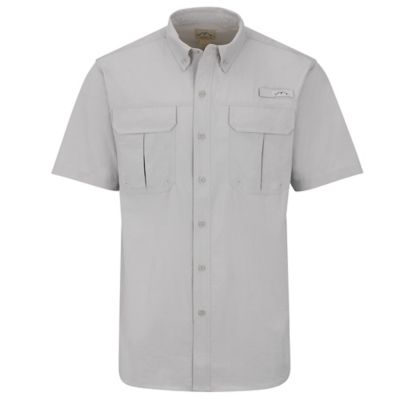
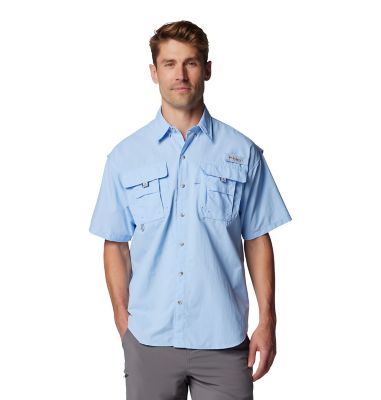
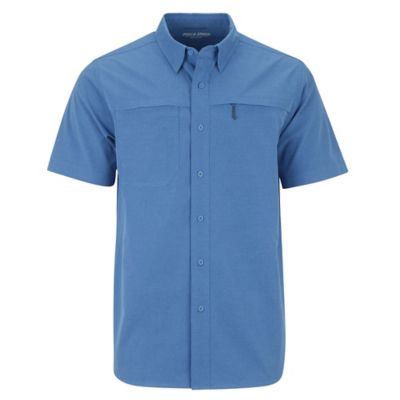
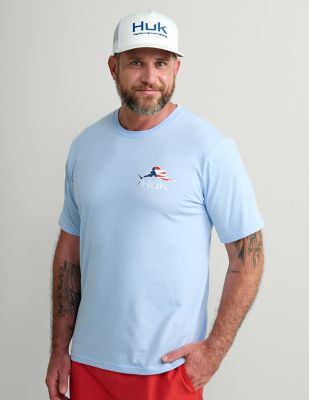
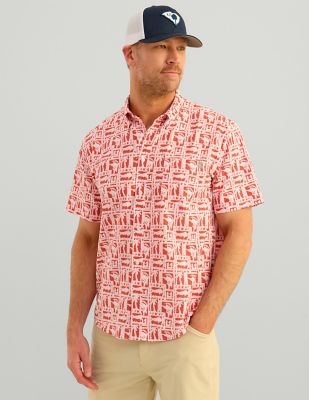
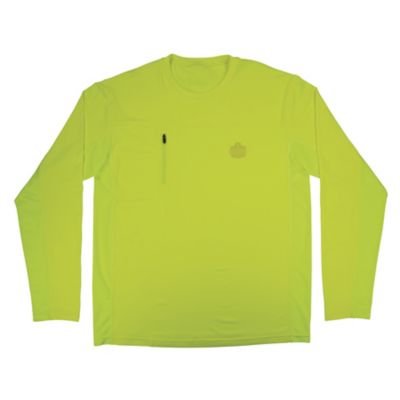
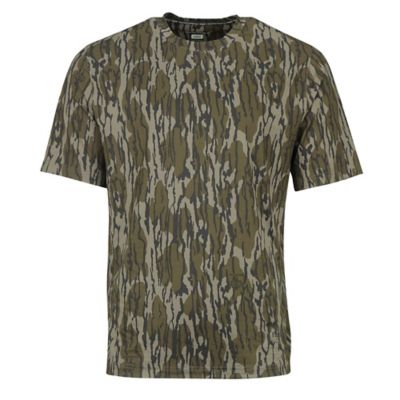
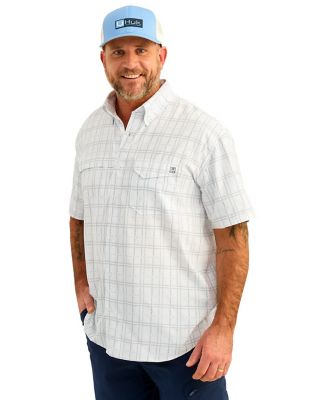
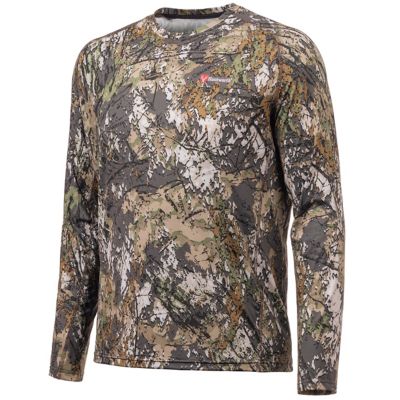
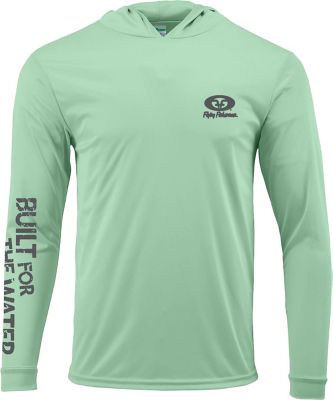
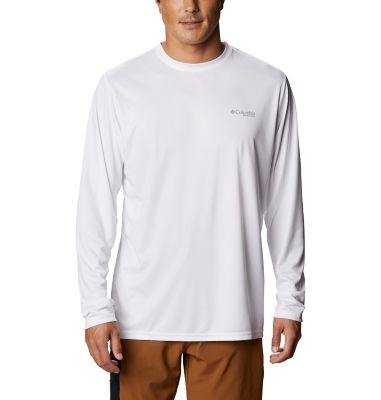
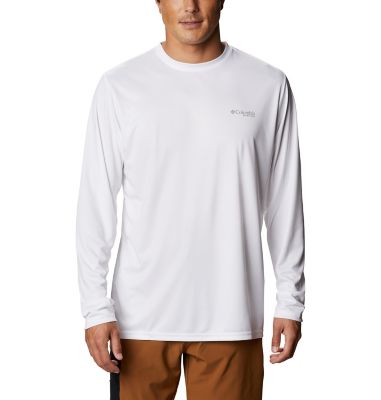
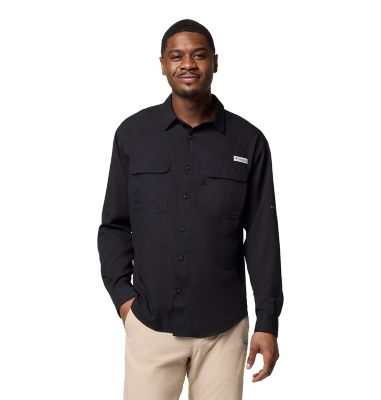
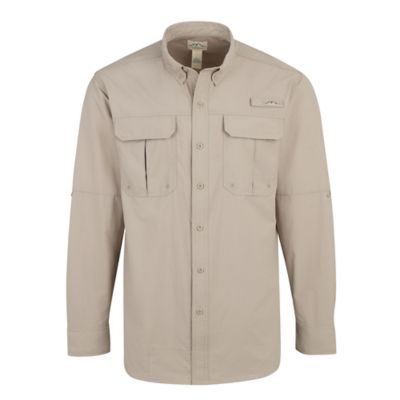
Performance fishing shirts bring together lightweight fabrics, moisture management and freedom of movement for time spent casting, working a reel and handling a catch. Polyester and nylon are common materials, sometimes blended with spandex or elastane for stretch through the shoulders and sleeves. Moisture-wicking fabric moves perspiration away from the skin, spreading it across the material so it can evaporate, while quick-drying fabric helps a shirt dry after splashes, boat spray or a rinse. These features do different jobs, and neither automatically means a shirt provides rated sun protection. For that, check the ultraviolet protection factor, or UPF, listed on the garment. A UPF 50 rating means the tested fabric blocks about 98% of ultraviolet radiation under test conditions. That protection applies to the covered area, so sleeve length, neckline and overall coverage matter alongside the rating. A hood can cover more of the neck and ears, while extended cuffs or thumbholes can help sleeves stay over the wrists. A hat, sunglasses and sunscreen on exposed skin still have a place in a fishing setup. The feel of the fabric matters, too. Soft knit fishing shirts generally have the familiar feel of a tee, with stretch that follows an overhead cast or a reach across the boat. Woven fishing shirts often have a more structured feel, with button fronts, collars and pockets for small essentials. Mesh panels and vented backs can encourage airflow without requiring a loose, billowing fit. Long-sleeve fishing shirts offer more coverage, while short-sleeve styles leave the forearms free and can feel less restrictive to some anglers. Fabric weight, weave and finish all influence how a shirt feels against the skin, so two shirts with the same fiber content may wear quite differently. Some also have stain-release or odor-control treatments, but those features vary by garment and do not replace regular washing. The most useful combination depends on whether the day involves sitting beside a farm pond, paddling a kayak or moving between the helm and the casting deck.
Fit makes a real difference when the same motion gets repeated for hours. A performance fishing shirt should leave room to bring both hands forward, raise a rod overhead and bend to reach a tackle tray without pulling hard across the back. Raglan sleeves, underarm gussets and stretch panels are construction details that can support that movement. Shoulder seams should sit comfortably, and cuffs should stay clear of the reel handle rather than bunching around the hands. A little extra body length helps keep the hem from riding up when leaning over a gunwale or reaching down with a landing net. Excess fabric has its drawbacks, though: a very loose sleeve can brush against tackle, and a bulky hem can bunch beneath a personal flotation device. For kayak anglers, flat seams and a smooth chest area can reduce rubbing where a flotation device rests. For bank fishing, a shirt that moves easily beneath a tackle-pack strap can make the walk between fishing spots more comfortable. Button-front styles may include roll-tab sleeves, chest pockets or small loops intended to hold fishing accessories. Pocket placement deserves a look, especially when bending over the water; a secure closure helps keep small belongings from slipping out. Rod-holder tabs can briefly free a hand when tying a knot, but their design and intended use vary. Pullovers offer a simpler front with fewer closures, while hooded styles add coverage without a separate collar. Shoppers comparing
Men's Fishing Shirts can consider chest measurements, sleeve length and the garment’s size chart rather than relying only on the size of an everyday T-shirt. The same attention to measurements helps when choosing fishing clothing for women or younger anglers. For a gift, knowing whether the recipient favors a hooded pullover, a plain crewneck or a pocketed button-front is often more helpful than guessing from appearance alone. A shirt that suits their fishing routine is more likely to earn a regular spot beside the tackle bag.
Care and construction help determine how well a performance fishing shirt holds up to repeated trips. Neat stitching, reinforced pocket corners and smoothly finished seams are worth checking, especially around the shoulders, cuffs and underarms where movement puts stress on the fabric. A smooth, lightweight knit may feel great against the skin but still need care around exposed hooks, sharp dock edges and hook-and-loop straps. A tighter woven fabric can offer a different balance of structure and snag resistance, though no fishing shirt is a substitute for protective gear when a task calls for it. After a trip, following the care label helps protect the fabric and any performance finishes. Many synthetic shirts call for a gentle wash, mild detergent and low heat or air drying, but the garment’s instructions should settle the details. Fabric softener can leave residue that interferes with moisture movement, and chlorine bleach or excessive dryer heat may harm certain fibers, stretch components or finishes. A freshwater rinse after saltwater exposure helps remove salt before storage, and letting the shirt dry completely keeps damp fabric from sitting folded in a tackle bag. Fish slime, bait residue and sunscreen marks are easier to address before they settle into the fabric; any stain treatment should match the care label. Closing zippers and fastening hook-and-loop tabs on other garments can also help limit snags in the wash. Between trips, a clean, dry shirt is ready for another outing without stiff cuffs or grit along the collar. Performance fishing shirts can also fit naturally into time spent rigging rods at home, loading gear at the dock or stopping for a bite on the way back. Straightforward colors and simple styling make that transition easy. For an angler who spends more time thinking about the next cast than adjusting clothing, the right blend of coverage, movement and easy care keeps the shirt from becoming a distraction.