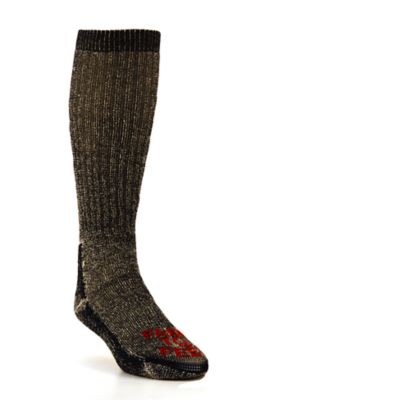
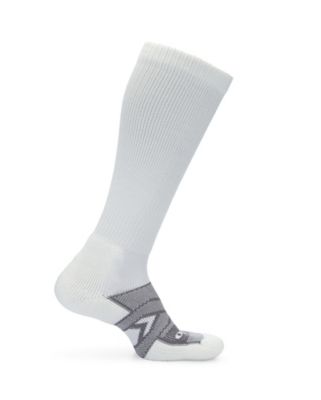
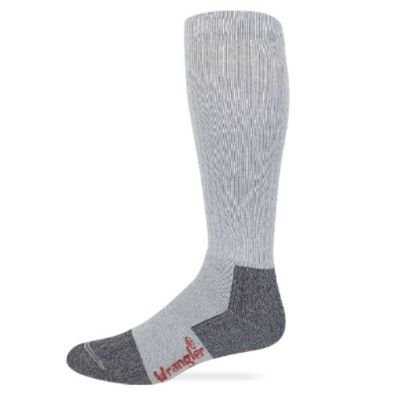
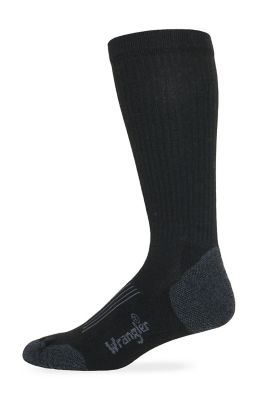
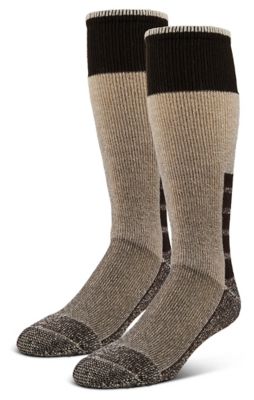
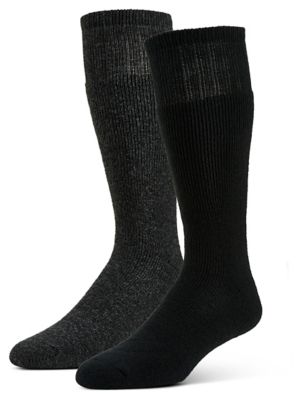
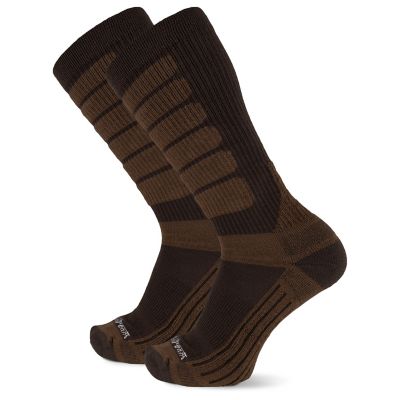
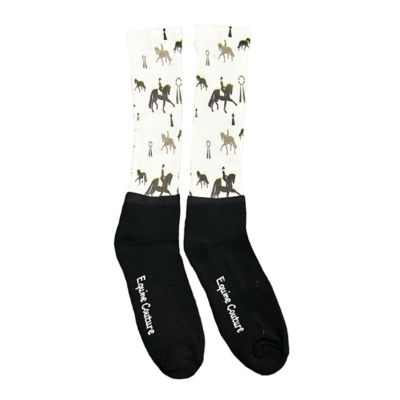
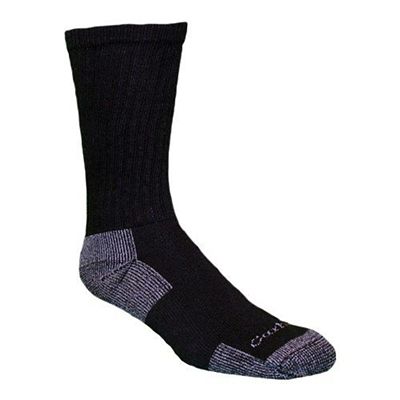
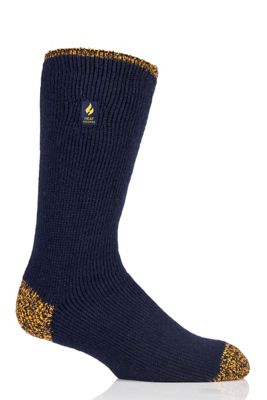
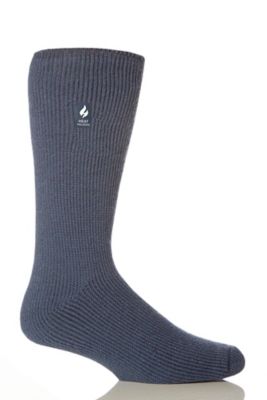
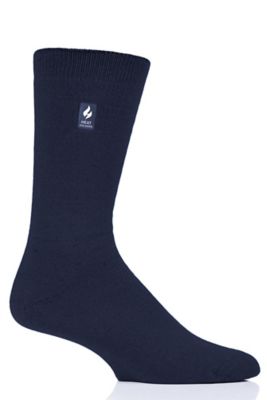
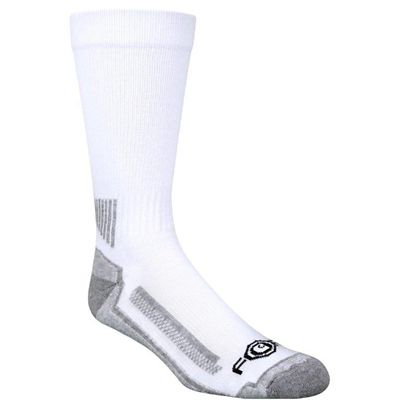
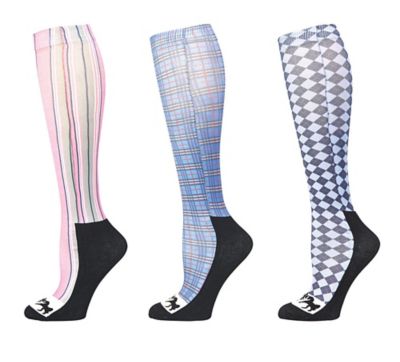
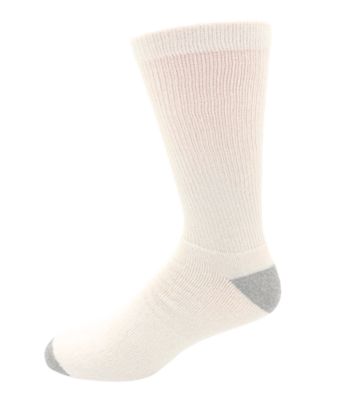
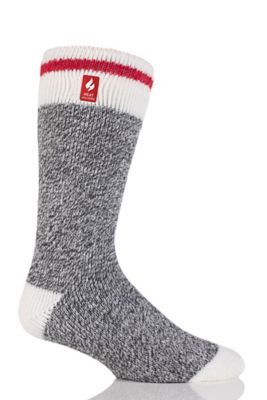
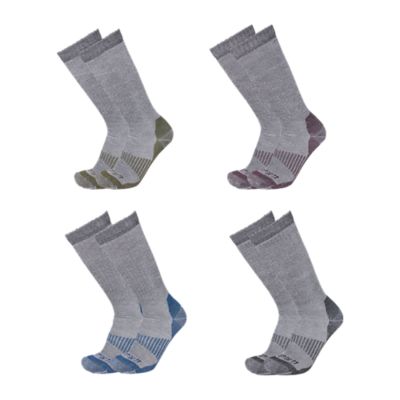
Over-the-calf socks extend up the lower leg to just below the knee, covering the calf and most of the shin. Their taller cuffs sit above the fullest part of the calf, which can help them stay in place without slipping down into a boot. That extra coverage makes them a practical choice for long days in work boots, riding boots, or other tall footwear, especially when a boot shaft would otherwise rub against bare skin. Whether the day involves feeding livestock, checking fence, operating equipment, or spending hours on a shop floor, a smooth layer between the leg and the boot can make a noticeable difference in comfort. The same height also works under dress pants, keeping the lower leg covered when sitting down or crossing a leg. A good fit starts with the foot: the heel pocket should line up with the heel, the toes should have room to move, and the fabric should lie flat rather than gathering under the arch. Up the leg, the cuff should feel secure without digging in, rolling over, or leaving the sock pulled tight across the calf. Shoe size alone does not tell the whole story, since calf shape and leg length also affect where the top lands. Stretch through the leg can accommodate movement, but a taller sock should not need constant tugging to stay put. Height descriptions can vary between styles, so size charts and stated measurements help clarify the difference between a knee-high fit and a sock that ends lower on the calf. For someone climbing tractor steps or bending to latch a gate, a well-matched foot and leg fit helps keep folds from building inside the boot. Tall socks are not automatically compression socks, either; graduated compression is a separate feature, not something that comes with length alone.
Materials and knit construction shape how over-the-calf socks feel through a full day of wear. Cotton brings a familiar, soft feel and absorbs moisture, though cotton-heavy fabric can stay damp longer than some wool or synthetic blends. Merino wool can absorb moisture vapor and often feels softer against the skin than coarser wool fibers. Polyester is common in fabrics designed to move moisture away from the skin, while nylon can add strength in areas that see repeated rubbing. A small amount of spandex or elastane gives the knit stretch and helps it recover its shape after movement. The fiber percentages matter because a wool blend, a cotton blend, and a mostly synthetic sock can feel quite different even when they look similar on the shelf. Thickness matters just as much as fiber content. A heavily cushioned foot takes up more space inside a boot, while a thinner knit may suit footwear that already fits closely. Cushioning under the heel and forefoot can soften the feel of repeated steps across concrete, gravel, or a barn aisle, but adding thickness to a snug boot can crowd the toes and increase pressure across the top of the foot. Reinforcement at the heel and toe helps address the spots that tend to wear first. A smooth or low-profile toe seam can reduce the ridge felt inside close-fitting footwear, and a shaped heel helps keep the sock oriented as the foot moves. Ribbing through the leg, mesh knit zones, and elastic around the arch each affect the feel in different ways. A snug arch band can help limit shifting, while mesh sections leave less fabric over selected areas. For chores that involve kneeling, walking, and repeated changes in direction, those small construction details can matter more than a sock’s appearance. For office work or dress occasions, a slimmer profile and a smooth finish may be the better match.
Everyday wear also puts attention on care, especially when socks spend hours inside boots and then head straight for the laundry basket. The care label is the best reference for washing and drying because wool, cotton, and stretch blends do not all respond the same way. Turning socks inside out exposes the areas that collect sweat and skin oils, and keeping them away from open hook-and-loop fasteners can help prevent snags. Excessive dryer heat can shrink some fibers or weaken elastic over time, so the recommended drying setting matters to both foot size and cuff fit. Fabric softener may interfere with moisture-moving finishes on some performance fabrics; the garment instructions can clarify whether to leave it out. Socks should be fully dry before another day in boots, and rotating between pairs gives each pair time to dry between wears and washing. Thin spots at the heel, stretched-out cuffs, and toe seams that have begun to pull apart are signs that the fit and feel may no longer be what they were. Keeping toenails smooth and checking boots for rough interior seams can also reduce unnecessary wear on the fabric. Over-the-calf socks make a practical gift for ranch hands, tradespeople, riders, and anyone who prefers full lower-leg coverage, provided the sizing and preferred thickness are known. A person who wears fitted dress shoes may appreciate a very different knit than someone who spends the day in roomy pull-on boots. Color and pattern offer room for personal preference, while leg length, cuff stretch, and cushioning do the everyday work. For those who prefer a shorter shaft but still want a close-fitting band through the midfoot,
Crew Socks With Arch Support offer another sock height to consider. The right over-the-calf fit brings together full coverage, a cuff that stays comfortably in place, and enough room inside the footwear for feet to move naturally from the first chore to the last.