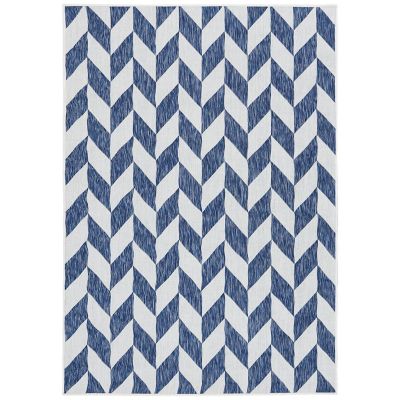
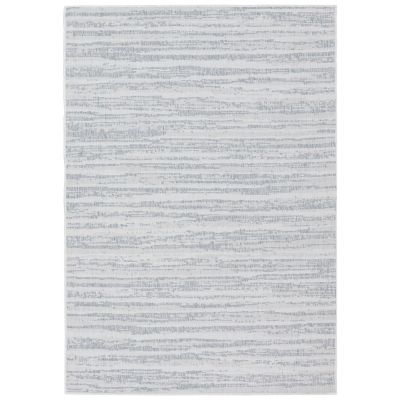
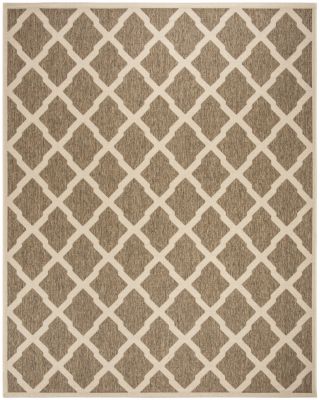
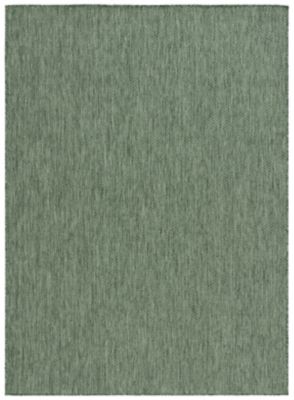
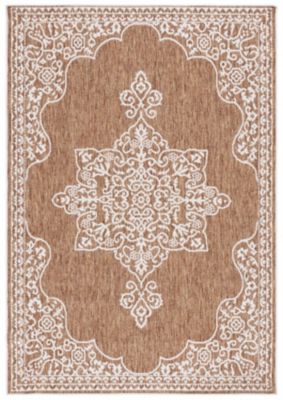
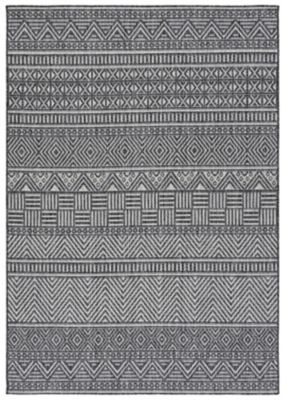
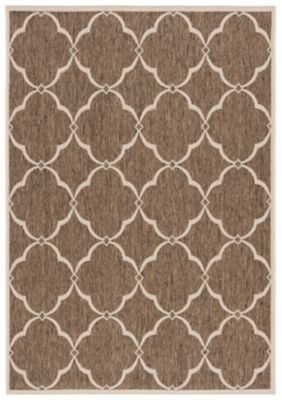
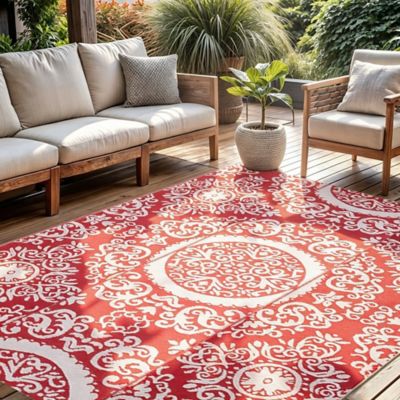
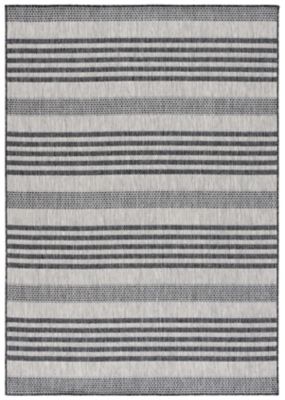
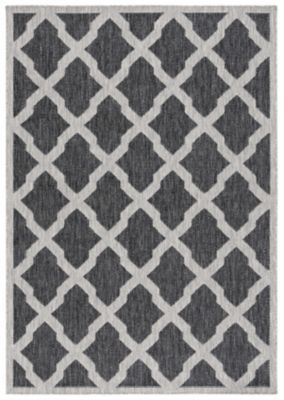
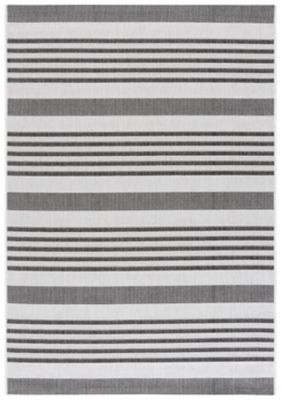
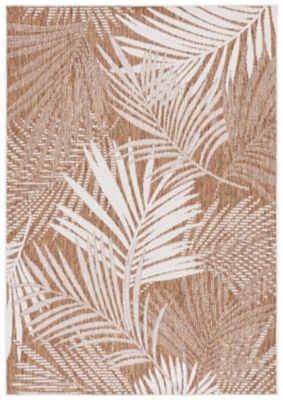
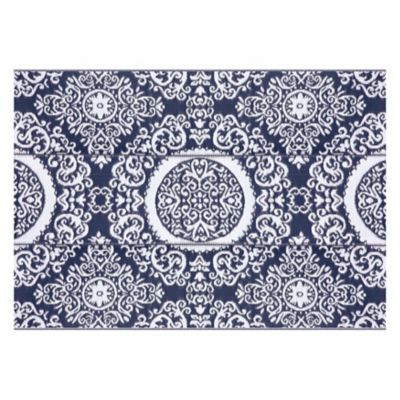
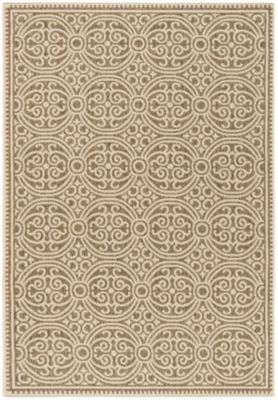
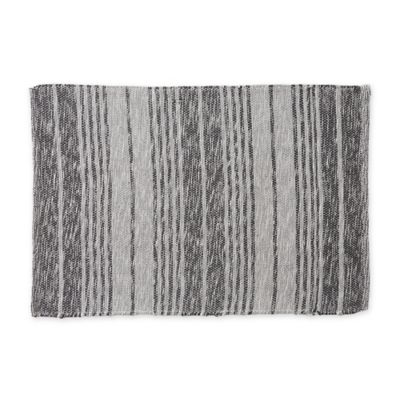
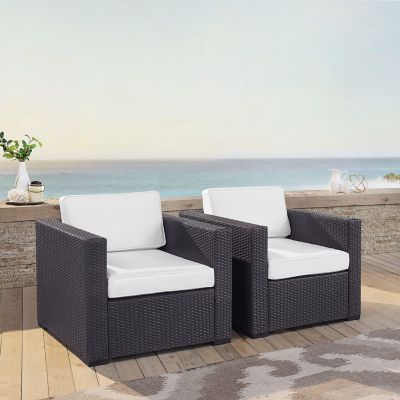
Outdoor rugs for balconies give a small outdoor space a more settled feel, whether there’s room for a pair of chairs and a coffee table or just a bench beside the door. A rug can define the sitting area, bring color to plain concrete, and put a more comfortable surface between bare feet and the balcony floor. The best fit depends on the space, the furniture, and how much exposure the balcony gets. Rectangular rugs work well with long, narrow layouts, while square or round shapes can suit a compact conversation spot without making every edge feel crowded. Measuring the usable floor area helps account for door swings, support posts, planters, and the path between the doorway and the railing. A rug that fits beneath the front legs of a chair grouping can tie the seating together; one beneath a dining set needs enough room for chairs to move back without catching an edge. On a tight balcony, leaving some floor visible around the rug keeps the layout from feeling packed in and leaves room to check drains and clean along the perimeter. Low-profile construction matters near doors, where a thick pile or raised binding can interfere with clearance. Flat edges also make it easier to move a small table or step from the doorway into the sitting area. Patterns and colors do more than set the look: a mixed-tone weave can make tracked-in dust less noticeable, while a broad border can frame a simple furniture arrangement. Smaller patterns often sit comfortably in a narrow space without overpowering it. For apartment dwellers, folks living above a shop, or anyone with an upstairs porch-style balcony, the right rug makes a modest footprint feel like a place to sit a spell rather than a spot to pass through. Matching its dimensions to everyday movement matters just as much as matching it to the chairs, especially when that same doorway carries groceries, watering cans, and the occasional muddy boot.
Materials and construction make a big difference in how a balcony rug handles daily life outdoors. Polypropylene is a common choice because its fibers absorb little water, resist many everyday stains, and can dry readily when the rug’s weave, backing, and placement allow moisture to escape. Polyester also appears in outdoor rugs, including options made with recycled fibers, though drying time and care requirements depend on the whole construction rather than the fiber name alone. An outdoor-rated rug with stated resistance to sunlight is worth considering for an uncovered balcony; that treatment helps limit fading but does not mean colors will stay unchanged indefinitely. A covered balcony still needs materials suited to dampness, since windblown rain, spilled drinks, and water from planters can reach beyond the roofline. Natural-fiber rugs made with jute or sisal generally suit protected, dry settings better than exposed balconies unless the care label specifically allows that placement. Thick, absorbent backing can hold moisture against the floor even when the top feels dry. For that reason, a quick-drying face is only part of the picture: air circulation underneath, clear drainage routes, and a suitable floor surface matter too. A rug should never cover a balcony drain or sit where water collects without a way out. On painted wood, sealed concrete, tile, or composite decking, checking the flooring manufacturer’s guidance can help prevent staining, trapped moisture, or an unwanted reaction with the backing. A thin outdoor rug pad may help reduce shifting, but it needs to be compatible with both the rug and the balcony surface, with enough clearance at the door. Neither a pad nor an outdoor label makes a wet rug slip-proof. Low pile is often practical around chairs, pets, and busy doorways because there is less material to catch crumbs or snag beneath furniture. Tightly finished edges and a close weave also help a rug hold its shape through ordinary foot traffic, though dragging heavy planters or sharp chair feet can still cause damage.
Care is easiest when the rug’s construction suits the way the balcony actually gets enjoyed. A reading corner with a small side table has different demands than a space where children snack, pets stretch out, or boots come off after chores. Loose dirt can work down into the weave, so regular sweeping or vacuuming according to the care label helps keep grit from building up. A small rug may be easy to lift for cleaning, while a larger one may need furniture moved before the floor underneath can be reached. Dust and wash water should stay clear of neighboring balconies and walkways below. For washable outdoor rugs, mild soap and water may handle everyday spills, but the manufacturer’s instructions should determine whether rinsing with a hose is suitable. Strong cleaners, stiff scrubbing, and pressure washing can harm fibers, finishes, or backing. After cleaning or a soaking rain, letting both sides dry thoroughly helps limit lingering odors and mildew growth; moisture resistance does not prevent mildew when dirt and dampness remain trapped together. Lifting the rug periodically also gives the balcony floor a chance to dry and makes it easier to spot leaves lodged near a drain. Plant saucers and raised stands help keep potting soil and runoff from settling into one spot, while furniture feet without sharp edges are gentler on the weave. When a rug needs to be put away, clean it first, let it dry completely, and follow its storage directions rather than folding a damp rug into a closed container. Coordinating nearby outdoor spaces can be simple without making every area identical:
Outdoor Rugs For Porches offers a related starting point for a sheltered entry or a larger sitting area. On the balcony itself, a sensible size, outdoor-suited materials, and manageable care leave more room for what belongs there—a comfortable chair, a good view, and a quiet place to take a break.