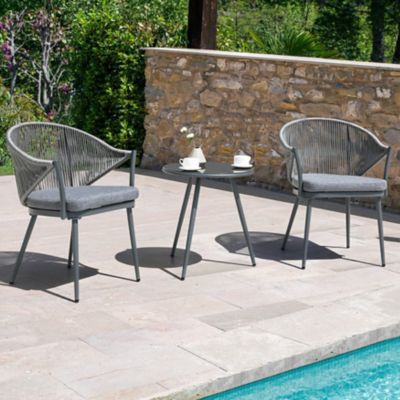
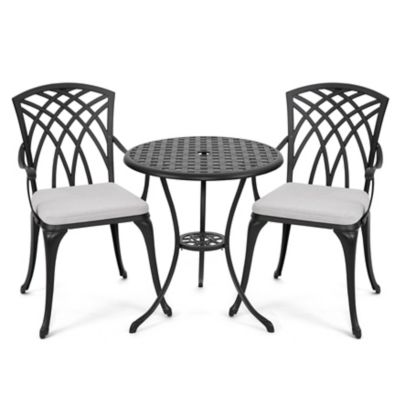
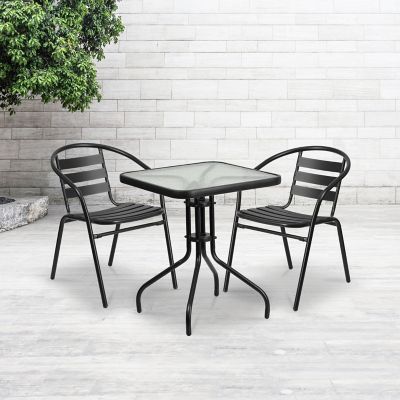
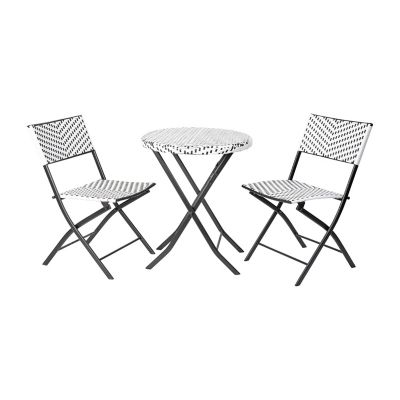
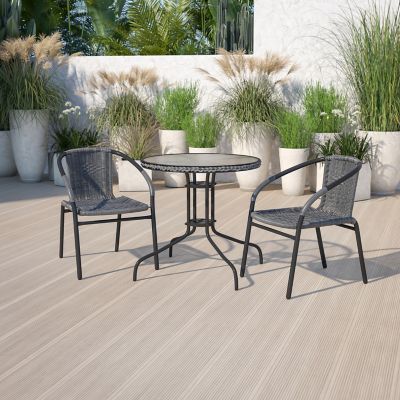
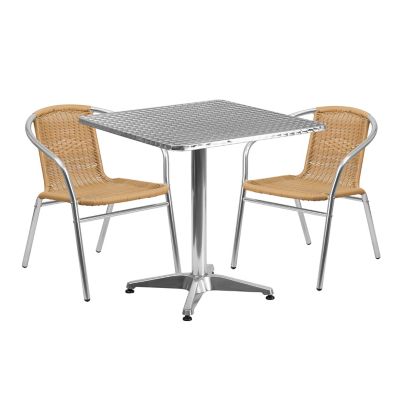
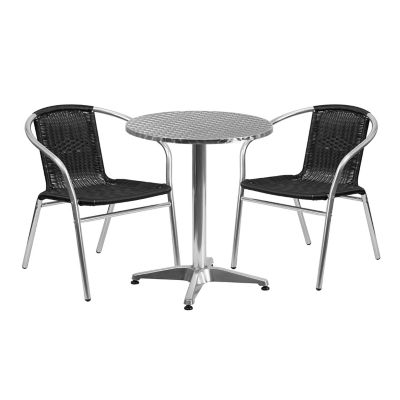
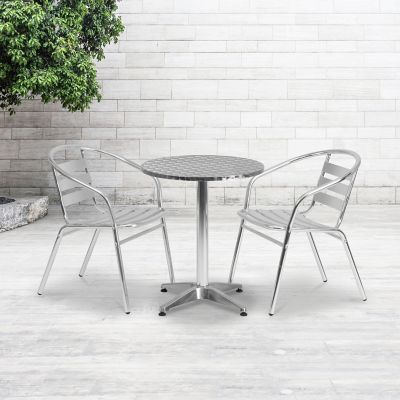
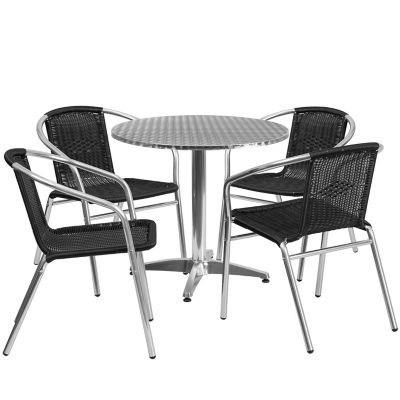
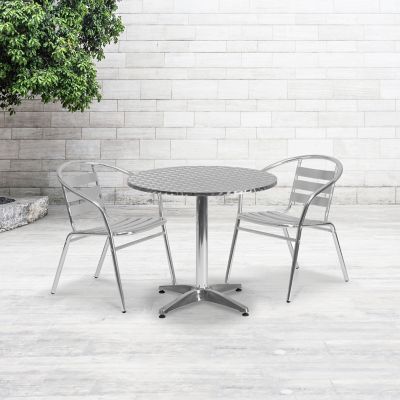
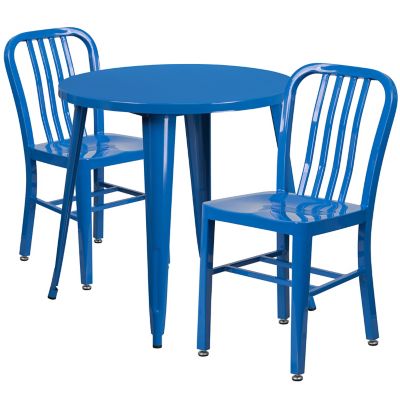
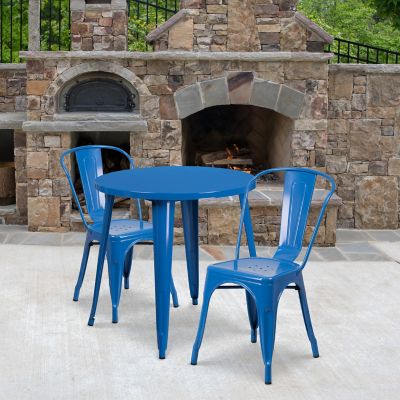
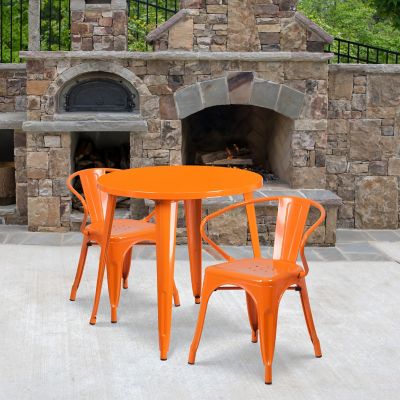
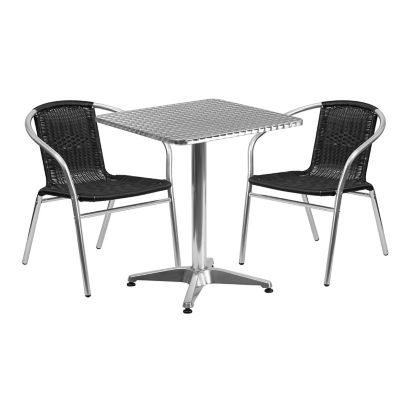
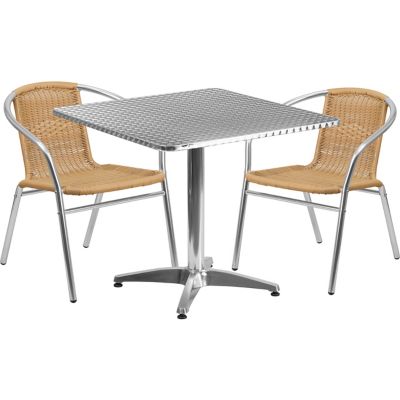
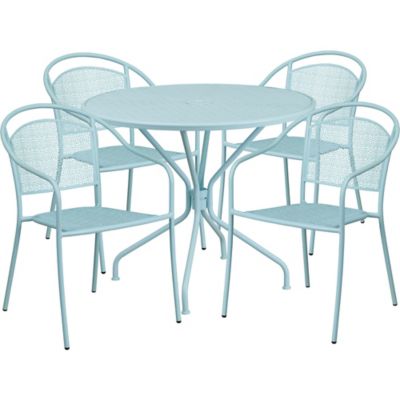
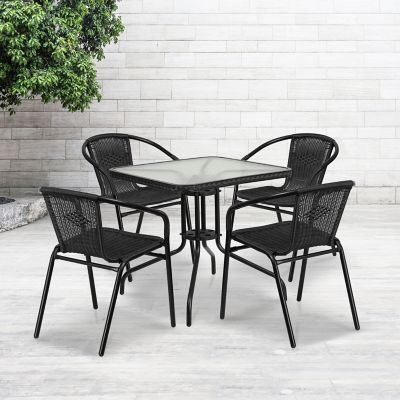
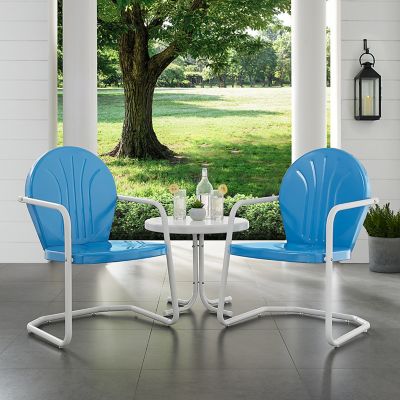
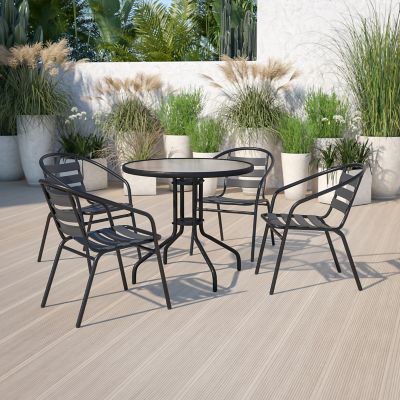
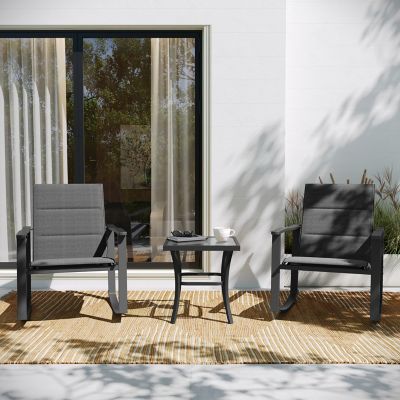
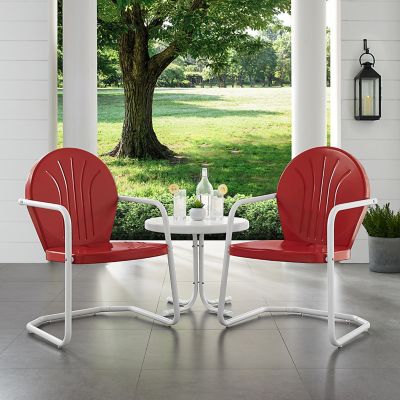
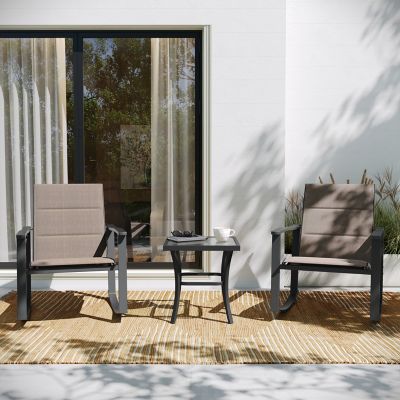
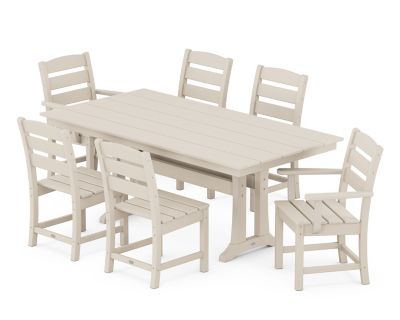
An outdoor patio furniture bistro set turns a small patch of porch, a courtyard corner, or a spot beside the garden into a place to sit down and stay awhile. Typically built around a compact table and two chairs, this style gives you room for coffee, a sandwich, or a game of cards without taking over the whole patio. It makes sense for a farmhouse porch where the doorway needs to stay clear, a smaller deck that also holds a grill, or a quiet sitting area away from the main outdoor dining table. The appeal is simple: enough room to share a conversation, with less furniture to work around. Round tabletops keep corners out of narrow walkways, while square tables can fit neatly alongside a wall or porch railing. Table shape matters less than the space left around it, though. Chairs need room to pull back, and folks should be able to pass behind someone who is seated without squeezing sideways. A set that looks small on its own can fill a tight landing once both chairs are pulled out. Tabletop space deserves the same attention. Two mugs take up little room, but breakfast plates, a serving bowl, and a pitcher call for a broader surface. Standard dining-height sets suit meals and longer conversations, while taller bistro seating creates a different feel and may offer a better sightline over a railing. Taller chairs also make footrests and ease of getting on and off more important. For a couple settling into a new home, parents making a quiet corner outside, or anyone furnishing a modest porch, a bistro set can be a thoughtful household gift. Matching the size and seating style to the recipient’s space makes it much more likely to become part of everyday life rather than something that sits out of the way.
Material gives a patio bistro set much of its character, but it also affects weight, upkeep, and how the furniture handles regular outdoor exposure. Aluminum frames are generally easier to move when it is time to sweep the porch or rearrange seating. Steel and iron tend to have more heft, which can give a set a substantial feel, though the finish needs attention if scratches expose the metal underneath. Protective coatings help limit contact with moisture; they do not make every metal frame maintenance-free. Wood brings a natural look that sits comfortably beside porch boards, brick paths, and garden beds. Its care needs depend on the species and finish, with some surfaces calling for periodic oiling or sealing according to the maker’s directions. Resin and plastic furniture can offer straightforward cleanup, while synthetic woven seating adds texture without the same care requirements as natural wicker. With woven pieces, the frame underneath matters just as much as the visible surface. Tabletops have their own trade-offs. Slatted surfaces let water pass through but need gaps narrow enough to support cups and plates comfortably. Solid surfaces provide a broad landing spot for dishes, while tile and mosaic tops bring pattern and often add weight. Glass tops need the cleaning and handling recommended for that particular construction. Color helps tie all of these choices to the space around them. Dark finishes can echo iron railings and black door hardware, while lighter finishes stand out against wood siding, stone, and green plants.
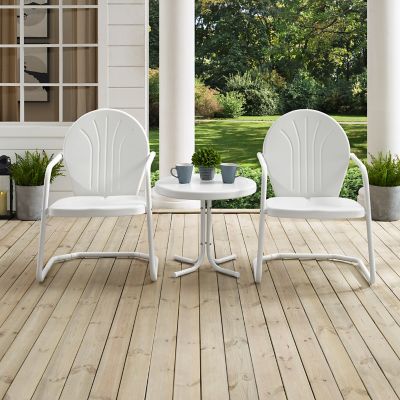
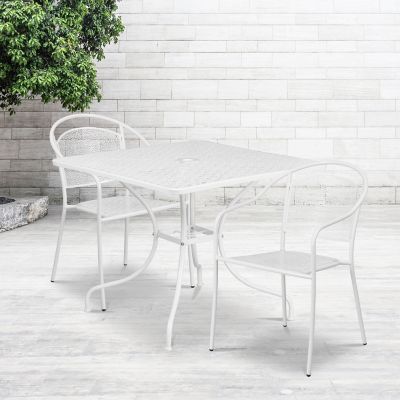
White Outdoor Bistro Sets bring a crisp, bright look to a porch or patio and pair easily with a range of cushion colors. Ornamental metalwork, straight-lined frames, and woven chair backs each create a different feel without changing the set’s basic purpose. The best match is furniture that feels at home beside the house and fits the amount of attention you want to give it.
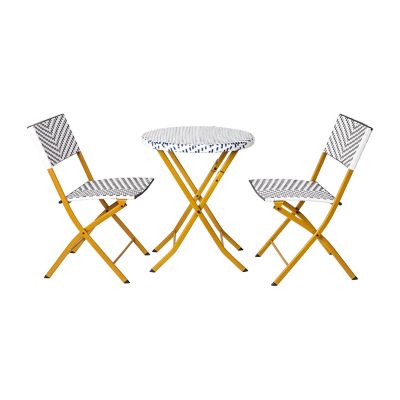
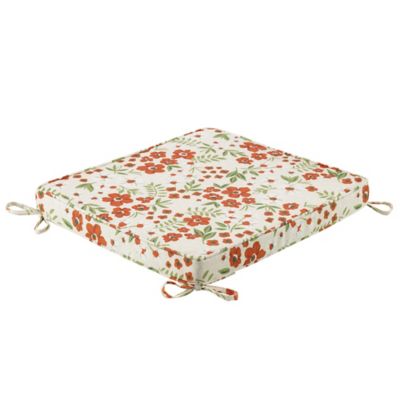
Comfort comes down to more than adding a cushion. Seat width, depth, back angle, and the height of the tabletop all shape how a bistro set feels through breakfast or a long visit with a neighbor. A curved back can offer support, while a deeply reclined chair may feel less natural for eating at a table. Armrests give elbows a place to land, but their height determines whether chairs tuck beneath the tabletop. That small detail can make a real difference on a narrow porch. Cushions soften firm seats, and ties or other fasteners help keep them in place as people sit down and get up. Removable covers may simplify cleaning, though washing instructions vary by fabric and construction. Foot room matters, too: a table’s center pedestal, crossbars, or angled legs can crowd knees even when the top seems plenty wide. Published dimensions and weight capacities help clarify whether a set suits the people who will sit there. The surface beneath the furniture deserves equal consideration. Broad feet tend to sit better on pavers with joints, while slender legs can catch between deck boards or settle into loose gravel. Level ground helps prevent rocking, and suitable floor glides can reduce scraping on finished surfaces. Folding chairs and tables make it easier to clear a multipurpose patio, while stackable seating can take up less storage space; either design still needs enough room for safe handling. Regular care is usually more manageable when small chores happen before buildup takes hold. Wiping away spills, brushing debris from joints, checking fasteners, and following the maker’s cleaning directions help keep a set ready for the next sit-down. Cushions should be fully dry before storage, and covers should fit without trapping moisture against the furniture. With the right proportions and a little routine attention, a bistro set earns its place as a handy stop between chores, a table for supper for two, or a comfortable spot to linger after the plates are cleared.