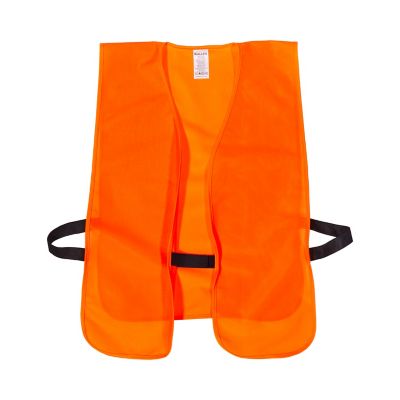
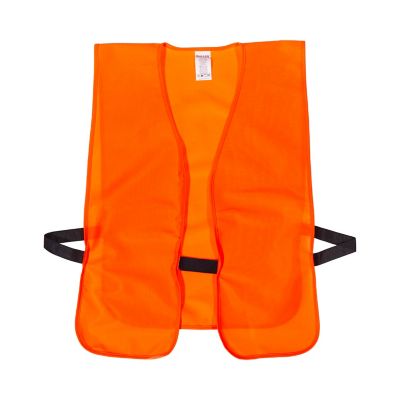
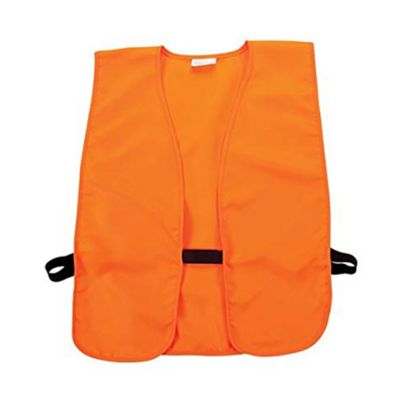
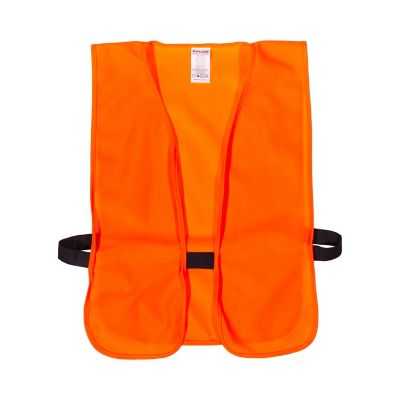
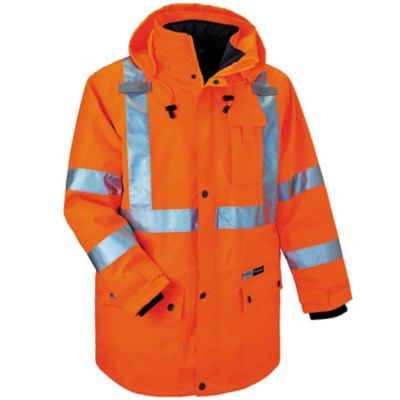
An orange hunting vest adds a highly visible outer layer for time in the field, whether the day involves walking a fence line toward a deer stand, working through upland cover or accompanying a young hunter. Blaze orange, also called hunter orange, helps other hunters notice a person’s presence against brush, timber and open ground. That visibility is especially important during firearm hunting seasons, when state rules may require a certain amount of fluorescent orange on the head, chest and back. Requirements vary by location, game species and hunting activity, and an orange vest does not automatically meet every rule. Solid orange and orange camouflage may be treated differently, and the required visible area matters just as much as the color. A vest also needs to remain visible rather than disappear beneath a jacket, backpack or other gear. Pairing it with
Blaze Orange Clothing, such as an appropriate hat or outer layer, can help build an outfit suited to local requirements. Orange is a visibility aid, not a substitute for identifying a target and what lies beyond it, handling firearms safely or communicating with hunting partners. Within this category, styles range from simple overlays that add little weight to more structured hunting vests with storage and broader coverage. A straightforward design can make sense for a short walk to a stand, while someone covering ground behind a bird dog may appreciate accessible pockets and a cut that allows an easy stride. Hunters, mentors and companions spending time around an active hunt all have reason to consider how clearly their clothing stands out. The right orange hunting vest fits the activity without getting in the way of the work at hand, from opening a pasture gate to settling into a ground blind.
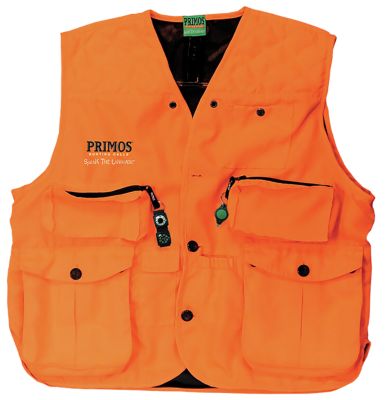
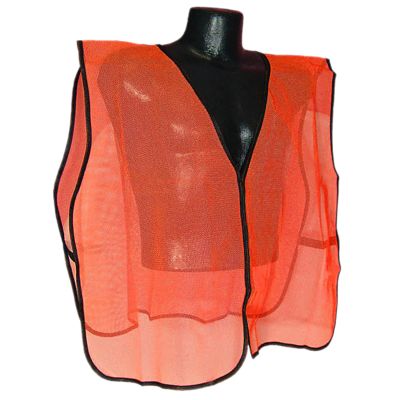
Fabric and construction shape how a vest feels over a full day. Lightweight polyester mesh allows airflow and packs down easily, making it practical as an outer visibility layer when little extra warmth is needed. Tightly woven fabrics provide more coverage and may slide over underlying clothing more smoothly, while lined or insulated designs add warmth for stretches of sitting still. A mesh overlay and an insulated hunting vest serve different purposes, so fabric weight belongs alongside pocket layout and fit when comparing styles. Water-repellent treatments, where specified, can help shed light moisture, but they do not make a vest waterproof. Brush contact calls for attention to stitching, pocket corners, edging and closures, since those areas take repeated strain from walking, reaching and carrying small essentials. Reinforced seams and neatly finished edges can help a vest hold up to regular field wear. Fabric noise matters, too: a stiff shell or loud closure may be more noticeable when easing into position than when walking an open field. Fit should leave room for the clothing underneath without creating loose panels that catch on branches. An orange hunting vest worn over a light shirt needs less room than one layered over an insulated coat, and adjustable sides can help accommodate those differences where the design allows. Broad arm openings support reaching and movement, but excessive gaps can leave the vest shifting around instead of staying centered. Shoulder width, chest room and overall length all affect comfort when sitting, bending or wearing a pack. A hem that feels fine standing up may bunch at the waist on a low seat. For younger hunters, an appropriately sized vest keeps excess material away from their hands and equipment; simply sizing up several sizes can create more trouble than useful growing room. A comfortable fit makes it easier to keep the visibility layer on and properly positioned throughout the outing.
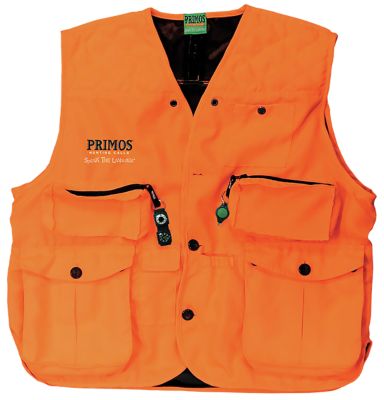
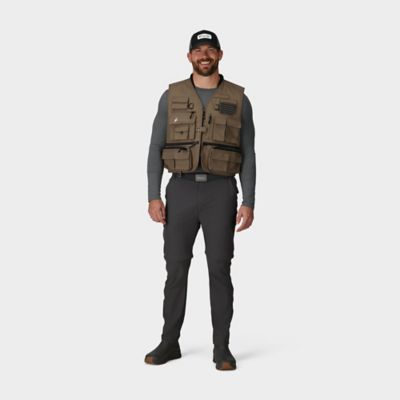
Storage turns a simple visibility layer into a practical part of a hunting outfit, but more pockets are not always better. Room for a license holder, gloves, a small flashlight or other essentials can reduce digging through layers when a hand needs to stay free. Zippered pockets help contain small belongings, while open pockets offer quicker access; snaps and hook-and-loop closures each bring their own balance of access and sound. Heavily loaded front pockets can pull a lightweight vest out of position, and bulky contents may interfere with a pack belt or a comfortable seated position. Upland styles may include game-carrying compartments, which bring separate considerations for cleaning, weight distribution and access. Simple overlays, by contrast, are easy to fold into a field bag as an extra layer for a companion, provided their size and coverage suit the wearer and local rules. Care also affects how well an orange hunting vest performs over time. The garment’s care label should determine washing methods, water temperature and drying settings, especially when reflective details, insulation or fabric treatments are present. Mud, dust and stains can obscure bright fabric, while sunlight and repeated laundering can gradually affect its color. A clean vest with strong, even color is easier to see than one coated in field grime. Torn mesh, failed closures and badly faded panels deserve attention before the next outing, particularly if they reduce required coverage. Letting a damp vest dry fully before storage helps keep it ready for another trip, and storing it away from prolonged direct sunlight limits unnecessary exposure. As a gift, an orange hunting vest can be a practical choice for a new hunter, a longtime hunting partner or someone who helps introduce youngsters to the field. The most useful match accounts for the recipient’s size, usual layers, hunting style and local visibility requirements rather than appearance alone. Those everyday details make the difference between a vest that stays in a bag and one that earns a regular place by the door.