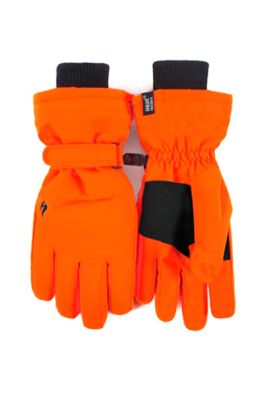
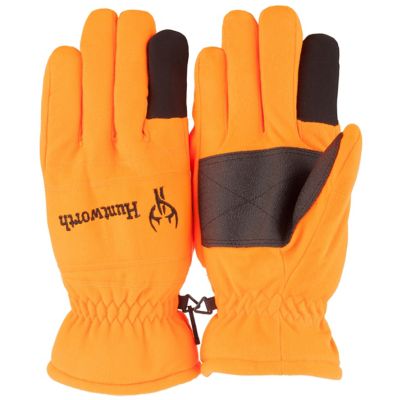
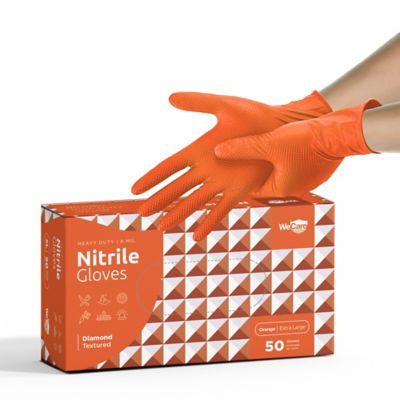
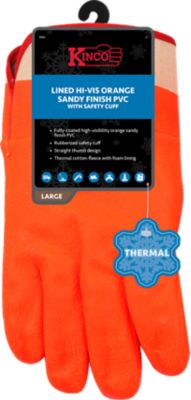
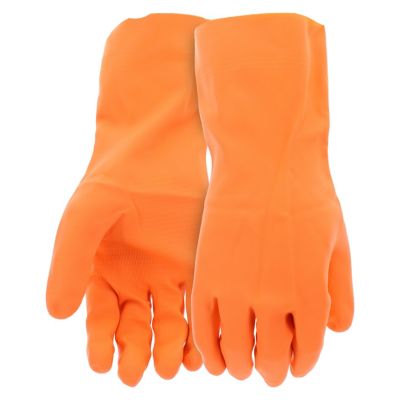
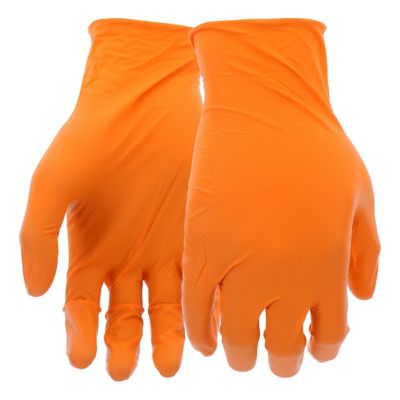
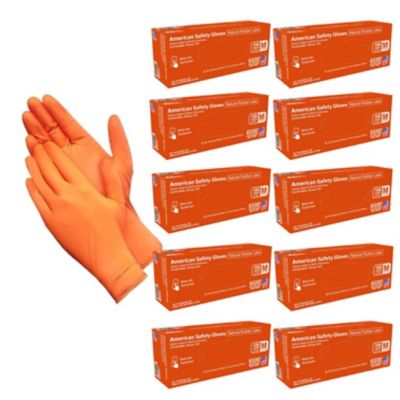
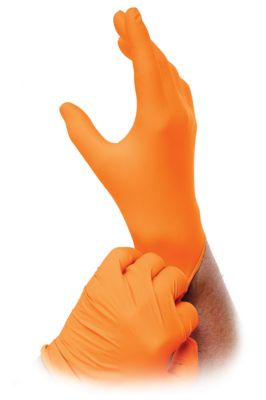
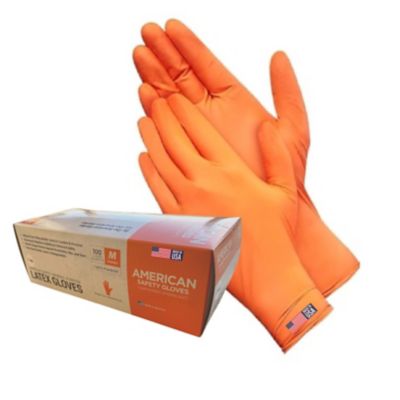
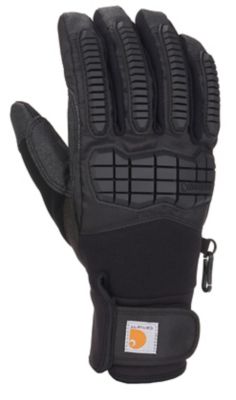
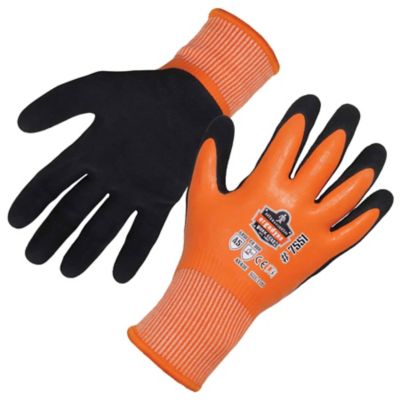
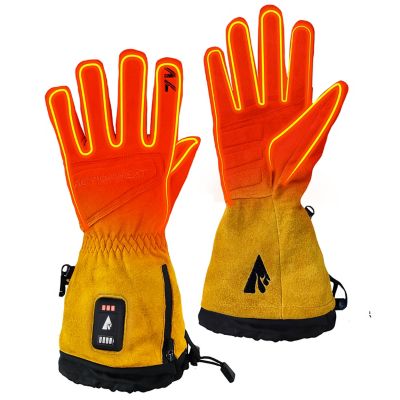
Orange gloves bring a bright, easy-to-spot color to hand protection for farm chores, shop work, equipment maintenance, and cleanup. The color can make a pair easier to find on a crowded workbench or beside a toolbox, but the material and construction determine what the gloves can handle. Orange disposable nitrile gloves, coated work gloves, and reusable PVC gloves serve different purposes, even when they look similar at a glance. Nitrile is a common material for disposable gloves because it stretches around the hand and provides a barrier against certain oils, greases, and other substances. That makes it a practical option for tasks such as handling oily parts or wiping down equipment, provided the glove’s protection matches the materials involved. Resistance varies by chemical, concentration, and contact time, so the manufacturer’s chemical-resistance information matters more than color. A raised diamond pattern or other textured surface can help fingers hold onto slick handles and small parts, though no texture guarantees a firm grip in every situation. Disposable glove thickness is often measured in mils, with one mil equal to one-thousandth of an inch. A thicker glove may offer more material between the hand and the task, while a thinner glove may make it easier to feel a small fastener or reach into a tight space. Thickness alone does not establish puncture resistance, cut protection, or suitability for medical work. Orange gloves intended for food handling or medical examination need labeling that supports those applications. For routine shop tasks, the useful balance is enough flexibility to turn a small bolt and enough protection for the substance being handled. A thin disposable pair is not a substitute for work gloves when carrying rough boards, handling sharp wire, or working around splinters. Matching the glove to the job keeps a bright color from becoming the deciding factor when the task calls for something more substantial.
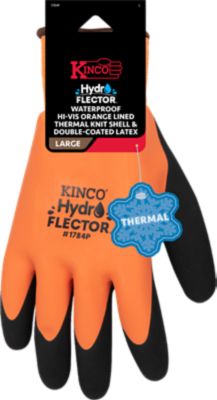
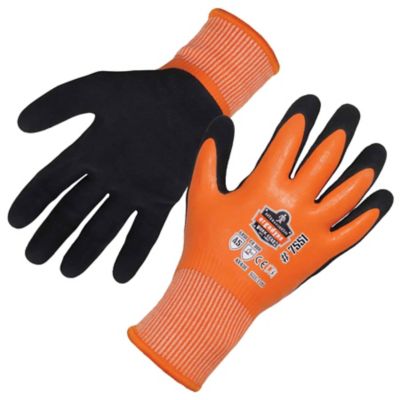
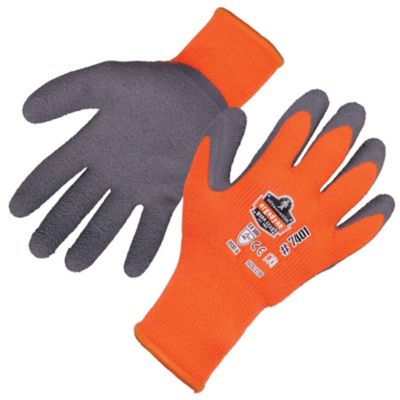
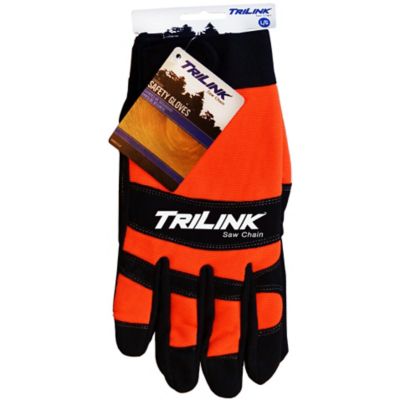
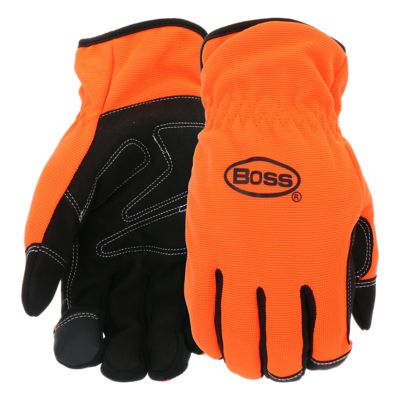
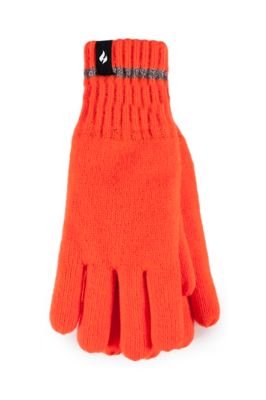
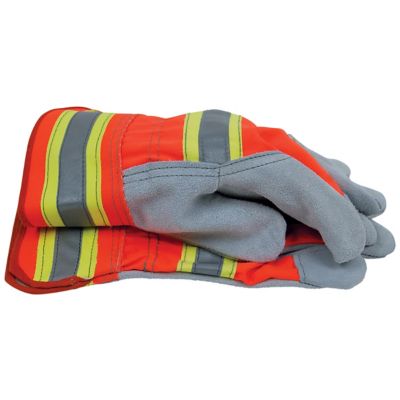
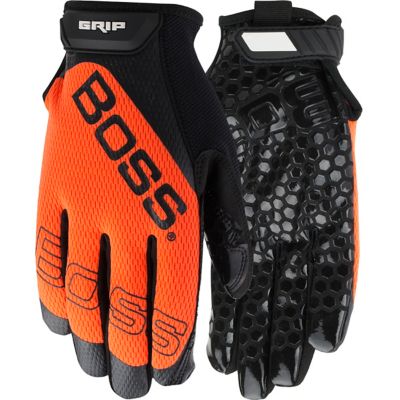
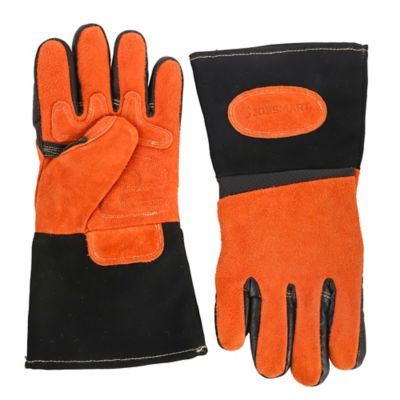
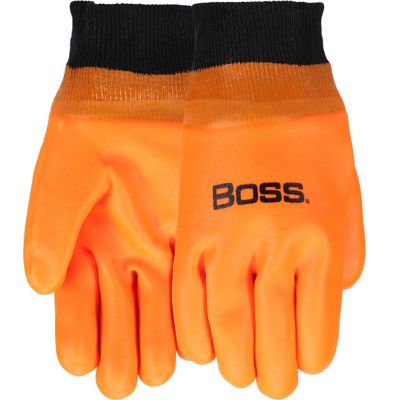
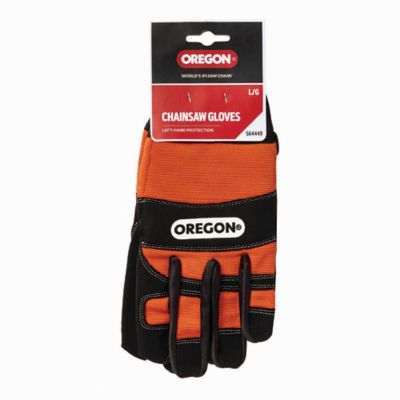
Reusable orange work gloves offer a different mix of grip, comfort, and resistance to everyday wear. Knit gloves with coated palms combine a flexible fabric back with a gripping surface where the hand meets a tool, bucket handle, or feed sack. Depending on the construction, an uncoated back may let more air move through the fabric, while a fully coated glove covers more of the hand. Palm coatings can include nitrile, latex, polyurethane, or PVC, and each material has its own feel and limitations. Natural rubber latex can cause allergic reactions for some people, making the material listing especially important for anyone with a known sensitivity. PVC gloves often have a smooth or textured outer shell and may include a fabric lining that makes the inside more comfortable against the skin. Longer cuffs can extend coverage beyond the wrist for certain cleanup jobs, but cuff length does not turn a glove into complete protection against splashes or chemical exposure. Leather palms, reinforced fingertips, and extra layers at common wear points can be helpful for hauling materials or tackling chores that put friction on the hands. Those features may also add stiffness, so the right fit should allow a full grasp without fighting the glove. Fingers should reach comfortably toward the ends without feeling jammed, and excess fabric should not bunch around a handle or interfere with a secure hold. A glove that pulls tight across the knuckles can become tiring during a long stretch of work, while a loose pair can make small parts harder to handle. Sizing varies between glove styles, so hand measurements and the maker’s size chart are more useful than assuming every large fits the same. Cut-resistant construction needs a stated rating appropriate for the hazard; an orange shell, thick palm, or reinforced seam does not establish that rating. Gloves can also create an entanglement hazard around rotating machinery, so equipment safety directions still apply. For everyday jobs around the barn or workshop, fit and grip matter just as much as a tough-looking outer surface.
Care and replacement habits help orange gloves stay ready for the next chore. Disposable gloves are intended for a single use, not washing and wearing again, and a torn glove needs replacement rather than a quick patch. For reusable pairs, cleaning depends on the material: some fabric-backed gloves allow laundering, while leather and coated gloves may require a different approach. The care label should settle that question, especially when a glove has a lining, bonded coating, or several materials stitched together. Harsh cleaners can affect flexibility or damage a protective surface, and gloves contaminated with hazardous substances may need disposal rather than routine cleaning. After approved cleaning, allowing gloves to dry fully before storage helps keep the lining from staying damp. A clean, dry storage spot away from direct sunlight, sharp tools, and chemicals protects the gloves between jobs. Regular wear checks are worthwhile at the fingertips, seams, palm, and spaces between the fingers, where small splits can be easy to miss. Peeling coatings, open stitching, stiffness, or holes are signs that a pair may no longer perform as intended. Separate pairs for greasy maintenance and cleaner chores help keep residue from moving between tasks. A pair that has been handling equipment fluids should not move straight to food preparation or other work that needs clean hands and surfaces. For folks who spend plenty of time fixing fence, tending animals, or keeping machinery running, orange gloves can make a practical gift when the size and intended job are known. Comfort features such as a soft lining, flexible fingers, and a cuff that stays in place often matter more than appearance alone. Anyone putting together apparel for time in the field can also explore
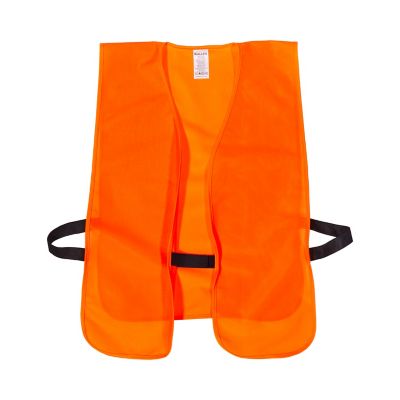
Orange Hunting Gear, while checking applicable blaze-orange requirements separately; orange gloves alone should not be assumed to satisfy them. Whether the job involves carrying a feed bucket, sorting small hardware, or cleaning up after maintenance, the best fit comes from considering the actual contact hazards, the amount of finger movement needed, and how the gloves will be cared for afterward.