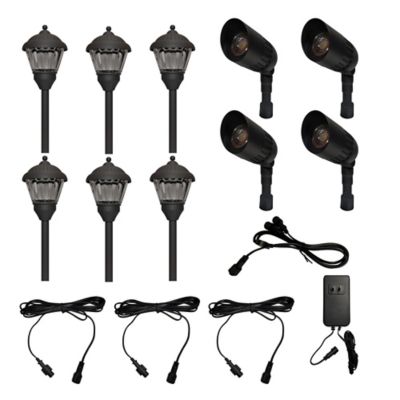
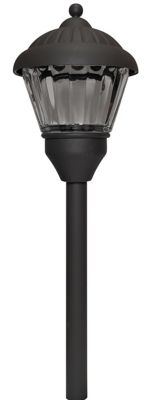
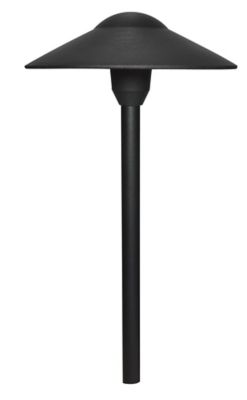
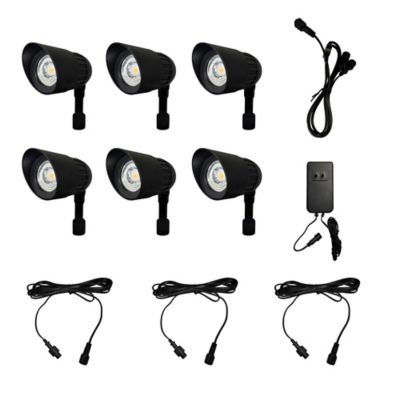
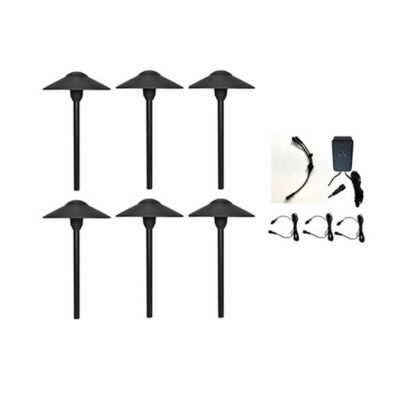
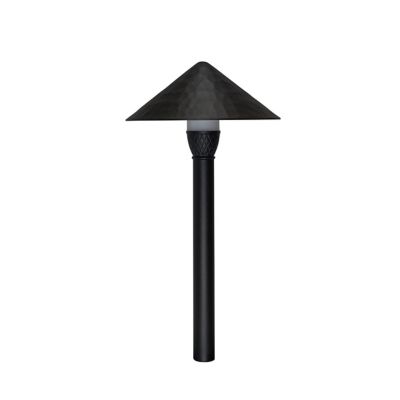
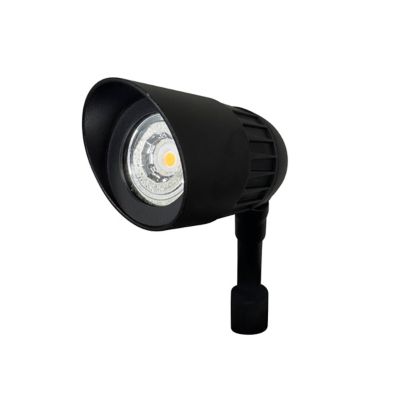
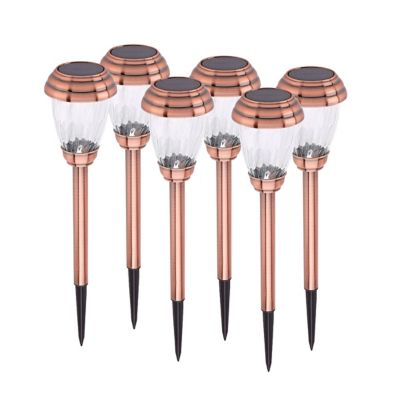
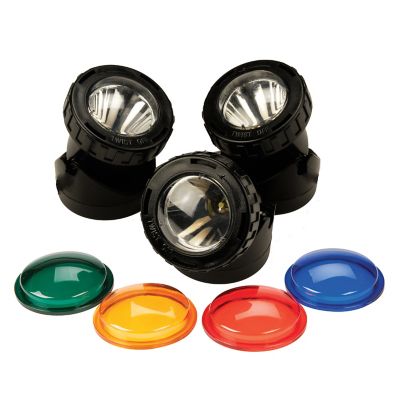
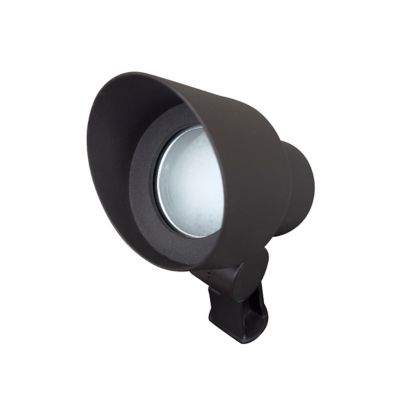
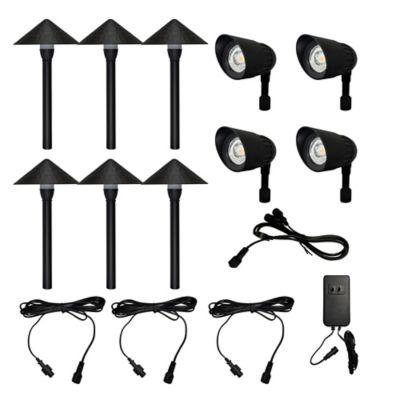
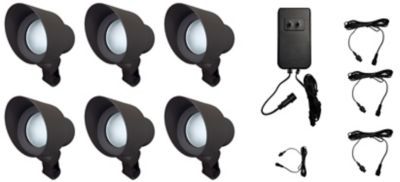
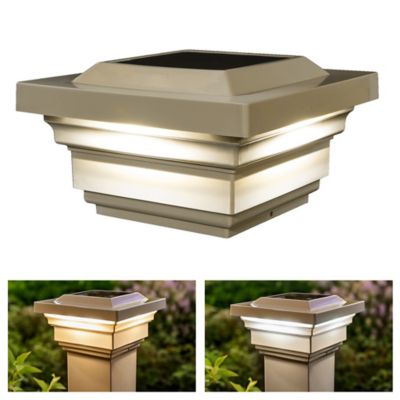
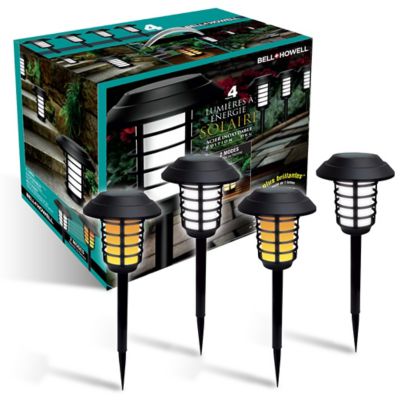
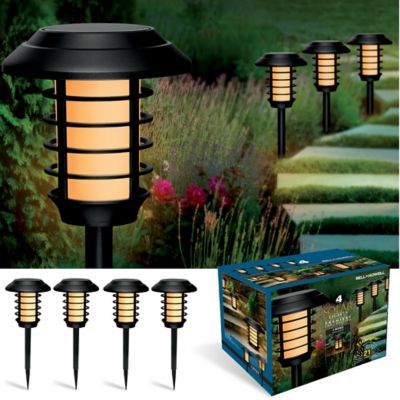
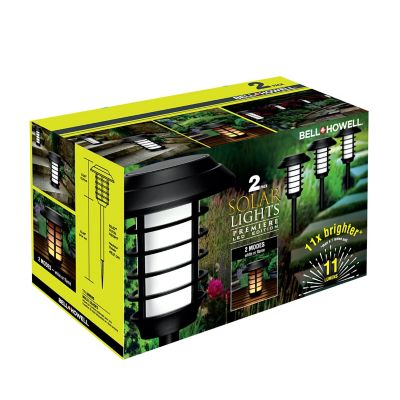
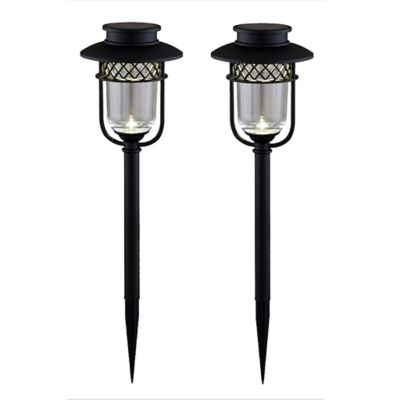
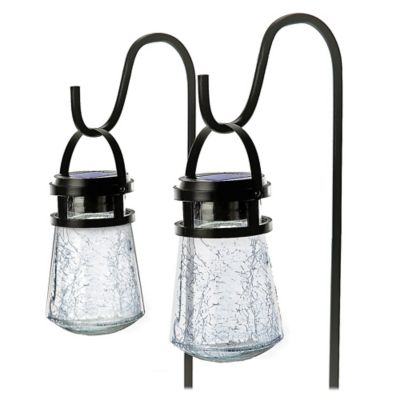
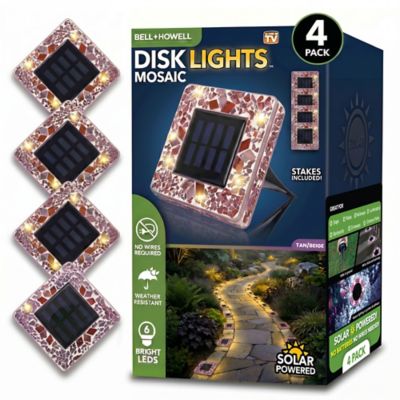
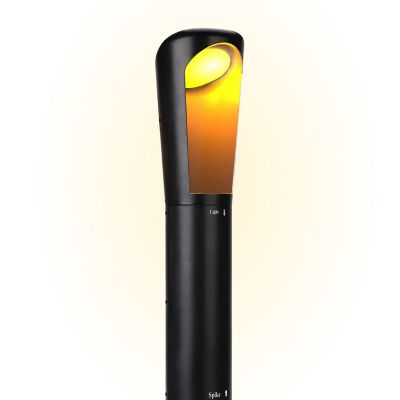
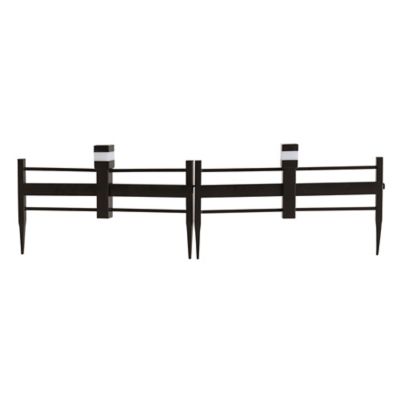
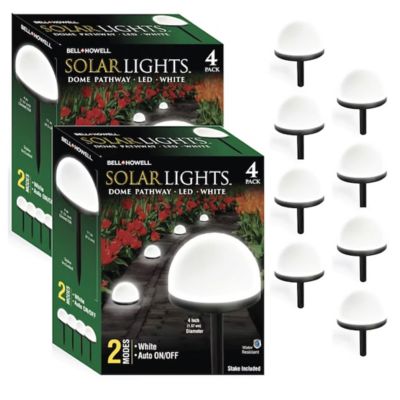
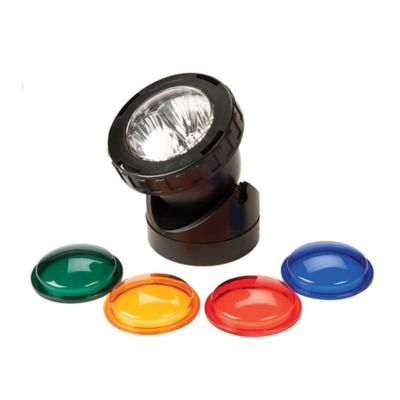
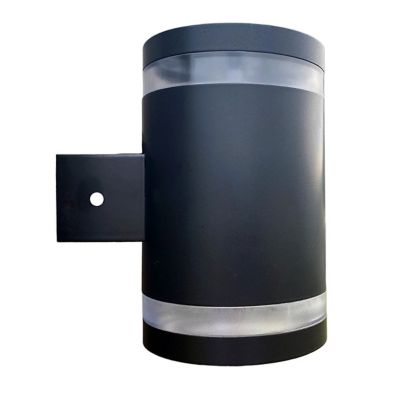
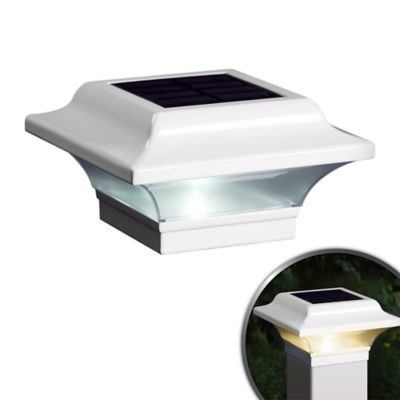
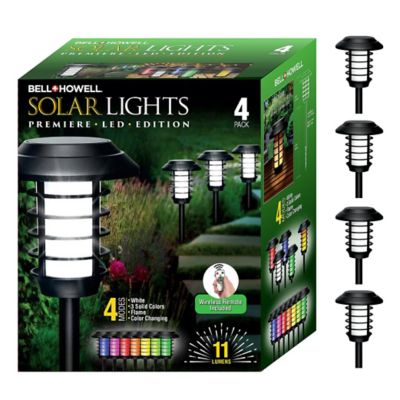
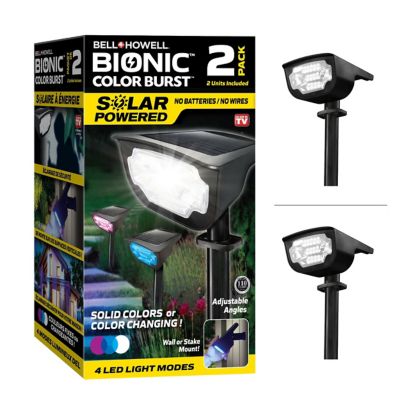
Low voltage garden lighting kits bring a little more usefulness to the ground around a home, from the walk beside the porch to a flower bed along the fence. These coordinated sets supply several parts of a landscape lighting system together, making it easier to match fixtures, power connections, and controls without piecing everything together from scratch. Many wired garden lighting kits operate on 12-volt power, with a transformer that steps down standard household voltage to the voltage required by the lights. Kit contents vary: some include fixtures, cable, connectors, stakes, and a plug-in transformer, while others leave certain components separate. That distinction matters when comparing a starter set for a short front walk with a larger setup stretching around a patio and garden border. Path lights typically spread light downward across nearby ground, helping define the edge of a walkway without lighting up the whole yard. Directional spotlights place a narrower beam on a tree trunk, a stone wall, or a planting bed. A combination kit can handle both jobs while keeping fixture shapes and finishes coordinated. For a place with a gravel path between the house and a sitting area, a few well-spaced pools of light can make the route easier to follow after dark. Around raised beds, smaller fixtures can mark the walking space while leaving room for a wheelbarrow or garden cart. The right fit depends less on filling every open spot with a light and more on matching the beam to the space. Fixture count, cable length, and the distance to an appropriate power source all help determine whether a kit suits the property. Homeowners tending a small backyard garden and folks maintaining a wider homestead landscape may have different coverage needs, but both benefit from lighting that puts the glow where it belongs. Garden lighting also serves a different purpose from broad-area work lighting: a gentle path light can outline a route, but it is not a replacement for task lighting where tools, equipment, or chores require a clearer view.
LED fixtures are common in low voltage landscape lighting kits because they produce useful light with relatively little electricity. Lumens describe light output, while watts describe power consumption, so wattage alone does not tell the whole story about how bright a fixture will look. Beam shape, mounting height, and spacing influence the result, too. A shielded path light can put a modest amount of light right underfoot, while a focused spotlight can carry its beam farther toward a feature. Warm white light, often around 2700K to 3000K, gives planting beds and gathering spaces a softer appearance; higher color temperatures create a whiter look. Matching color temperature across a set helps keep a short walk or connected garden beds from looking patchy. For a broader look at fixture styles,
LED Garden Lights includes lighting suited to a range of outdoor spaces. Within a kit, integrated LED fixtures have the light source built into the housing, while replaceable-bulb designs allow a compatible lamp to be changed separately. That difference affects long-term upkeep and the options for changing light output later. Materials matter just as much as the glow. Aluminum housings keep fixtures relatively light, brass offers a substantial feel and can develop a patina, and certain polymer housings resist rust without adding much weight. Metal finishes, lens construction, sealed connections, and outdoor-use ratings are worth comparing alongside appearance. A narrow stake may fit neatly between border plants, while a broader base or a fixture with alternate mounting hardware may better suit another location. Fixture height deserves attention around low shrubs, where foliage can hide a short light, and beside lawn edges, where a mower needs clearance. Adjustable heads offer more flexibility for aiming light below eye level or toward a particular feature. On a country property with open views, controlled beams and shielded lenses can help keep light out of nearby windows and reduce spill beyond the area that needs it. The effect should feel settled and practical, with enough definition to show the path rather than a row of bright points competing for attention.
A well-matched low voltage garden lighting kit pairs its fixtures with a power supply and wiring arrangement suited to the planned layout. The transformer must match the fixtures’ required voltage and power type, including whether they call for AC or DC output. Its rated capacity also needs to accommodate the combined fixture load within the manufacturer’s limits, with any required operating headroom. Cable size and run length affect performance because voltage can drop along the wire, especially on longer runs or systems carrying more load. A kit intended for a compact planting bed may not support an extended run to a distant gate simply by adding more cable. Expansion works best when the transformer, connectors, wiring, and added lights are compatible and the system stays within its specified limits. Timers and photocells offer different ways to manage operation: a timer follows a schedule, while a photocell responds to surrounding light levels. Some controls combine those functions so lights come on after dark and shut off later rather than running until morning. For households that mainly need the front walk lit during evening arrivals, that flexibility can be more useful than a simple on-and-off switch. Plug-in low voltage systems can simplify installation, but the household-power side still needs proper electrical protection. An outdoor-rated, GFCI-protected receptacle and installation according to the manufacturer’s directions are important; adding an outlet or changing household wiring calls for a qualified electrician. Cable routes also need to account for edging, digging, and regular yard work, with burial depth and connector placement following the system instructions and applicable requirements. Ongoing care is generally straightforward: clear soil and plant growth away from lenses, clean housings as directed, and check stakes, aiming adjustments, and connections periodically with power disconnected. Keeping fixtures away from mower paths and places where hoses catch helps prevent avoidable damage. With the right coverage, construction, and controls, garden lighting kits can make everyday spaces around the house easier to enjoy after dark, whether that means a clear walk to the porch or a quiet seat beside the garden.