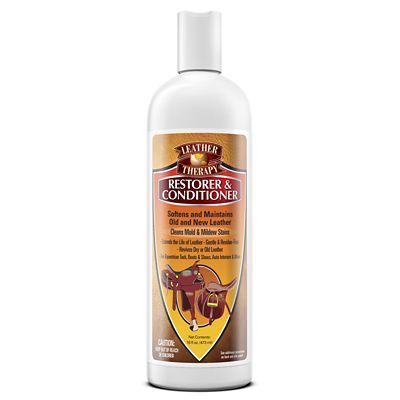
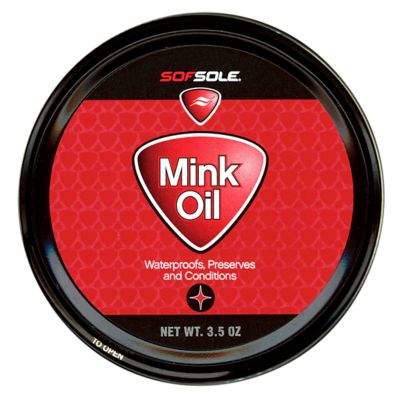
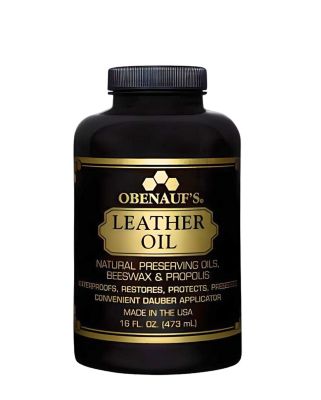
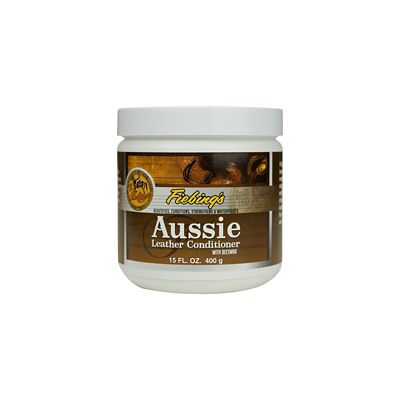
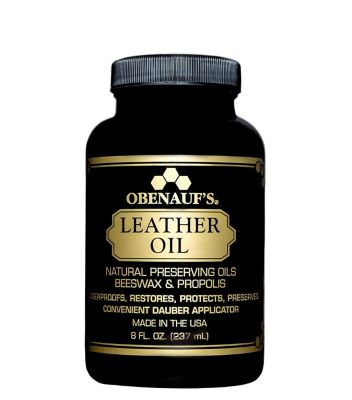
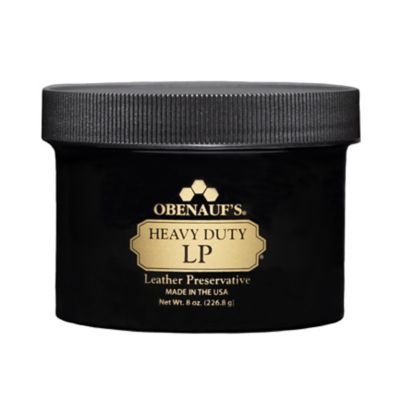
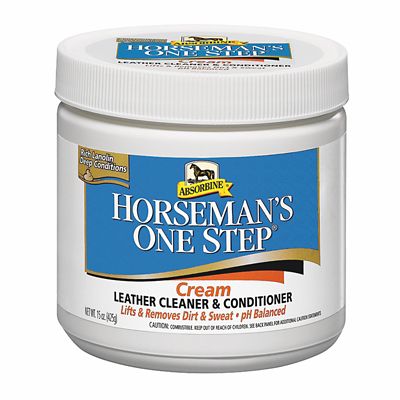
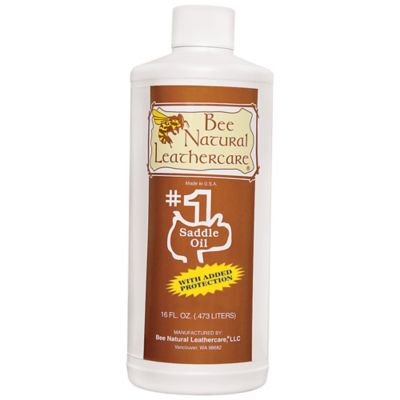
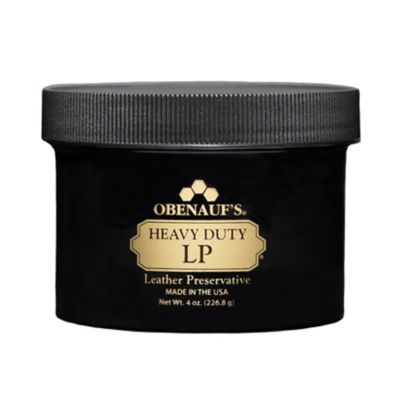
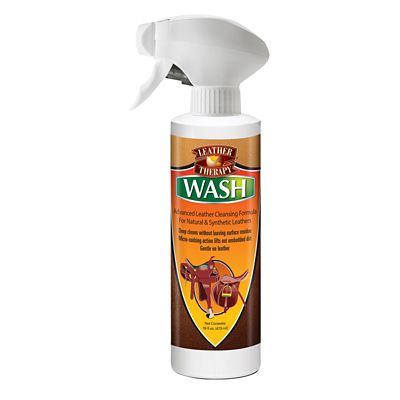
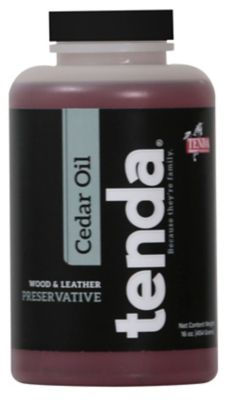
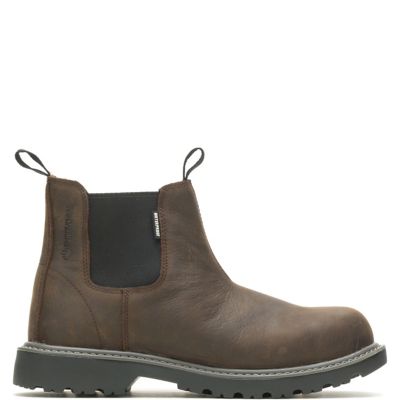
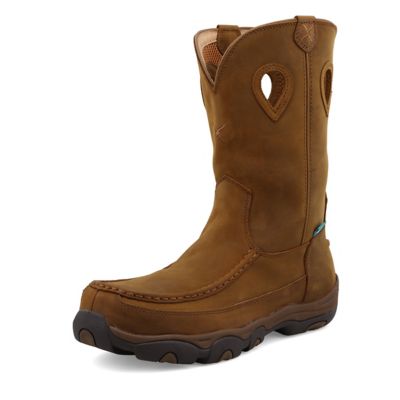
Leather boot conditioners and oils help keep leather supple by replenishing lubricating oils that can diminish with wear and cleaning. That flexibility matters where a boot bends across the toes, wraps around the ankle, or rubs against a stirrup. Leather that becomes stiff and dry is more prone to cracking, while properly conditioned leather can flex more comfortably through a full day of chores. For boots that go from the feed room to the fence line, or from a workshop floor to a trip into town, conditioning supports the leather without taking away its hardworking character. Conditioners generally balance softening and surface care, while boot oils tend to emphasize replenishing oils and softening compatible leather. The distinction depends on the formula, though, so the label matters more than the name alone. Creams and lotions often spread easily over broad areas, liquid oils can work well on leather intended for oil treatment, and thicker balms or pastes may combine conditioning ingredients with waxes. Wax-containing formulas can add water resistance, but conditioning alone does not make a boot waterproof. Ingredients may include lanolin, mink oil, neatsfoot oil, beeswax, or other oils and waxes, each with its own effect on feel, appearance, and finish. An ingredient that suits a heavily oiled work boot may not suit a polished dress boot. Richer treatment is not automatically better, either; too much oil can leave leather overly soft, greasy, or more likely to collect dirt. The goal is pliable leather with a finish suited to the job, not a boot that feels saturated. Work boots, Western boots, riding boots, and everyday leather footwear can all benefit from appropriate care, provided the formula matches the leather and the boot maker’s recommendations. A comfortable, broken-in pair often earns its place beside the door, and routine conditioning helps support the leather that makes that familiar fit possible. It cannot reverse deep cracks or replace worn stitching, but it can help sound leather stay in working shape.
Matching leather boot conditioners and oils to the material starts with the boot’s surface and finish. Smooth finished leather, oil-tanned leather, waxed leather, and roughout do not necessarily respond to the same treatment. A smooth work boot may accept a conditioning cream or oil specified for that leather, while a waxed finish may call for care that maintains its existing character. Suede and nubuck need particular attention because ordinary oils and creams can darken them, flatten the nap, or leave uneven marks. Roughout also deserves a check of the maker’s care directions rather than an assumption that every treatment for smooth leather will suit it. Exotic leathers, patent finishes, and coated materials may require separate care formulas. Color is another practical consideration, especially for light tan boots, contrasting leather panels, or a pair chosen for its natural shade. Oils and wax-rich conditioners can darken leather, sometimes substantially, and even a colorless formula can change its appearance. A small test on an inconspicuous area, followed by the recommended drying time, gives a better sense of the result before treating the whole boot. A darkened test spot may not return fully to its original shade. Finish matters just as much as color: some treatments leave a soft sheen, while others maintain a more subdued look or require buffing to remove surface residue. Folks wearing boots around feed dust, sawdust, or loose soil may prefer a treatment that absorbs without leaving a tacky film. For riding and work footwear, the leather should remain supportive rather than excessively softened. Conditioner may ease stiffness, but it will not correct a boot that is too short, change a safety toe’s shape, or solve a poor fit. Care supplies can also make a practical gift for someone who puts miles on leather boots, especially when the recipient’s leather type and preferred finish are known. Matching the treatment to that favorite pair makes more sense than choosing the richest oil simply because the boots work hard.
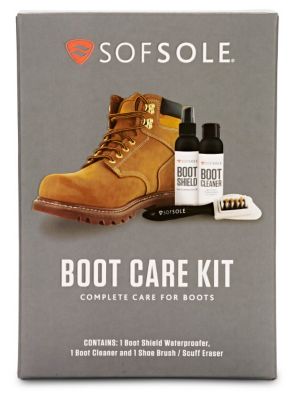
Leather care fits best into the ordinary rhythm of looking after boots, alongside brushing away grit, checking stitching, and noticing wear at the heels. Conditioners and oils belong on leather that is clean and ready to absorb treatment, not over a crust of dirt. Loose soil can act like an abrasive around folds and seams, while leftover cleaner can interfere with the finish. A soft brush or cloth and a leather-compatible cleaner help prepare the surface; conditioning is not a substitute for cleaning. Boots that are damp from cleaning need the drying time specified by the care product and footwear maker, away from heaters, hair dryers, and other direct heat. Thin, even applications generally give more control than a heavy soaking, with attention to flex points and any areas that feel noticeably dry. Absorption time, buffing requirements, and repeat applications vary by formula, so package directions should set the pace. Excess treatment left on the surface can transfer to clothing or gather dust, particularly around creases and stitching. Soles, traction surfaces, fabric panels, and linings should stay clear unless the treatment specifically calls for application there. Boots with waterproof membranes or specialized finishes also need care that follows the footwear maker’s guidance. There is no single conditioning schedule that suits every pair: daily wear, frequent cleaning, leather type, and existing oil content all affect how often treatment makes sense. A pair worn for occasional trips into town may need less attention than boots worn through long barn shifts. Leather that feels stiff or dry can signal a need for care, while a greasy surface suggests adding more is not the answer. For keeping cleaning and conditioning supplies together,
Leather Boot Care Kits offer another way to approach routine upkeep. Between wears, clean storage with room for air circulation and support for the boot’s shape rounds out that care. A little attention to the leather, paired with timely repairs when seams or soles need work, helps a favorite pair stay ready for the next job.