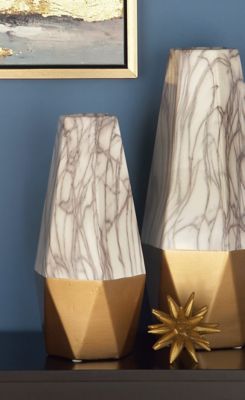
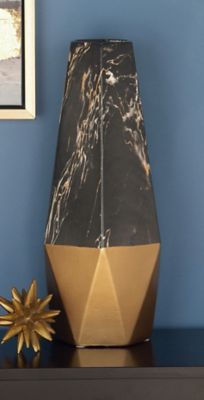
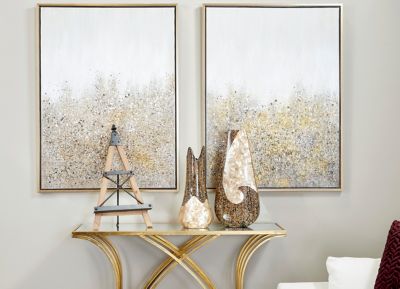
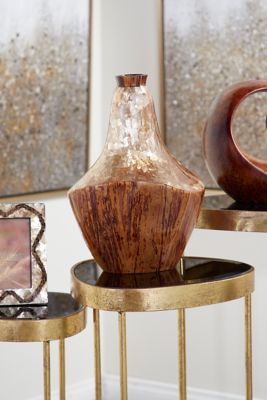
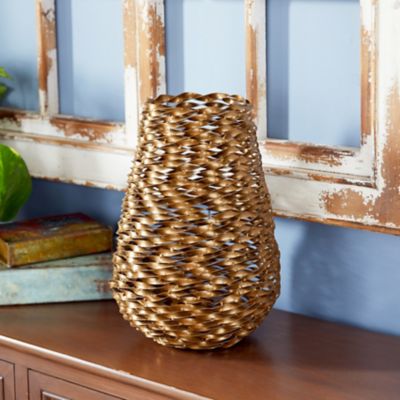
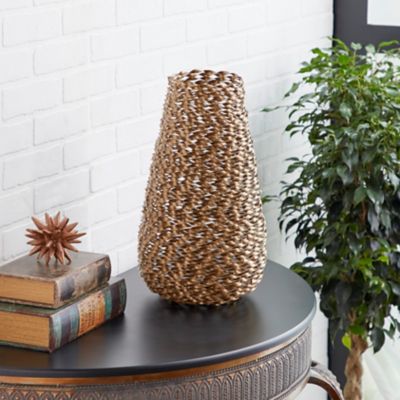
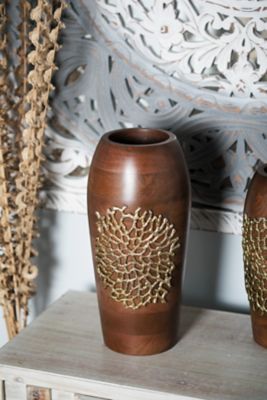
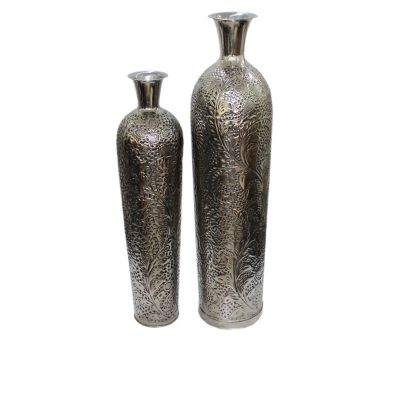
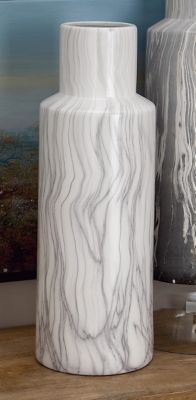
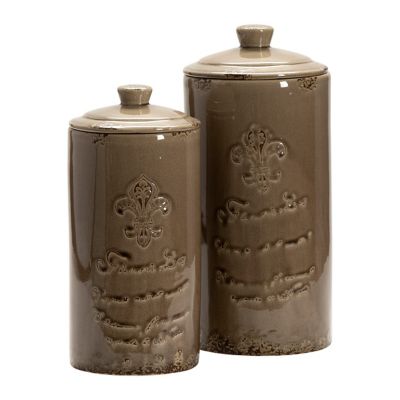
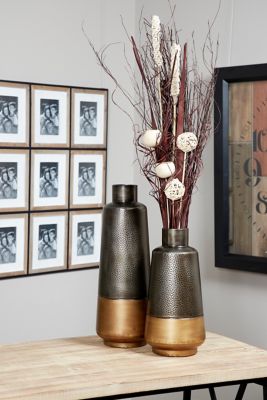
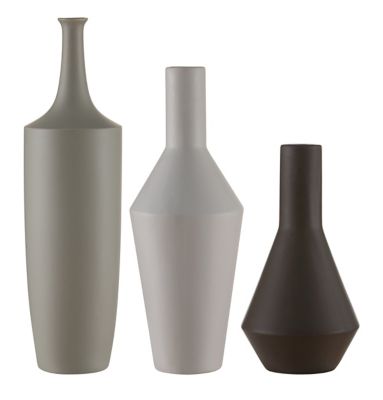
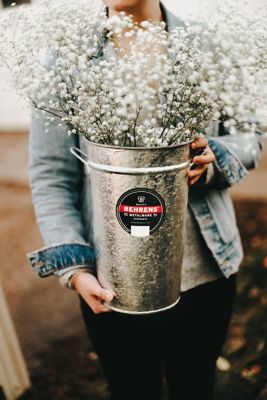
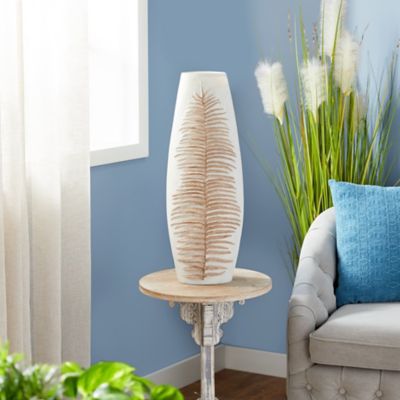
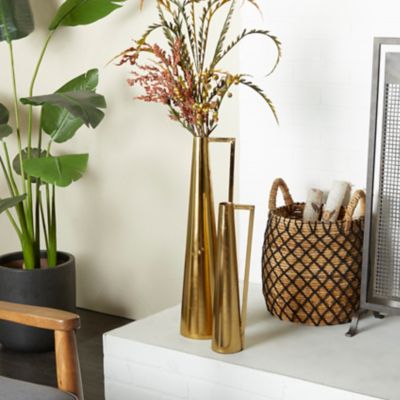
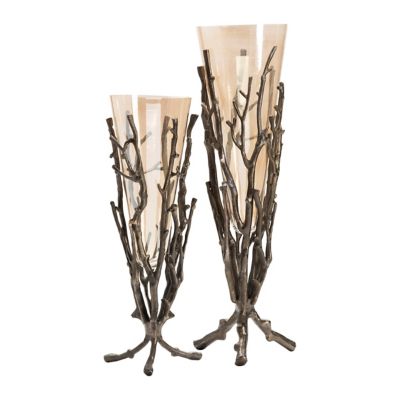
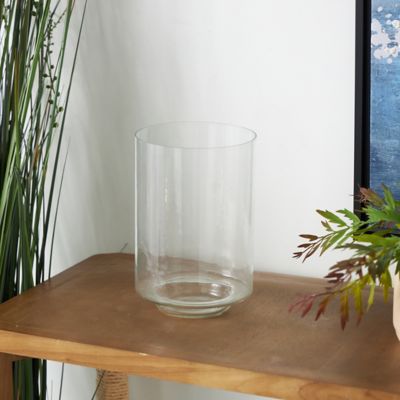
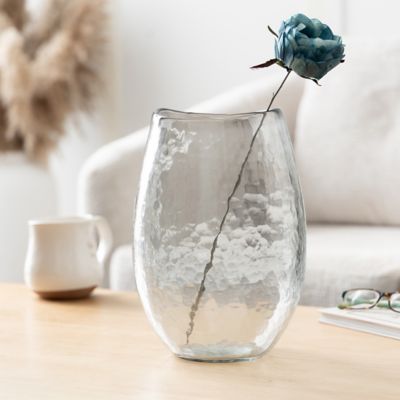
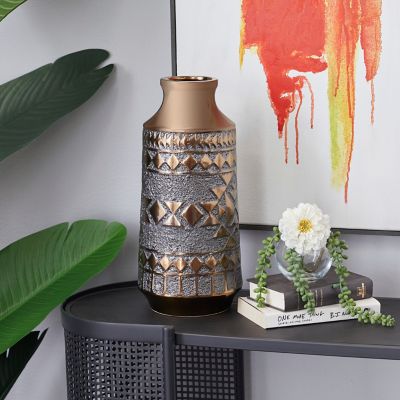
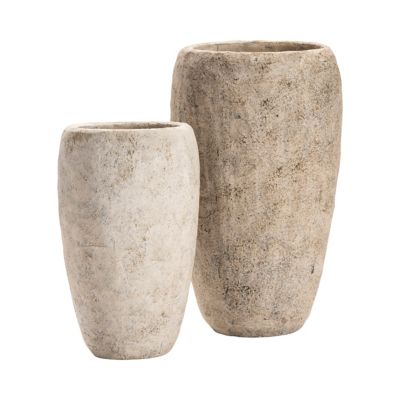
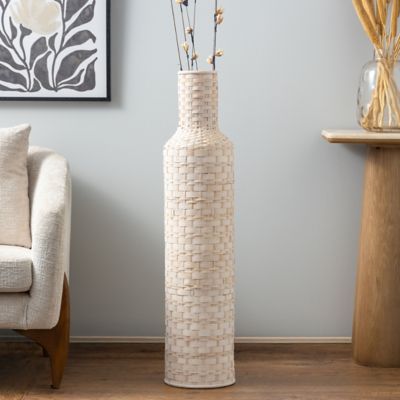
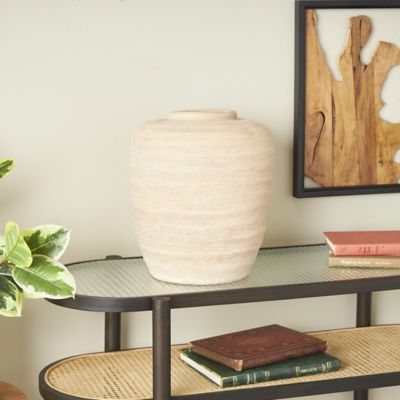
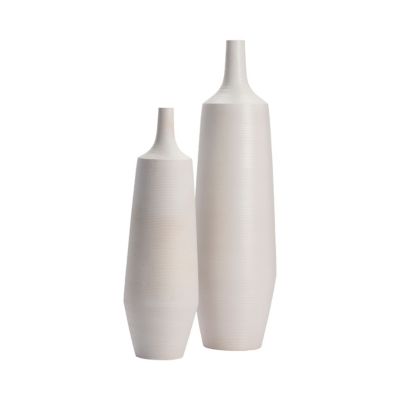
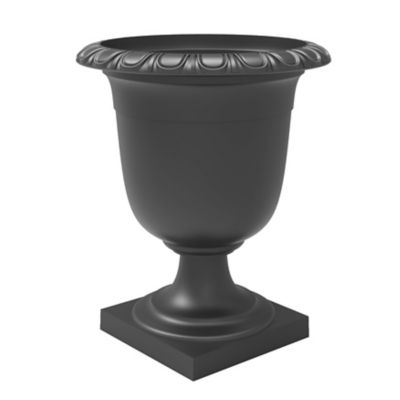
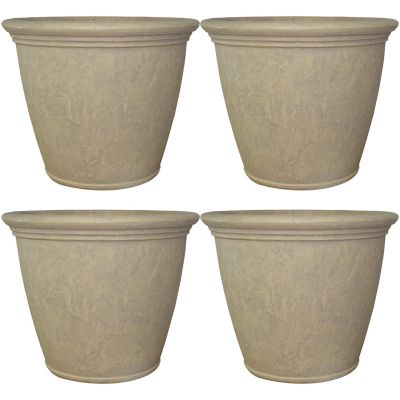
Large decorative vases bring a little height, shape, and personality to spaces that can otherwise feel flat or unfinished. Set one beside an entryway bench, tucked into an empty corner of the living room, or placed on a covered porch, and it can give the whole area a more pulled-together look without requiring a major change. These vases are useful with or without flowers, which makes them handy for folks who like to switch up their home décor as the seasons shift. Fill a tall vase with dried grasses, bare branches, cotton stems, or gathered greenery for a relaxed country feel, or leave it empty so its color, finish, and silhouette stand on their own. A wide, rounded shape can soften a room filled with straight lines and hard surfaces, while a tall, narrow vase draws the eye upward and works well in a snug corner. Look at the room’s existing colors before choosing one. Earthy shades, soft neutrals, and weathered finishes tend to blend easily with wood furniture, woven baskets, and farmhouse-style accents, while a bolder color can serve as a simple focal point against a plain wall. For outdoor use, place a decorative vase on a porch, patio, or sheltered deck where it can add interest near a door or seating area. Check whether the vase is meant for indoor use only, and keep in mind that wind, rain, and changing temperatures may affect certain finishes and materials. A protected spot helps preserve its appearance, especially during the cooler months when porches and entryways become more important parts of the home.
When choosing a large decorative vase, start with the space where you plan to use it. Measure the height and width of the open area, then allow enough room for people to walk past without bumping into it. A vase that looks just right in a roomy foyer may overwhelm a small hallway, while a narrow design can disappear beside a large sofa or open staircase. Weight matters, too. Heavier pieces are often a better fit for busy entryways, homes with pets, or areas where children may be playing, while lighter vases are easier to move when you are rearranging furniture or changing décor. If you plan to add fresh flowers, look for an opening that will hold stems securely and a shape that offers a stable base. A liner, jar, or separate container placed inside can help protect the vase from water if it is made for decorative use rather than as a watertight vessel. For dried arrangements, consider the size and texture of the stems you like to use. A narrow opening keeps a few branches gathered neatly, while a wider mouth gives fuller grasses and leafy stems room to fan out. Think about upkeep as well. Smooth surfaces are easy to dust with a soft cloth, while heavily textured finishes may need a little extra attention around raised details. If you enjoy bringing the outdoors in, you may also want to compare large decorative vases with
Large Contemporary Plant Pots to decide whether your space is better suited to cut stems, dried arrangements, or a living plant. Either choice can add warmth, especially near a sunny window, mudroom, or covered porch where natural textures feel right at home.
Large decorative vases can also make thoughtful gifts for new homeowners, newlyweds, hosts, family members, or anyone settling into a new place. They are practical without being too personal, and the recipient can use one in many different ways over the years. A tall vase filled with dried flowers makes a welcoming housewarming gift, while an empty vessel lets the recipient choose an arrangement that matches their own style. They can be used to mark a new season, dress up a dining room before guests arrive, or bring a bit of calm to a bedroom corner. During warmer weather, fresh-cut greenery from the yard can turn a simple vase into an easy centerpiece, with leafy branches, wildflowers, or ornamental grasses adding an unfussy touch. As the air cools, dried stems, pine branches, seed pods, and warm-toned foliage can create a cozy display that lasts longer than fresh blooms. In a country home, a vase may look right at home beside a wooden cabinet, a stack of quilts, or a collection of woven baskets; in a more modern space, a simple shape and clean finish can provide the same sense of balance with less visual clutter. Before bringing one home, consider the vase’s proportions, material, color, stability, and intended location, along with how often you like to refresh your décor. The best choice is one that feels natural in your home and easy to live with—something that can hold a handful of branches on a quiet afternoon, welcome guests at the front door, or stand beautifully on its own when the room needs just one more finishing touch.