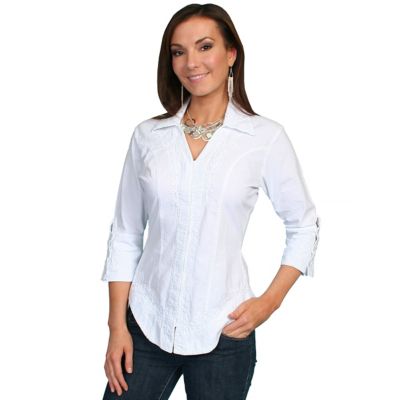
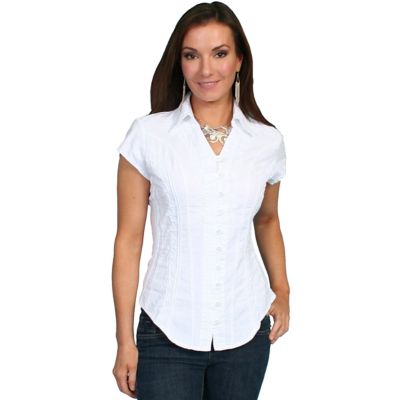
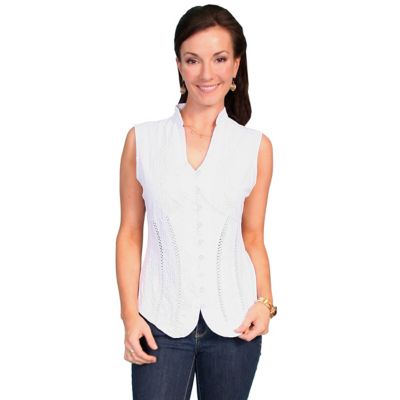
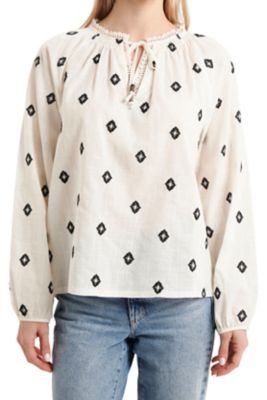
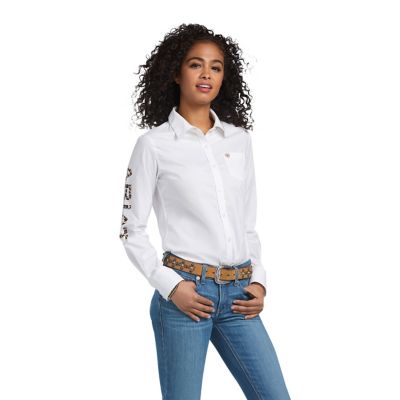
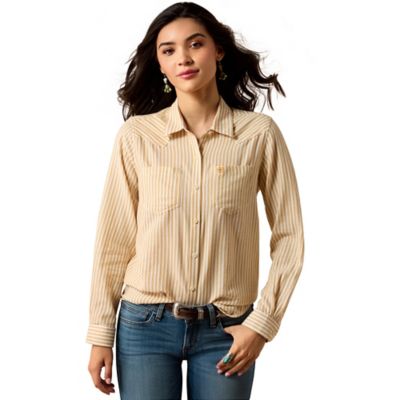
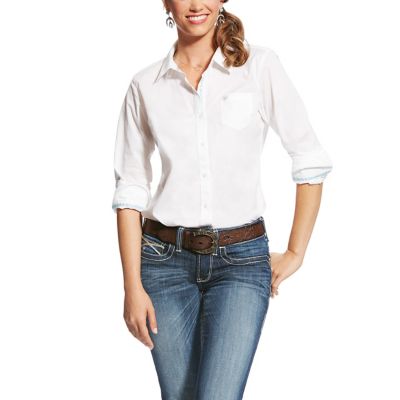
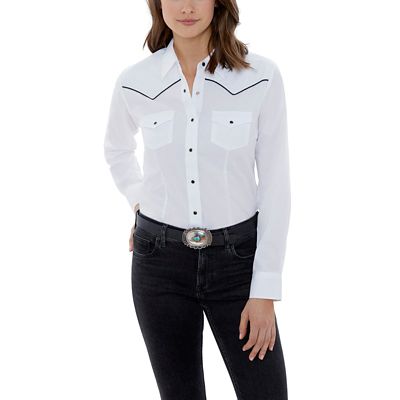
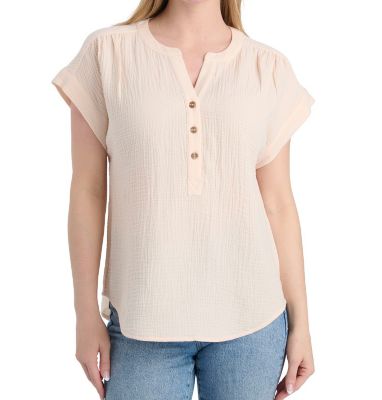
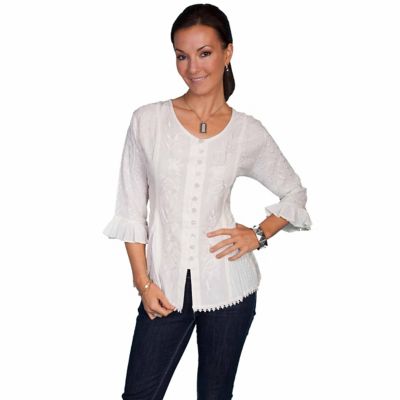
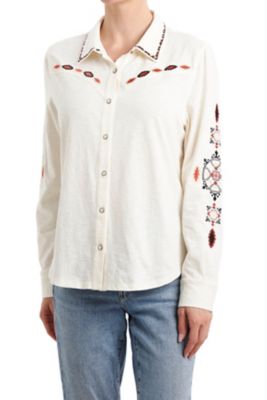
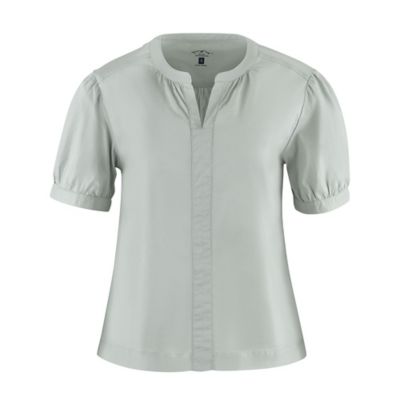
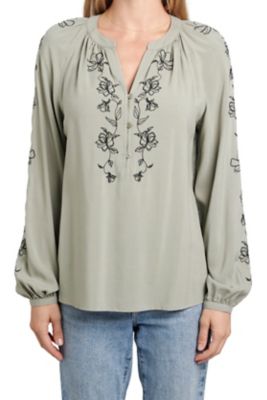
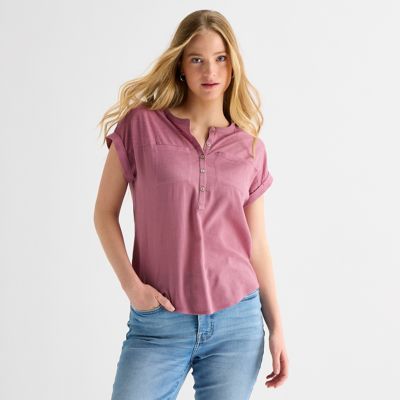
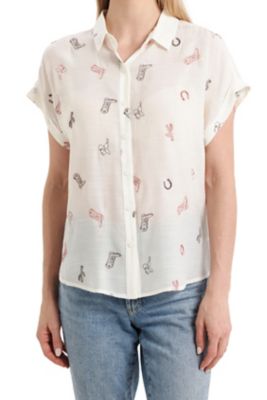
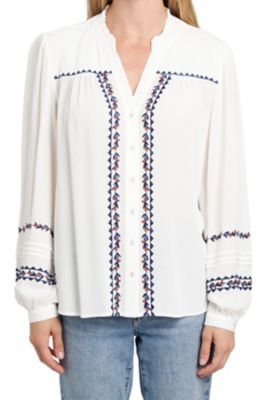
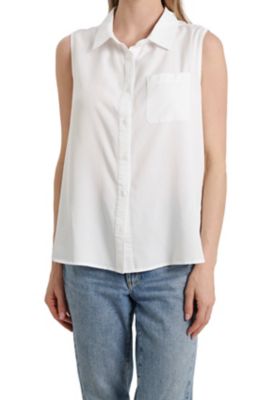
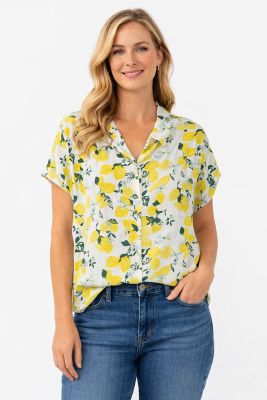
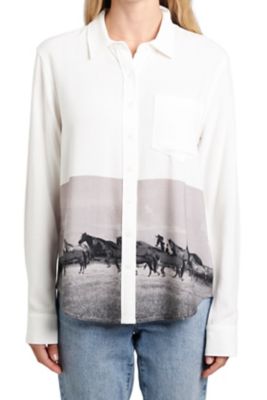
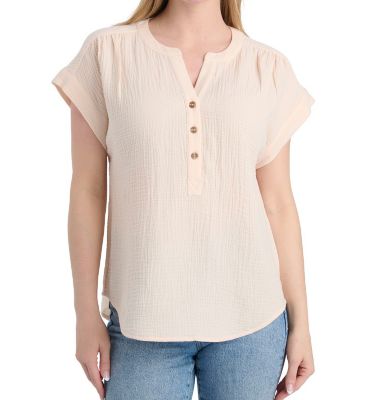
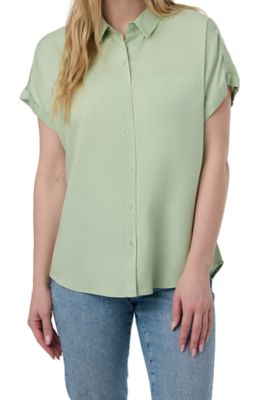
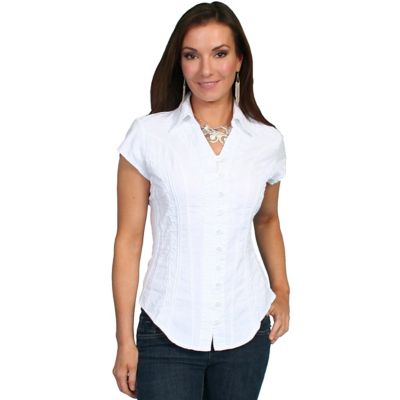
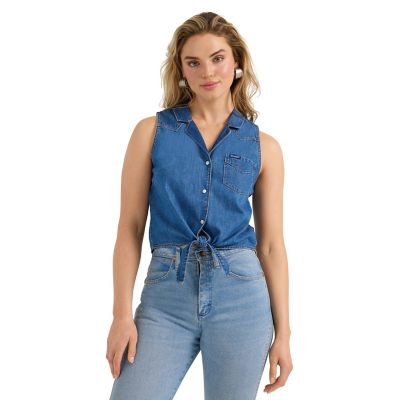
Ladies’ white cotton blouses are women’s tops made from cotton or cotton blends, with styles ranging from simple button fronts to softer shapes with gathers, embroidery, or lace. Their appeal comes from an easy combination: a neutral color that goes with plenty of outfits and a familiar fabric that feels comfortable against the skin. Cotton absorbs moisture and allows air to move through the fabric, though the weave, weight, and finish all affect how a blouse feels. Crisp cotton poplin gives collars and cuffs a neater shape, while lightweight lawn and voile tend to have a softer, more delicate appearance. Textured weaves can add interest without a printed pattern, and small details such as pintucks, covered buttons, or stitched panels can give a plain white blouse a little more character. A label marked 100% cotton identifies the fiber content, but it does not tell the whole story about softness, thickness, or care. Cotton blends may include fibers that add stretch, influence drape, or help the fabric resist wrinkles. White fabric also deserves a closer look for coverage. A fine, airy weave may show an underlayer, while a denser weave or lined front can provide more coverage. A smooth camisole close to the wearer’s skin tone generally draws less attention beneath sheer white fabric than a bright white underlayer. Seams and finishing matter, too. Even stitching, neatly finished seam edges, and securely attached buttons help a blouse stand up to regular wear and washing. Closely spaced front buttons can also help the placket lie flat, although enough room through the bust is still important. These construction details make a difference whether the blouse is meant for a workday, a church service, a family photograph, or a sit-down meal after a busy day. White cotton can look polished without feeling fussy, especially when the fabric and details suit the way the wearer actually spends her time.
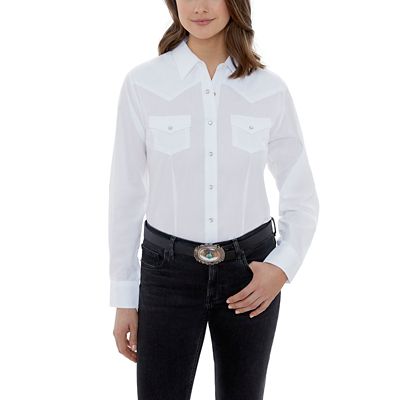
Fit has as much to do with comfort as the fabric itself. A fitted white cotton blouse follows the body more closely and often sits neatly beneath a vest or jacket, while a relaxed cut leaves more room through the shoulders, bust, and waist. Neither shape should pull across the front or make reaching forward a chore. For woven cotton without stretch, enough ease through the upper back and arms helps when driving, carrying a bag, or reaching across a desk. Shoulder seams generally sit near the edge of the shoulder on a traditional fitted blouse; dropped shoulders are part of the design on some looser cuts. Sleeve length and cuff shape matter for everyday tasks, too. A button cuff can hold a rolled sleeve more neatly, while a wider sleeve opening creates a softer line but may need more attention around food preparation or hands-on work. Hem length changes how a blouse wears with the rest of an outfit. Longer shirttails offer more fabric for tucking, while shorter, straighter hems often sit neatly over jeans or trousers. A side slit can give a straight-cut blouse a little more room at the hips. For a tucked look, enough length to stay in place while sitting is worth considering; for an untucked look, the hem should fall where the wearer finds it comfortable and flattering. White pairs naturally with dark denim, brown leather, simple silver jewelry, and a well-loved pair of boots. It also works with tailored pants or a skirt when the occasion calls for something a little dressier. Women who like pointed yokes, snap closures, and a more structured shirt shape may also appreciate
Cotton Western Shirts as another way to wear cotton. A softly gathered blouse has a different feel from a crisp collared shirt, even in the same color. Those differences make it easier to match the look to an office, a community meeting, or supper in town without building an entirely separate wardrobe.
Care is especially important with white cotton because marks, wrinkles, and changes in the fabric tend to show. The sewn-in care label is the best starting point: fiber blends, trims, embroidery, and garment finishes can all affect washing and ironing requirements. Cotton can shrink with heat, so washing and drying settings deserve attention rather than an assumption that every cotton blouse can take the same treatment. When machine washing is permitted, separating whites from colors helps reduce the chance of dye transfer. Treating a collar mark or food spot promptly, with a method suitable for the garment, is generally easier than tackling it after a trip through the dryer. Excess detergent can leave residue, and a tightly packed washer gives fabric less room to rinse and move freely. White fabric does not automatically call for chlorine bleach; some fibers, finishes, and trims can be damaged by it. Drying according to the label, reshaping collars and cuffs, and taking the blouse out promptly can help keep creases from setting deeply. An iron or steamer may be appropriate, but its setting should suit the full fiber blend and any trim, not just the cotton content. A hanger that supports the shoulders helps preserve the shape between wears, and fastening a few buttons keeps the front from hanging crookedly. For women who reach for white blouses often, practical details such as washable fabric, sturdy button attachments, and sleeves that stay comfortably in place can matter more than elaborate styling. A white cotton blouse can also make a thoughtful gift for a mother, daughter, sister, or friend whose preferred size and style are known. Matching her usual collar shape, sleeve length, and preferred fit makes the choice more personal. Whether worn with everyday denim or dressed up for a gathering, the best match is a blouse that feels comfortable, moves easily, and fits naturally into an ordinary week.