Halloween Front Door Wreaths
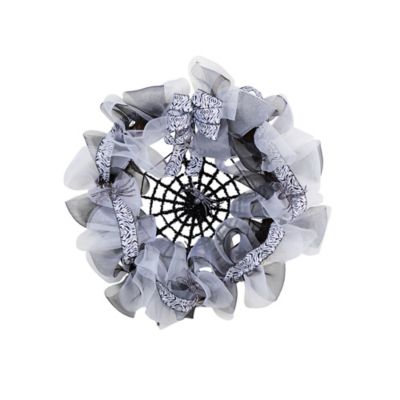
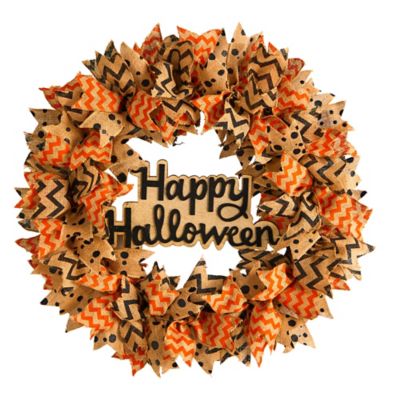
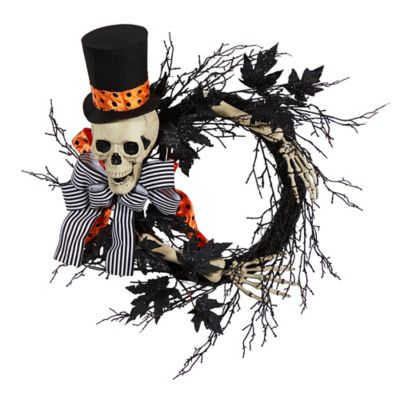
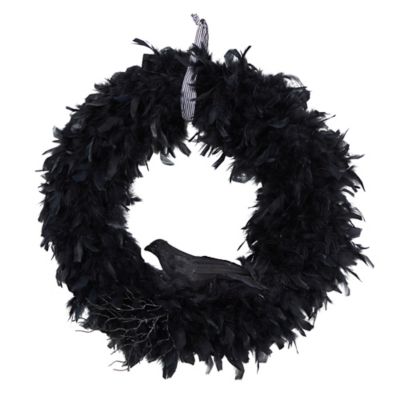
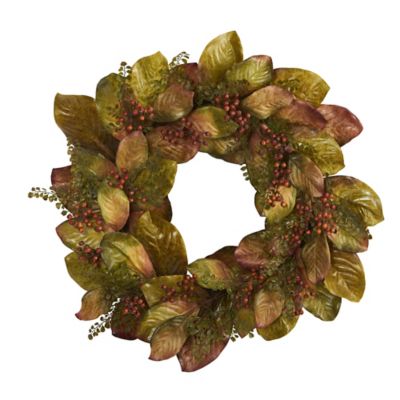
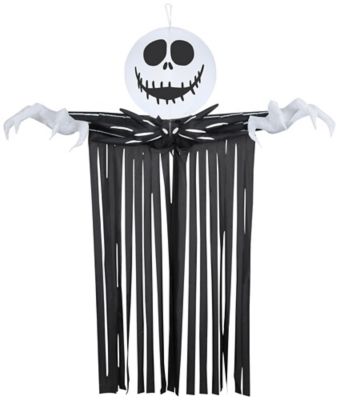
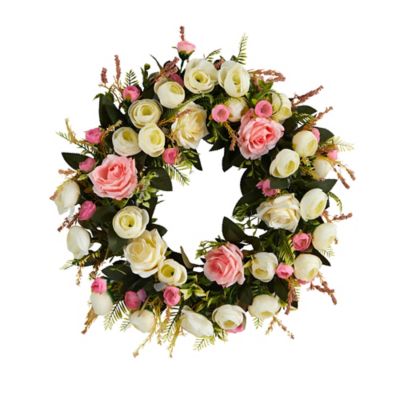
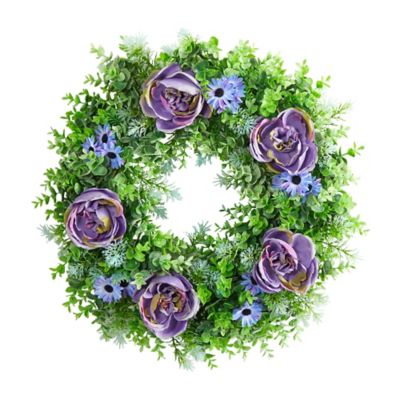
Halloween Front Door Wreaths are a simple way to bring a little spooky charm right to your doorstep. Whether you’re going for cute and festive or a bit more eerie, these wreaths help set the mood for trick-or-treaters and fall gatherings alike. Give your entryway a touch of autumn spirit with bold colors, fun designs, and just the right amount of Halloween flair. With so many options to choose from, finding the perfect wreath to match your style is easier than ever.

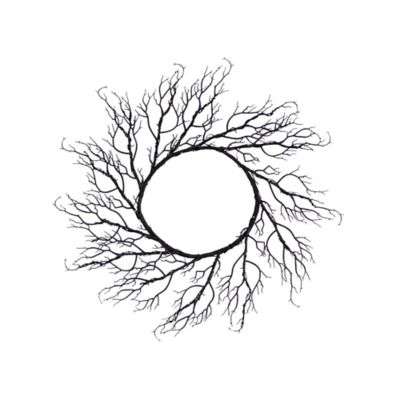
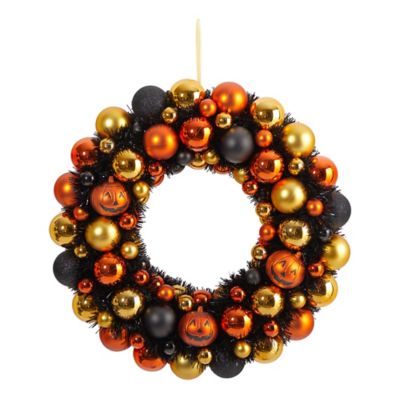
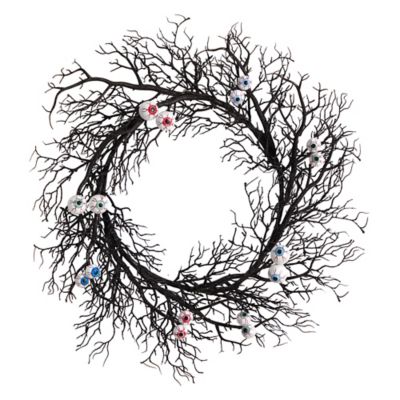
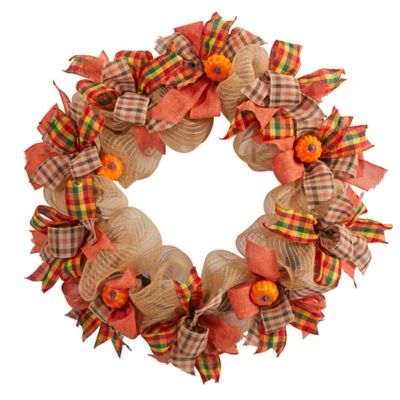
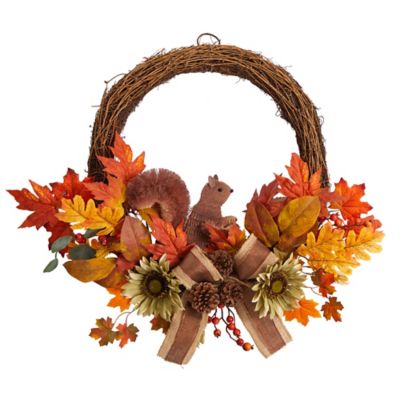
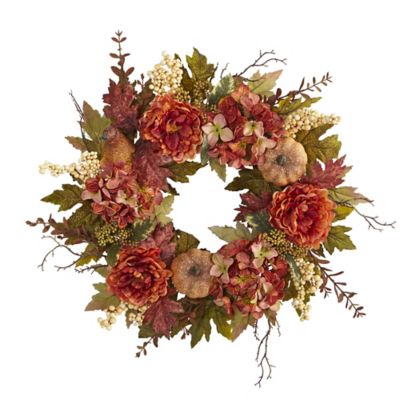

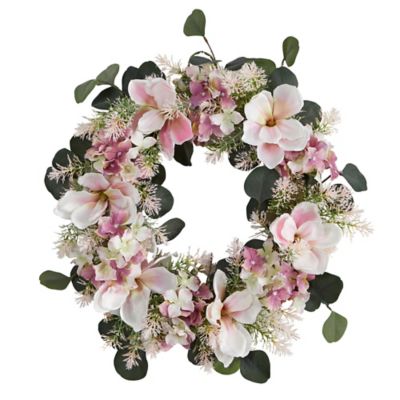
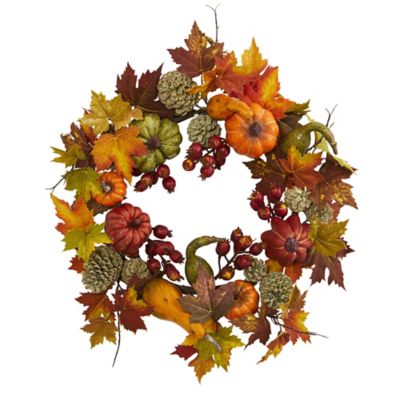
Best Of FAQ
What materials are commonly found in Halloween front door wreaths?
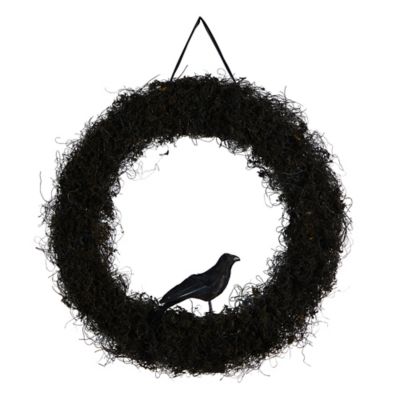
Halloween front door wreaths often feature artificial foliage, twigs, mesh, ribbons, plastic decorations, and sometimes fabric or burlap. These materials are selected for their durability and ability to handle outdoor conditions.
How can I hang a Halloween wreath on my front door without causing damage?
You can display your wreath securely by choosing over-the-door wreath hangers, adhesive hooks made for outdoor use, or magnetic wreath holders if your door is metal. These options avoid the need for nails or screws.
Are Halloween wreaths appropriate for outdoor display?
Many Halloween wreaths are crafted specifically for outdoor display and include weather-resistant materials. It's always helpful to check the product description to confirm it is intended for exposure to the elements.
Can I personalize my own Halloween front door wreath?
Yes, many people enjoy personalizing their Halloween wreaths by adding personal touches like themed ornaments, lights, or ribbons. Craft supplies and kits are also available if you want to create a design that reflects your style.
What themes or styles are popular for Halloween front door wreaths?
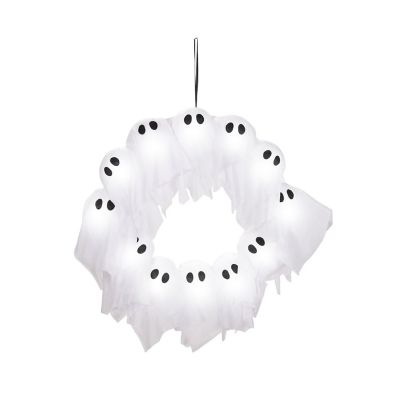
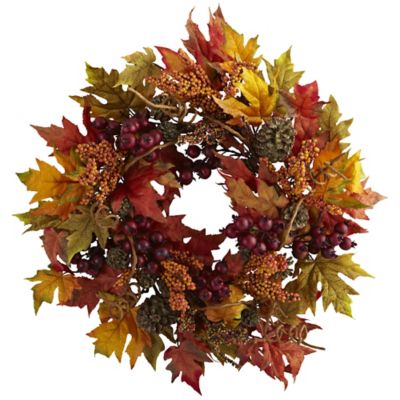
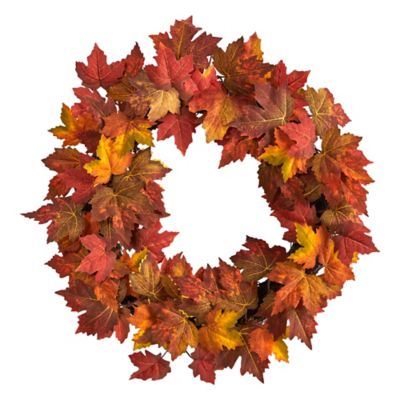
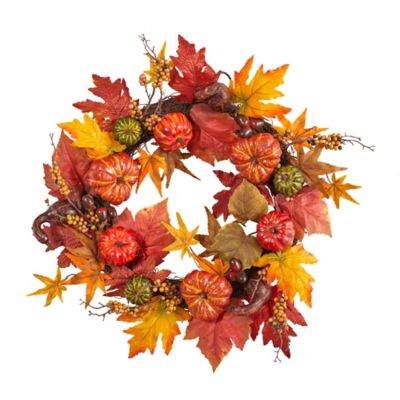
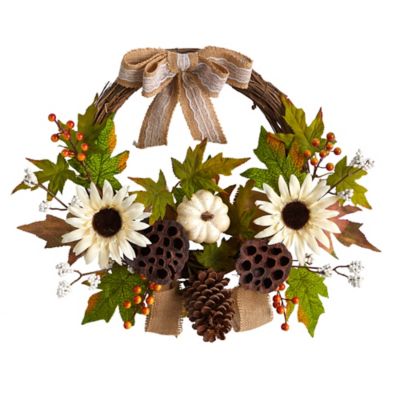
Popular themes include classic spooky motifs like ghosts, bats, witches, pumpkins, and spiders. Some wreaths feature autumn colors and harvest accents, while others focus on more whimsical or elegant designs depending on your decorating preferences.
Best Sellers
-
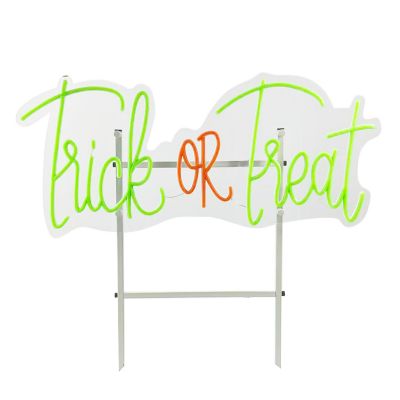
"Bigger than I excepted, but a great size to see from the street. 4 simple settings make it easy to use"
-
"Bigger than I excepted, but a great size to see from the street. 4 simple settings make it easy to use"
-
"I love it. I have it hanging over the fireplace all year round"
-
"The sign would also look great sitting inside a window or even on the wall for a Halloween party"
-
"I’ve had for a year and love it everyday. It’s outside in all weather. Love this"