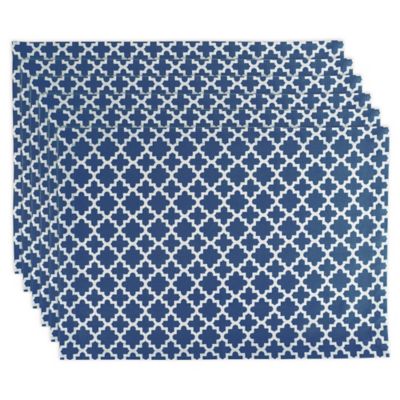
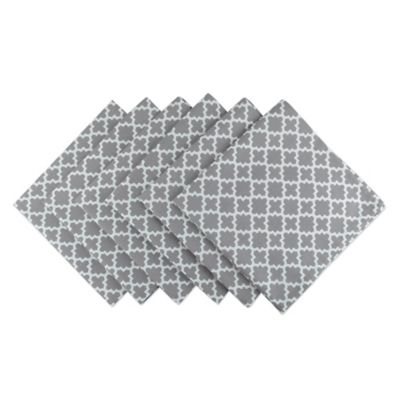
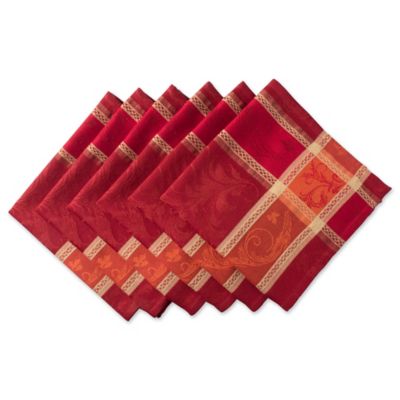
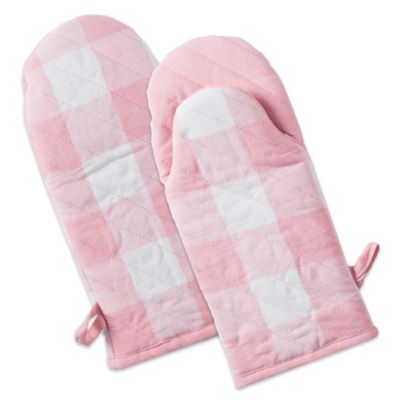
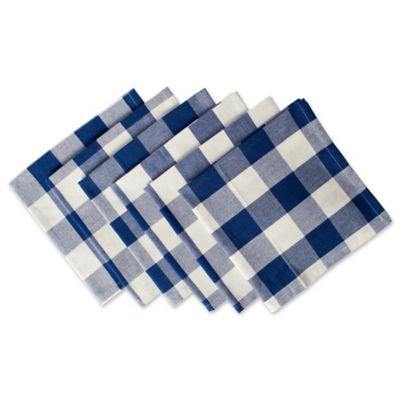
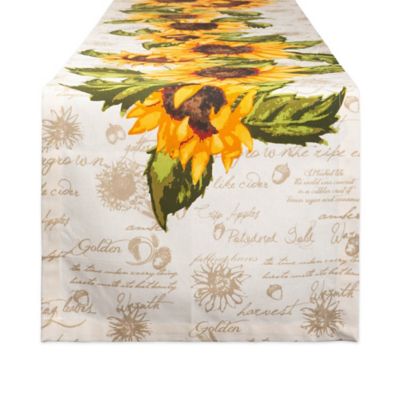
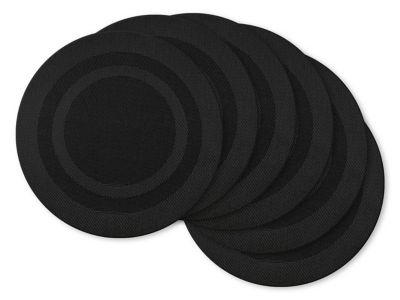
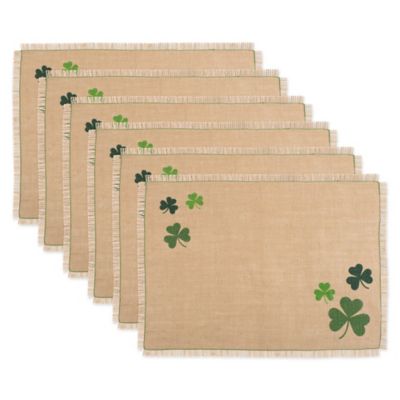
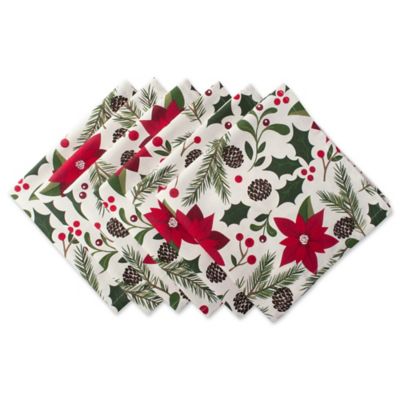
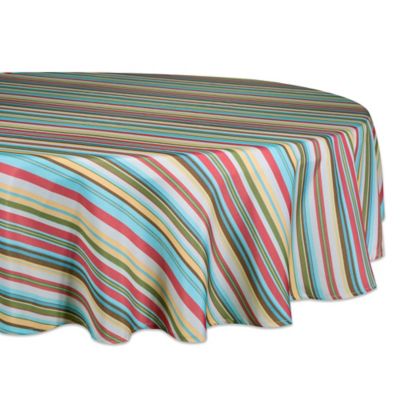
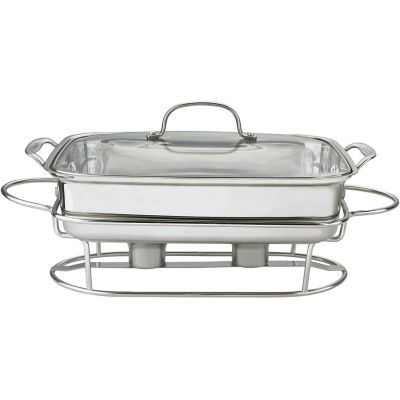
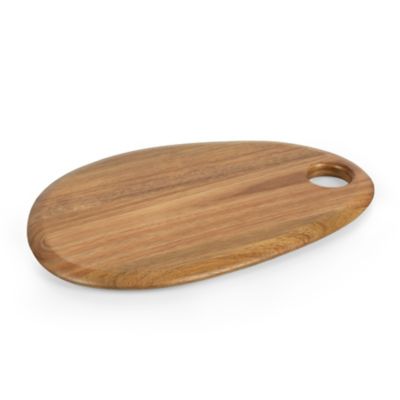
Gifts for dinner parties are most welcome when they suit the host’s tastes, serve a purpose, and do not add another task to a busy evening. A thoughtful gift can be something that earns a place in the kitchen, makes the table feel inviting, or gives the host a little something to enjoy after the company heads home. The appeal is in recognizing the effort behind a shared meal: clearing space at the table, getting supper ready, and making everybody feel at home. Practical entertaining gifts fit naturally into that routine without needing to become part of the meal already planned. There is a difference between a gift the host can set aside with a smile and one that needs immediate preparation, refrigeration, or rearranging. That distinction matters whether the occasion is a neighbor’s casual get-together, a first invitation to a friend’s home, or a family dinner with every chair pulled up. Gifts for frequent hosts often have the most staying power when they work just as well for an ordinary Tuesday supper as they do for a full house. For someone settling into a new home, easy-care kitchen and table essentials can help build a useful foundation. For a host with a well-established setup, a gift that complements familiar colors, materials, or cooking habits feels more personal than something that calls for a whole new arrangement. Edible gifts bring their own considerations, including clearly stated ingredients, dietary preferences, storage needs, and enough time for the recipient to enjoy them. Shelf-stable choices can leave the host free to decide when to open them rather than finding refrigerator space while dinner is underway. Nonfood gifts offer another way to say thanks when food preferences are uncertain. Either way, a manageable size and an obvious purpose help keep the gesture easygoing. The gift should feel like appreciation for the invitation, not another responsibility waiting beside the front door.
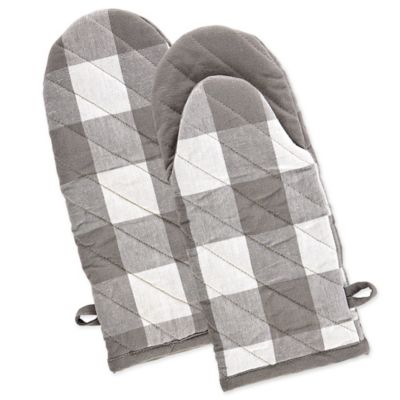
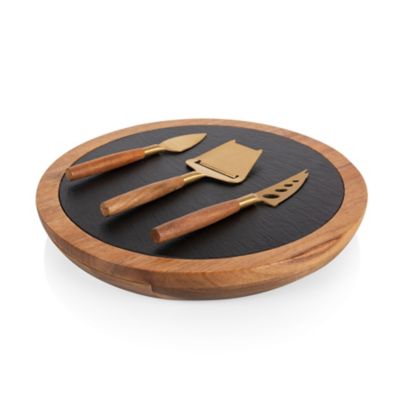
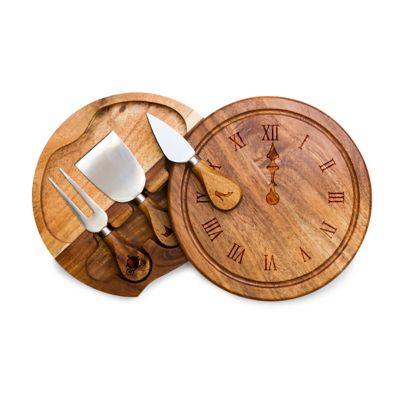
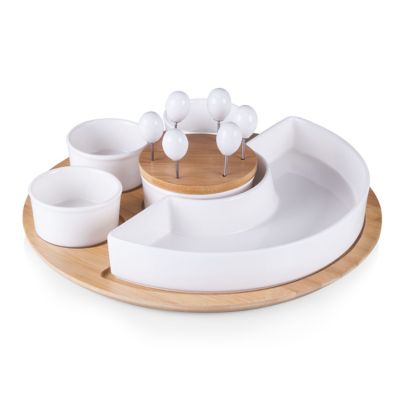
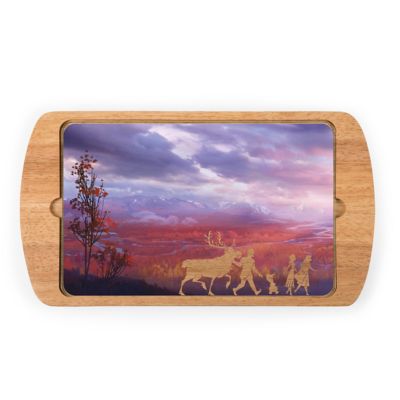
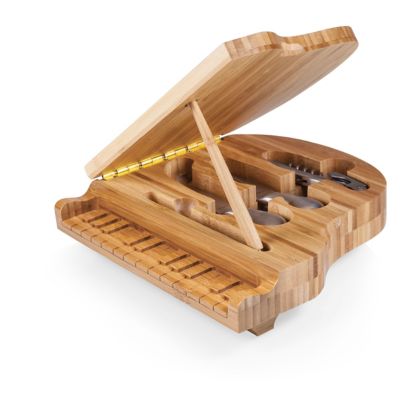
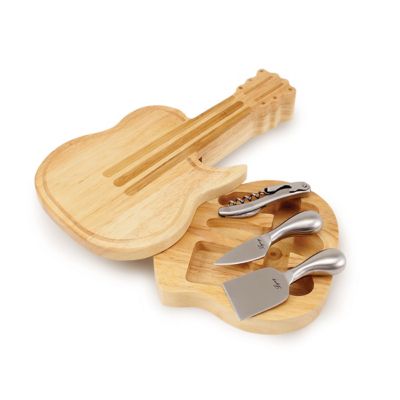
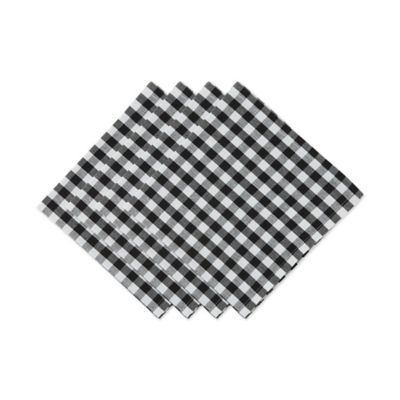
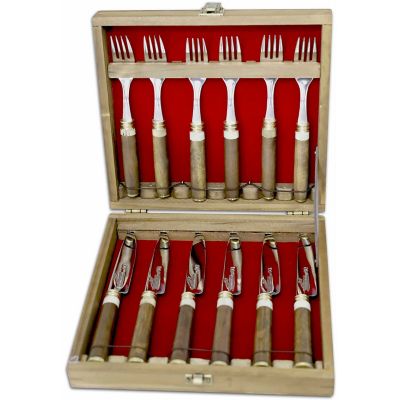
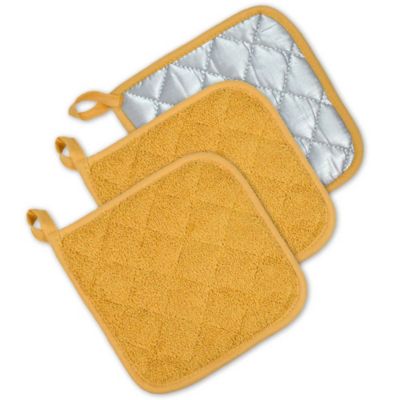
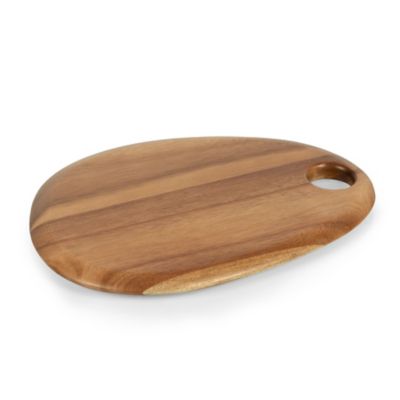
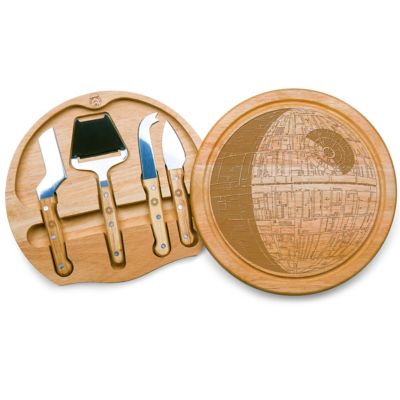
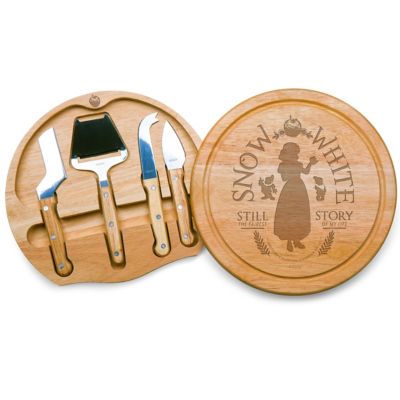
Materials, dimensions, and care requirements make a real difference in how entertaining gifts fit into daily life. Wood brings warmth and visible grain to kitchen and serving essentials, while its care needs depend on the finish and the maker’s directions. Some wood surfaces need hand washing, prompt drying, or occasional conditioning, so they tend to suit a recipient who enjoys that little bit of upkeep. Ceramic and stoneware offer substantial weight and a broad range of finishes, though suitability for the dishwasher, microwave, or oven should always come from the product’s care information rather than appearance alone. Glass can keep a table feeling open and uncluttered, with weight, rim shape, and storage space affecting how comfortable it is to handle. Metal offers a different feel, from smooth polished surfaces to more understated finishes, and its care requirements vary by material and construction. For anything intended to touch food, a finish made for that purpose matters more than looks. Table linens and kitchen textiles bring softness and color, with fiber content, weave, and laundering instructions shaping how they perform over time. Cotton and linen each have their own feel, and blended fabrics may offer different washing and wrinkle-care needs. Machine-washable choices can fit especially well in a home where the table sees homework, family meals, and company in the same day. Size deserves the same attention as material. Serving essentials need enough room for their intended job without crowding the table, and textiles need dimensions that suit the surface they will cover. Cabinet depth, drawer space, and the room around a place setting all affect whether a gift gets regular use. Comfortable edges, balanced weight, well-finished seams, and handles with room for a steady grip are small details that become noticeable with repeated handling. A gift that is pleasant to carry, straightforward to clean, and easy to put away has a good chance of becoming part of the host’s regular routine.
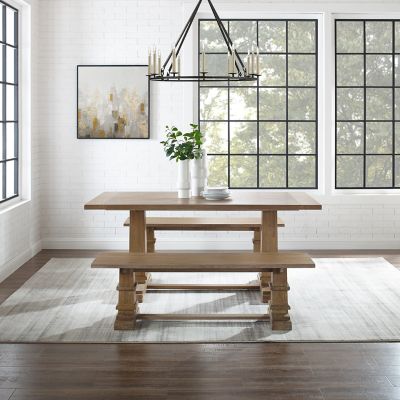
A dinner party gift does not have to match every corner of a home to feel right at the table. Simple shapes, familiar colors, and finishes that sit comfortably beside existing belongings leave room for the host’s own style. Earthy shades and natural textures can feel at home beside a well-loved farmhouse table, while clear surfaces and restrained patterns can blend into a more pared-back dining space. A lively print may be just right for someone who enjoys mixing colors; a quieter finish may suit a host who prefers to let the meal take center stage. Alongside kitchen and serving essentials,
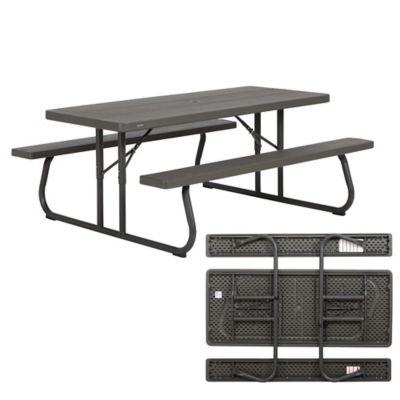
gifts for the table can bring a welcoming touch without taking over the room. Scale matters here, too. On a smaller table, a low profile leaves space for passing dishes and keeps conversation open from one side to the other. In a home where dinner moves between the kitchen counter and the dining room, versatile pieces can follow the gathering without feeling out of place. Households with children, visiting grandchildren, or a busy flow of guests may appreciate manageable weight, washable fabrics, and surfaces that are not fussy about everyday handling. Someone who enjoys lingering over supper may value the feel and appearance of a gift as much as its practical role. Those differences are what make a host gift feel considered rather than generic. A modest footprint is helpful for apartment dwellers, while stackable or neatly stored designs can be welcome in any kitchen. Easy-to-read care information also lets the recipient know what belongs in the dishwasher and what needs a gentler wash. Whether the gathering involves a carefully planned menu or a big meal passed around family-style, the strongest gifts fit the way people actually welcome company. They leave room for good food, familiar conversation, and the pleasure of having folks around the table.