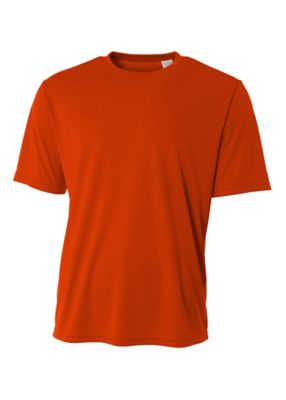
Fitness gifts include workout clothing, exercise equipment, hydration accessories, and recovery gear that fit the recipient’s activities, space, and experience level. A thoughtful match supports something the person already enjoys, whether that means strength training in a spare room, walking the back roads, or making time for stretching after a long day on their feet. Comfort and ease of movement matter more than a flashy look. Clothing should allow the wearer to bend, reach, squat, and take a full stride without tugging at seams or adjusting a waistband. Stretch fabrics can provide flexibility, while breathable knits help air move through the garment. Moisture-wicking materials move perspiration away from the skin, though drying time and overall comfort depend on the fabric blend, garment construction, and activity. Cotton-rich fabrics can feel soft for relaxed movement, but they tend to hold more moisture during hard exercise. Smooth seams and well-placed stitching are worth a closer look where clothing may rub during repeated motion. For someone who trains before chores or heads to the gym after work,
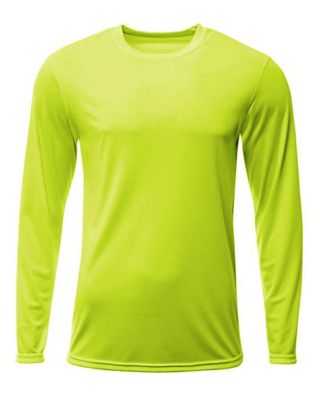
Workout Clothes For Men can be a practical part of a fitness gift. Fit goes beyond the size printed on a tag: inseam, rise, sleeve length, and the amount of stretch all affect how a garment feels in motion. A close fit may suit one person, while another prefers a little room through the shoulders and legs. Pockets that hold belongings securely can be handy for walks or trips between home and the gym. Care requirements matter, too. Clothing that works with the recipient’s regular laundry routine is easier to keep in rotation, and following the care label helps protect stretch fibers, finishes, and shape. A familiar size and a cut similar to clothing the person already likes can make an apparel gift feel considered without making assumptions about their body or goals.
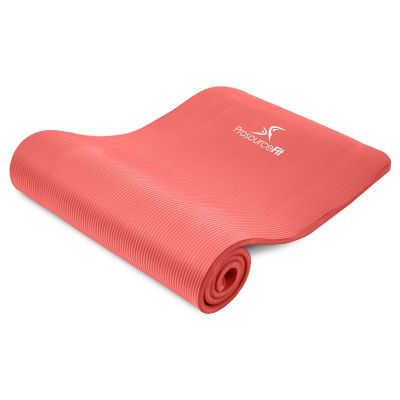
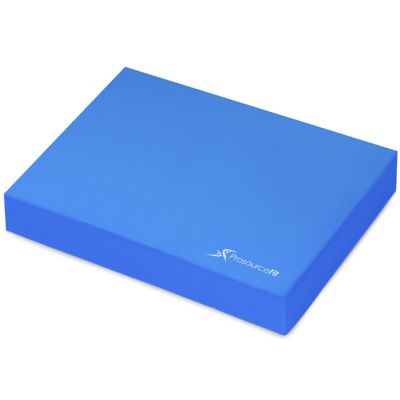
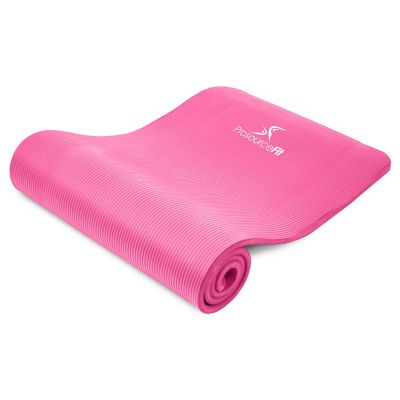
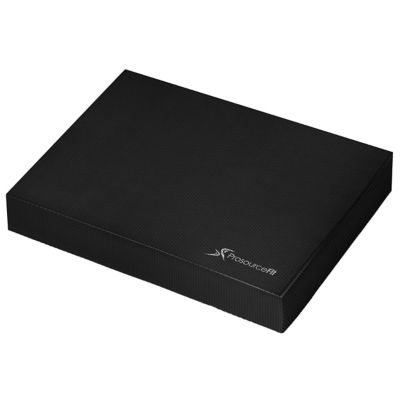
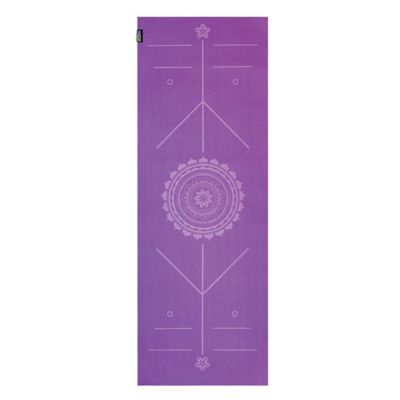
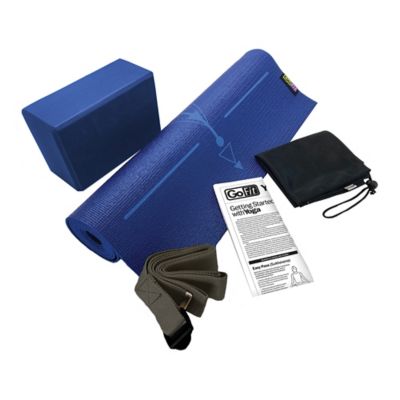
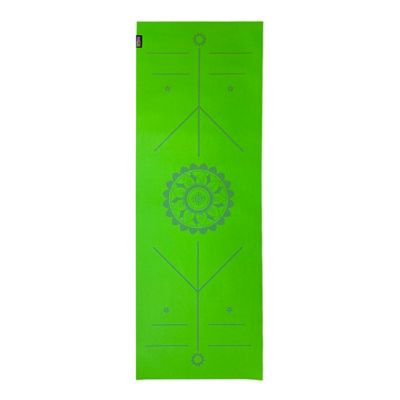
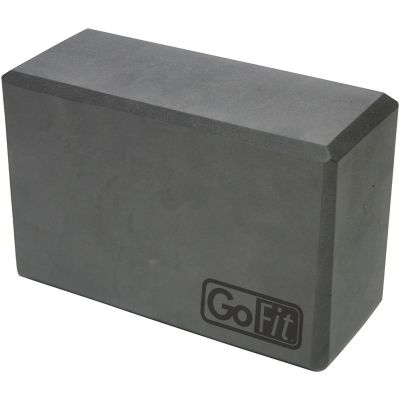
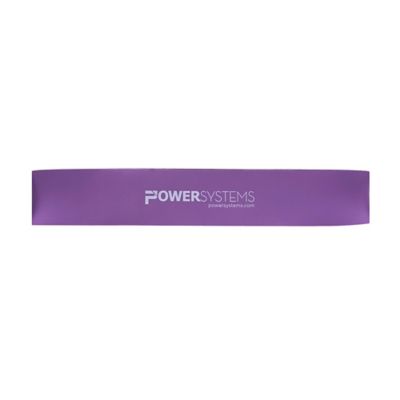
Home workout gear makes sense for someone who likes exercising on their own schedule, especially when a trip to the gym means another drive into town. The most practical fitness gifts suit both the workout and the place where it happens. A corner of a bedroom calls for different equipment than a dedicated exercise room, and storage space matters just as much as room to move. Compact training accessories can tuck into a closet between sessions, while larger equipment needs a stable setup with enough clearance for the full movement. Equipment weight, dimensions, assembly requirements, and the effort needed to move it all affect everyday use. Resistance-based training gear should match the recipient’s experience and the exercises they already know, with clearly marked resistance or weight information where applicable. Handles need to feel secure without forcing an awkward wrist position, and adjustment points should be straightforward to operate according to the manufacturer’s directions. Steel components, firm connections, and intact protective coatings can help equipment stand up to repeated handling. Rubber or foam contact surfaces may offer cushioning or grip, but their feel and care needs vary. For floor-based exercise, thickness is only part of the picture. A softer surface can cushion knees during certain movements, while a firmer surface may feel steadier for standing exercises. Traction depends on the material, the floor beneath it, and keeping both surfaces clean and dry. Equipment intended for indoor exercise belongs on an appropriate, level surface, away from foot traffic, children, and animals. That matters in a busy home where a workout space shares room with laundry, boots, and everything else that lands by the door. Wiping away perspiration as directed, allowing surfaces to dry, and checking for loose connections, cracks, or fraying are simple parts of ongoing care. Gear that is easy to set up, clean, and put away has a better chance of becoming part of a regular routine rather than taking over a room.
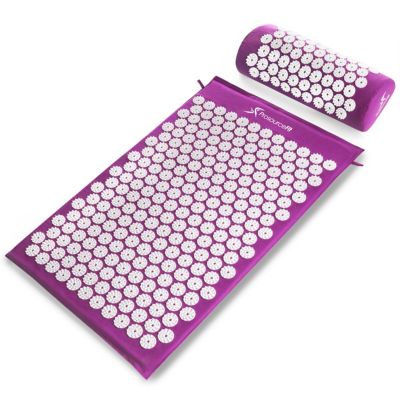
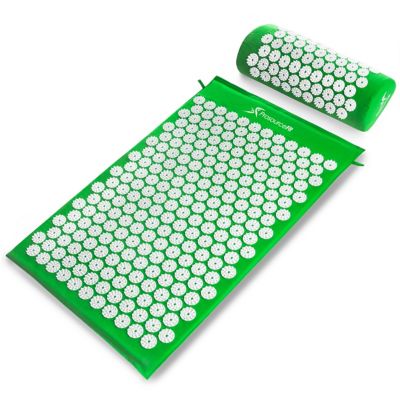
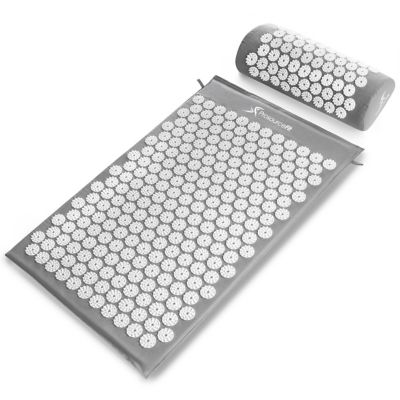
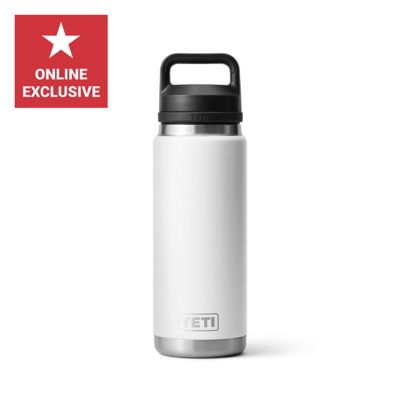
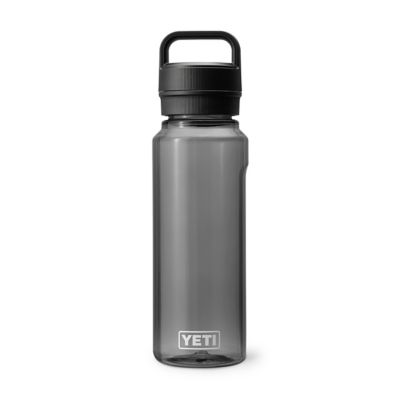
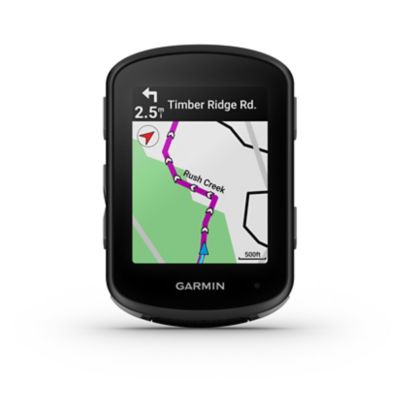
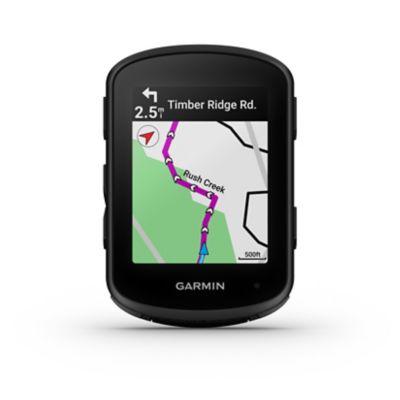
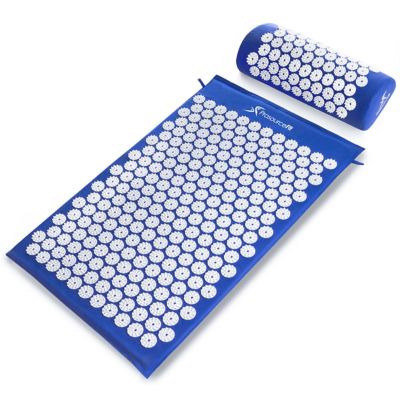
Hydration and recovery accessories round out fitness gifts without requiring a whole new workout plan. For someone who moves between chores, errands, and exercise, leak resistance, a comfortable grip, and a lid that is easy to clean can make drinkware more convenient to carry. Stainless steel and plastic have different weights and care requirements, and insulation adds another consideration for anyone who likes a drink to stay at its starting temperature longer. Capacity should suit the outing without making the container awkward to handle or too large for its usual carrying spot. Wide openings can make cleaning easier, while seals and removable parts need attention according to the care directions. Recovery gear is more personal: a firm contact surface feels different from a cushioned one, and the recipient’s comfort with pressure matters. These accessories can fit into a stretching or relaxation routine, but they are not a replacement for care when pain or an injury needs attention. Electronic fitness accessories bring another set of practical details, including charging needs, device compatibility, readable displays, and controls that are easy to manage while moving. Water-resistance ratings have specific limits, so care and intended-use information matter more than assumptions about what a device can handle. For gifting, birthdays, a training milestone, or a simple thank-you can be a good fit when the present reflects the person’s interests rather than pressure to change their appearance. A beginner may appreciate straightforward gear with clear instructions, while an experienced exerciser may have strong preferences about fit, feel, and setup. Someone who already spends the day lifting, carrying, and walking may value comfort and gentle movement more than another hard workout. Fitness gifts feel more personal when they respect those differences. A gift that fits the recipient’s habits, leaves room for their own goals, and holds up to regular care can earn a place in everyday life, whether exercise happens at home, along a familiar route, or at the gym.