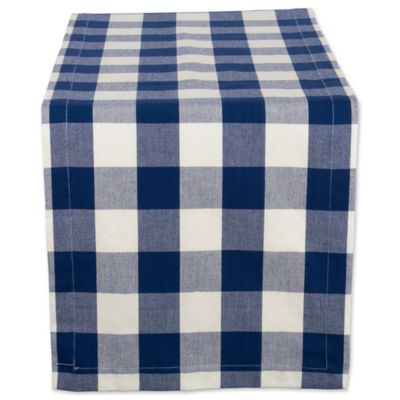
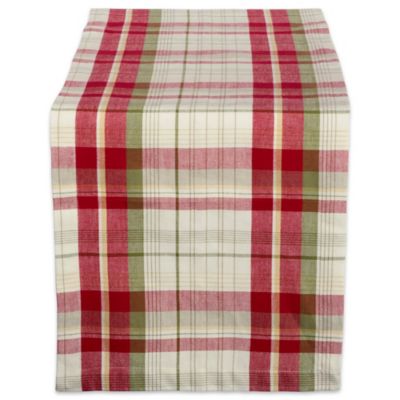
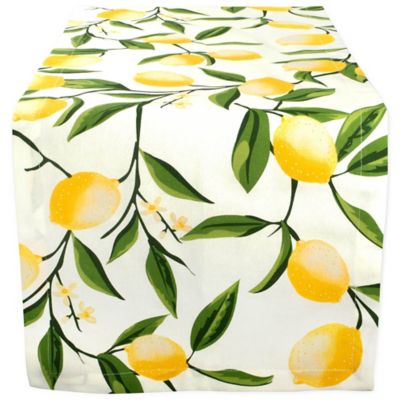
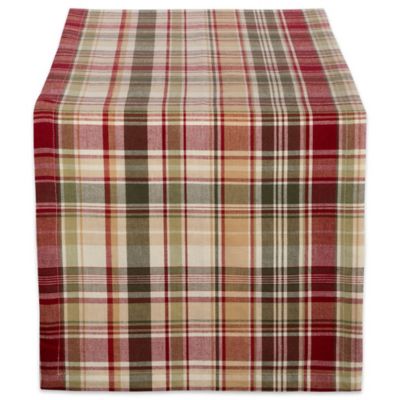
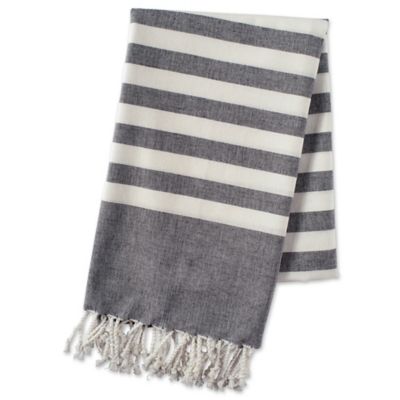
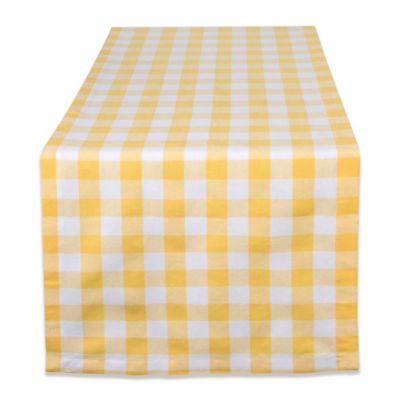
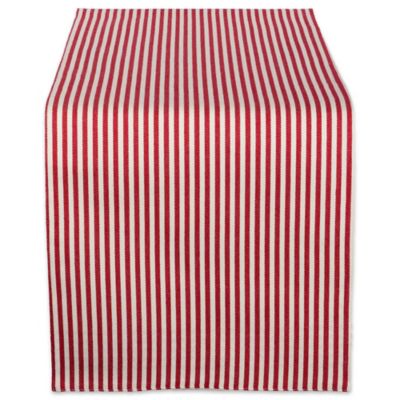
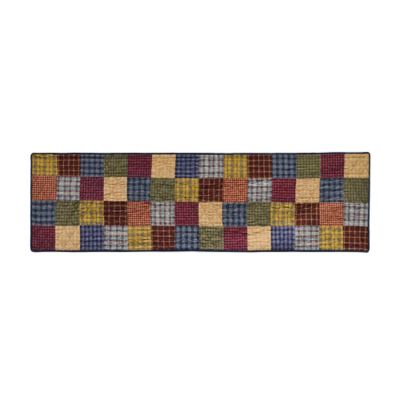
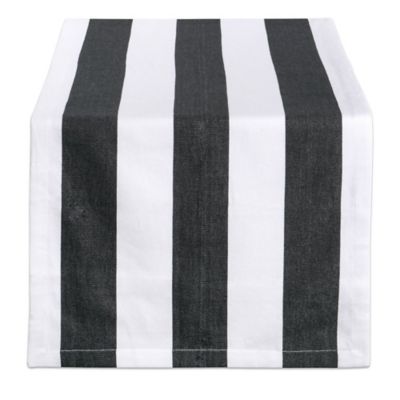
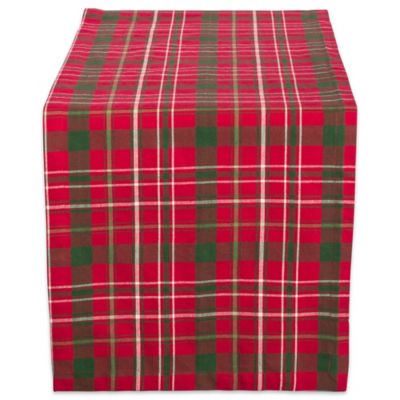
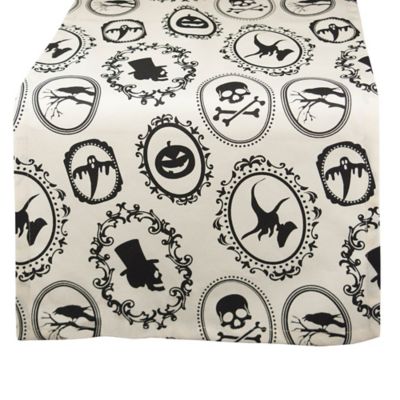
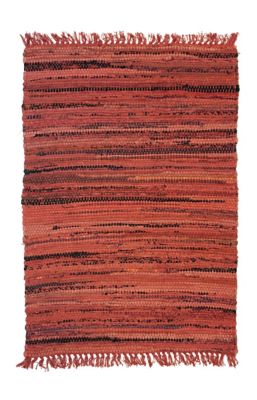
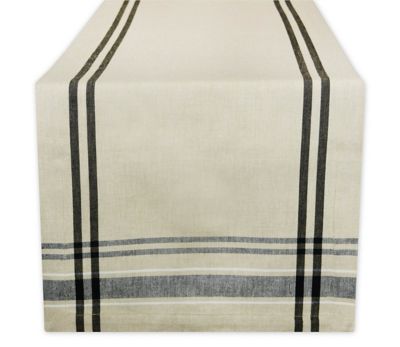
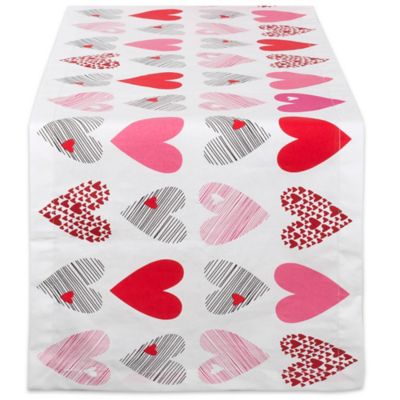
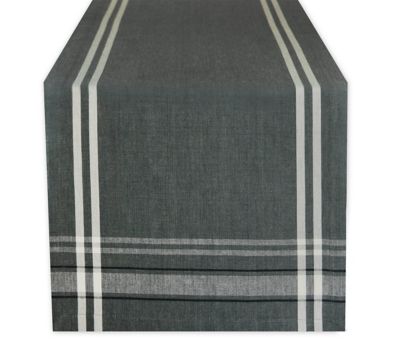
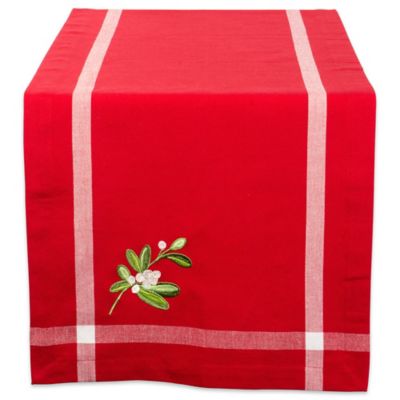
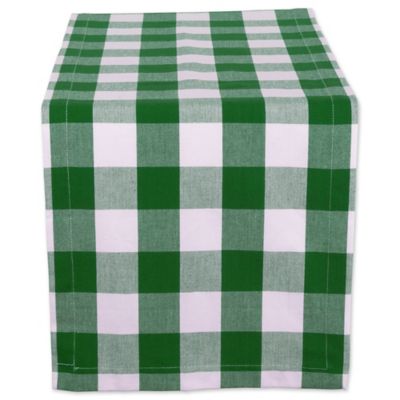
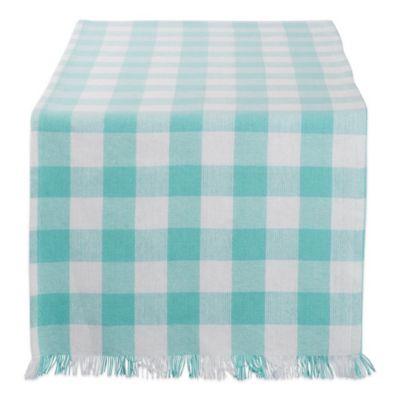
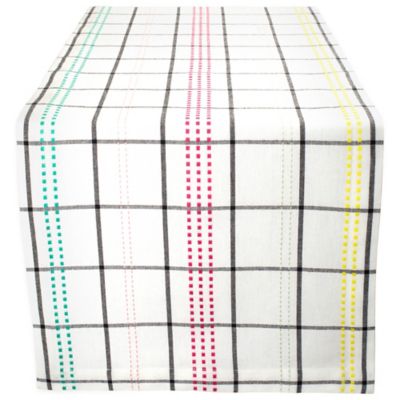
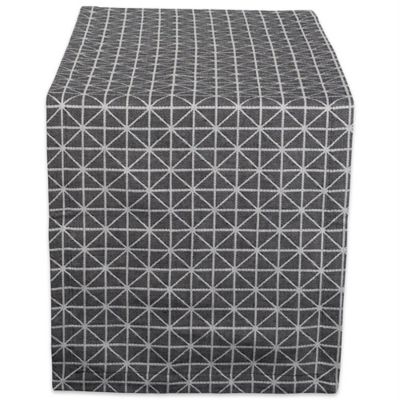
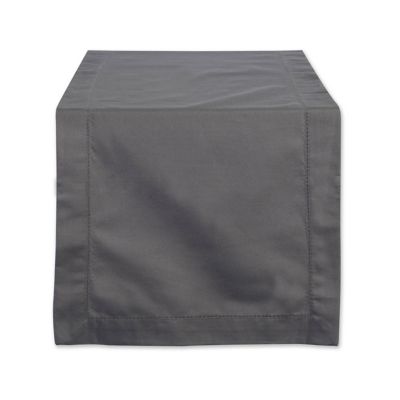
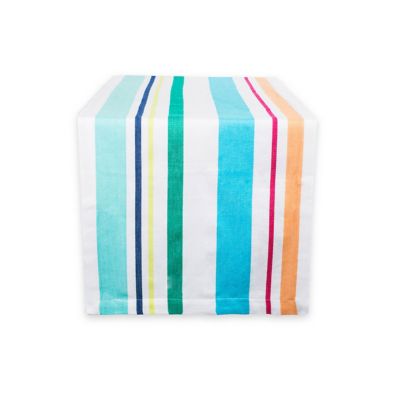
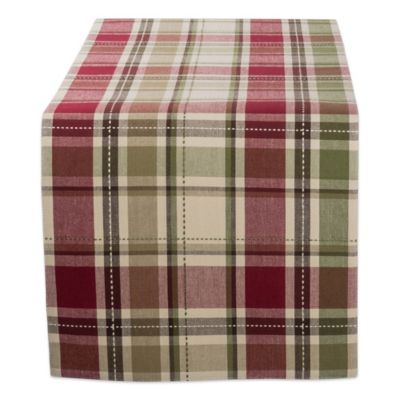
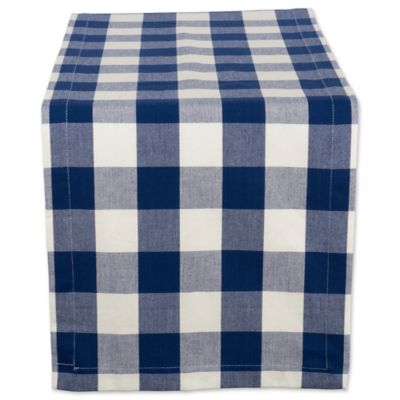
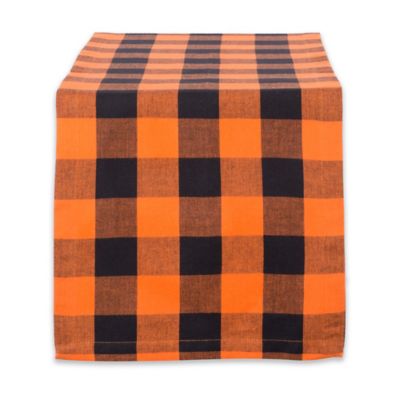
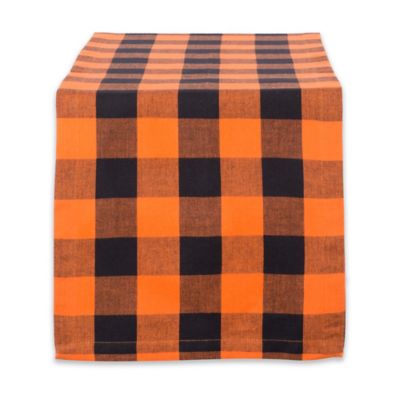
Cotton table runners bring a little softness and color to the table without covering up the wood grain, painted finish, or other details that make it feel at home. A strip of cotton down the center can pull together a kitchen table set for breakfast, a long dining table with room for the whole family, or a sideboard holding serving dishes for a get-together. The look can be simple enough for supper after chores and still feel right when company comes through the door. Cotton has a familiar, comfortable feel, with a surface that may be smooth and closely woven or more textured, depending on the fabric’s construction. Plain weaves offer an understated backdrop for dishes, while woven stripes and checks bring pattern into the room without needing much else alongside them. Solid colors leave plenty of room for patterned plates, mixed pottery, and the serving pieces that tend to collect over the years. Cream, tan, and soft gray work easily with many table finishes, while deeper shades can add contrast against pale wood or white dishes. On a darker tabletop, a lighter runner helps the center of the table stand out. Pattern size matters, too: narrow stripes read quietly from across the room, while broad checks make a stronger statement. A runner also leaves more of the tabletop exposed than a full tablecloth, which can suit a busy eat-in kitchen where chairs move in and out all day. For a more layered setting, cotton can sit over a tablecloth in a coordinating shade. During the cooler months, its texture pairs naturally with wood serving boards, stoneware bowls, and a low arrangement that leaves room for conversation across the table. There’s no need for every piece to match. Repeating one color from the runner in napkins or dishes can give the whole setting a settled, pulled-together feel.
The best fit for a cotton table runner depends on the table’s shape, its length, and how the surface needs to function. On a rectangular table, a runner placed lengthwise creates a clear center line while leaving space along both sides for place settings. A common starting point is a width around one-third of the tabletop, though a narrower runner may make more sense when large plates and serving bowls need elbow room. For an overhanging style, about 6 to 12 inches beyond each end often looks balanced; the right amount depends on the table height, nearby seating, and any trim along the runner’s ends. Measuring with the table’s extension leaves in place helps avoid a runner that looks too short when extra seats are added. A shorter runner that stays entirely on the tabletop offers another look, especially on a kitchen island, a compact breakfast table, or a surface where hanging fabric could catch on clothing. Round and square tables can take a runner across the middle, with the length chosen according to whether the ends should hang over or stop inside the edge. On a round table, a single straight runner adds structure without hiding the shape. Fabric weight affects the result as much as size. A lighter cotton may drape softly over the ends, while a heavier weave can have more body and a flatter appearance through the center. Fiber content is worth a close look: all-cotton fabric and cotton blends can differ in feel, wrinkling, shrinkage, and washing requirements. Cotton-linen blends may have a more pronounced texture, while blends with synthetic fibers may offer different wrinkle behavior. Firm stitching, even hems, and neatly finished edges are useful details to check when a runner will see frequent laundering. Fringe, tassels, and embroidered sections add texture but can also call for gentler handling. For everyday meals, a flat surface without raised details makes it easier to set down a bread basket or a small centerpiece without wobbling.
Cotton table runners fit naturally into households where the table does more than host dinner. It might hold coffee cups before daylight, school papers in the afternoon, and a big serving bowl once everyone gets home. A washable runner can make that hardworking surface feel ready for a meal, but care requirements vary, so the sewn-in label should settle questions about water temperature, drying, and ironing. Cotton can shrink, particularly with heat, and some colors or finishes need extra attention during the first wash. Washing with similar colors and avoiding an overloaded machine can help the fabric rinse freely and reduce heavy creasing. For spills, lifting away solids and blotting promptly with a clean cloth is generally a better starting point than rubbing the spot deeper into the weave. Check any stain treatment against the care directions, and make sure a mark is gone before applying dryer heat, which can set some stains. If machine drying is permitted, taking the runner out promptly can cut down on wrinkles. Some cotton fabrics press more easily while slightly damp, provided the label allows ironing. Trim or embroidery may need pressing from the reverse side or with a pressing cloth. Between gatherings, storing a runner clean and completely dry helps keep it ready for the next meal; folding along different lines occasionally can lessen persistent creases. Cotton adds a layer between serving pieces and the table, but it is not a substitute for trivets under hot cookware or protection beneath damp containers. A hot casserole dish straight from the oven still needs a heat-safe resting place. For shared meals during the cooler months, a simple cotton runner can stay in place while napkins, centerpieces, and dishes change with the occasion. For a more occasion-specific look,
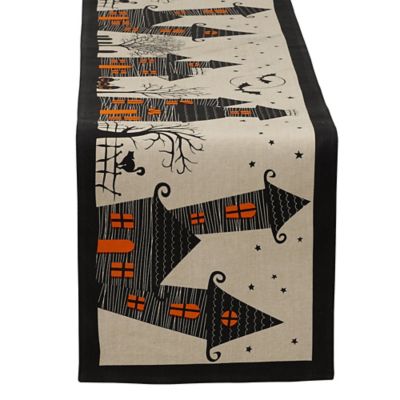
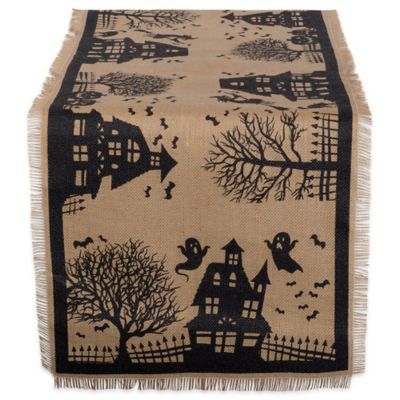
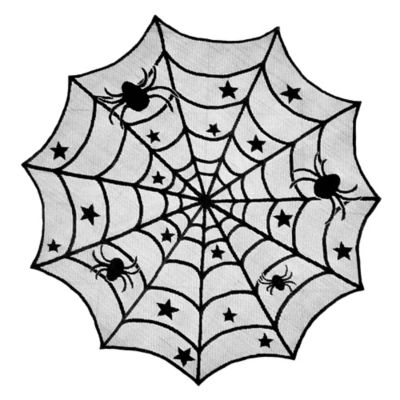
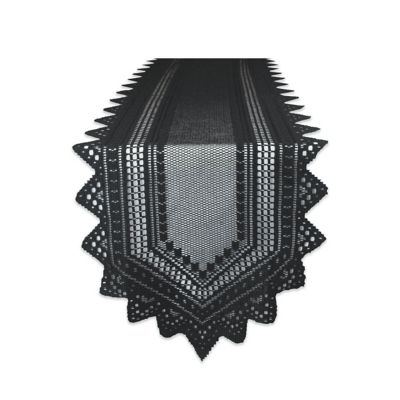
Holiday Table Runners offer another direction for the gathering table. A cotton runner can also make a thoughtful housewarming or host gift, especially when its measurements suit the recipient’s table and its care needs fit their routine. An easygoing pattern or familiar color often has a place well beyond the first gathering, from a quiet two-person supper to a table stretched out for visiting family.