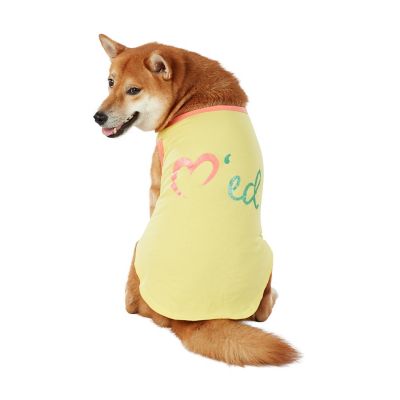
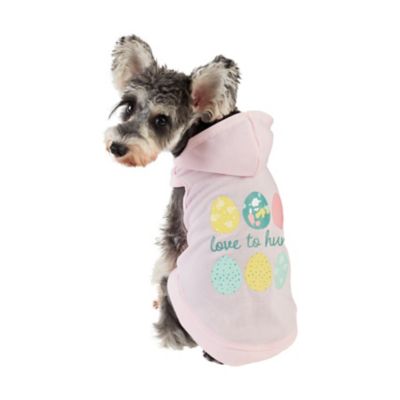
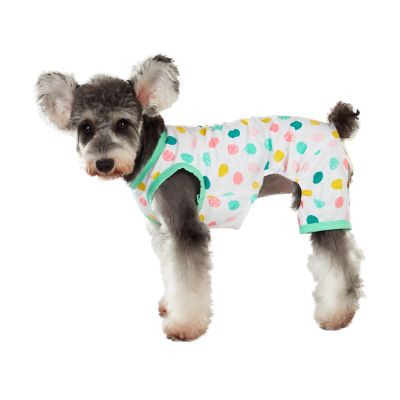
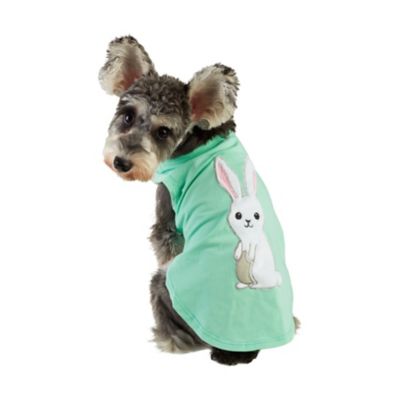
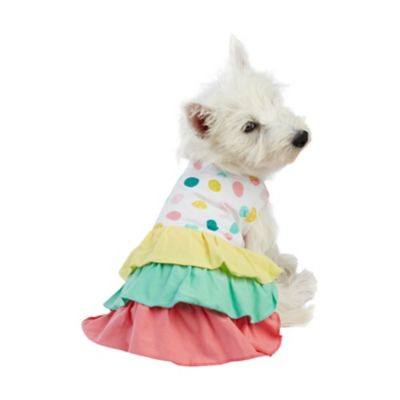
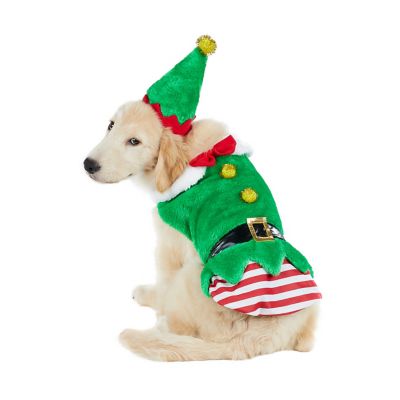
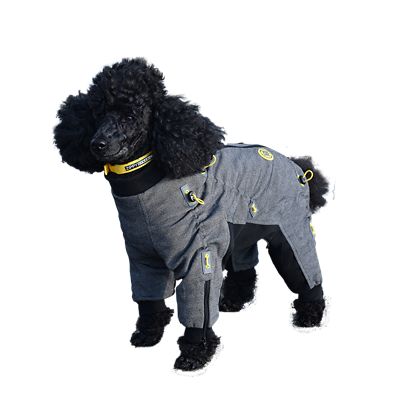
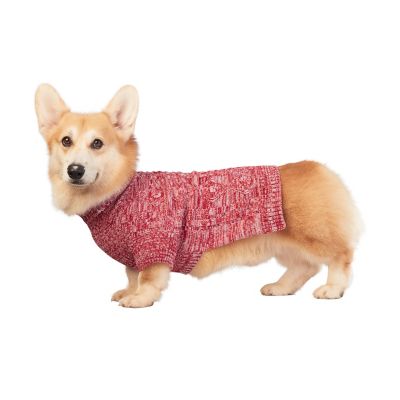
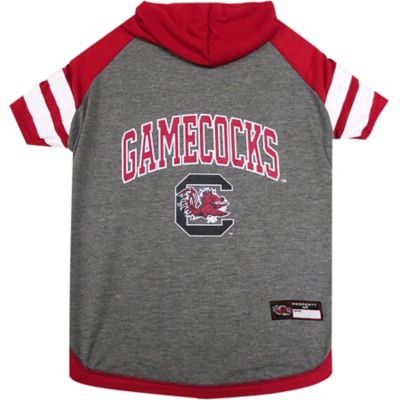
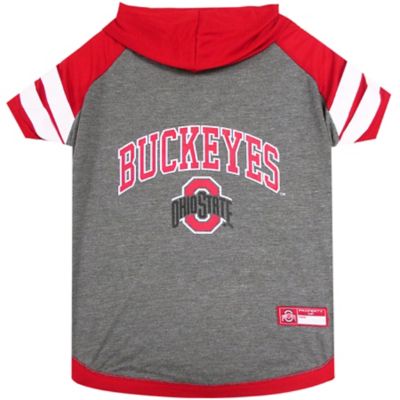
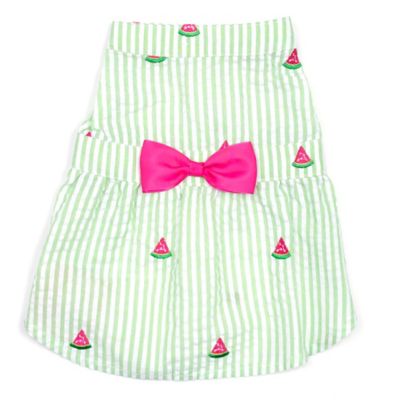
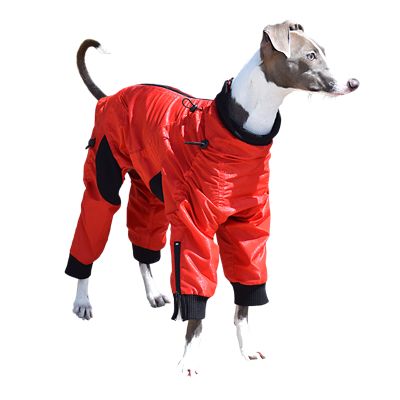
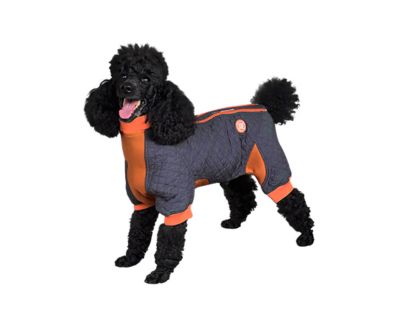
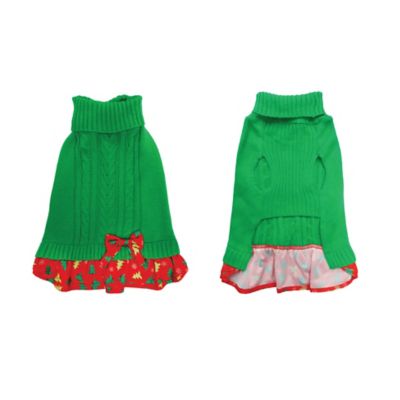
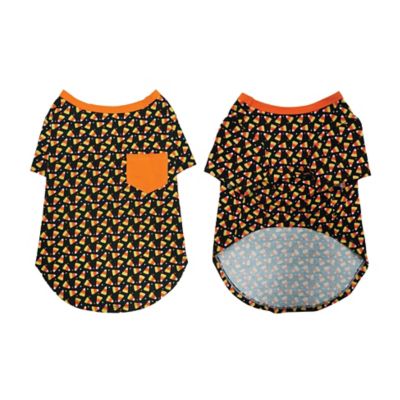
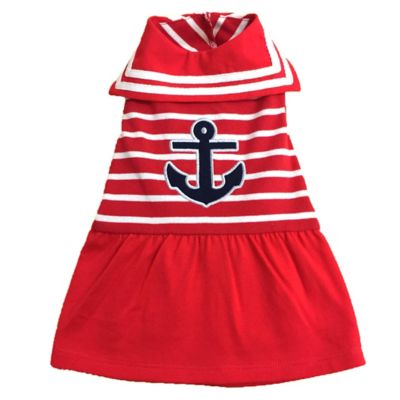
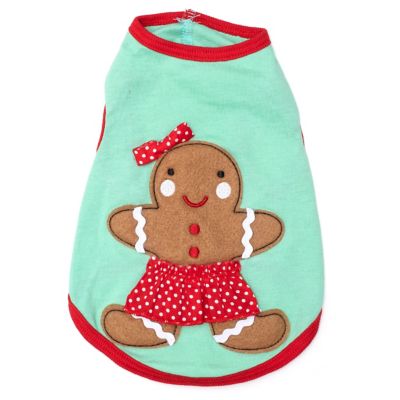
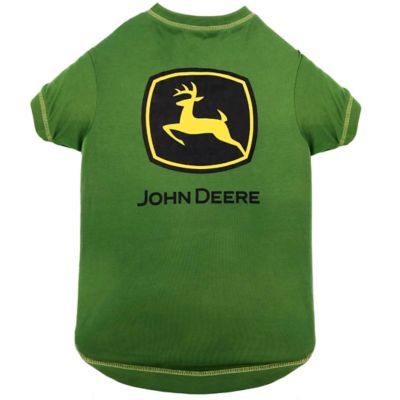
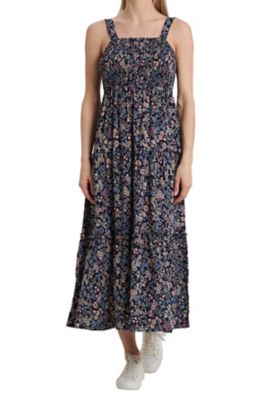
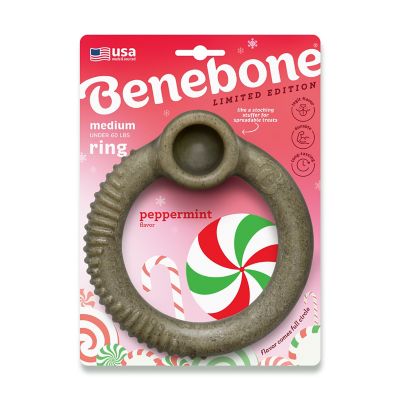
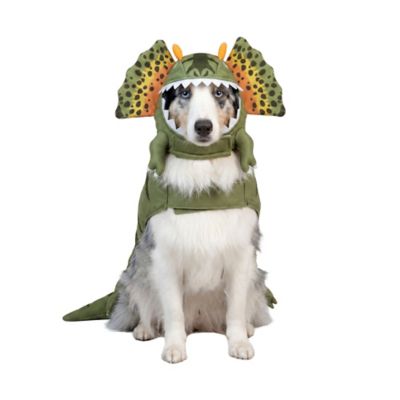
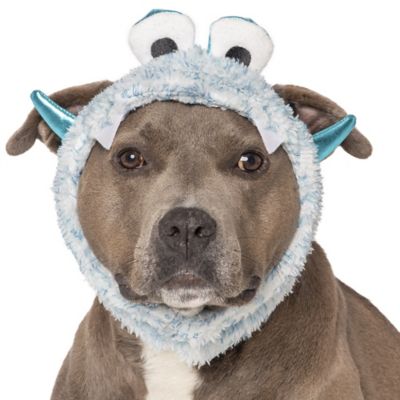
Dog outfits for Easter range from pastel T-shirts and dresses to bunny costumes, bow ties and bandanas, with styles suited to everything from a quick porch picture to a family get-together. Soft pink, pale blue, lavender, mint and yellow give these outfits a familiar Easter look, while bunny ears, egg patterns and little floral touches add to the celebration. The right amount of dressing up depends as much on the dog as the occasion. A dog that already enjoys wearing clothes may be comfortable in a lightweight dress or a shirt with a festive print. A dog that prefers less fuss may do better with a simple bandana or a small bow attached securely to a properly fitted collar. Full bunny costumes make a playful choice for brief, supervised photos, especially when the design leaves the face, ears and tail free to move naturally. For a family gathering with plenty of walking between the house and yard, easy movement matters more than an elaborate look. Picture a hound stretched out beside the picnic table or a terrier trotting across the porch to greet visiting relatives: an Easter outfit should let each dog settle in and act like themselves. Coordinating colors can bring a family photo together without putting every pet in the same style. A pastel shirt on one dog and a floral bandana on another can look right at home alongside Easter baskets and Sunday clothes. Simpler shapes also help keep the dog's expression front and center, rather than hiding it behind a large hood or oversized trim. Whether the occasion calls for a cheerful accent or a more complete costume, dog outfits for Easter work best when the festive details stay out of the way of sniffing, sitting, walking and resting. A favorite treat and a familiar spot on the front steps often do more for a good picture than an outfit with lots of extra pieces.
Materials and construction make a big difference in how Easter dog clothes feel once the pictures are over. Lightweight cotton and cotton-blend fabrics can feel soft against the coat, while stretchy knits allow some give through the shoulders and chest. Fabric weight, weave and the amount of coverage all affect comfort; a thin-looking outfit can still feel restrictive if the cut is narrow or the openings bind. Smooth inside seams and soft edging are especially helpful around the front legs, neck and belly, where fabric moves against the body. Mesh panels or open designs can reduce coverage, while stiff layers, scratchy trim and heavy attachments may make an outfit less comfortable for longer wear. Fit starts with the dog's measurements rather than breed alone. Chest girth, neck circumference and back length help show how a garment will sit, and each style's sizing chart matters because clothing sizes can vary. A broad-chested dog may need more room through the front even when the back length seems right, while a long-bodied dog may need a different cut to avoid pulling across the shoulders. Thick coats also take up space beneath clothing. A comfortable fit leaves room to move without loose fabric dragging, twisting around the body or catching under a paw. Leg openings should allow a normal stride, and the underside should leave enough clearance for bathroom breaks. Closures deserve a close look, too: hook-and-loop tabs should not snag long hair, and snaps or other fasteners should sit away from pressure points. Room for a properly fitted walking harness is useful for gatherings away from home, provided neither layer interferes with the other. A short try-on before the celebration gives a clearer picture of comfort than a standing pose alone. Walking a few steps, sitting and lying down can reveal bunching or slipping that is easy to miss when a dog is holding still for a treat.
Care needs and everyday handling matter even for clothing that comes out mainly for Easter. A hem that brushes the grass or a pale shirt worn beside muddy paws may need attention after a single gathering. Washable fabrics can make cleanup simpler, but the care label should determine whether a garment belongs in the washing machine or needs gentle hand washing. Bows, layered skirts, printed designs and attached costume pieces may need different care than a plain knit shirt. Closing fasteners before washing and keeping snag-prone pieces separate can help protect the fabric, while thorough drying before storage helps prevent musty smells. Strong stitching, neatly finished edges and securely attached details help an outfit hold up through dressing, movement and cleaning. Even so, festive clothing is meant for supervised wear, not rough play, chewing or time alone in a crate. Small buttons, dangling ribbons and loose embellishments can become trouble for a dog that likes to mouth whatever is within reach. Bunny ears and headpieces are best kept to short sessions with a dog that accepts them calmly; pawing at the face, freezing in place or repeatedly trying to shake a piece off are good reasons to take it off. An outfit should never block sight, hearing, breathing or access to a leash attachment. At an egg hunt, keeping dogs away from chocolate, candy wrappers, plastic eggs and basket grass matters far more than keeping a costume tidy. Easter clothing can also make a thoughtful gift for someone who enjoys including a pet in family traditions, especially when the dog's measurements and comfort preferences are already known. For a holiday present that goes beyond an outfit, explore
Dog Gifts for Easter with the dog's size, habits and favorite ways to play in mind. The best Easter look is one that lets a dog join the gathering comfortably, share a few happy moments and then curl up in a familiar spot when the excitement settles down.