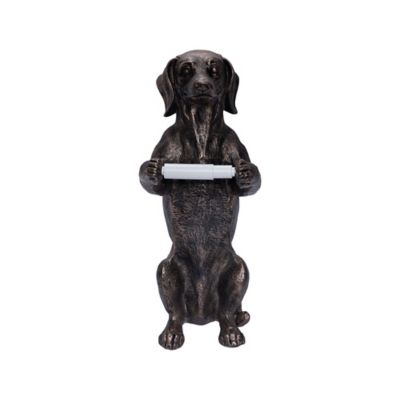
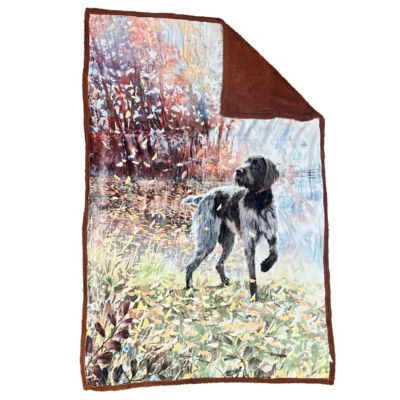
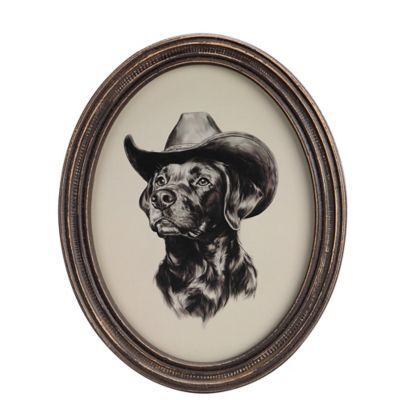
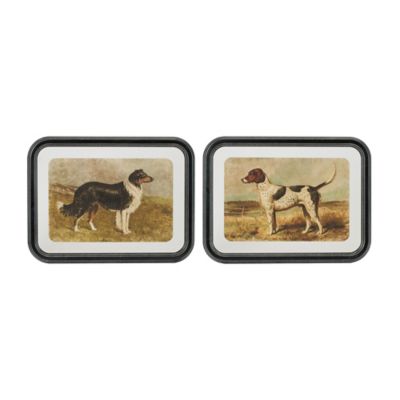
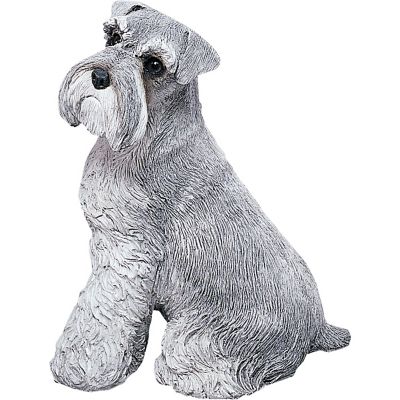
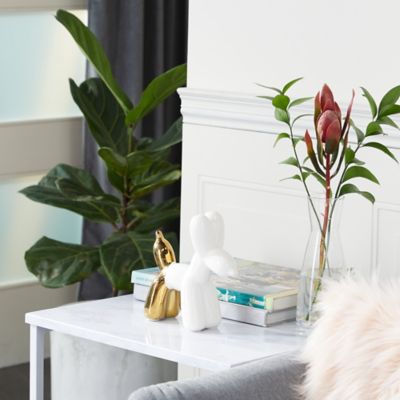
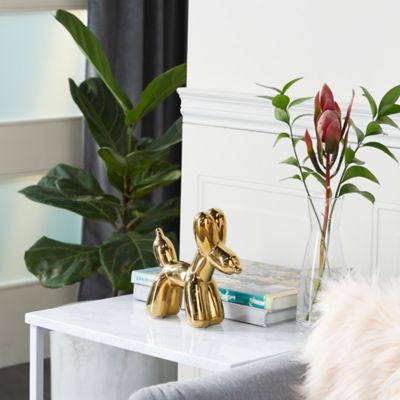
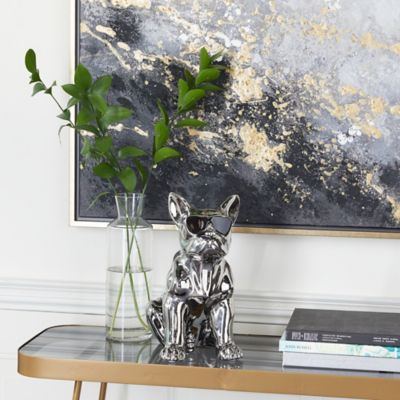
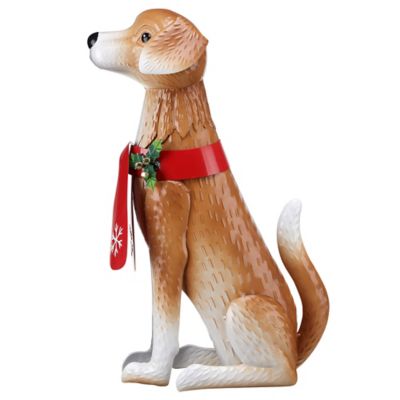
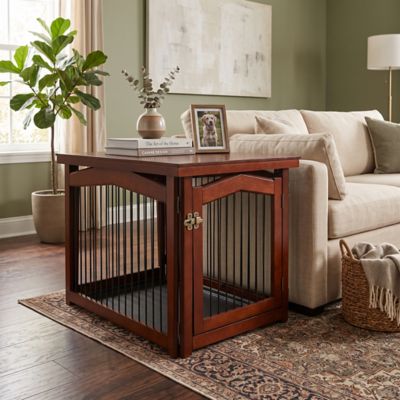
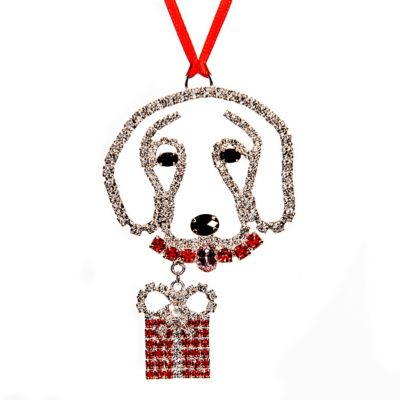
Dog-themed home accents bring a love of four-legged companions into everyday spaces through canine artwork, paw-print patterns, breed silhouettes, and playful sayings. These touches can suit a farmhouse kitchen, a cabin living room, a front entry, or a quiet corner beside a favorite chair. The look can be as simple as a framed dog portrait on a shelf or as coordinated as repeating the same colors across wall art and soft furnishings. A black-and-white silhouette pairs easily with painted wood and dark hardware, while warm brown tones sit comfortably alongside natural wood grain and leather seating. Bright illustrations lend a lighter feel to a family room, and simple line drawings keep a smaller space from feeling crowded. Some households favor a likeness of the breed waiting by the back door; others enjoy mixed-breed faces, paw prints, or messages that celebrate dogs in general. Those details make the theme approachable for longtime dog owners, families welcoming a new pup, and anyone who has a soft spot for a faithful companion. Scale matters just as much as the image itself. A broad wall above a bench can carry a larger design, while a narrow stretch beside a doorway calls for something with a smaller footprint. On shelves and tabletops, a little breathing room lets the dog motif stand out without crowding lamps, books, or family photographs. Color can also tie the theme to what is already in the room: a cream background can echo upholstery, a charcoal outline can pick up cabinet pulls, and a muted green can connect with nearby plants. The result feels more settled when dog-themed pieces share a few colors or shapes rather than competing for attention. A home does not need paw prints on every surface to show who gets the warmest welcome at the door.
Materials and construction help determine where dog-inspired home accents fit into daily life. Wood brings visible grain and warmth, with stained, painted, and natural finishes each creating a different look. Solid wood and engineered wood can differ in weight, edge detail, and care needs, so material descriptions matter when comparing pieces for a wall or shelf. Metal offers crisp outlines and can work well with the hardware and fixtures common in country homes, though the finish and intended placement still deserve attention. Ceramic and glass bring smooth surfaces and a little shine, making them better suited to steady spots away from wagging tails and busy walkways. Fabric accents add softness, whether the pattern is a bold dog portrait or a small repeating paw print. For cushions and similar soft furnishings, dimensions, seam construction, closure style, and removable covers all affect everyday upkeep. A washable cover can be helpful in a room shared with pets, but the care label should determine the cleaning method rather than the fabric's appearance alone. Some textiles need spot cleaning, and some printed surfaces need gentler treatment to keep colors and outlines looking their best. Smooth surfaces may need only a soft cloth, while carved details and textured finishes can collect dust around their edges. Cleaning directions also matter for wood, painted metal, and framed artwork, especially when moisture or strong cleaners could affect the finish. For pieces placed near an entry, a backing that suits the floor and enough clearance beneath the door are practical considerations. Anything intended for a porch needs an explicit outdoor-use designation; a sheltered location alone does not make an indoor piece suitable for outdoor placement. Across materials, sound joints, secure fastenings, finished edges, and appropriate mounting hardware support everyday use. These details help an accent hold its place in a working household where boots pass through the entry, bags land on the bench, and the dog follows close behind.
The right placement lets a dog-loving home feel welcoming without getting in the way of the people and pets living there. An entryway can carry a cheerful canine message while still leaving room for leashes, keys, and the usual coming-and-going. In a living room, a dog portrait can sit among family photographs, and a patterned cushion can bring the theme onto a chair without taking over the whole seating area. A home office may call for a smaller accent that fits beside a monitor or on a bookcase, while a mudroom often has more practical demands around storage, floor space, and easy cleaning. Weight and dimensions are worth checking before anything reaches the wall or shelf, including the depth of a frame and the space needed around a freestanding piece. Heavy or breakable accents belong on stable surfaces beyond a pet's reach, and hanging pieces need hardware suited to both their weight and the wall material. Home accents are not chew toys, so loose trim, dangling cords, and small attachments should stay away from curious mouths. For gifts, dog-themed home touches can mark a birthday, a housewarming, or the arrival of a new companion. A familiar breed can make a thoughtful connection, while a general canine design leaves more room for the recipient's taste. Neutral colors, manageable dimensions, and straightforward care requirements can make a gift easier to work into an existing room. Households that enjoy showing their dog's personality beyond the home can also explore
Pet Apparel for another part of everyday life with a pet. Whether the home has one well-loved dog portrait or several coordinated canine touches, the most comfortable look leaves room for real routines: a clear path through the entry, a seat beside the family, and a familiar face resting nearby.