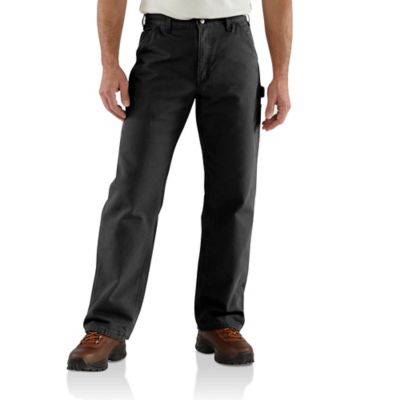
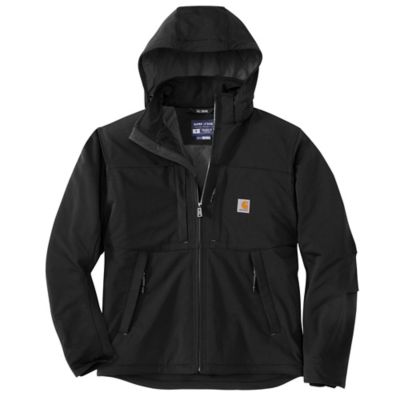
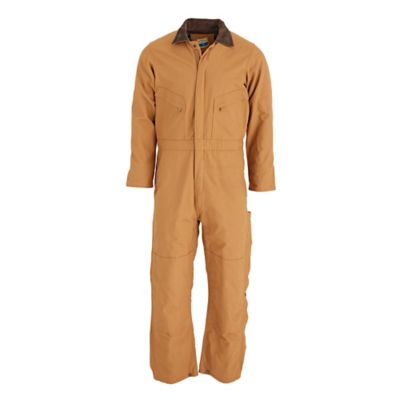
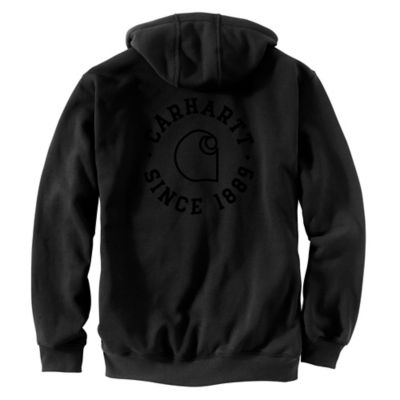
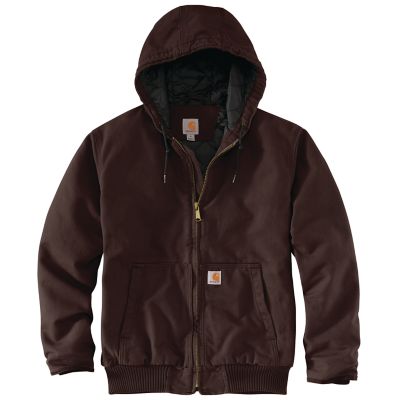
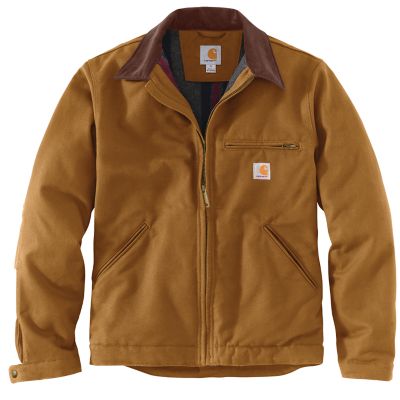
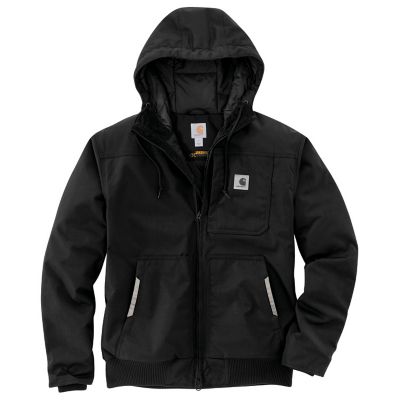
Christmas gifts for men who work outdoors often center on warm workwear, weather-resistant footwear, comfortable hand protection, and practical gear that makes everyday chores easier. For the man who checks fences before breakfast, tends livestock after dark, or spends his workday on a jobsite, a useful gift fits the way he actually works. That might mean clothing with room to reach overhead, footwear suited to uneven ground, or equipment that keeps everyday essentials close at hand. Farm work, ranch chores, construction, and property upkeep all put different demands on what a man wears and carries. Cotton duck and tightly woven canvas bring a substantial feel to workwear and help stand up to rubbing against rough boards, hay bales, and equipment. Stretch panels and articulated knees can make bending, climbing, and kneeling less restrictive, while reinforced seams help support areas that take repeated strain. Warmth matters for a Christmas gift, but heavy insulation is not the answer for every task. Someone hauling feed or stacking firewood may appreciate breathable layers that let heat escape, while a man spending long stretches watching a gate or operating equipment may need more insulation. A roomy outer layer should accommodate the clothing underneath without hanging loose enough to catch on obstacles. Sleeve length, shoulder movement, and coverage at the lower back all matter when a workday involves reaching across a truck bed or leaning over a water trough. Moisture-managing base layers, insulating middle layers, and outer fabrics selected for wind or rain serve different purposes, giving work clothing a role beyond simply feeling thick. For dads, husbands, brothers, and other hardworking men, the appeal is straightforward: clothing that feels right through a full day's work, not just while standing still. Familiar sizing and a preferred style can make the gift feel personal without getting in the way of its practical purpose.
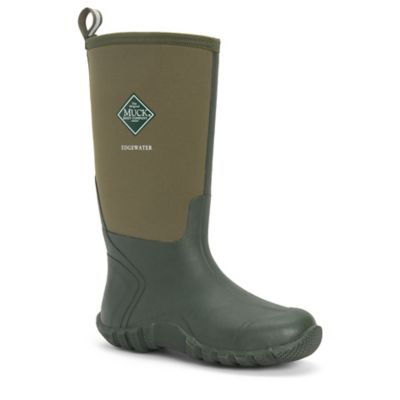
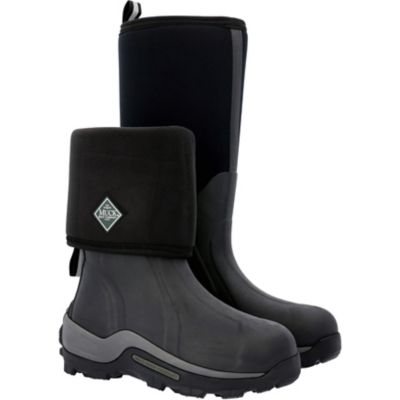
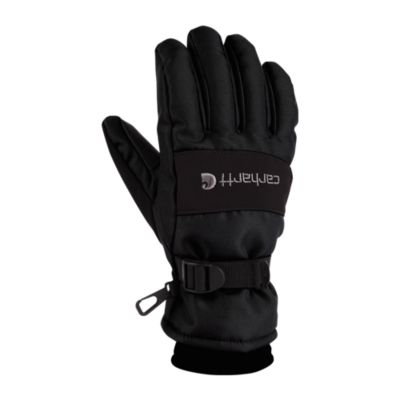
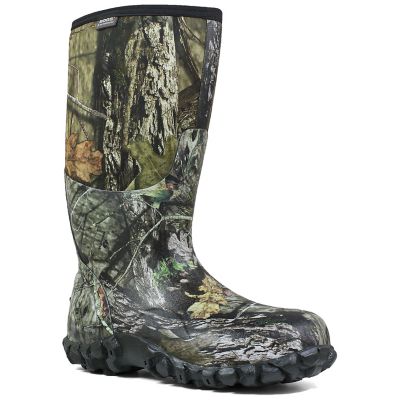
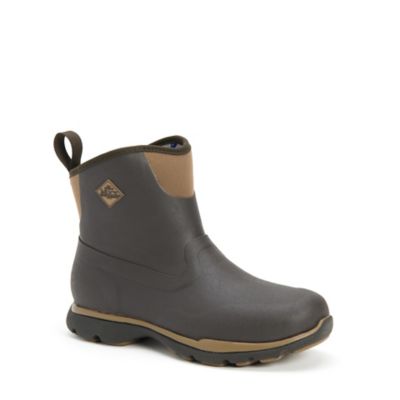
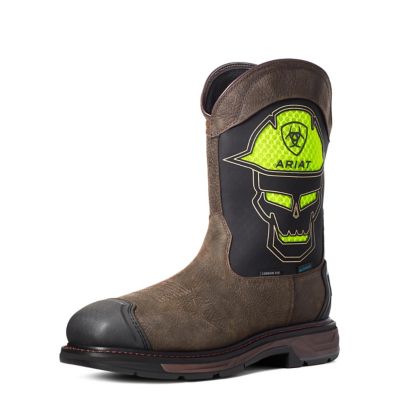
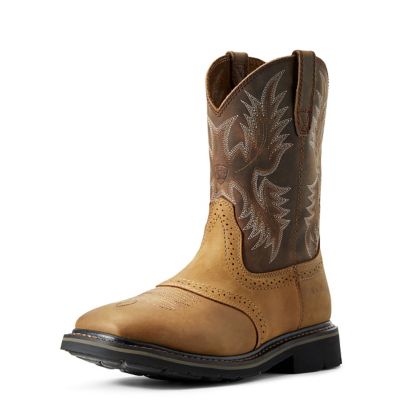
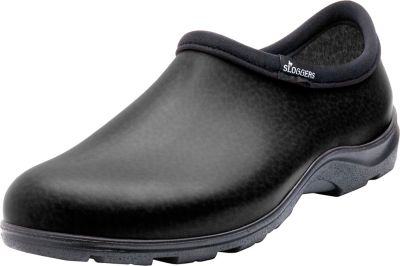
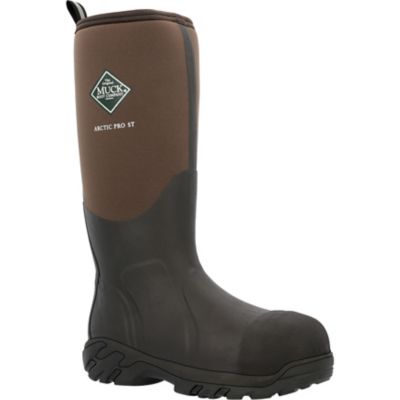
Footwear and hand protection deserve the same attention because outdoor work rarely happens on a smooth, dry surface. Mud around a barn entrance, gravel beside a shed, and slick grass along a fence line each call for careful footing. Outsole tread, heel shape, and flexibility influence how work footwear feels on those surfaces, while the upper material affects weight, breathability, and care. Leather can offer structure and resistance to abrasion, though it needs cleaning and conditioning suited to its finish. Rubber and waterproof constructions have a different role where wet ground is part of the job. Waterproofing does not automatically mean insulation, and a heavily insulated fit may feel cumbersome during active work. Enough toe room for natural movement and the socks worn on the job helps prevent a gift from becoming something that stays by the door. Extra-thick socks cannot make up for footwear that fits poorly; bunching or crowding can create pressure instead of comfort. Wool blends and moisture-managing fibers can help manage dampness inside footwear, while cushioning at the heel and forefoot may suit long hours on foot. Gloves bring another set of practical differences. Leather palms can handle rough contact, flexible fingers help with latches and small fasteners, and extended cuffs offer more coverage at the wrist. Insulation can be welcome for cold chores, but excessive thickness may make detailed work frustrating. Protection should match the task, and employer requirements matter whenever safety-rated footwear, visibility features, or other protective equipment are involved. Care also shapes how well a gift holds up over time. Brushing off dried mud, letting damp gear dry away from direct heat, and following the care label help preserve materials and finishes. Workwear with special protective properties may have particular laundering requirements, so its instructions matter more than a familiar wash routine. These details make a practical Christmas gift feel less like an extra possession and more like part of the workday.
Practical equipment also earns its place under the Christmas tree when it supports the jobs a man handles week after week. Task lighting can make a difference during early starts, evening livestock checks, or a repair inside a dim shed. Beam spread matters as much as brightness: a broad light helps illuminate a work area, while a more focused beam reaches farther down a path or across a yard. Controls that are manageable with gloves, a secure way to position the light, and a power source that fits his routine all affect everyday usefulness. For powered equipment, compatibility with the batteries and chargers already in the workshop can matter more than adding another set of accessories to keep track of. Hand tools and carrying gear have similar practical considerations. Grip size, balance, overall weight, and storage space influence whether something is comfortable to carry from the truck to the far side of a pasture. A secure closure helps keep small essentials together, while compartments that are easy to reach can cut down on rummaging with cold fingers. Equipment intended for outdoor work should match the moisture, dirt, and repeated handling it will encounter; water resistance and protection against dust are not the same thing, and neither means gear can be left exposed indefinitely. Simple care, including wiping away grit and storing equipment dry, helps keep it ready for the next job. The same practical approach carries over to
Gifts For Outdoor Men when a man's time outside includes both earning a living and looking after his own place. Gifts that suit his habits tend to settle naturally into that routine, whether he is walking the fence line, loading supplies, or finishing one last chore before heading inside. Familiar materials, comfortable fit, straightforward upkeep, and a clear purpose give Christmas gifts lasting value well beyond the wrapping paper. The best match is often something that respects how much time he spends on his feet and how many different jobs a day can bring.