Casual Country Concert Rodeo Outfits
Ready to kick up some dust and show off your style? Casual country concert rodeo outfits are all about mixing comfort with that laid-back western vibe. Whether you're heading to a local rodeo or dancing under the stars at your favorite country concert, you'll find just what you need to pull together an easy-going look that feels right at home in the crowd. From classic denim to relaxed tees and boots made for stompin', it's never been easier to dress for a good time out in the country.
$62
.99
Sale Was $69.99 Save $7.00 (10%)
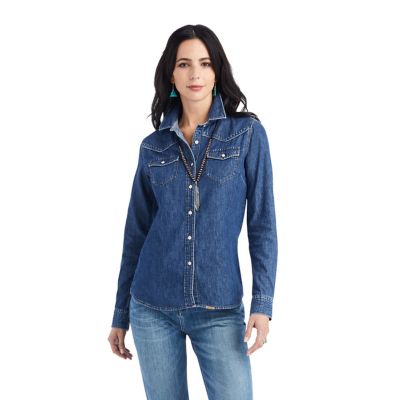
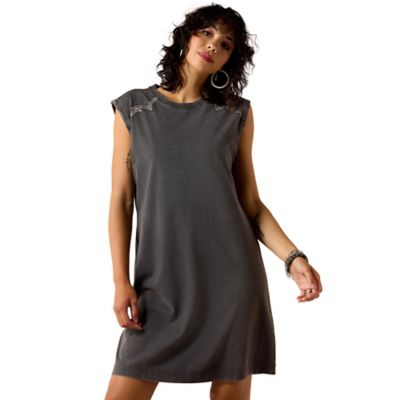
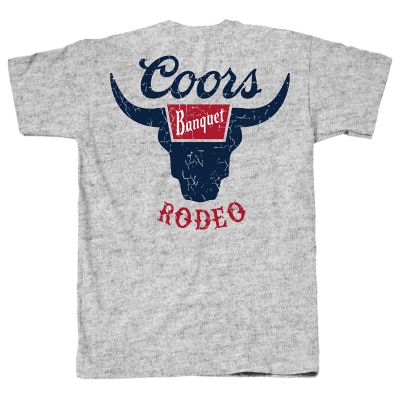
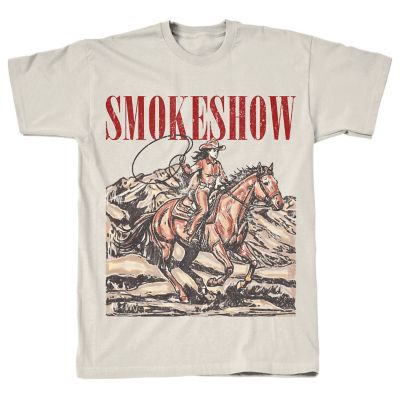
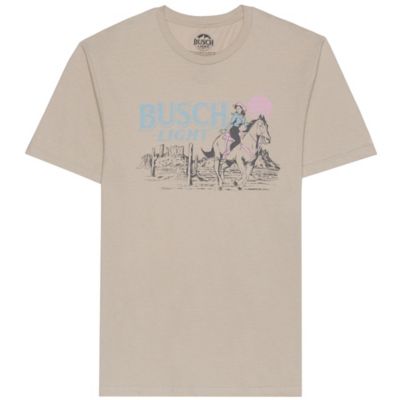
$14
.99
Sale Was $19.99 Save $5.00 (25%)
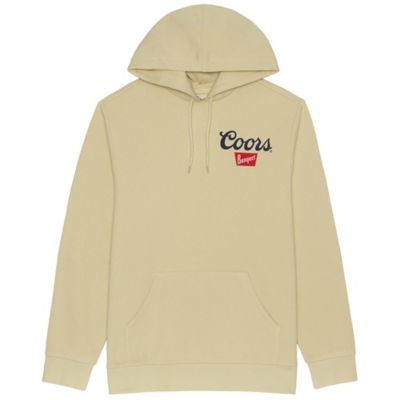
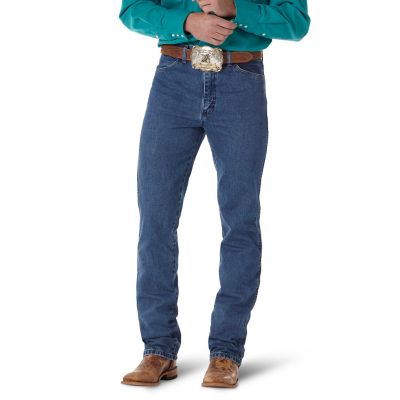
$40
.49
Sale Was $44.99 Save $4.50 (10%)
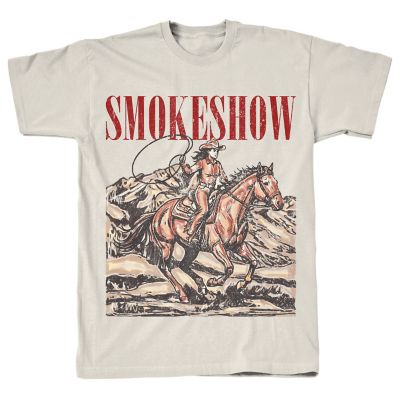

$29
.69
Sale Was $32.99 Save $3.30 (10%)
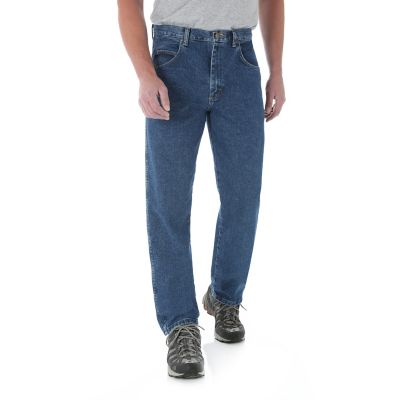
$44
.99
Sale Was $49.99 Save $5.00 (10%)
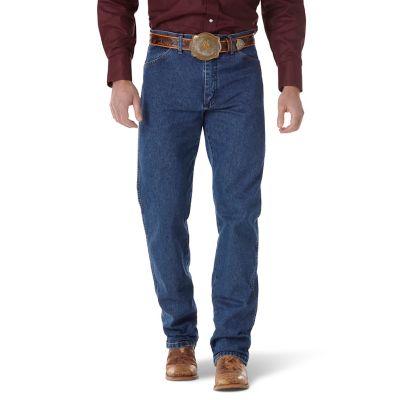
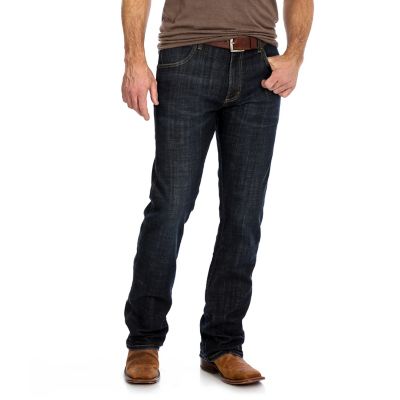
$58
.49
Sale Was $64.99 Save $6.50 (10%)
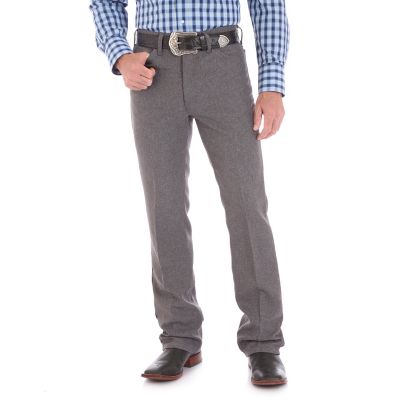
$40
.49
Sale Was $44.99 Save $4.50 (10%)
$40
.49
Sale Was $44.99 Save $4.50 (10%)

$44
.99
Sale Was $49.99 Save $5.00 (10%)
$44
.99
Sale Was $49.99 Save $5.00 (10%)
$53
.99
Sale Was $59.99 Save $6.00 (10%)
Best Of FAQ
What are some popular clothing items for a casual country concert or rodeo outfit?
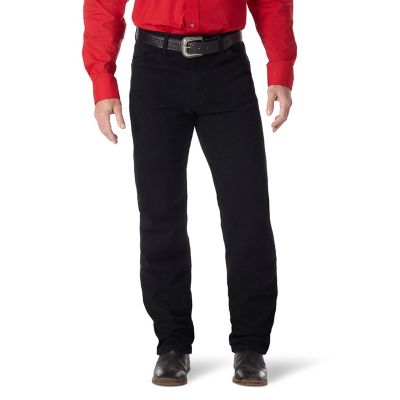
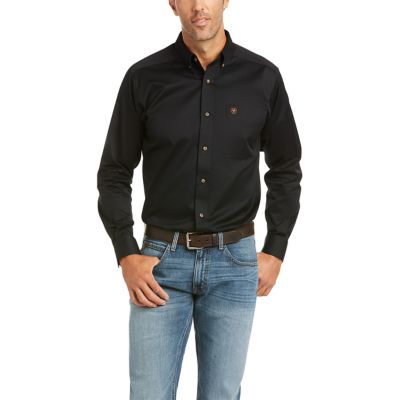
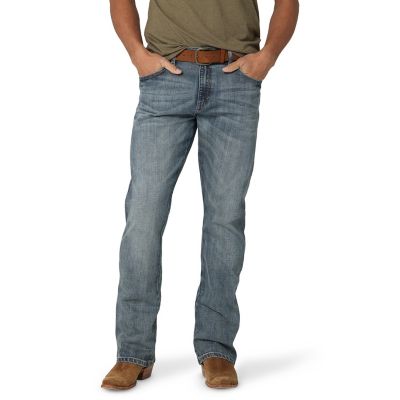
Popular clothing items for a casual country concert or rodeo outfit include denim jeans, plaid or western shirts, cowboy boots, wide-brim hats, and statement belts. Layering with vests or lightweight jackets is also common for added style and comfort.
How can I accessorize my country concert or rodeo outfit?
Accessorize your outfit with items like leather belts with eye-catching buckles, bandanas, turquoise jewelry, and classic western hats. Sunglasses and fringe bags can also add a stylish touch to your look.
Are there specific footwear styles recommended for country concerts or rodeos?
Cowboy boots are the most popular choice for both style and practicality at country concerts and rodeos. Comfortable western-inspired ankle boots or sturdy work boots are also suitable options.
What fabrics are best for staying comfortable at outdoor country events?
Breathable fabrics such as cotton, denim, and lightweight blends are ideal for outdoor country events. These materials help keep you cool while providing classic western style.
Can I wear dresses or skirts to a casual country concert or rodeo?
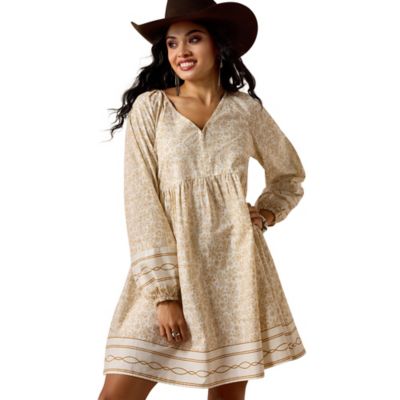
Yes, dresses and skirts—especially those with floral prints, denim material, or ruffled details—are great choices for a feminine yet practical look. Pair them with cowboy boots and a denim jacket for an authentic country vibe.
Best Sellers
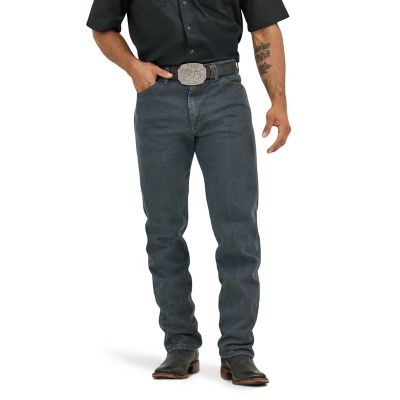
-
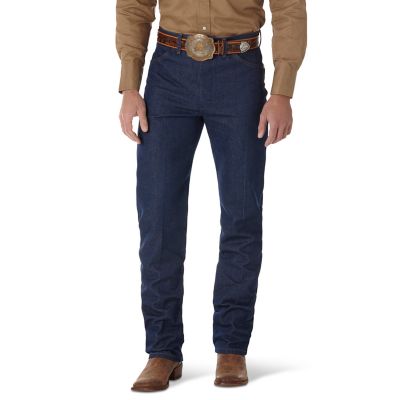
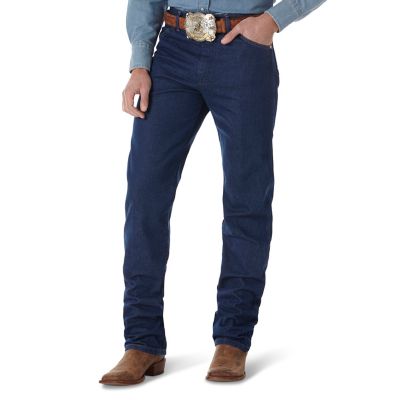
"Great cowboy cut Jean , wrangler are the best all time favorite"
-
"Great shirt for my wife. She wears a XL and was a great fit"
-
"Love the design great quality material true to size love the lenght"
-
"I’ve bought many shirts and shoes from Ariat and I can truly say without a doubt that Ariat is the best"
-
"Love the color, weight & style but medium was smaller than other Arita shirts along the shoulders & sleeves"