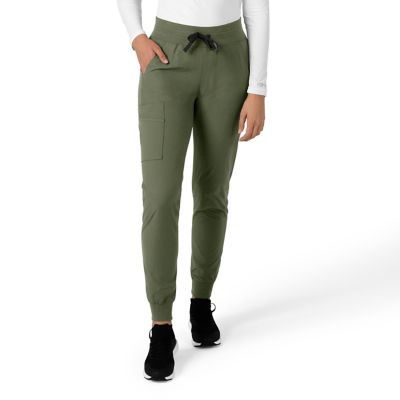
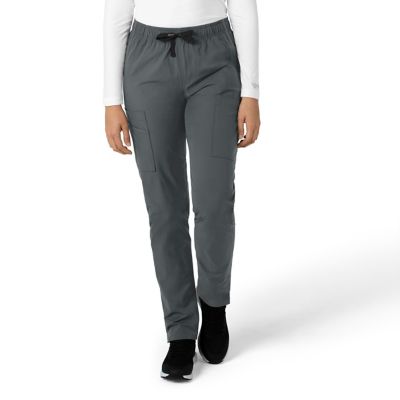
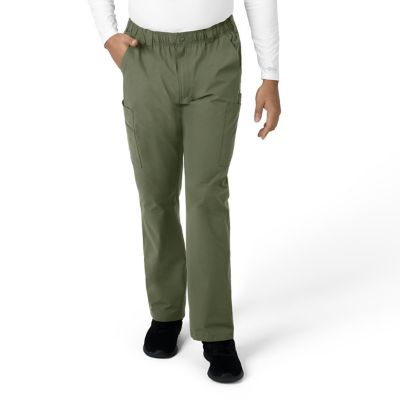
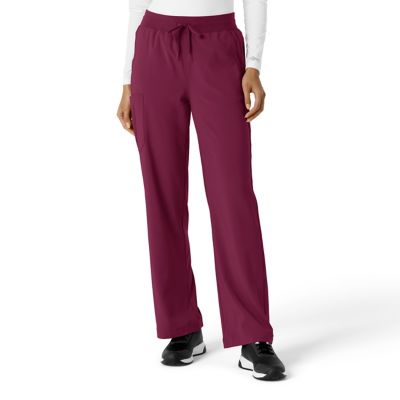
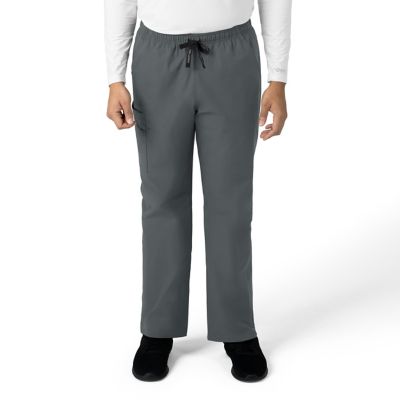
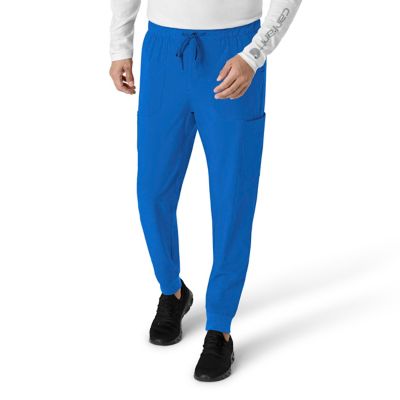
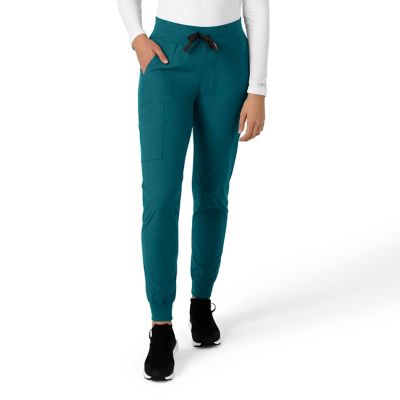
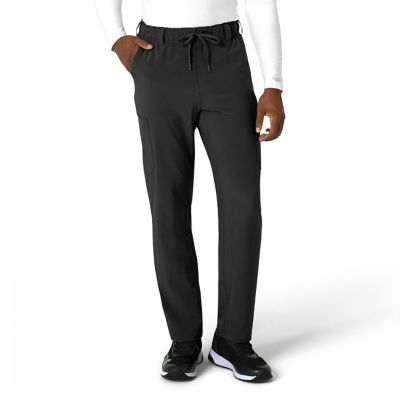
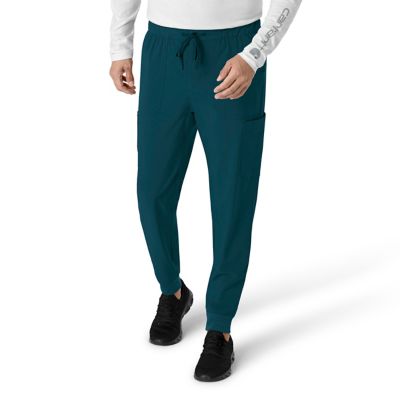
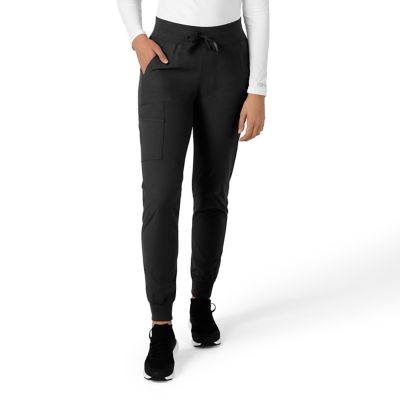
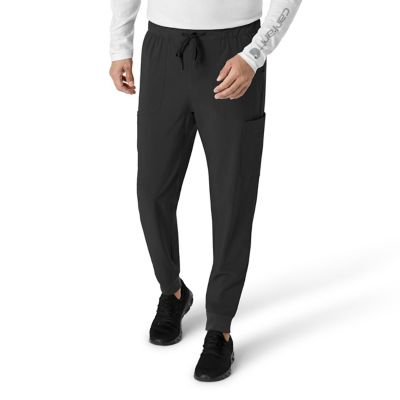
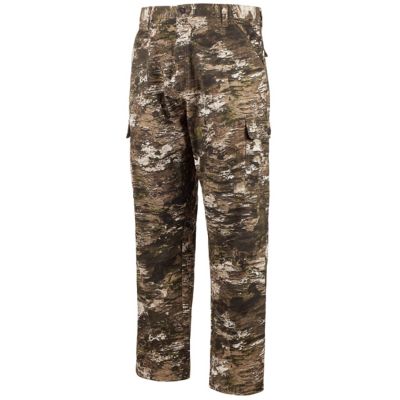
Cargo scrub pants are medical work pants with cargo pockets along the outer legs, combining the easy movement of scrubs with extra space for small workday essentials. Depending on the design, they may also have front slash pockets, back pockets, or divided compartments that help keep little things from collecting in one deep pocket. Nurses, veterinary technicians, dental assistants, and other care staff may appreciate that layout when moving between exam rooms, treatment areas, and supply cabinets. At a county hospital or a busy veterinary clinic, having a pen or penlight within reach can save a trip back to the work counter. Fabric makes a big difference in how scrub pants feel through those routines. Cotton brings a soft feel and breathability, while polyester can help fabric hold its shape and dry more readily after washing. Blends containing spandex add stretch for bending, reaching, and squatting beside a low cabinet or exam table. Stretch content alone does not tell the whole story, though; the weave, fabric weight, and cut also affect movement. A lighter fabric may feel less restrictive, while a more substantial weave may provide greater coverage and structure. Pants with moisture-management features are designed to move moisture through the fabric, but those features vary by construction and should be checked in the garment details. Smooth seams, well-finished pocket openings, and reinforcement at high-stress areas are worth a closer look, especially where pockets meet the leg or the seat takes repeated strain. Cargo scrub pants need to balance storage with a clean, practical shape rather than feel like heavy work trousers. They are clinical clothing, not a replacement for gloves, gowns, or other protective equipment required for a task. The right pair supports an active shift while fitting the clothing rules of the workplace, whether that means a particular color, a certain leg shape, or limits on pocket contents. That balance matters just as much on a short appointment schedule as it does during a full day of patient care.
Fit affects both comfort and how well the pockets work. Cargo scrub pants may have straight, tapered, relaxed, or jogger-style legs, with each shape sitting differently through the hip, thigh, knee, and ankle. A straight leg leaves room around the lower leg, while a tapered cut narrows toward the hem. Jogger cuffs gather at the ankle and create a closer finish, though workplace dress codes may limit which styles are appropriate. The best fit leaves enough room to sit, bend, and take a full stride without the waistband pulling down or the fabric catching across the thighs. Too much extra fabric can be troublesome, too, especially around rolling stools, cabinet handles, or tight treatment spaces. Waistbands range from elastic pull-on designs to drawstrings and combinations of the two. A drawstring offers some adjustment, while a broad elastic waistband can spread pressure across the waist. Rise matters when reaching overhead or leaning forward, particularly when a scrub top lifts during movement. Inseam length deserves the same attention: hems should clear the floor and work with the shoes worn on shift rather than bunch underfoot. Size charts and garment measurements provide a better starting point than assuming every scrub cut fits alike. Pocket placement is another practical detail that becomes noticeable once the pants carry anything. A cargo pocket positioned too low may knock against the knee, while an overfilled pocket can pull on the leg and change how the pants hang. Smaller sections can separate a pen from other approved essentials, and closures may help keep belongings contained when crouching. Phones and personal belongings still need to follow facility policies, especially around patient care and cleaning procedures. A simple movement check with the usual work shoes helps reveal pulling at the seat, tightness behind the knee, or a waistband that shifts. Matching pocket space to the actual routine generally works better than choosing the greatest number of pockets. A few well-placed compartments can be easier to manage than several that are awkward to reach.
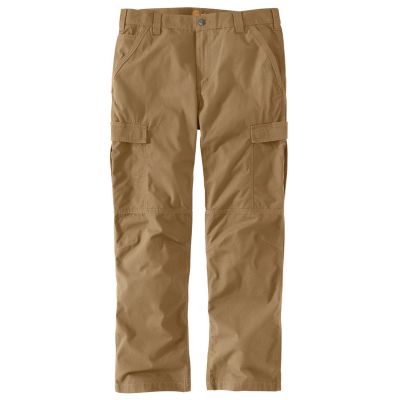
Regular care helps cargo scrub pants keep their shape, color, and everyday comfort. The garment label is the starting point for wash temperature, drying settings, and any restrictions on bleach or fabric treatments. Workplace laundering requirements take priority when clothing has been exposed to blood, bodily fluids, or other contamination; ordinary home washing should not be assumed to meet every clinical requirement. For routine laundering where home care is permitted, emptying every pocket prevents forgotten pens, tissues, or small objects from making a mess in the wash. Closing fasteners and securing drawstrings can help reduce tangling, while washing compatible colors together helps limit color transfer. Excessive dryer heat can affect stretch fibers and elastic over time, so the recommended drying setting matters. Removing pants promptly after drying can also cut down on deep creases without adding another chore before a shift. Fabric-softener restrictions deserve attention on garments with moisture-management finishes, since some treatments can interfere with how those finishes perform. Between washes, a quick look at pocket corners, the crotch seam, and the waistband can catch loose stitching before a small problem becomes a torn seam. Carrying only what is needed reduces strain on pockets and keeps the legs from feeling weighed down. For anyone buying scrub pants as a gift for a nursing student, veterinary technician, or another care worker, knowing the required color, preferred fit, and inseam is more helpful than guessing from everyday pants size. School and employer uniform rules may narrow those choices considerably. Outside a clinical setting, the
Grey Cargo Pants collection offers another direction for pocket-focused everyday clothing, but regular cargo pants should not be assumed to meet a scrub uniform requirement. Cargo scrub pants bring their strongest value to routines that call for clinical workwear, freedom to move, and sensible storage. A comfortable waistband, useful pocket placement, and manageable care requirements help make them a practical part of getting dressed for a demanding day.