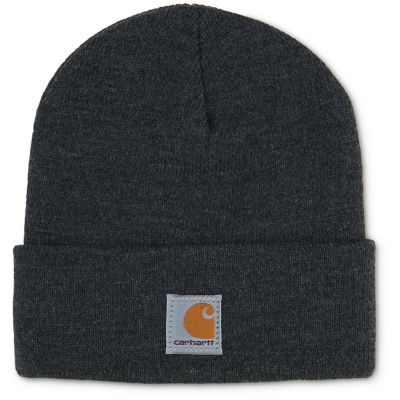
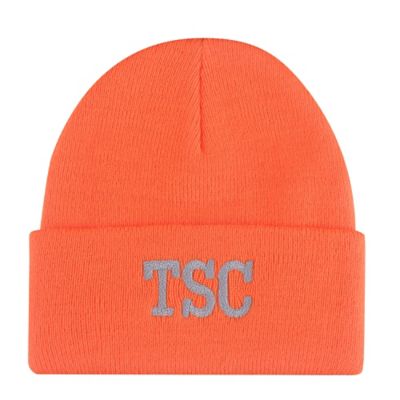
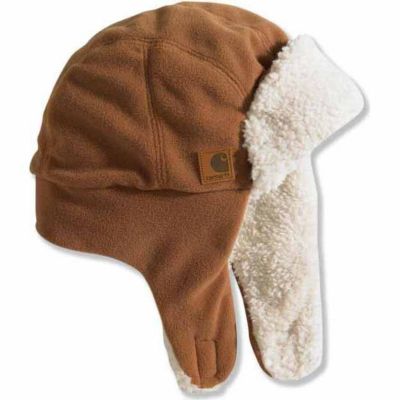
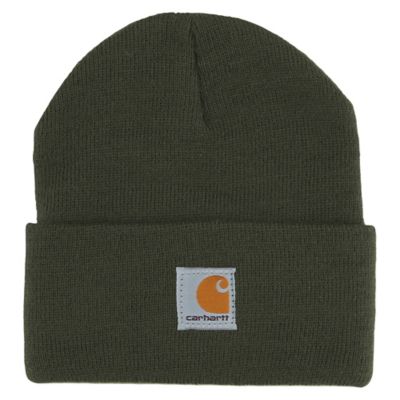
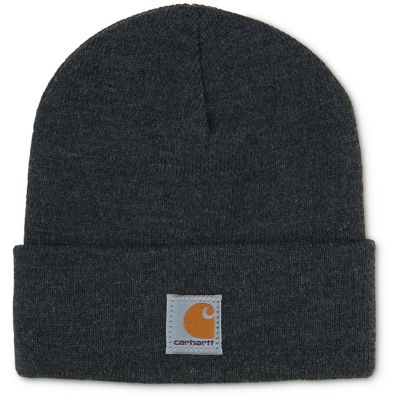
Beanies for small heads tend to fit best when they combine a smaller opening with a shallower crown, rather than relying on stretch alone. The opening controls how securely the hat sits, while crown depth determines how much fabric rests above the head or folds down toward the eyes. Low-profile beanies, fitted knit caps, and short watch caps can all suit a smaller head, depending on how much ear coverage feels comfortable. A close-fitting crown gives a neat shape without a tall peak, and a ribbed band can flex around the forehead without leaving loose gaps at the sides. For someone bending to fill a feed pan or looking down while fastening a gate, a hat that stays clear of the eyes makes everyday chores a little easier. Snug should still feel comfortable: a band that pinches the temples, leaves a deep mark, or creeps upward may be too tight. Head circumference is a useful starting point, but the hat’s depth matters just as much. Measuring around the forehead and above the ears, then comparing that measurement with the size chart, gives more useful information than an adult or youth label alone. Some adults with smaller heads may find a better fit in youth sizing, though a youth hat can also have a shorter crown or less room over the ears. One-size sizing describes a range, not a promise that every head shape will get the same fit. A fold-over cuff offers some control over how high the hat sits, but folding it higher does not necessarily make a loose opening smaller. Shallow fisherman-style beanies often stop above the ears or cover only their upper edges; that shorter shape may work for casual wear, while a deeper fitted cap makes more sense when full ear coverage matters. The best match stays settled through ordinary movement without constant tugging, rolling, or readjusting.
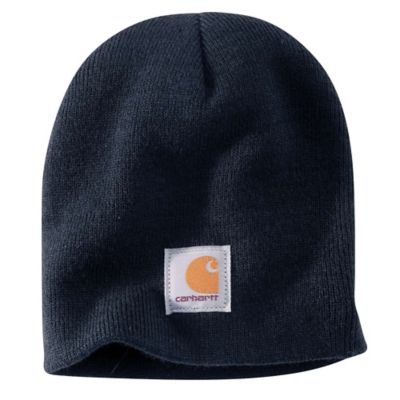
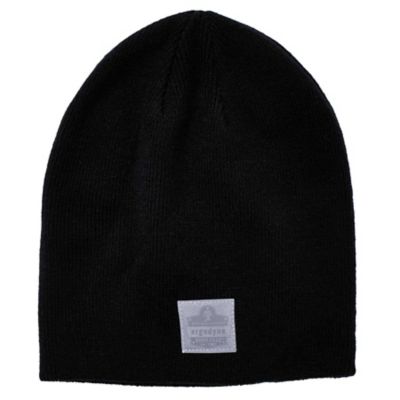
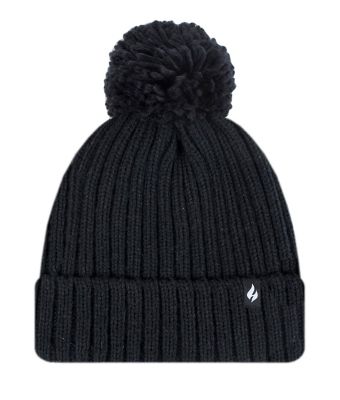
Material and knit construction give small-fitting beanies much of their feel, warmth, and staying power. Rib knitting naturally stretches across the head, while a close, smooth knit can create a more streamlined shape. A little elastane in a blend may help the fabric recover after stretching, though the finished fit still depends on the entire construction. Acrylic is common in knit hats and often offers a soft feel with straightforward care, depending on the label. Wool provides insulation and can help manage moisture vapor during active wear; finer wool fibers may feel gentler against the forehead than coarser ones. Cotton can feel comfortable for lighter wear, but it absorbs moisture and dries more slowly than many synthetic fibers, so it is less practical for sweaty chores in cold conditions. Blends bring together different fiber characteristics, making the full fabric description worth a look. Thickness deserves attention, too. A thick hat is not automatically a better-fitting hat, and a thin knit is not automatically loose. A double-layer cuff adds coverage around the ears, while a fleece lining can create a softer barrier against scratchy yarn. That lining also takes up room inside the cap, which may change how the same labeled size feels. Dense knits can help limit drafts, but an ordinary knit beanie should not be counted on as a waterproof layer. For feeding livestock, walking a fence line, or standing beside the ball field, full ear coverage and a secure band may matter more than extra height at the crown. A lighter, closer cap can feel less cumbersome on an active walk or a quick trip into town. Color and shape round out those practical details. A
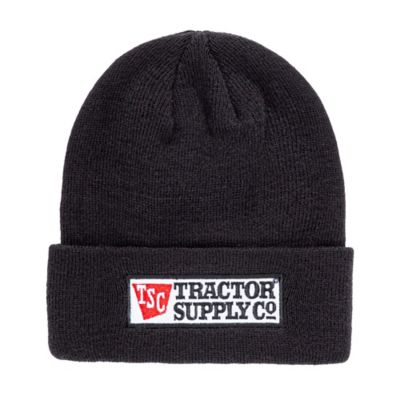
Black Beanie Hat pairs easily with a canvas chore coat, a flannel shirt, or a work jacket, while a simple cuff gives the same everyday look without a loose, slouchy top. Raised seams, patches, and thick folds can affect comfort, especially around sensitive ears or the arms of glasses.
Keeping that smaller fit comfortable over time comes down to sensible care and a knit that springs back after wear. Firm, even stitching and a well-finished cuff are useful details to look for, since the lower edge gets plenty of handling whenever the hat goes on or comes off. Pulling a beanie down by one small section of the band can stretch that spot more than the rest; easing it into place with both hands spreads the strain. The care label should settle questions about washing temperature, machine cycles, and drying. Wool may need gentle washing and flat drying, while some acrylic and blended hats allow machine washing, but fiber names alone do not tell the whole story. High heat can shrink certain fibers or affect stretch, and hanging a wet knit hat from its edge can pull it out of shape. When flat drying is called for, gently pressing out water with a towel and reshaping the cap helps preserve its proportions. A little fuzz or pilling can develop where yarn rubs against a coat collar or hood; that surface wear does not necessarily mean the hat has lost its usefulness. Keeping hook-and-loop fasteners away from the knit in the wash can help prevent snagging, and removing burrs carefully after a walk through tall grass is easier on the yarn than yanking them free. Letting the hat dry fully before putting it away helps keep it ready for the next outing. Those everyday details matter whether the wearer is a child heading outside, a teen who dislikes a floppy crown, or an adult whose usual hats slide too low. Beanies also make practical gifts when the recipient’s fit preferences are known. Head measurement, sensitivity to wool, preferred ear coverage, and a favorite cuff shape say more about a good match than age or clothing size alone. A small-fitting beanie earns its place by feeling comfortable, staying put, and being easy to reach for before heading out the door.