


Automatic Waterer vs. Stock Tank: Which Livestock Watering Setup Fits Your Place?
Compare automatic waterers and stock tanks by refill style, daily chore load, herd size fit, winter use, cleanup, and setup so you can choose the right watering setup for your animals.
Quick take: which setup fits better?
-
Choose an automatic waterer when
You want less day-to-day filling, have a fixed spot for water access, and are ready to handle plumbing, anchoring, or cold-weather planning up front.
-
Choose a stock tank when
You want a simple watering setup, need more open drinking space, or want the option to move up in tank size as animal numbers change.
-
Look at float-valve tank setups when
You like the open access of a stock tank but want to cut back on manual refills with a hose-fed or valve-fed setup.
If you are trying to decide between an automatic waterer and a stock tank, the big question is how much daily chore time you want to trade for setup and plumbing. Both can keep cattle, horses, goats, or sheep watered, but they do it in different ways. Automatic waterers refill as animals drink, while stock tanks give you a larger open water supply that may be filled by hand or paired with a float valve. For small-acreage owners looking to cut back on bucket hauling without overbuilding the setup, this choice usually comes down to animal count, pasture layout, winter conditions, and how hands-on you want to be each day.
Product comparison
|
|
|
|---|---|---|
| Feature | ||
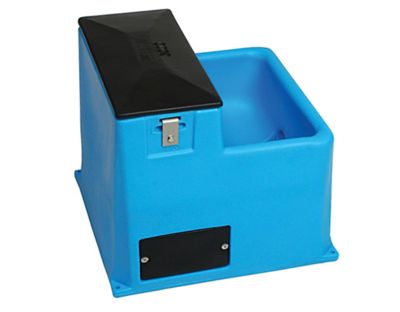
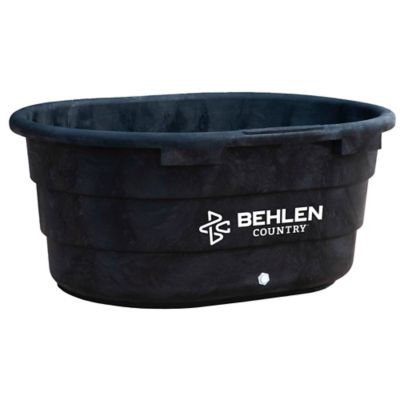
| Product type | Automatic livestock waterer | Open stock tank |
| How it supplies water | Constant-flow drinking area tied to a water source | Stores a larger water supply in one tank |
| Capacity style | 5 gal. trough capacity | 150 gal. tank capacity |
| Best fit by setup | Fixed watering point in pens, paddocks, or smaller pasture areas | Flexible placement where open-access tank watering works well |
| Animal access | Single-sided access | Open tank edge access |
| Daily chore load | Lower refill labor once installed | More hands-on unless paired with a float valve or automatic refill |
| Install needs | Usually needs a set mounting spot and water-line planning | Usually simpler to set in place and start using |
| Cleanup approach | Built with access panels and sloped design to help with cleaning | Open interior is easy to see and scrub out |
| Cold-weather planning | Heater-kit compatible for winter setup planning | May need separate winter strategy depending on climate and fill method |
| Good shorthand fit | Folks wanting less refill work at one regular watering point | Folks wanting simple open watering with room to size up |
Product details, ratings, and fit can change by model. Match watering capacity, refill style, and winter planning to your animals and setup.
The real difference is how water gets to the animal
An automatic waterer is built to keep a smaller trough area supplied as animals drink. That can mean less standing water, less manual filling, and fewer trips out to top things off. A stock tank, on the other hand, stores a larger volume of water in one open container. It is straightforward, easy to understand at a glance, and works well for folks who want flexibility in where and how they water.
That is why this page stays focused on the actual comparison between these two setups, not every watering option on the farm. If you want the wider picture, the broader guide at Livestock Watering Systems covers the full watering-system path.
Why an automatic waterer makes sense for lower-chore care
Automatic waterers are a strong fit when the goal is to cut down the everyday work. A model like the Miraco LilSpring Single Sided Bolt-Down Livestock Water keeps a constant-flow drinking area available for smaller groups and mounts to a set location. That makes sense in pens, paddocks, loafing areas, or places where animals come back to the same water point every day.
This setup can also help when you want a tidier watering station with less open water sitting out. Many automatic waterers are built for easier access to valves and cleanup points, and some are made to work with heater kits or insulated designs for winter planning. The tradeoff is that they usually ask more of you at install time, especially if you need a water line, concrete pad, anchoring, or freeze protection.
Why a stock tank still works for a lot of small places
A stock tank is often the simpler call when you want open access, larger stored volume, and room to scale up by tank size. A rigid poly tank like the Behlen Country 150 gal. Rigid Poly Molded Tank gives animals a broad drinking area and can be easier to place in different parts of the property than a fixed automatic unit. If your herd size changes, moving from a smaller tank to a larger one is usually a pretty plain next step.
Stock tanks also give you more ways to build the setup around your place. You can fill by hose, carry water as needed, or add a float valve to make the tank refill on its own. That middle-ground approach is why products like the Behlen Country 30 gal. Water Boy Tank Livestock Waterer matter in this category. It keeps the familiar tank format while adding an automatic refill valve fed by a garden hose.
How to choose without overthinking it
Start with animal traffic and chore habits. If a small group drinks from one regular location and you want fewer refill trips, an automatic waterer may be the better fit. If animals need a wider drinking edge, if you are still adjusting pasture flow, or if you want more water on hand at one time, a stock tank may make more sense.
Then think about season and setup. In colder areas, freeze planning matters no matter which way you go. In warmer months, algae, debris, and mud around the watering spot become bigger concerns. Also pay attention to how often you want to clean and inspect the system. An automatic unit can save filling time, while a stock tank can be easier to spot-check at a glance because the whole water surface is visible.
If you already know you want a plumbed refill style, the page at Automatic Livestock Waterers is the better next stop.
Bottom line
If your main goal is lower day-to-day chore time, an automatic waterer usually wins because it keeps water coming without as much hands-on refilling. If your main goal is simple setup, more open water access, and room to change sizes later, a stock tank is still a solid pick.
For plenty of small-acreage owners, the smartest middle path is a stock tank with a float-valve style refill. It keeps the familiar tank layout while taking some of the refill work off your list. The best choice is the one that fits your animals, your water source, and the way you actually run chores on your place.
Automatic Livestock Waterers
Plumbed and self-refilling watering options that can cut back on daily refill chores.
Stock Tanks and Tank Refill Options
Open-access stock tanks and refill parts for folks who want a simpler watering setup with room to adjust.
Tips for choosing a lower-chore livestock watering setup
-
Start with where your animals naturally gather to drink, not just where a water line is easiest to reach.
-
Match the watering setup to your usual chore routine. A setup that saves time only helps if it fits how you actually run the place.
-
If you like the open layout of a stock tank but not the refill work, look at float-valve or hose-fed refill options.
-
Plan for winter before you buy, especially if freezing temperatures are part of your season.
-
Keep mud control in mind around any watering point so animals are not standing in a wet mess every day.
-
Check water access height and drinking style for the kind of livestock you are watering.
-
Do not judge by price alone. Setup work, cleanup time, and refill effort can matter just as much over time.
-
If you are still unsure, compare a plain stock tank, a float-valve tank, and a true automatic waterer side by side before deciding.
Frequently asked questions
An automatic waterer refills as animals drink, while a stock tank holds a larger supply of standing water. That means the automatic waterer can cut back on refill chores, while the stock tank keeps things simpler and gives animals a wider open drinking area.
Not always. It can save time on daily refills, but it usually takes more planning up front for placement, plumbing, anchoring, and winter protection. If you want a simpler setup, a stock tank can still be the easier fit.
Yes. A stock tank can be paired with a float valve or a hose-fed refill setup. A product like the Behlen Country 30 gal. Water Boy Tank Livestock Waterer shows that middle-ground option well by turning a garden hose into an automatic refill source.
A smaller group that drinks from one regular location often fits well with an automatic waterer. A stock tank can also work well for small groups, especially if you want more visible water on hand or a simpler setup.
That depends on what kind of maintenance you prefer. Stock tanks are easy to inspect because you can see the whole water surface at once. Automatic waterers may have smaller drinking areas and built-in access points that help with routine cleaning and valve checks.
Both setups need winter planning. Some automatic waterers are built to work with heaters or insulated designs, while stock tanks may need a separate cold-weather approach based on climate, water source, and whether the tank refills automatically.
Yes. If you are leaning toward the stock tank route, capacity matters a lot because that is the main water reserve your animals will drink from.
If you are already leaning away from a plain stock tank and toward a plumbed or self-refilling setup, head to Automatic Livestock Waterers for a more focused look at that product group.